



Cashless Payment Trends: Survey Reveals Insights into Consumer Preferences in Japan
Cashless Payment Trends in Japan: Insights from a Recent Survey
In a collaborative investigation carried out by Loyalty Marketing Co., Ltd. and the radio program "#BizTopi" hosted by Mari Makubu and Hiroaki Watanabe, the payment preferences of Japanese consumers were analyzed. The survey, conducted between June 30 and July 1, 2026, focused on 1,000 participants aged 20 to 60, revealing key trends in the adoption of cashless payment methods.
Notable Findings of the Survey
Top Finding: Majority Embrace Cashless Payments
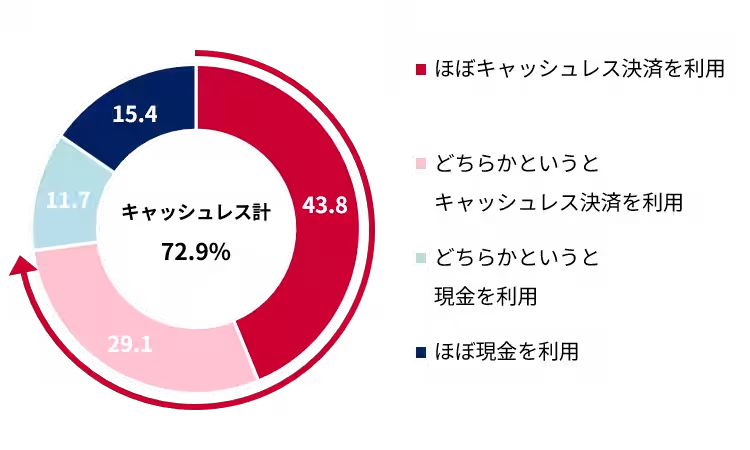
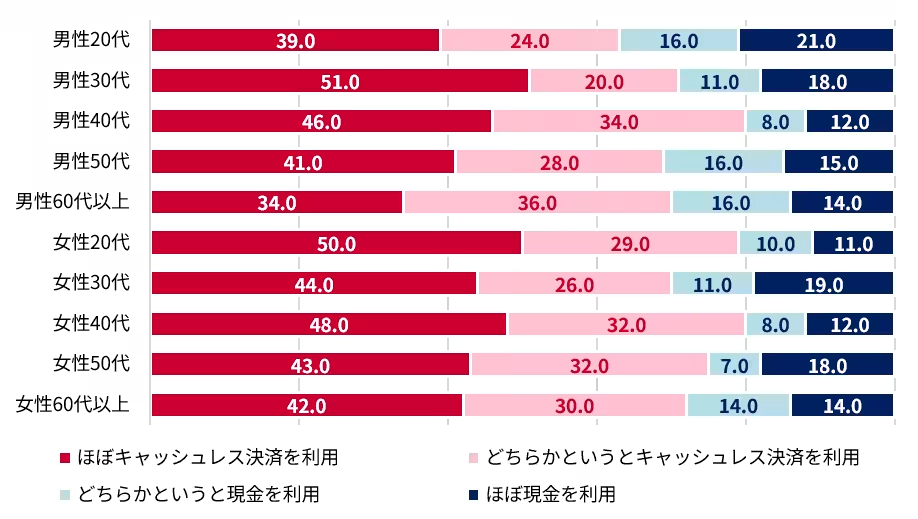
The survey findings indicate that more than 72.9% of respondents lean towards cashless payment methods. Among younger males in their twenties, however, the preference for cash transactions is still substantial, reaching 37.0%, marking the highest among all age and gender categories. Women in their twenties and people in their forties are leading the cashless trend, with approximately 80% adopting this approach.
Payment Methods: Cash Remains Common
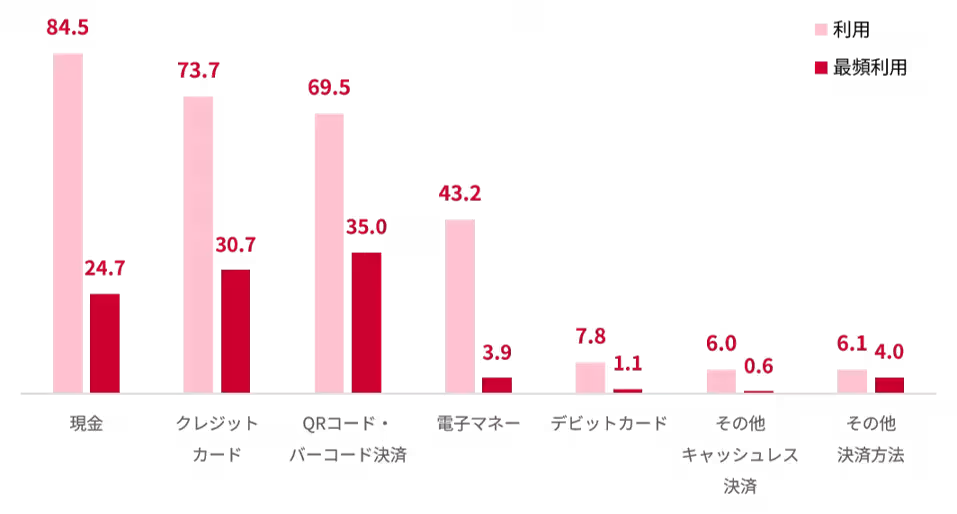
While cash is still the most frequently used payment method, with 84.5% of respondents reporting its use, QR and barcode payments are noted as the most frequently utilized cashless methods, at 35.0%. Credit cards follow closely behind, highlighting a shift towards digital payments that is gaining momentum among consumers.
Key Reasons for Going Cashless
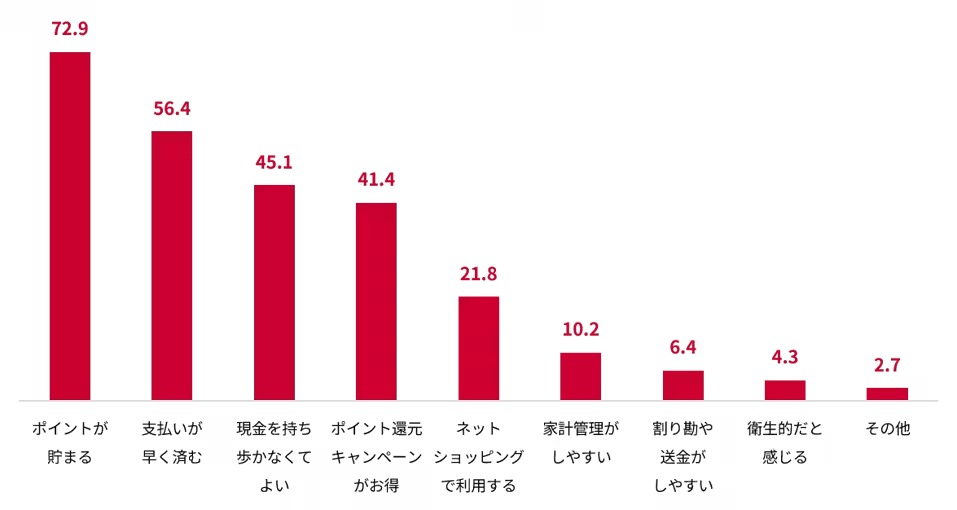
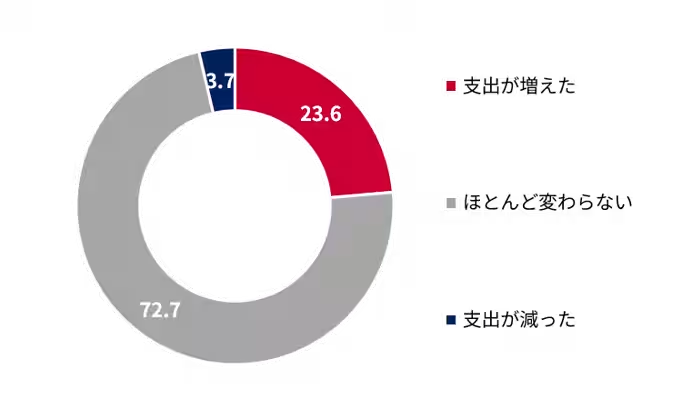
When asked why they favor cashless payments, 72.9% cited the ability to earn points as the primary motivation. Other reasons included faster payment processes (56.4%), the convenience of not needing physical cash (45.1%), and attractive rewards and campaigns (41.4%). However, the survey revealed that nearly half feel they are spending more when using cashless methods compared to cash transactions.
Carrying Cash: Still a Norm
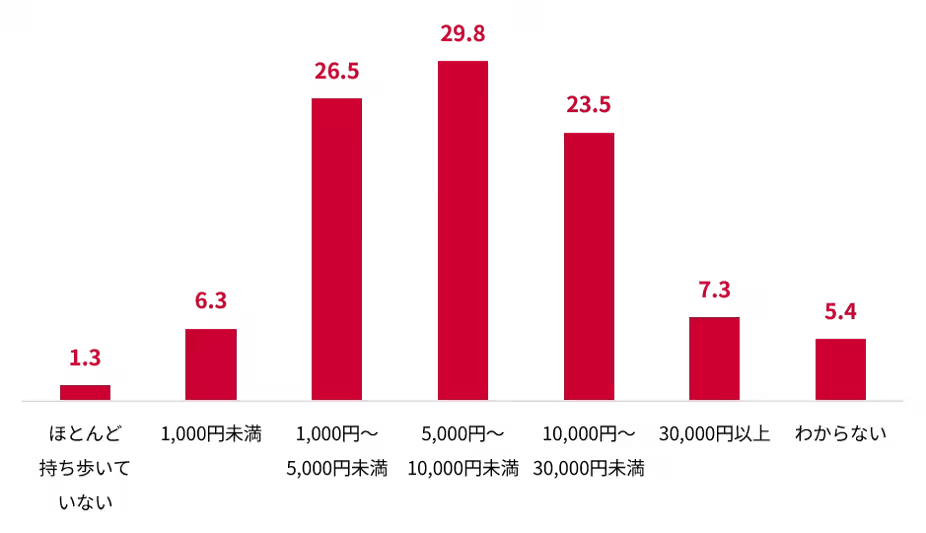
Despite the rise of cashless options, more than 90% of respondents reported carrying cash. A significant portion, nearly 30%, tends to have between 5,000 to 10,000 yen on hand, suggesting that while cashless transactions are rising, cash remains a crucial part of everyday life, particularly as a safety net.
Expert Insights
Mari Makubu, an economic analyst and host of the radio show, commented on these findings, emphasizing the dichotomy between the convenience of cashless transactions—like earning points and quick payments—and the overwhelming tendency to overspend due to a lack of tangible financial awareness. She advised consumers to balance the benefits of cashless payments with tracking capabilities to maintain budgeting discipline.
Hiroaki Watanabe, a consumer economic analyst, predicted that the cashless trend will accelerate in the next decade, potentially surpassing 80% in adoption in Japan. Despite this growth, he stressed the essential role that cash will continue to play, especially in emergencies, while highlighting the increasing importance of convenience stores in bridging cash and digital payment methods.
Conclusion
The research clearly indicates a significant shift towards cashless payments among Japanese consumers, driven by practicality, reward systems, and convenience. Yet, traditional cash still holds its ground in daily transactions, underscoring the complexity of consumer behavior in this evolving financial landscape. As cashless options become more prevalent, continuous adaptation will be essential for both consumers and businesses. The full study can be referenced on the Ponta Research platforms and will be discussed in upcoming episodes of "#BizTopi."


Topics Consumer Products & Retail)







【About Using Articles】
You can freely use the title and article content by linking to the page where the article is posted.
※ Images cannot be used.
【About Links】
Links are free to use.