



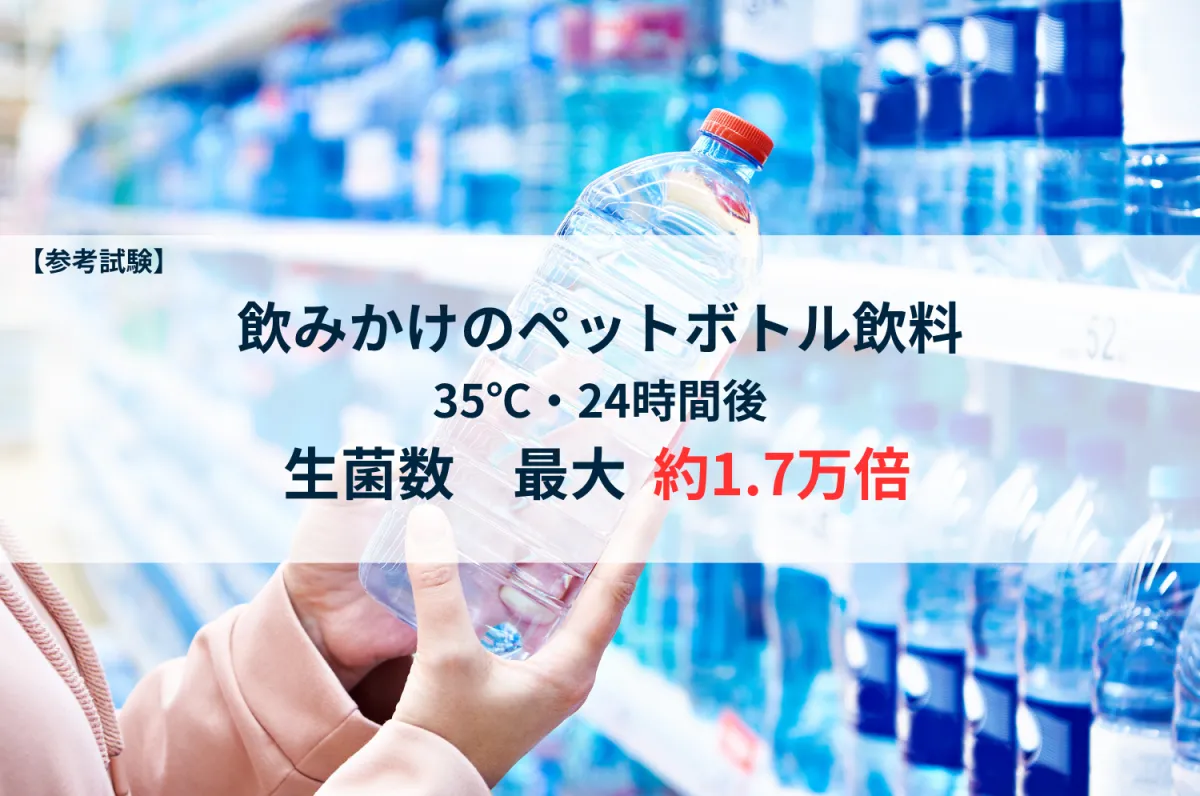
Examining Bacterial Growth in Partially Consumed Beverages in Hot Weather
The Hidden Risks of Partially Consumed Beverages
As summer heat rises, so does the risk associated with our favorite beverages, particularly those in plastic bottles. A recent study conducted by the Nissenken Quality Evaluation Center, a Tokyo-based organization specializing in microbiological testing, reveals startling findings about the bacterial growth in partially consumed drinks left at room temperature.
In this study, Nissenken focused on four popular beverages: cafe au lait, sports drinks, barley tea, and green tea. The aim was to assess how storage temperature affects bacterial counts over time, particularly for drinks that have been partially consumed. The findings are crucial for understanding how to handle leftovers safely, especially as outdoor activities increase in the summertime.
Study Design and Findings
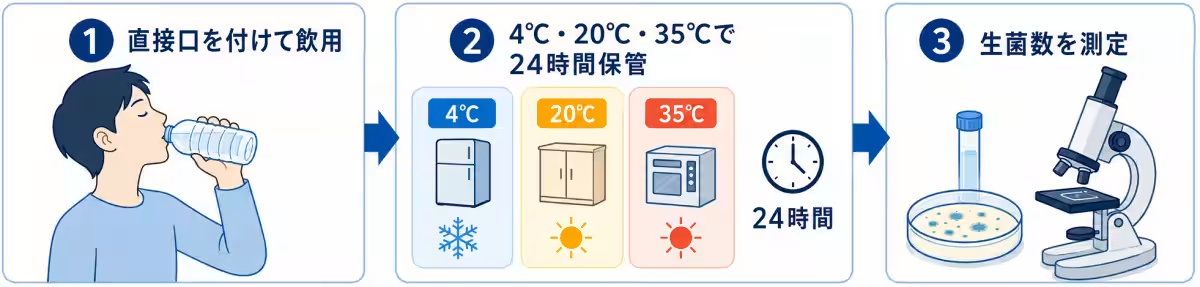
The experiment involved four employees who each tasted the beverages directly from the bottles, consuming about half of each. The drinks were then stored at three different temperatures: 4°C (refrigerated), 20°C (room temperature), and 35°C (representative of very warm days). After a 24-hour period, the bacterial counts were measured both before and after storage.
Key Results:
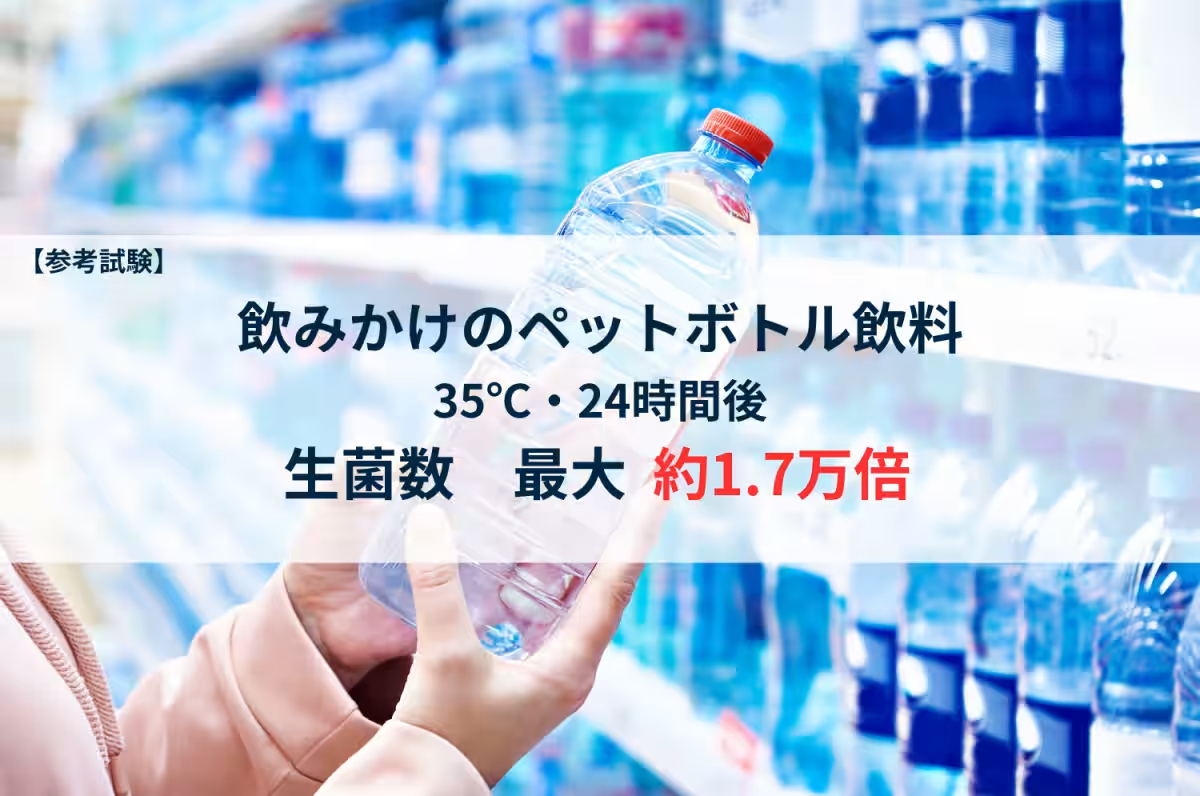
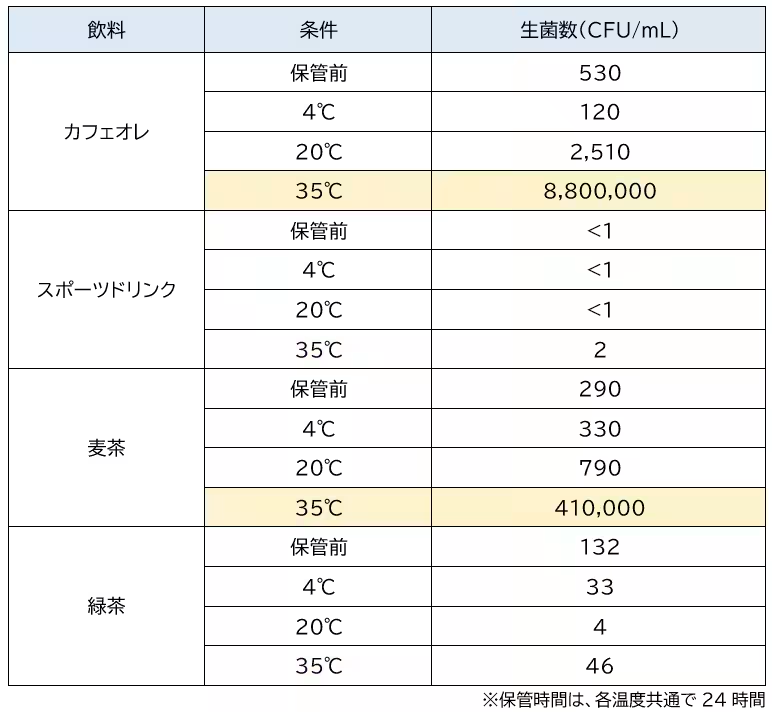
- - Cafe Au Lait: At 35°C, the bacterial count surged from 530 CFU/mL to a staggering 8,800,000 CFU/mL—an increase of approximately 16,600 times. The sugars and milk proteins in cafe au lait likely provided a perfect breeding ground for bacteria under warm conditions.
- - Barley Tea: This beverage showed a significant rise as well, increasing from 290 CFU/mL to 410,000 CFU/mL, approximately 1,400 times. The carbohydrates from the barley components likely acted as nutrients for the bacteria.
- - Sports Drinks: Surprisingly, no significant bacterial growth was detected across all conditions, suggesting that the acidity of these drinks creates an inhospitable environment for bacteria.
- - Green Tea: This beverage did not show a significant increase in bacterial levels at any temperature, likely due to the antibacterial properties of catechins present in green tea.
The study highlights the necessity for consumers to handle partially finished beverages with great care, especially in warmer months. Proper storage practices, such as consuming drinks promptly and refrigerating leftovers, are highly recommended.
Behind the Study
Conducted by Nissenken's Biochemical Group, the results of this study illustrate a broader initiative to assess the safety and functionality of various consumer products. Their microbiological testing methods are utilized not just in beverage assessments but also across a wide array of products including textiles, plastics, and cosmetics.
Nissenken, established in 1948, has grown to become a prominent player in product safety evaluation, operating as the sole certification body for OEKO-TEX® in Asia. Their mission is geared towards ensuring that consumer products are safe, sustainable, and reliable. Through rigorous testing, Nissenken supports businesses in enhancing their product offerings and establishing quality benchmarks in their industries.
With the increasing popularity of on-the-go beverages, understanding the risks associated with partially consumed drinks is essential for public health. The findings from this study serve as a reminder to practice caution and ensure safe consumption habits, especially during the sweltering summer months. For more insights and updates on similar studies, readers are encouraged to explore the Nissenken Biochemical Group’s official web portal.
Final Thoughts
This particular study underscores the importance of microbiological testing in our daily lives, shedding light on the seemingly invisible changes that occur in our food and beverages. As consumers, awareness is our first line of defense in safeguarding our health. The findings not only spur educational initiatives but also emphasize the need for companies to commit to stringent safety standards in their products.

Topics Health)
【About Using Articles】
You can freely use the title and article content by linking to the page where the article is posted.
※ Images cannot be used.
【About Links】
Links are free to use.