



Unveiling the True Reasons Behind IT Engineers' Job Withdrawals: A Deep Dive Into Their Perspectives
Understanding Job Withdrawal Decisions of IT Engineers
In a recent survey conducted by Kikkake Creation, 221 IT engineers who withdrew from job applications after secondary interviews shared their insights on the reasons behind their decisions. The survey uncovered notable trends regarding the communication of withdrawal reasons and experiences during the interview process.
Key Findings
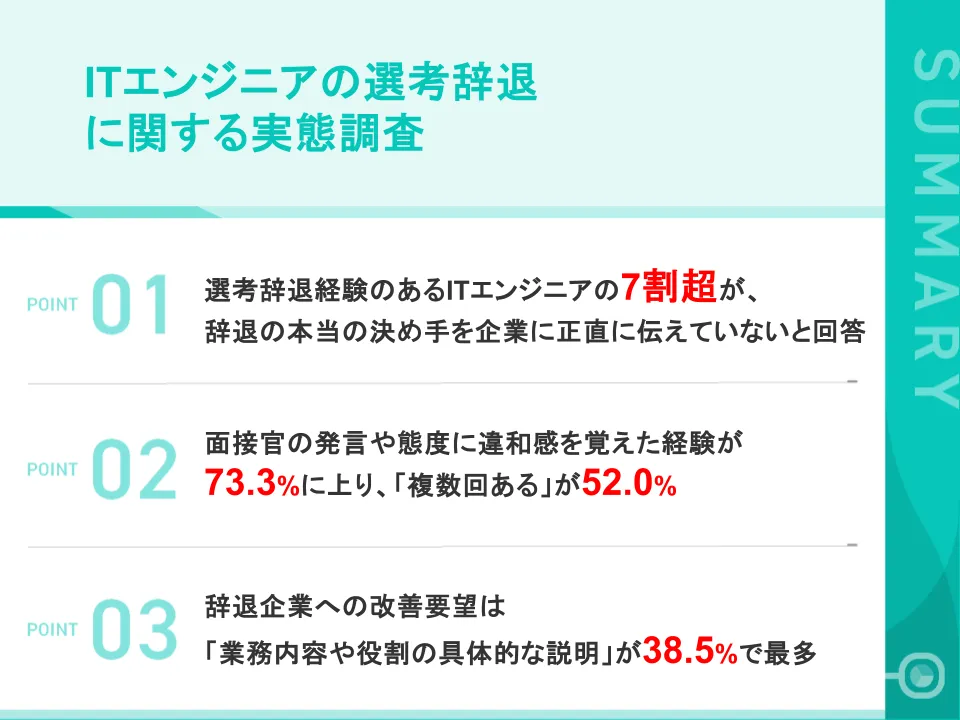
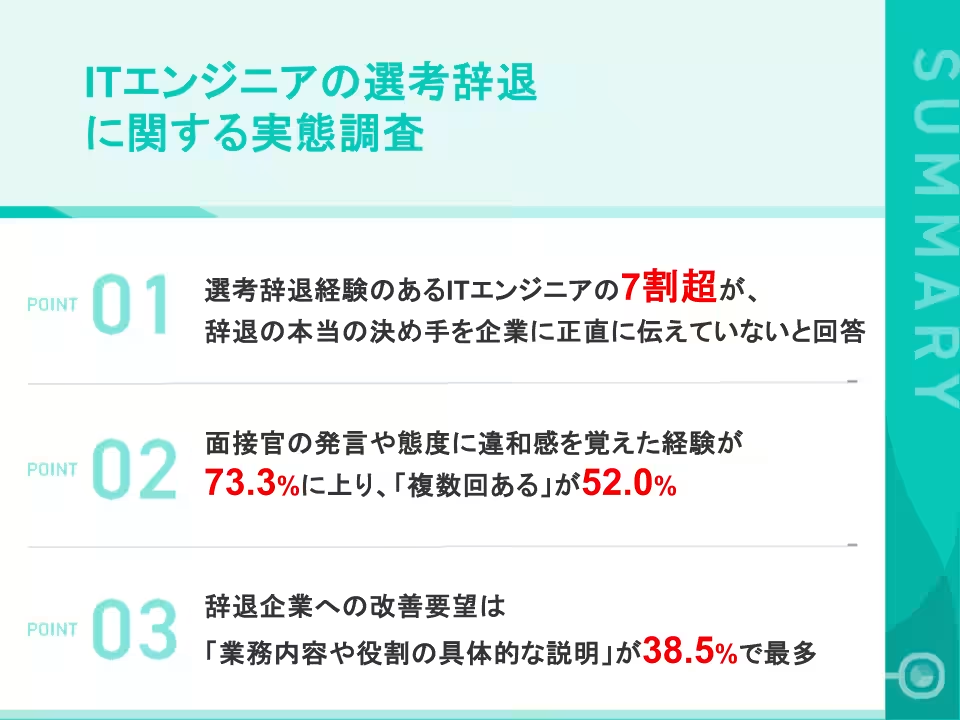
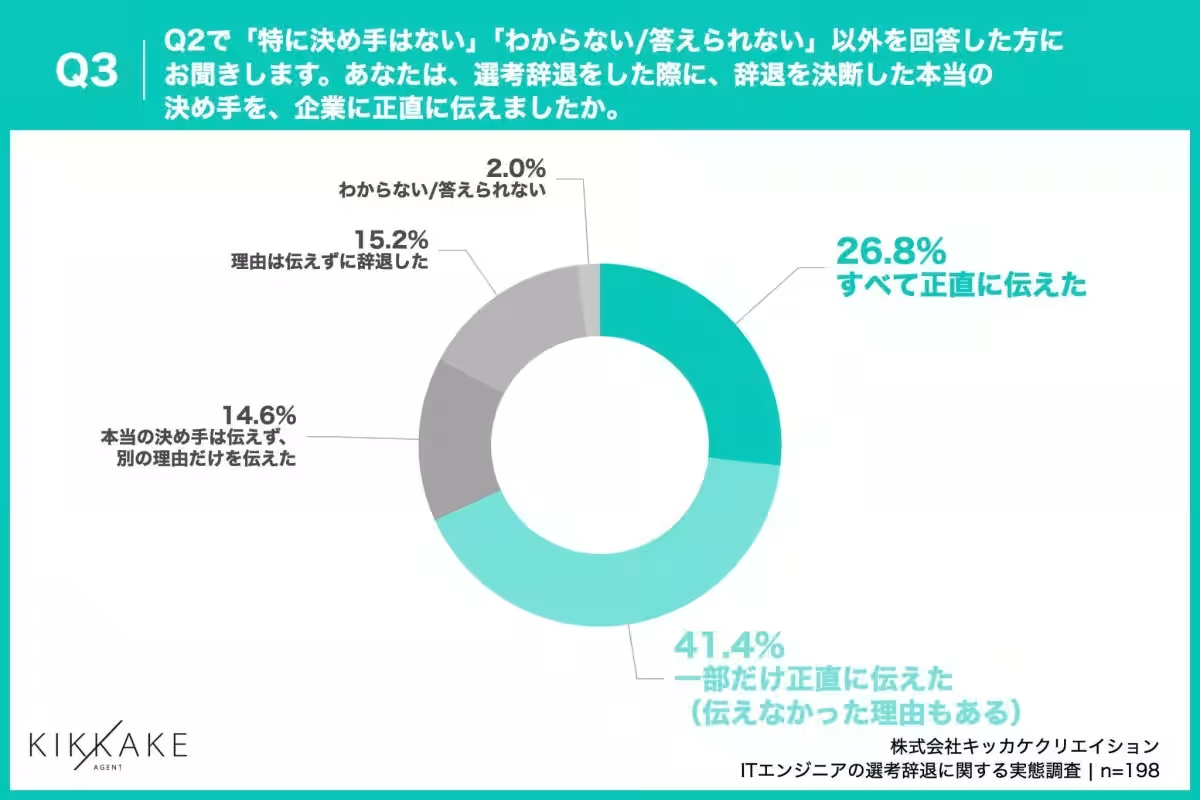
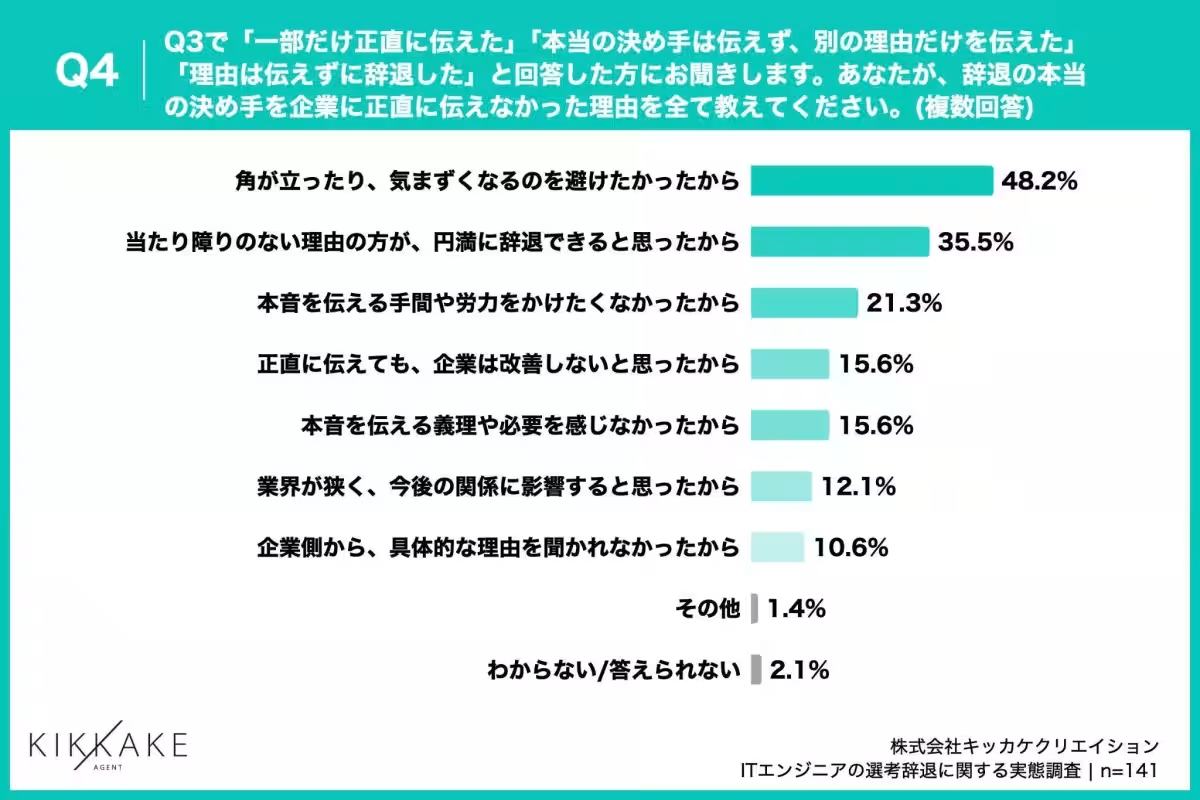
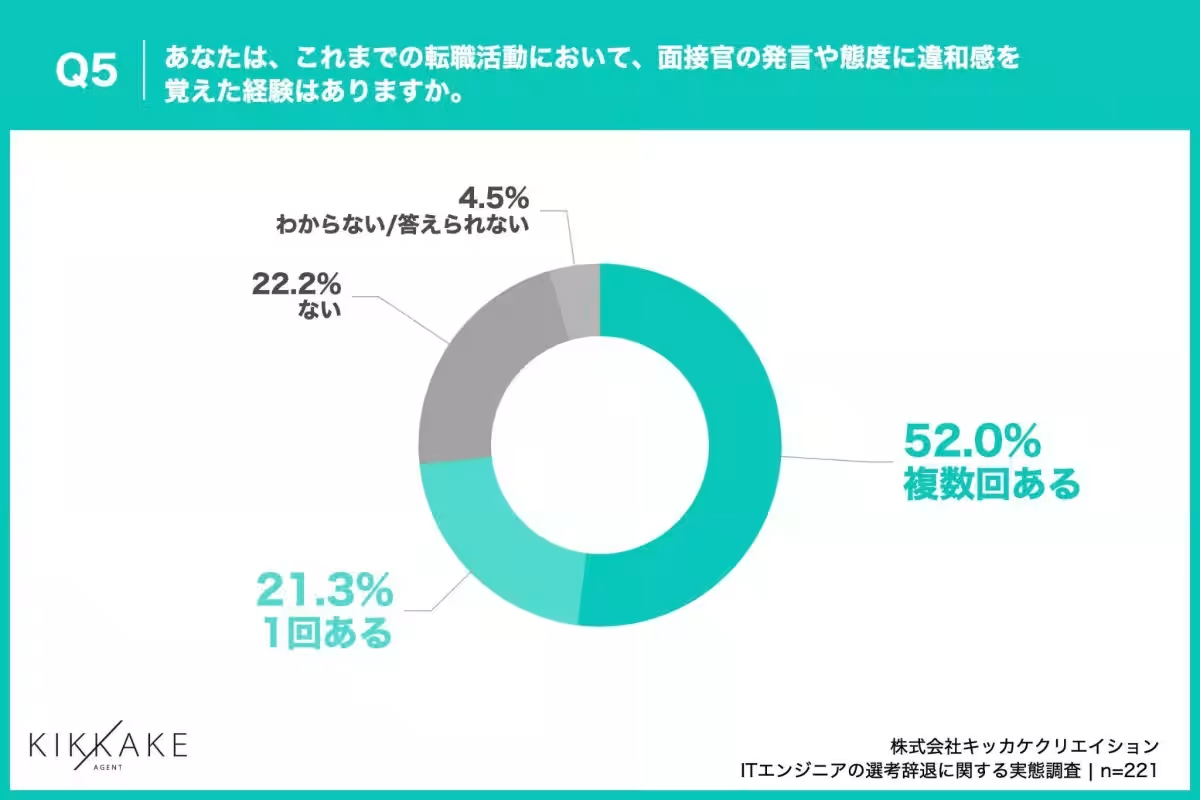
A striking 71.2% of IT engineers admitted to not conveying their true reasons for withdrawing from the selection process. In addition, an overwhelming 73.3% reported feeling discomfort due to the demeanor or statements made by interviewers. The most prevalent reason for withholding their genuine reasons was to avoid awkwardness (48.2%), highlighting a significant disconnect between employer expectations and candidate experiences.
Experiences of Discomfort
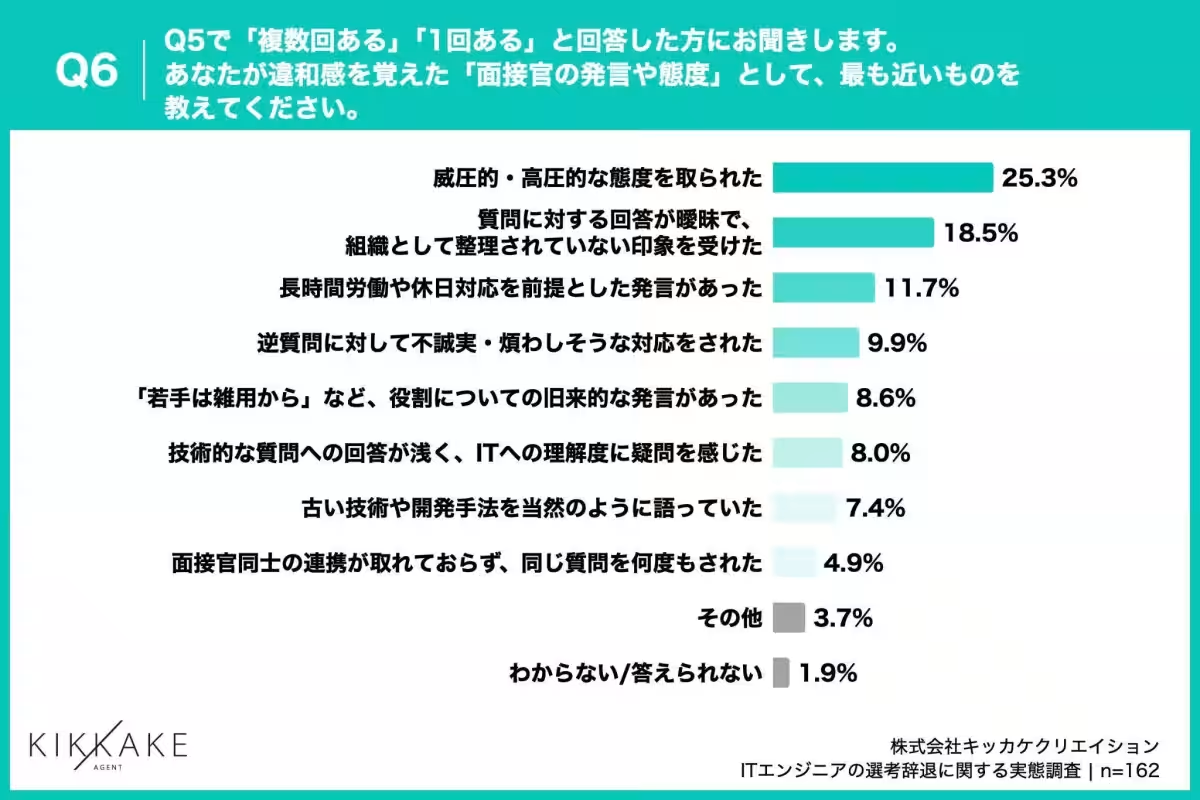
When discussing their discomfort regarding interviewers, 52.0% of respondents indicated that they had encountered this feeling multiple times. Key complaints included a perceived intimidating or overbearing attitude from interviewers (25.3%), ambiguous responses to questions (18.5%), and comments implying a traditional view of roles in the workplace.
Importance of Transparency
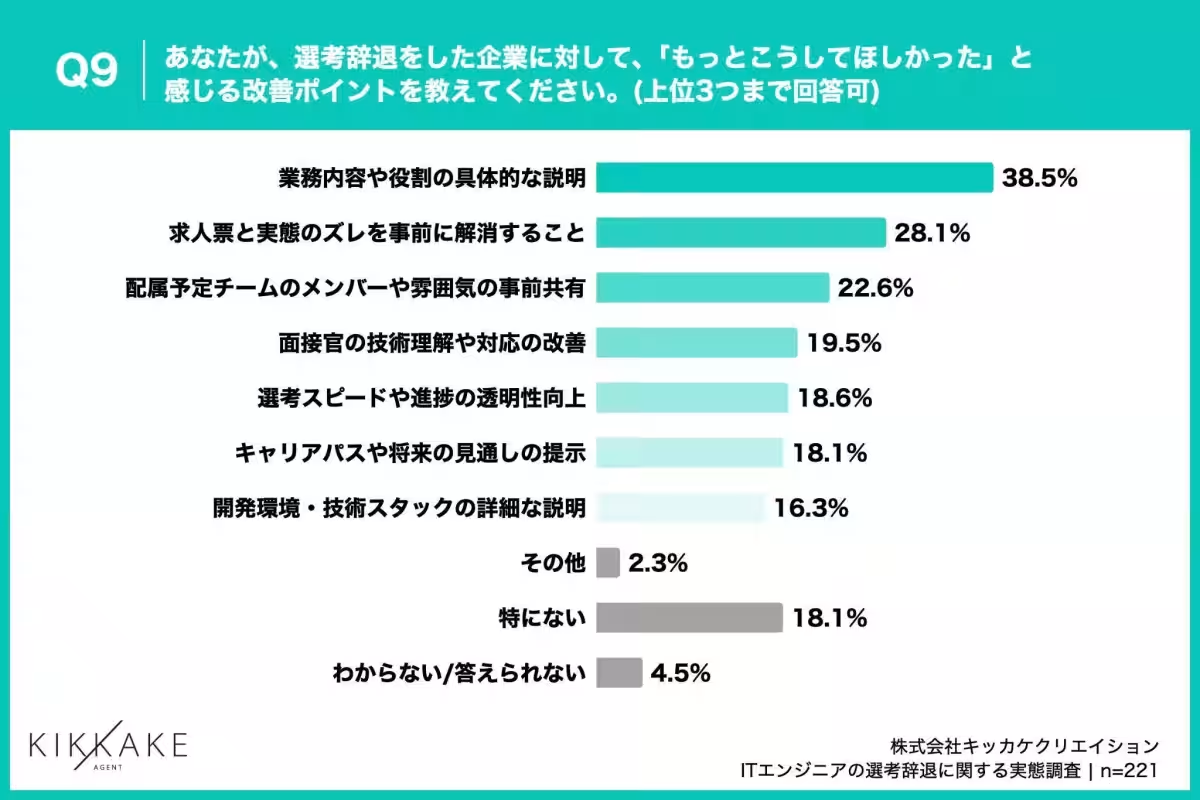
The survey results point toward a need for deeper transparency in the hiring process. Candidates expressed a strong desire for specific explanations regarding job roles and responsibilities, with 38.5% pinpointing this as a key area for improvement when interacting with potential employers. Additionally, 28.1% of respondents pointed out the importance of aligning job listings with actual conditions to avoid discrepancies post-application.
Withdrawal Reasons
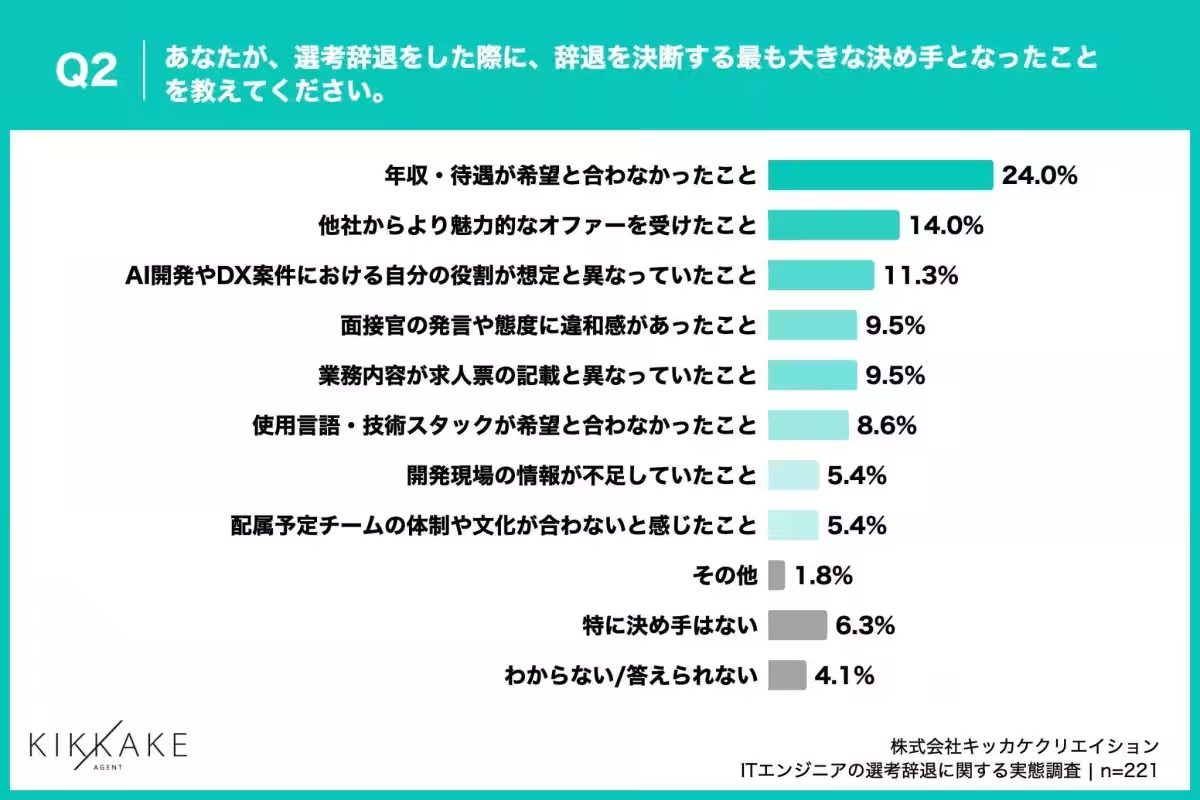
In analyzing the primary reasons behind withdrawals, the survey revealed that 24.0% of engineers cited salary and benefits mismatching their expectations as the leading factor. Other reasons included receiving a more enticing offer from another company (14.0%) and discrepancies in the anticipated role and actual job description (11.3%).
Despite these findings, only 26.8% reported being completely honest about their withdrawal reasons. For many, the pressure to maintain cordial relations prevented them from being fully candid, indicating a preference for superficial reasons when withdrawing.
Reviving Interest: The Role of Recovery Offers
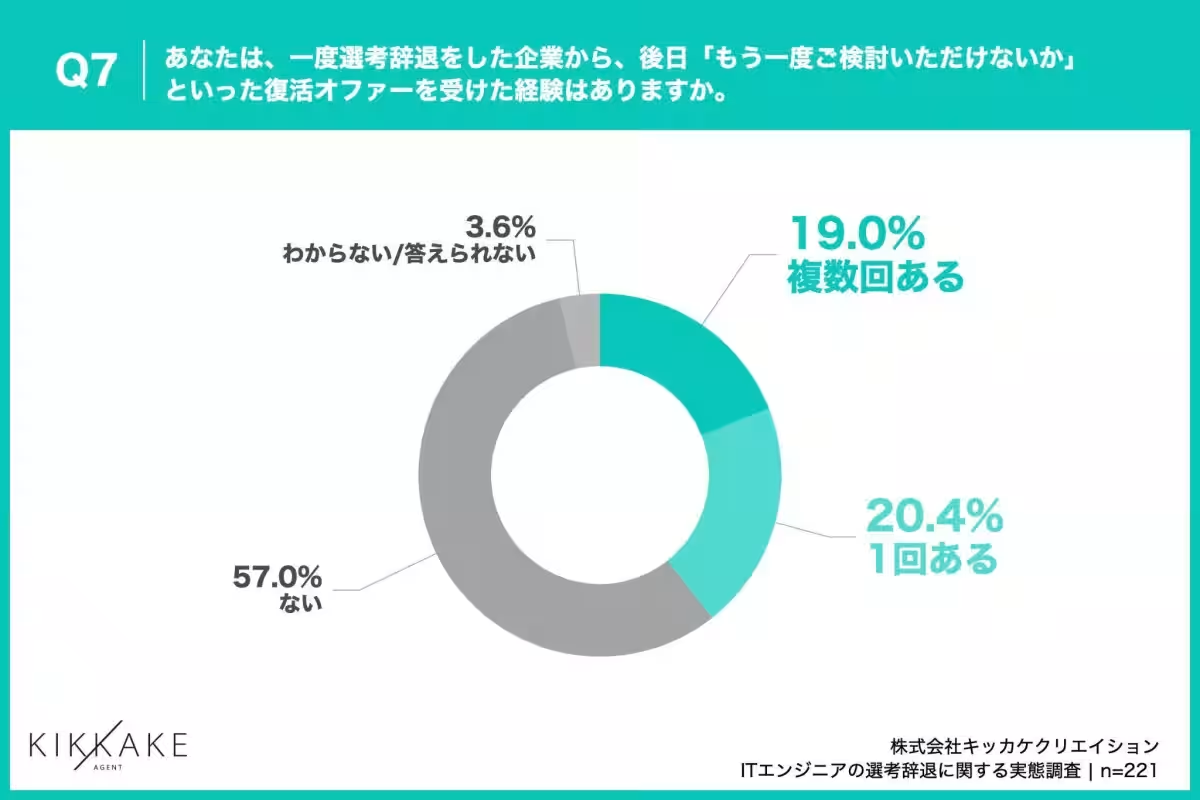
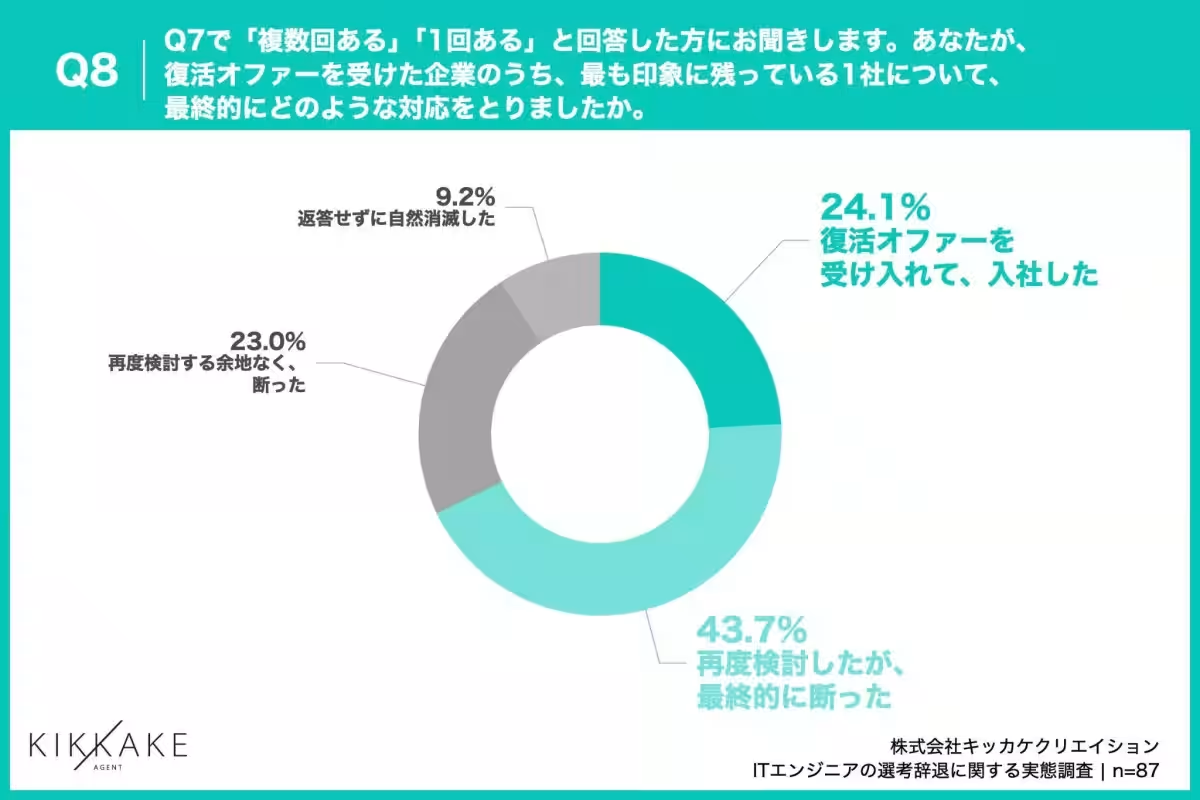
Interestingly, around 39.4% of surveyed engineers had received ‘revival offers’ from companies they once declined. Out of these, only 24.1% proceeded to eventually join the company, while 43.7% remained firm in their decision to decline. This percentage indicates that recovery efforts may not significantly bolster a company’s chances once an engineer has decided to withdraw.
Recommendations for Employers
As a response to the findings, employers should prioritize creating a more open dialogue during the interview process. This entails:
1. Providing detailed information regarding job roles and expectations.
2. Ensuring interviewers maintain a welcoming demeanor to mitigate any intimidation felt by candidates.
3. Encouraging honest and open conversation about the challenges and expectations tied to job positions.
Conclusion
The data gathered from IT engineers highlights critical areas in need of reform in the recruitment process. Employers who are willing to work on these identified issues could improve the retention of candidates throughout the selection process.
In conclusion, understanding and addressing the underlying reasons for job withdrawals can significantly contribute to a more transparent, efficient, and empathetic hiring experience for all parties involved. For more insights on this survey and its implications, please visit Kikkake Agent.
- ---

Topics Business Technology)

【About Using Articles】
You can freely use the title and article content by linking to the page where the article is posted.
※ Images cannot be used.
【About Links】
Links are free to use.