



MOL's Innovative Project for CO2 Removal in West Bengal, India
MOL's Innovative CO2 Removal Project in West Bengal, India
Mitsui O.S.K. Lines, Ltd. (MOL), under the leadership of President Jotaro Tamura, has taken a significant step towards achieving carbon neutrality by collaborating with India's Alt Carbon. The partnership revolves around an innovative CO2 removal technique known as 'Enhanced Weathering', utilizing basalt rock to facilitate the permanent capture of carbon dioxide (CO2). This initiative is part of the project named 'Darjeeling Revival: Alt × MOL', which signifies a pivotal move in sustainable practices within agriculture.
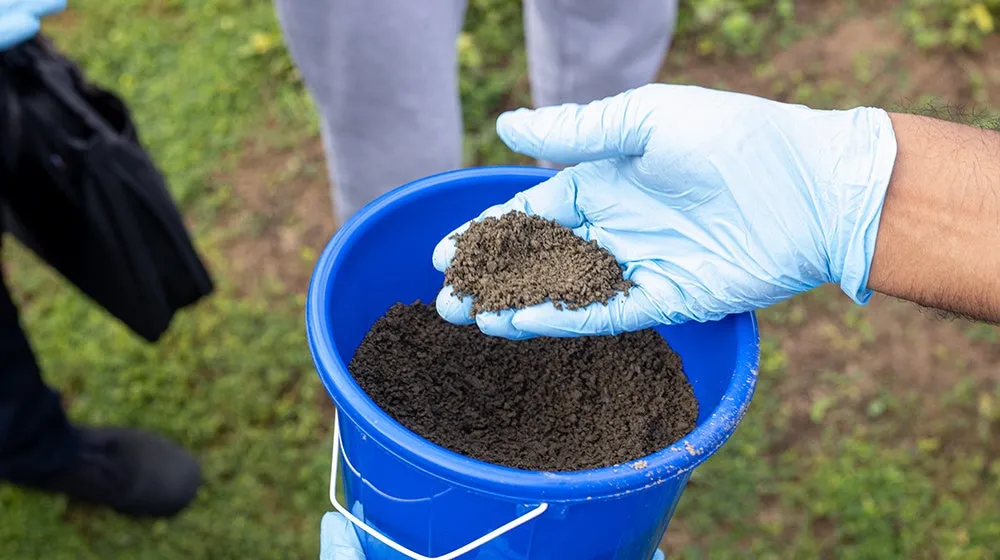
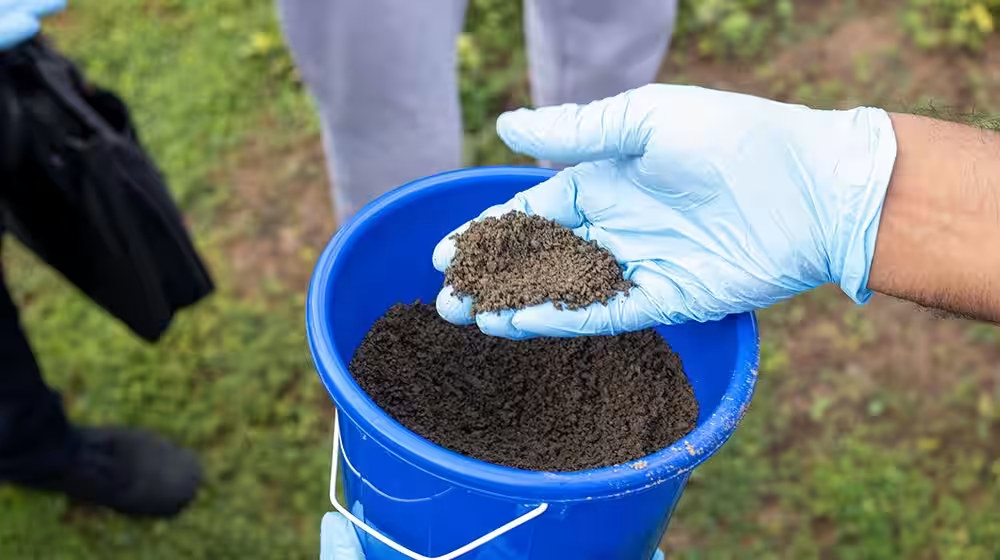
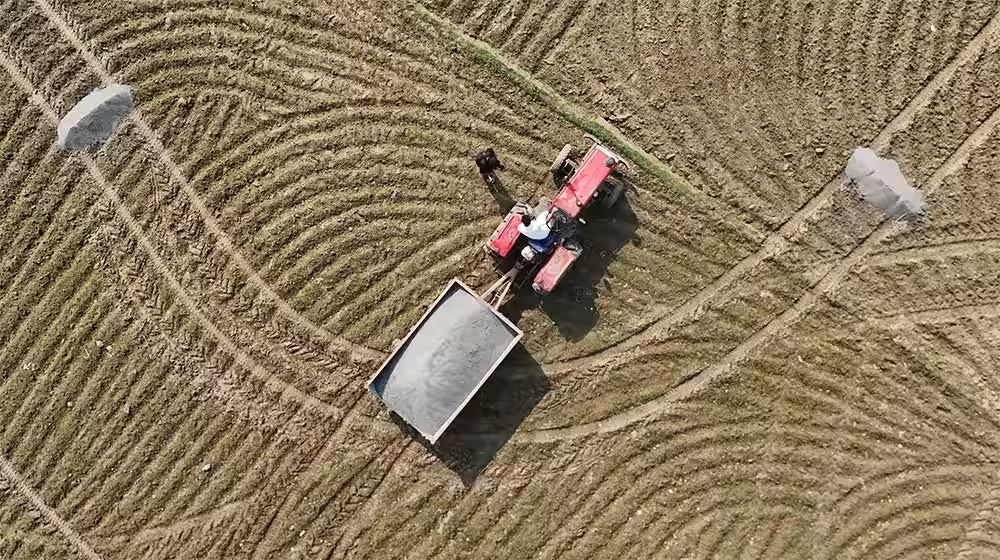
The project harnesses the potential of basalt powder, which is spread across farmlands and tea estates in the West Bengal region. The basalt undergoes a natural weathering process, effectively capturing CO2 from rainwater and converting it into stable carbonates that can reside in the ocean for over 10,000 years. This method offers not only a permanent solution for CO2 reduction but also positively impacts the local agricultural landscape by improving soil pH and nutrient supply, thereby enhancing productivity.
As part of this collaboration, MOL has been accredited with 2,500 tons of carbon removal credits, making it the largest of its kind in Asia. Furthermore, MOL plans to receive a total of 10,000 tons of carbon credits from Alt Carbon, marking a significant contribution to carbon credit generation and the broader social implementation of this technology.
The credits generated from this project are certified based on rigorous protocols laid out by Isometric, a leading organization in carbon credit verification. This ensures transparency throughout the carbon credit creation process, allowing for traceability and high reliability in the credits' environmental values and quality.
MOL has embraced a vision encapsulated in their 'Environmental Vision - BLUE ACTION 2035 Phase 2,' aiming for net-zero emissions by 2050. The successful implementation of this CO2 removal project is a crucial step toward fulfilling that goal. Coupled with initiatives such as fuel conversion and energy conservation, MOL is committed to expanding innovative carbon removal technologies and contributing to the realization of a sustainable society.
The partnership with Alt Carbon is not merely a business arrangement; it exemplifies a commitment to tackling climate change while promoting agricultural efficiency. Alt Carbon aims to remove 5 million tons of CO2 by the year 2030, integrating these solutions within their business model to enhance agricultural productivity and improve soil quality simultaneously. This is a promising avenue during a time when the urgency for sustainable practices has never been greater.
MOL's efforts highlight the intersection of innovative technology and environmental stewardship, demonstrating an exemplary model for other corporations aiming to affiliate themselves with ecological sustainability. Through the strategic implementation of such projects, industries can play a vital role in counteracting climate change, setting a benchmark for corporate responsibility.
As we look toward future initiatives, the success of projects like 'Darjeeling Revival' serves as a reminder of the collaborative effort needed across sectors and borders to make a lasting impact on our planet. Engagement in sustainable practices is not just an option; it is a necessity for ensuring a healthier environment for generations to come.
Topics Environment)
【About Using Articles】
You can freely use the title and article content by linking to the page where the article is posted.
※ Images cannot be used.
【About Links】
Links are free to use.