



Analysis of Wage Growth by Job Type in August 2025: Top Trends Revealed
Wage Growth Analysis: August 2025 Trends
As the job market evolves, understanding wage growth across various employment types becomes essential. Frog Company, a prominent player in providing recruitment data, has released its analysis on wage growth trends for August 2025, shedding light on significant developments in different employment categories.
Overview of the Analysis
The Ministry of Health, Labour and Welfare announced an increase in the nationwide minimum wage to 1,118 yen per hour, marking a substantial rise of 63 yen from the previous year, the highest increase on record. This provides a backdrop for analyzing wage growth in various employment types, including part-time, temporary, and full-time positions.
Frog Company collected and analyzed job posting data from nine major recruitment media platforms, categorizing them based on employment type:
- - Part-time and Temp Jobs: e-Aidem, Baitoru, Mynavi Baito
- - Temp Workers: Hatarako.net, En Haken
- - Full-time Jobs: Doda, Type, En Tenshoku, Mynavi Tenshoku
This comprehensive study aims to highlight how wages have fluctuated across industries, offering valuable insights for job seekers and employers alike.
Key Findings: Wage Growth by Employment Type
Part-time Employment
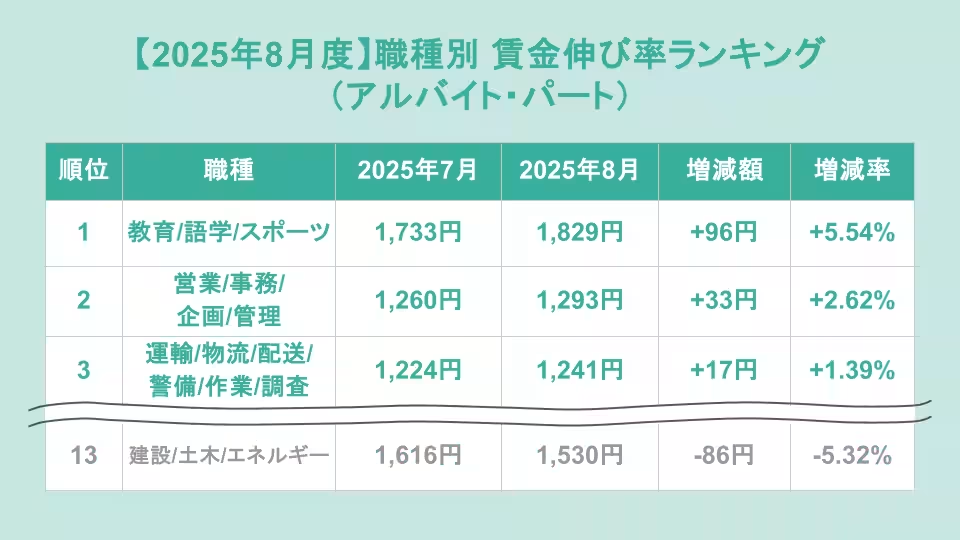
The wage growth rate for part-time jobs in August showed a wide range, from a decrease of 5.32% to an increase of 5.54%. Leading the chart, the education/language/sports sector saw impressive growth of 5.54%, translating to an increase of 96 yen per hour. The second and third places went to sales/office/planning (2.62%) and transportation/logistics/security (1.39%), respectively.
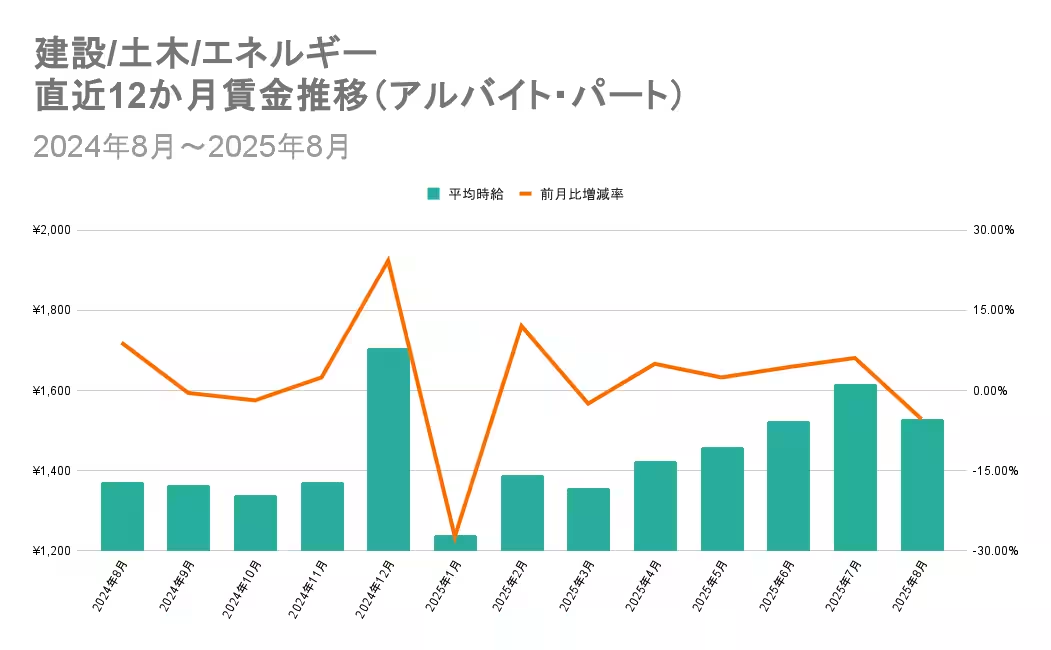
In stark contrast, the construction/civil engineering/energy sector faced declines, with wages decreasing by 86 yen, equivalent to a 5.32% drop.
Comparison of Wage Trends
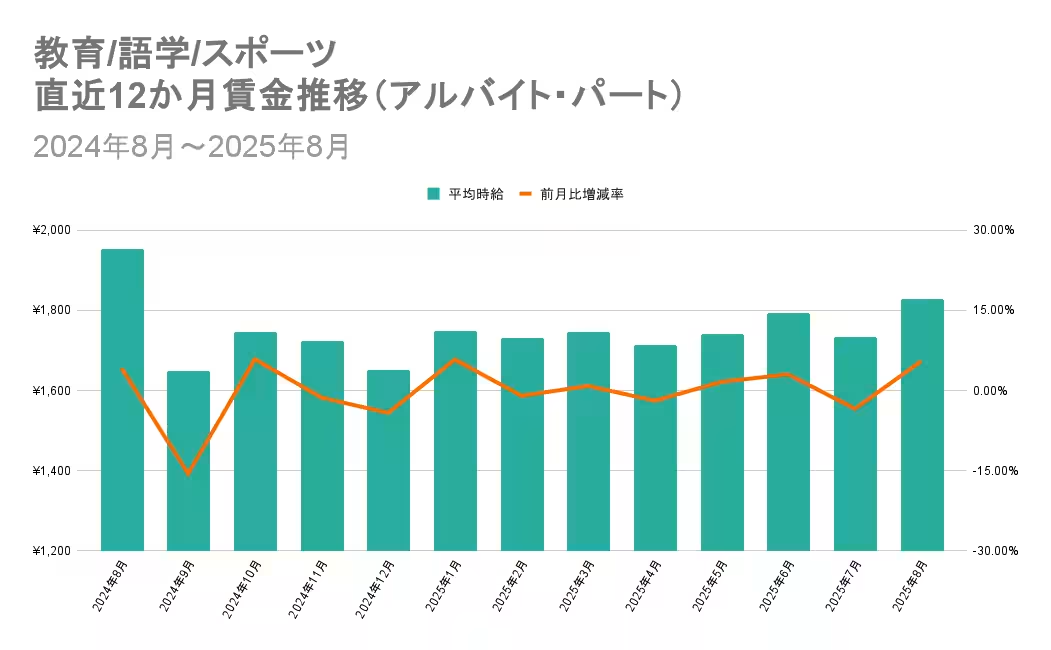
For instance, in the past 12 months, the education/language/sports sector peaked at 1,954 yen in August 2024, but subsequently dropped due to fewer job listings in line with seasonal demand. However, average hourly wages bolstered again ahead of examination season, indicating a recurring trend.
On the other hand, the construction sector experienced massive job listings in late 2024, pushing wages up significantly; yet, a decline followed as listings dwindled prior to August 2025.
Temporary Employment
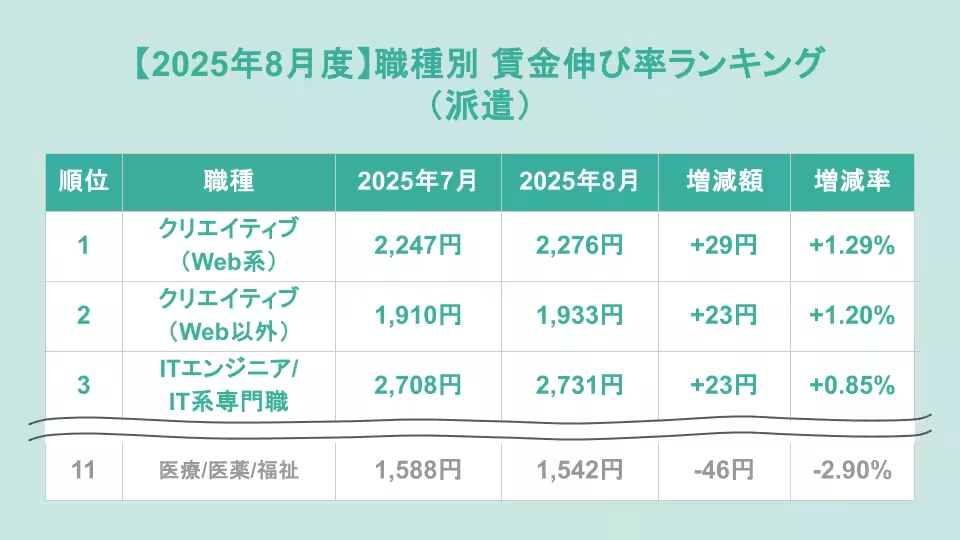
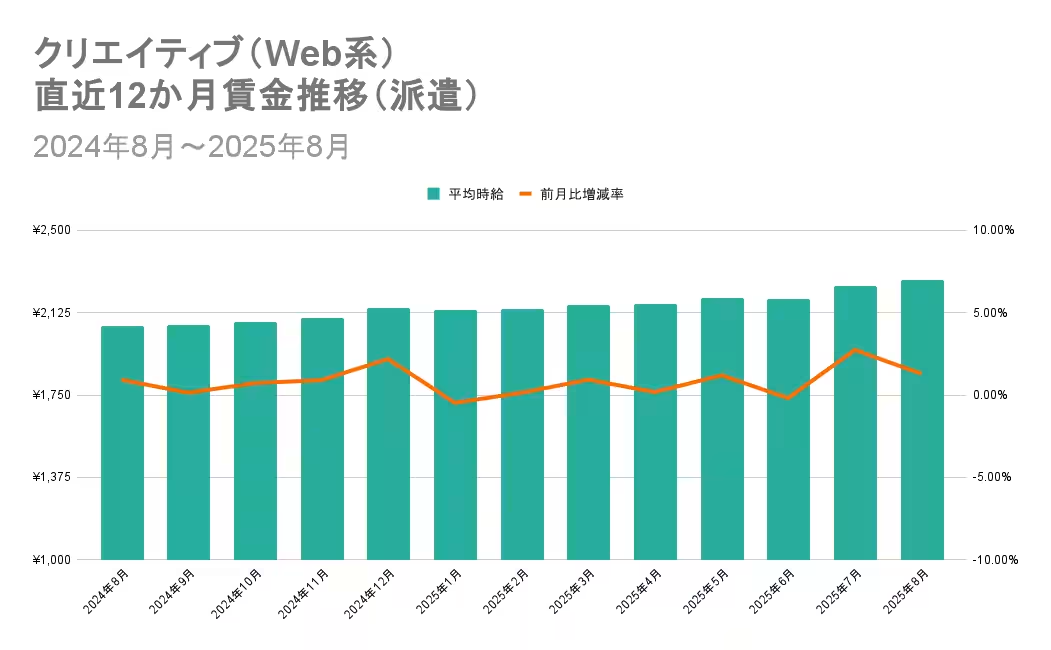
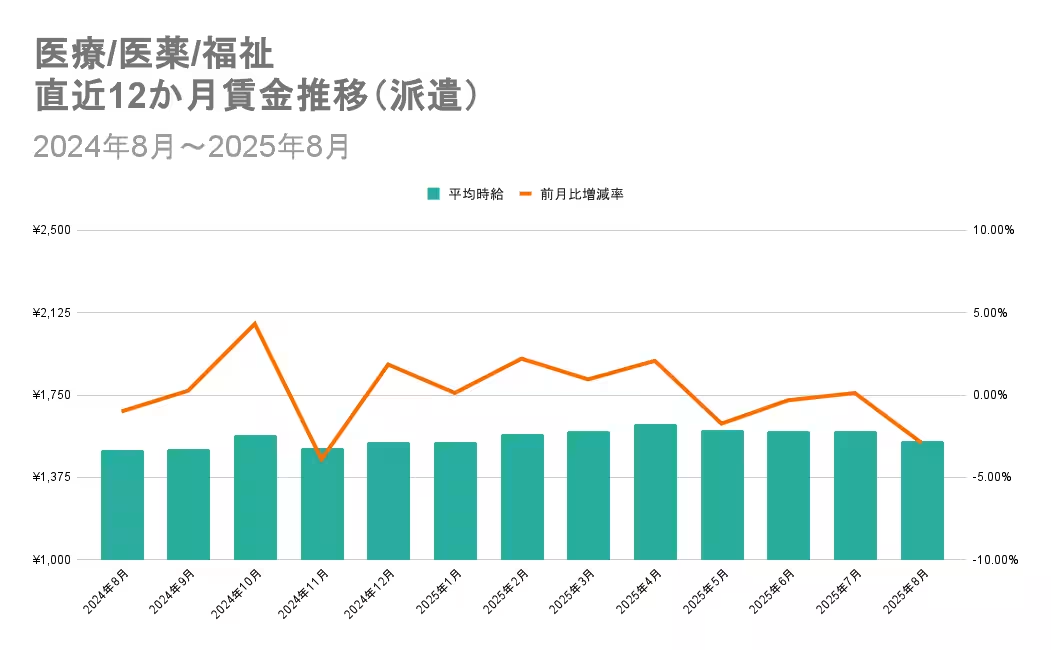
In the case of temp jobs, the creative sector (web) recorded a robust increase of 1.29%. Following this, non-web creative roles gained 1.20%, while IT engineering positions saw a modest rise of 0.85%. A worrying trend was observed in the medical/pharmaceutical/welfare sector, which suffered a 2.90% decrease in wages.
Full-time Employment
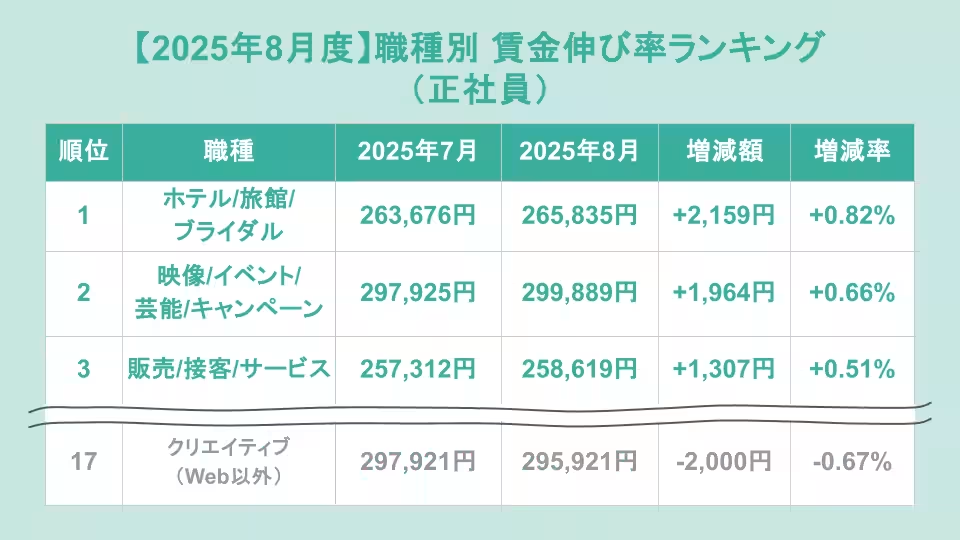
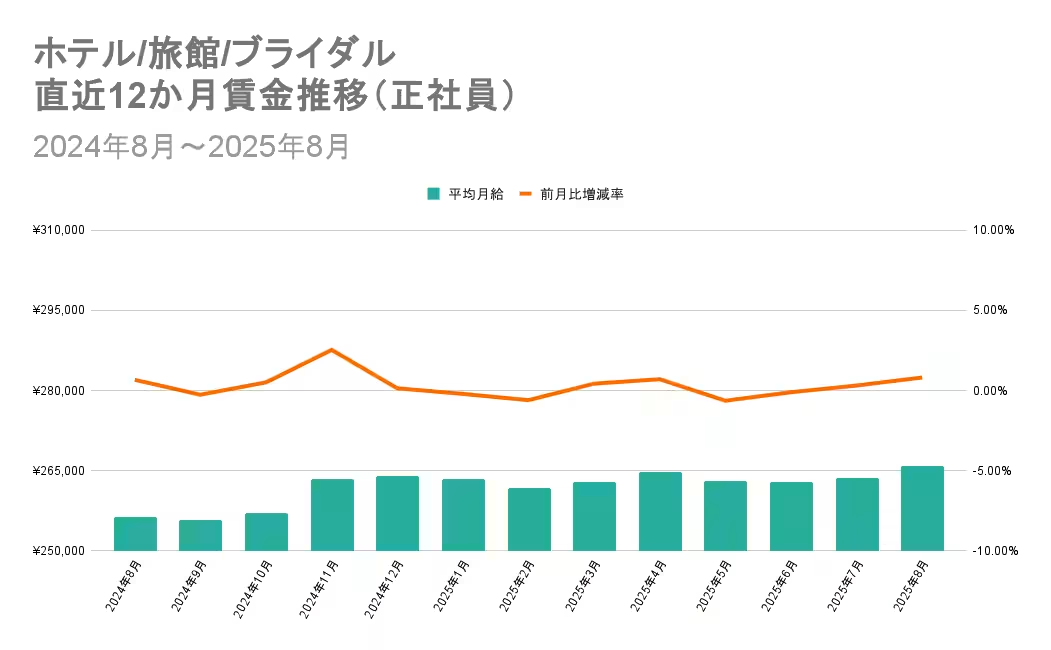
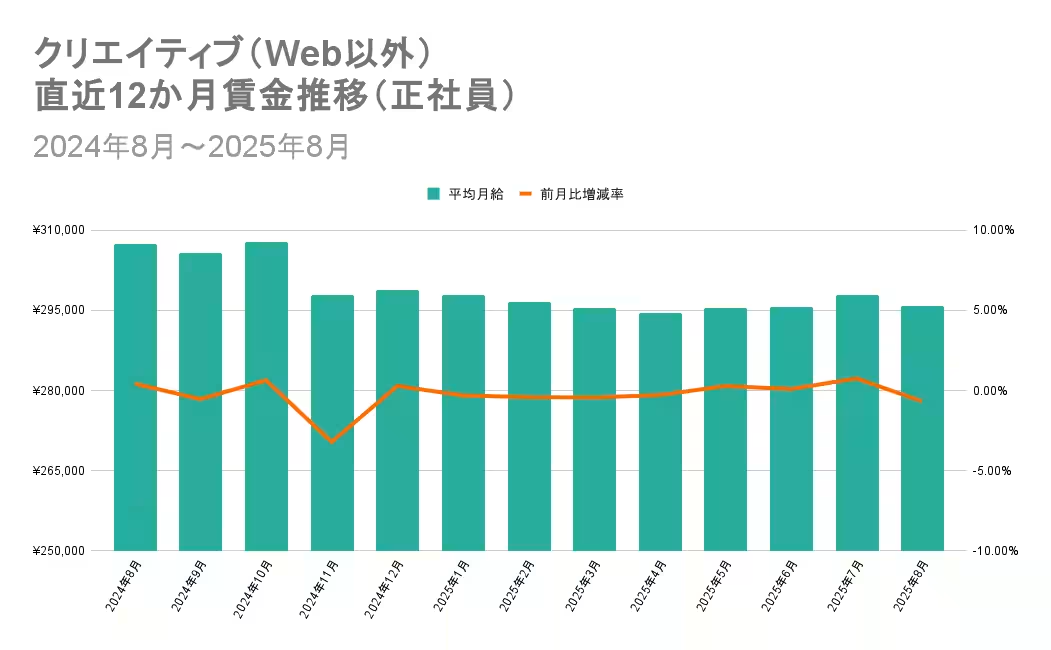
Analyzing full-time wages reveals that the hotel/wedding/event sectors topped the list with a notable increase of 2,159 yen per month, roughly 0.82%. The media, entertainment, and sales sectors followed closely. Conversely, non-web creative roles significantly decreased, marking a worrying decline of 2,000 yen or 0.67%.
Position Trends and Fluctuations
The hotel and wedding sectors maintained stability after considerable monthly wage growth in late 2024. In contrast, non-web creative roles faced a surplus in low-paying job listings, reducing their average salary significantly over time.
Conclusion
The compilation and analysis of recruitment data have revealed divergent trends in wage growth across various employment types. The education sector holds substantial potential, while familiar sectors like construction face challenges ahead. Understanding these trends not only aids in navigating the job market but also fosters informed decisions for both job seekers and employers.
This analysis by Frog Company signifies crucial data points for stakeholders aiming to decipher the dynamics of Japan's hiring landscape in 2025.
About Frog Company
Founded in 2021, Frog Company specializes in big data related to recruitment, offering extensive insights gathered from over 40 billion job postings across Japan. It serves as a critical resource for human resources professionals and recruitment stakeholders seeking to assess and adapt to market fluctuations efficiently.
Topics Business Technology)

【About Using Articles】
You can freely use the title and article content by linking to the page where the article is posted.
※ Images cannot be used.
【About Links】
Links are free to use.