



Understanding Summer Skin Issues: The Impact of Air Conditioning on Our Skin Health
Understanding Summer Skin Issues: The Impact of Air Conditioning on Our Skin Health
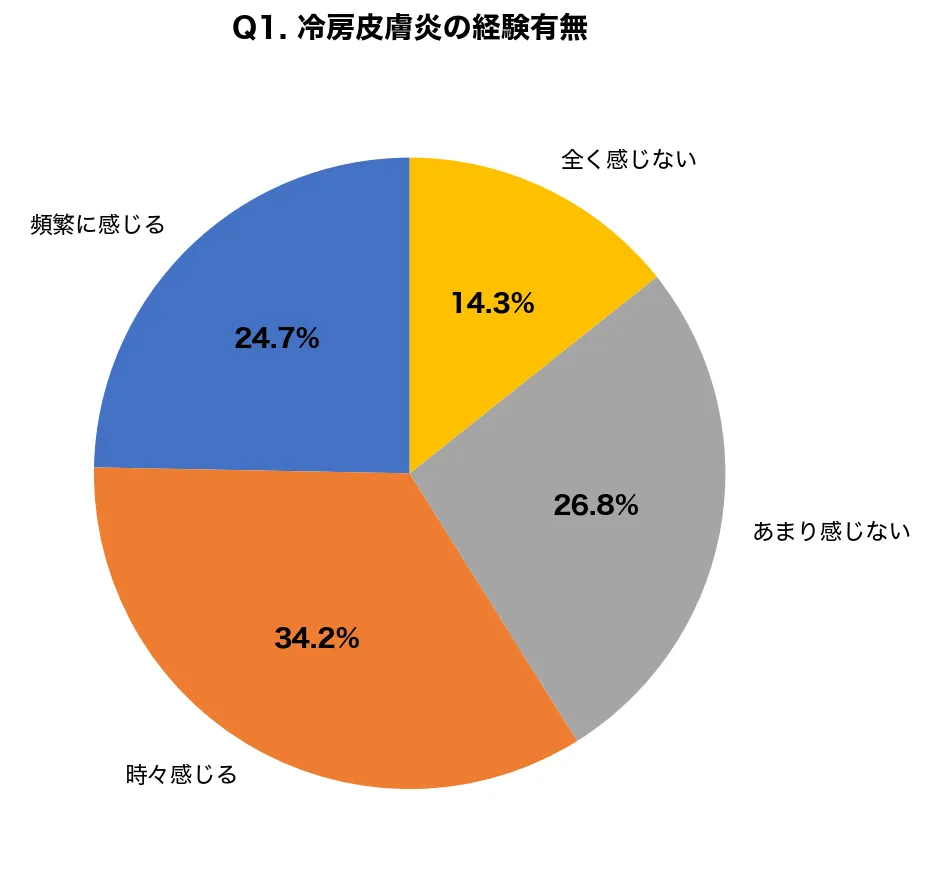
As the summer heat rolls in, air conditioning becomes a staple in offices and homes. However, while it keeps us cool, this seemingly small comfort can lead to significant skin issues that many are unaware of. A recent study indicates that an astonishing 58.9% of office workers have experienced symptoms of dry skin attributed to air conditioning, resulting in a condition known as "cooling dermatitis."
The Study: A Closer Look
The research, spearheaded by the IC Clinic, involved 300 participants ranging from their twenties to fifties, highlighting a common yet often neglected summer problem. The study revealed that 67.8% of office workers in administrative roles faced significant skin dryness, directly linked to prolonged exposure to air conditioning. As air conditioning operates, it can drop indoor humidity levels below 40%, causing the skin's moisture levels to plummet.
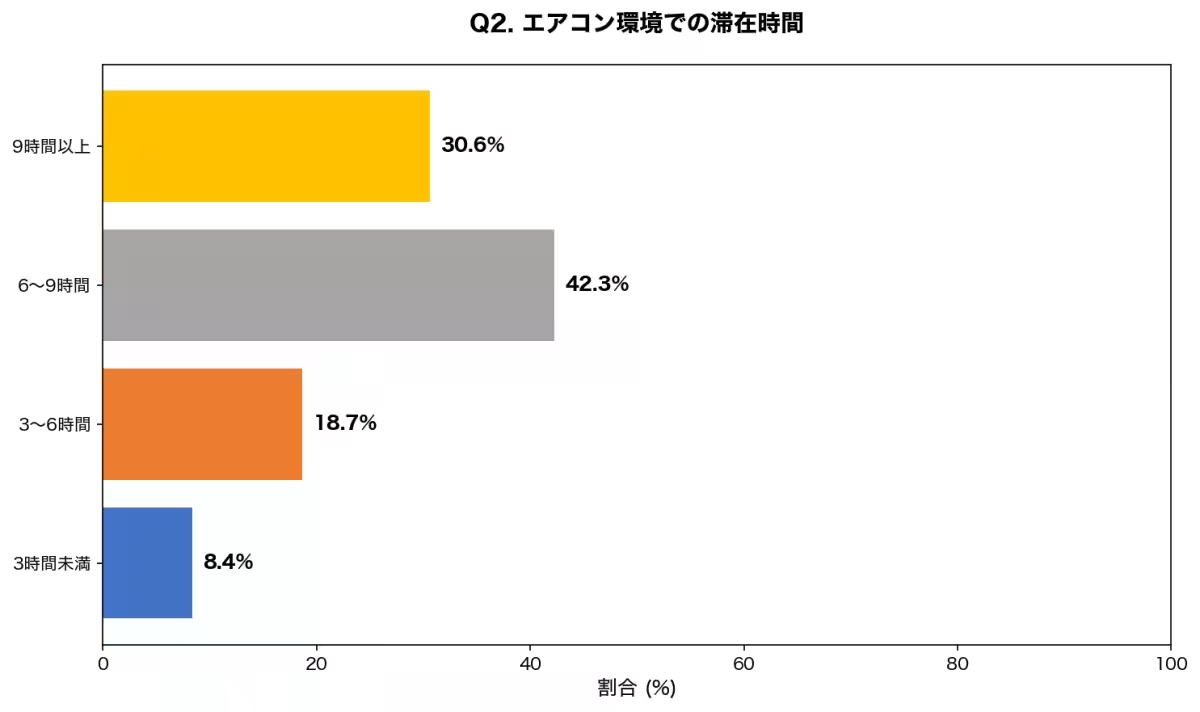
To paint a clearer picture, the study found that those exposing themselves to air conditioning for more than six hours a day are 2.3 times more likely to experience skin troubles compared to those who spend less than three hours in such an environment.
What's Cooling Dermatitis?
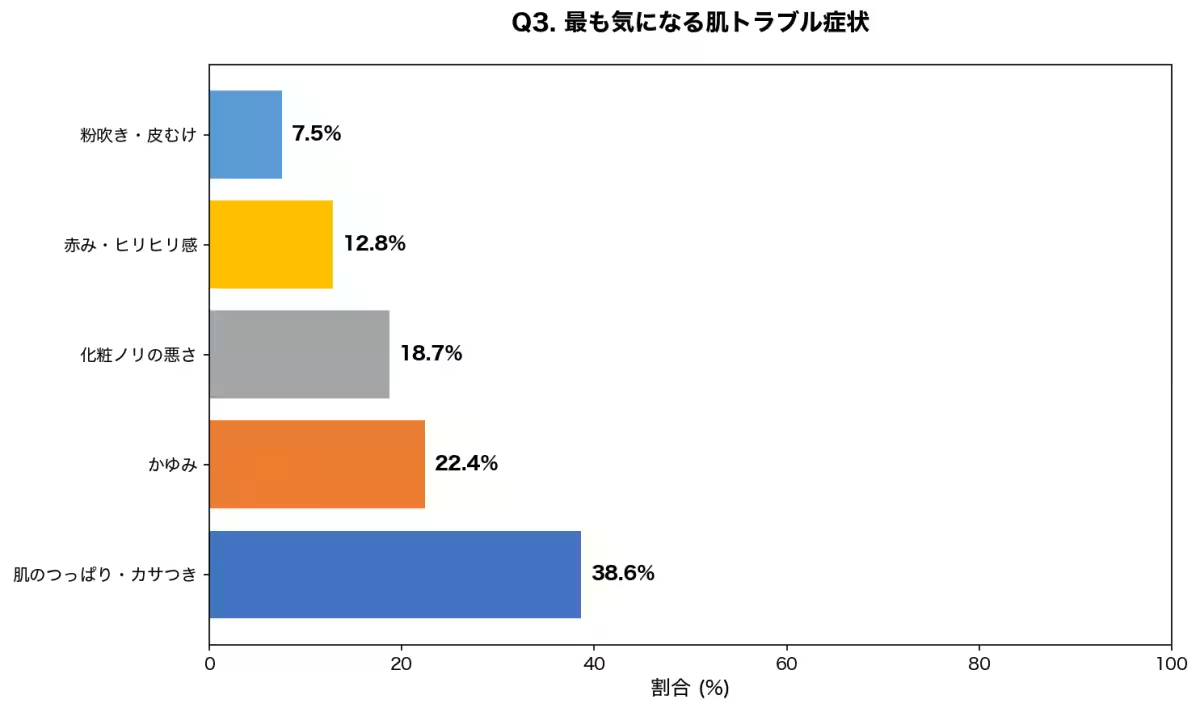
Cooling dermatitis refers to a set of skin problems stemming from the harsh environment created by air conditioning. Symptoms can include dryness, itchiness, flakiness, and a burning sensation. Medical experts categorize this condition under “environmental dry dermatitis.” It is crucial to distinguish this condition from “internal dry skin,” which also manifests in oily skin with inadequate moisture levels beneath the surface, leading to a confusing and challenging skincare situation.
The Impact of Low Humidity
Humidity levels below 40% can wreak havoc on skin health, as the study noted. Spending just eight hours in such conditions can lead to a 32.4% decrease in skin moisture levels. This rapid dehydration not only impacts aesthetics but can also weaken the skin's barrier function, making it more vulnerable to irritation and other skin diseases, including eczema.
The Mechanism Behind Cooling Dermatitis
Three primary factors contribute to the onset of cooling dermatitis:
1. Dehydration from Air Conditioning: The cooling mechanism of air conditioning reduces humidity, rapidly pulling moisture from the skin.
2. Direct Cold Air Exposure: Air blowing directly onto the skin exacerbates dryness.
3. Temperature Fluctuations: Frequent transitioning between cool indoor climates and the hot outdoor environment may disrupt the autonomic nervous system, leading to skin and oil balance issues.
Basic Solutions
Dermatologists recommend implementing basic yet effective solutions to combat cooling dermatitis, including:
- - Frequent Moisturization: Applying a ceramide-based moisturizer three to four times a day, particularly after meals, can greatly improve hydration levels.
- - Hydration: Consuming at least 1.5 liters of water daily promotes overall skin hydration from within.
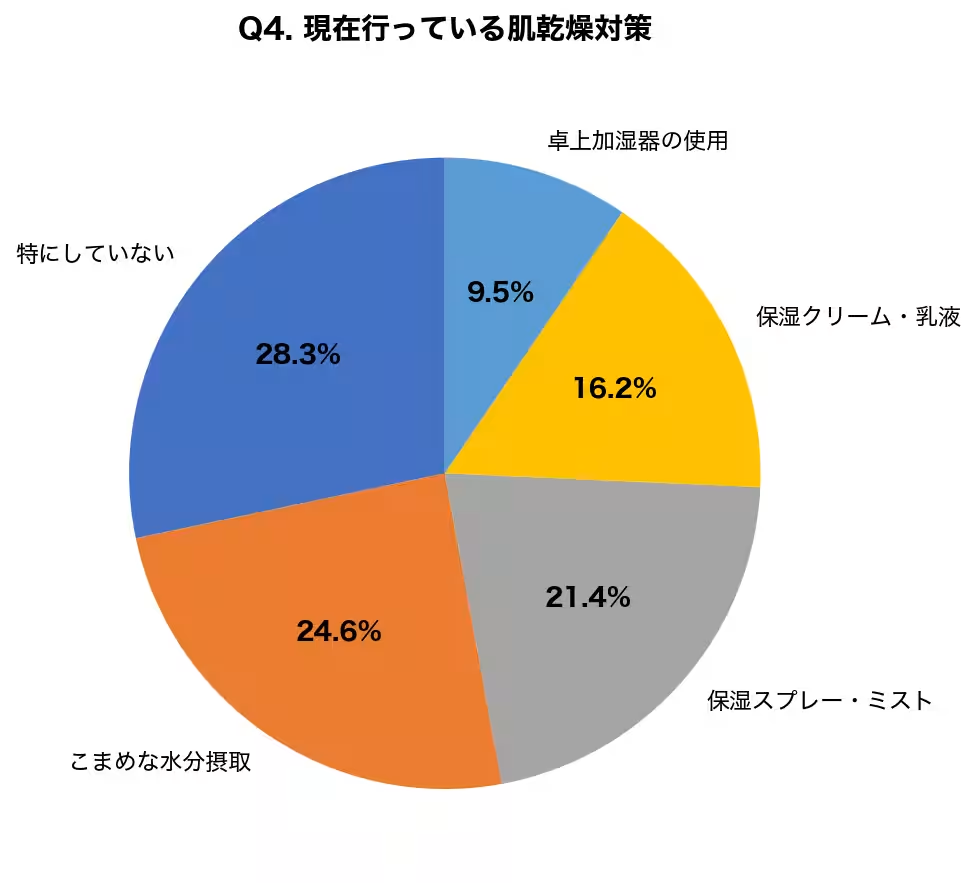
- - Desk Arrangement: Adjusting workspace to avoid direct air conditioning exposure can greatly alleviate symptoms.
If symptoms persist beyond two weeks despite these interventions, medical attention should be sought to rule out potential dermatitis or other severe skin conditions.
Reflecting on Awareness
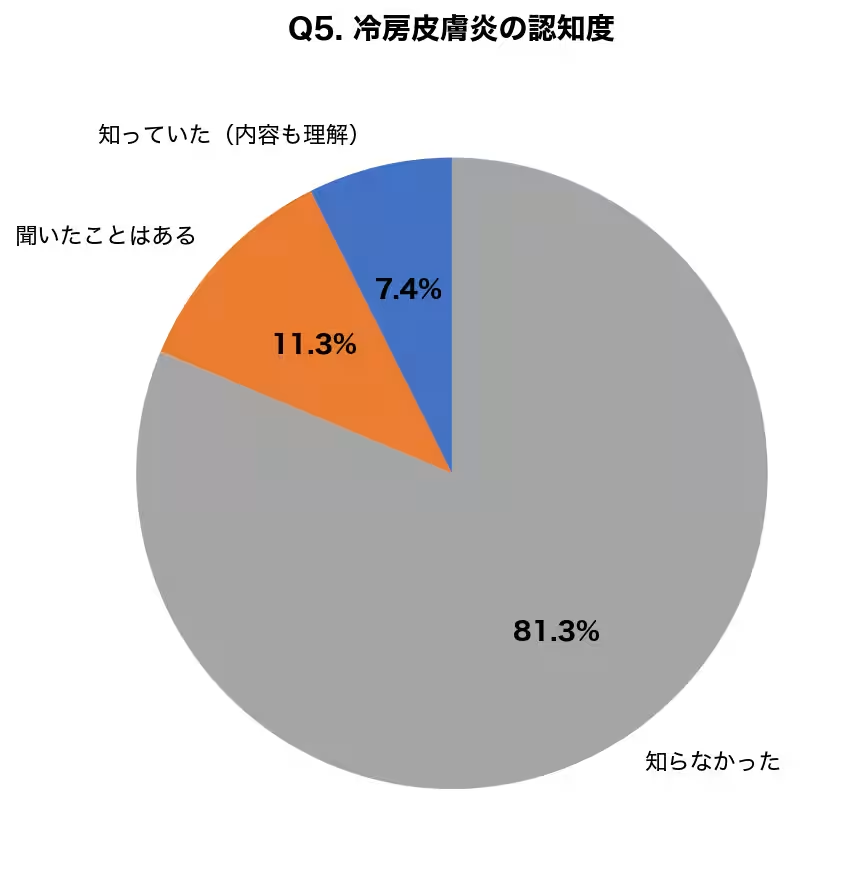
Despite the significant numbers, the awareness of cooling dermatitis remains shockingly low—only 18.7% of the participants recognized the term. This highlights a pressing need for education on the impact of air conditioning on skin health and the potential steps to alleviate its effects.
Conclusion
In conclusion, while air conditioning provides relief from the sweltering summer heat, it brings challenges particularly pertinent to skin health. With proper education and awareness, along with strategic prevention methods, workers can mitigate the adverse effects of these cooling systems. The solutions outlined, paired with continuous dermatological care, empower individuals to maintain healthier skin throughout the summer months. If you're among the 58.9% suffering from these issues, consider revising your skincare routine and addressing this pervasive problem head-on.
Topics Health)
【About Using Articles】
You can freely use the title and article content by linking to the page where the article is posted.
※ Images cannot be used.
【About Links】
Links are free to use.