



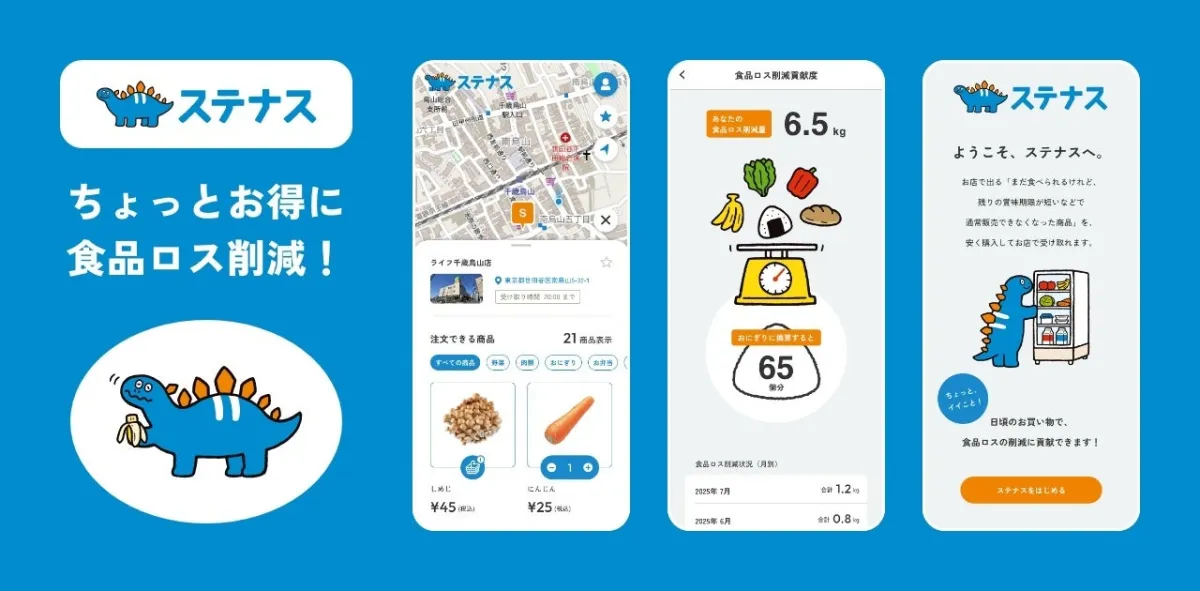
Nessu Launches 'Stenas' to Combat Food Waste with Retail Partners
Nessu's Innovative 'Stenas' Platform Combats Food Waste and Child Poverty
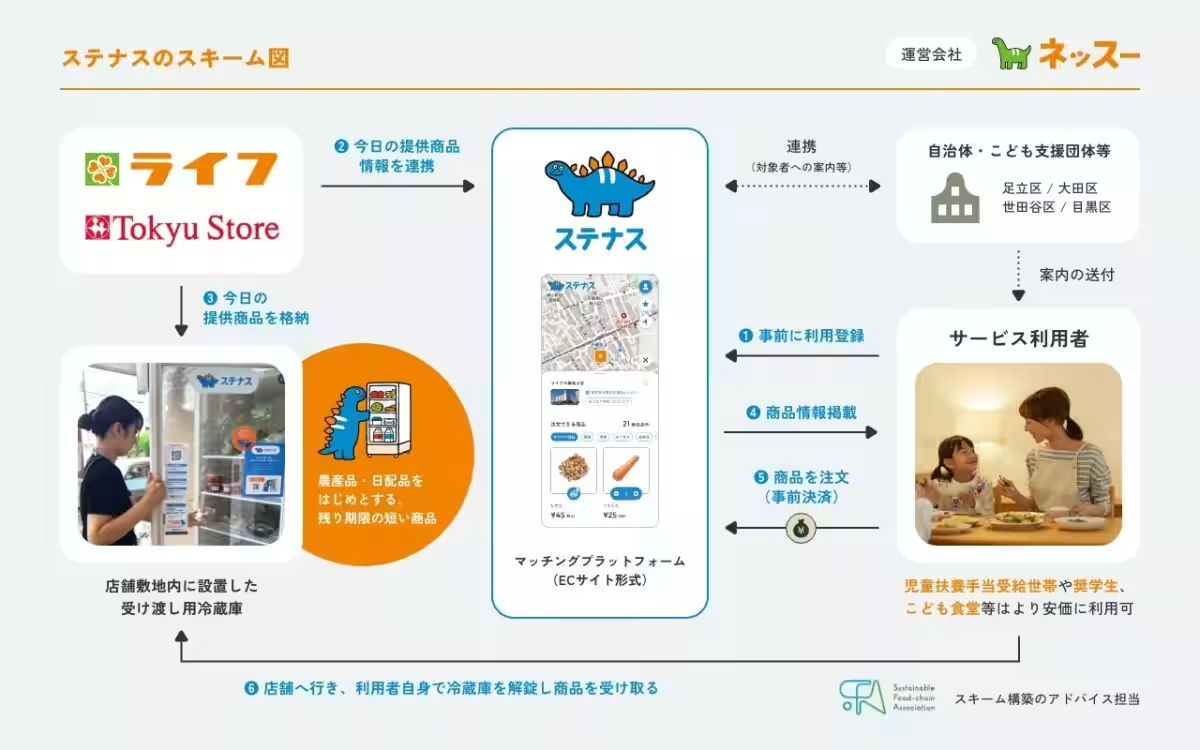
In a remarkable initiative aimed at reducing food waste while addressing child poverty, Nessu Co., Ltd. has partnered with Lifecorp and Tokyu Store to launch a pilot program for their innovative food matching platform dubbed 'Stenas.' This initiative is set to commence in October, coinciding with the Food Loss Reduction Month in Japan. The Stenas platform seeks to connect consumers from single-parent households, scholarship-receiving students, and organizations like children's cafeterias with nutritious food that supermarkets can no longer sell due to aesthetic imperfections or expiration dates.
Understanding Stenas
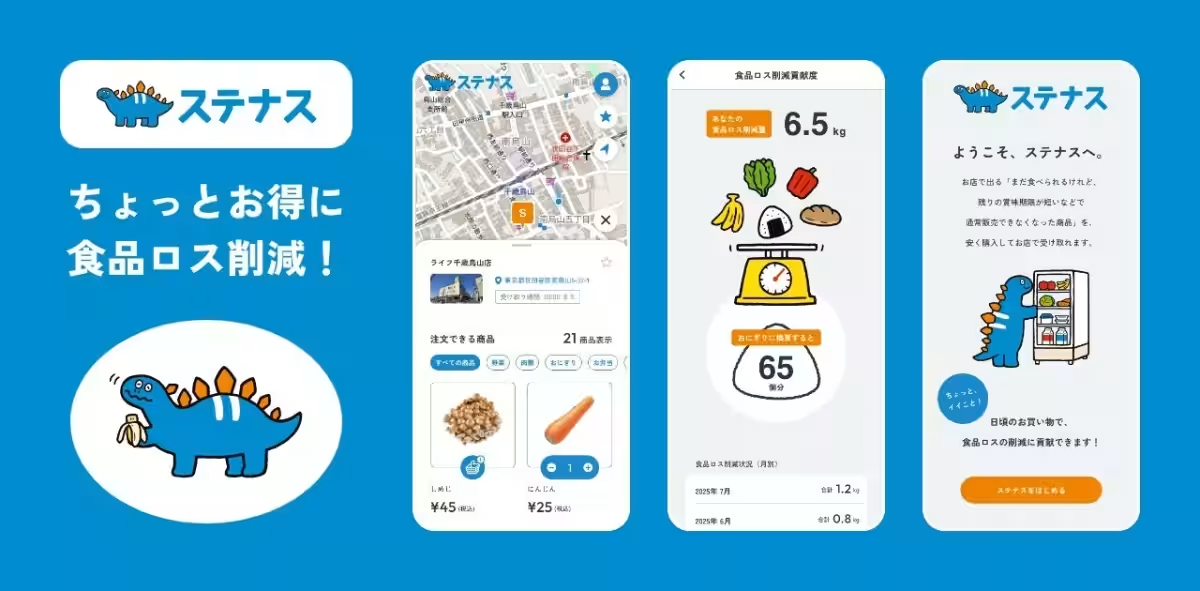
The goal of Stenas is to facilitate real-time matching of unsellable but still consumable fresh and daily products to those in need. Users of the platform can purchase these items at discounted prices and pick them up from designated refrigerated units within participating stores. By enhancing the accessibility of food to families facing challenges, this initiative addresses two pressing societal issues simultaneously: food waste in supermarkets and support for underprivileged households.
The term 'Stenas' is cleverly derived from the Japanese words for 'not throwing away' (捨てない) and 'saurus,' creating a friendly persona that resonates with the aim of promoting participation in food waste reduction efforts.
Addressing Food Waste Challenges
Traditionally, many supermarkets have engaged in charitable donations of unsellable food through administrative channels. However, this method often delays the delivery of food to those who need it most, particularly when it comes to perishable items. As a result, donations have typically been limited to processed food items, which have a longer shelf life. The Stenas experiment intends to establish a more effective structure capable of delivering fresh food products swiftly to people who require them, thus reducing food waste even among perishables.
Details of the Stenas Pilot Program
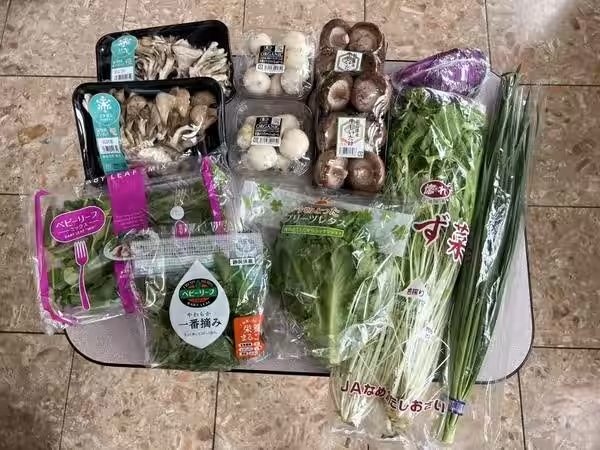
The pilot program will be conducted in specific Lifecorp outlets, namely, the Bamboo Tsuka store, Chitose Karasuyama store, and Nishikamata store, as well as the Tokyu Store in Nakameguro. The selection of available products includes a variety of fresh produce, daily essentials, seafood, meat products, and in-store baked goods, although some items may vary by location.
The pilot will run from October 6 to November 30, during which customers can conveniently place orders through a dedicated site after registering as members. The available hours for ordering and pick-up will be from 12 PM to 8 PM.
This project is recognized as part of the Ministry of the Environment's '2022 Food Consumption Behavioral Measures for Food Waste Reduction' initiative, indicating its significant relevance in addressing food sustainability issues.
About Nessu and Its Partners
Nessu Co., Ltd. was founded on June 10, 2022, with a mission to eradicate inequality in opportunities for children based on their circumstances. They aim to create a nurturing society where no child suffers from disparities in food and experiences through collaborations across various sectors. More information can be found at Nessu's website.
Lifecorp Co., Ltd., established in October 1956, operates a network of supermarkets throughout Tokyo, focusing on providing high-quality food products to the community. Learn more at Lifecorp's website.
Tokyu Store Co., Ltd., also launched in October 1956, stands as another prominent supermarket chain in Tokyo offering diverse purchasing options for customers. Detailed information is available at Tokyu Store's website.
Finally, the Sustainable Food Chain Council works as a consortium focusing on solving sustainability challenges in the food supply chain, which includes reducing food waste. They support collaboration between specialists and various organizations to find lasting solutions. For further details, visit their website.
Conclusion
Nessu's Stenas platform represents a significant step toward building a more sustainable society by not only minimizing food waste but also improving the lives of those facing economic hardships. As this pilot program unfolds, it will be pivotal in shaping the landscape of food distribution and welfare in Japan.





Topics Consumer Products & Retail)
【About Using Articles】
You can freely use the title and article content by linking to the page where the article is posted.
※ Images cannot be used.
【About Links】
Links are free to use.