



Exploring the Demand for Approval in Marriage: Insights from Recent Research
Understanding the Dynamics of Approval Seeking in Unmarried and Married Individuals
A recent survey conducted by Naresome Research has shed light on the complex nature of approval-seeking behavior among various life stages. The study included responses from 471 adults, examining the desire for validation and how it differs between unmarried and married individuals. According to their findings, the need for approval can vary significantly depending on one's marital status rather than solely on gender.
The Study's Insights
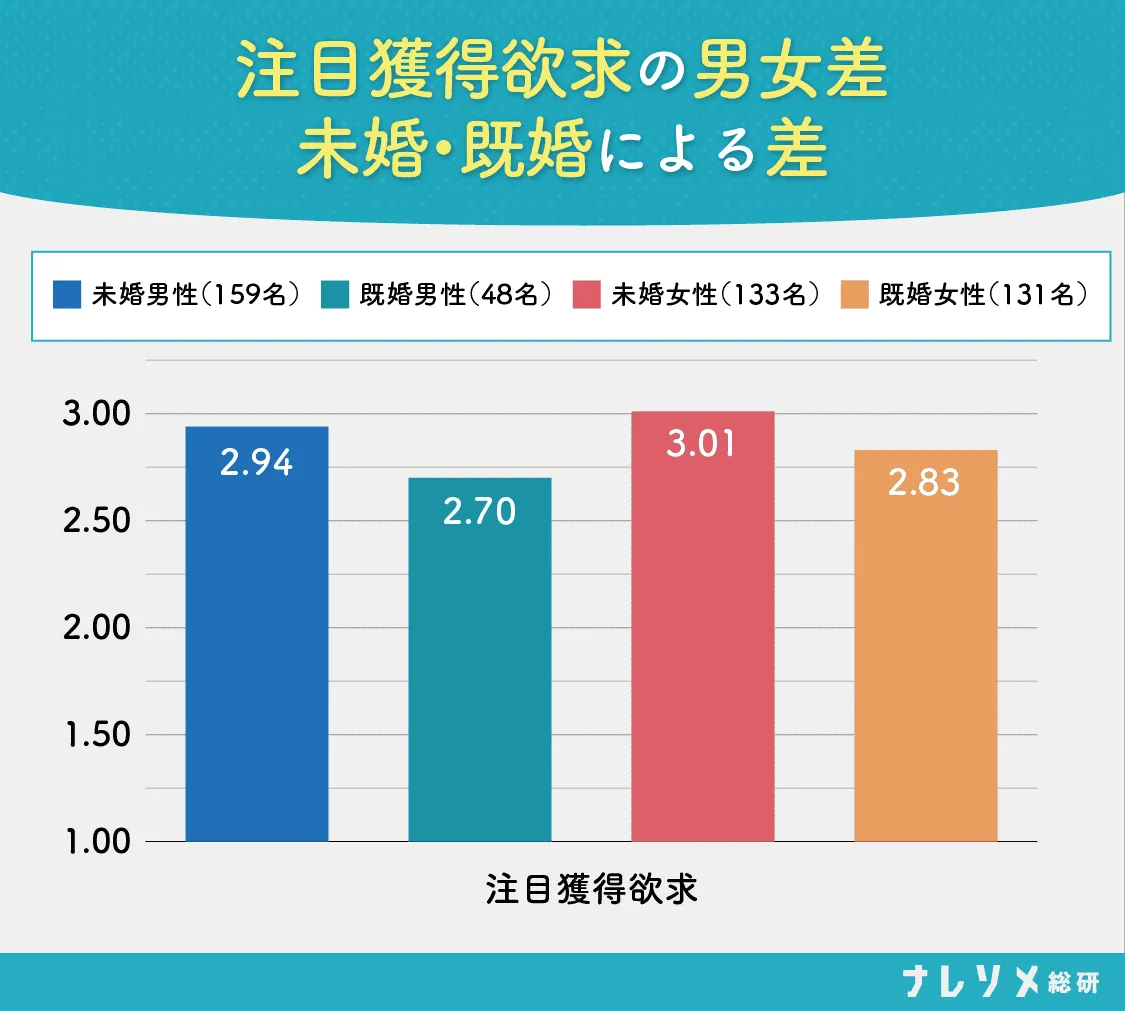
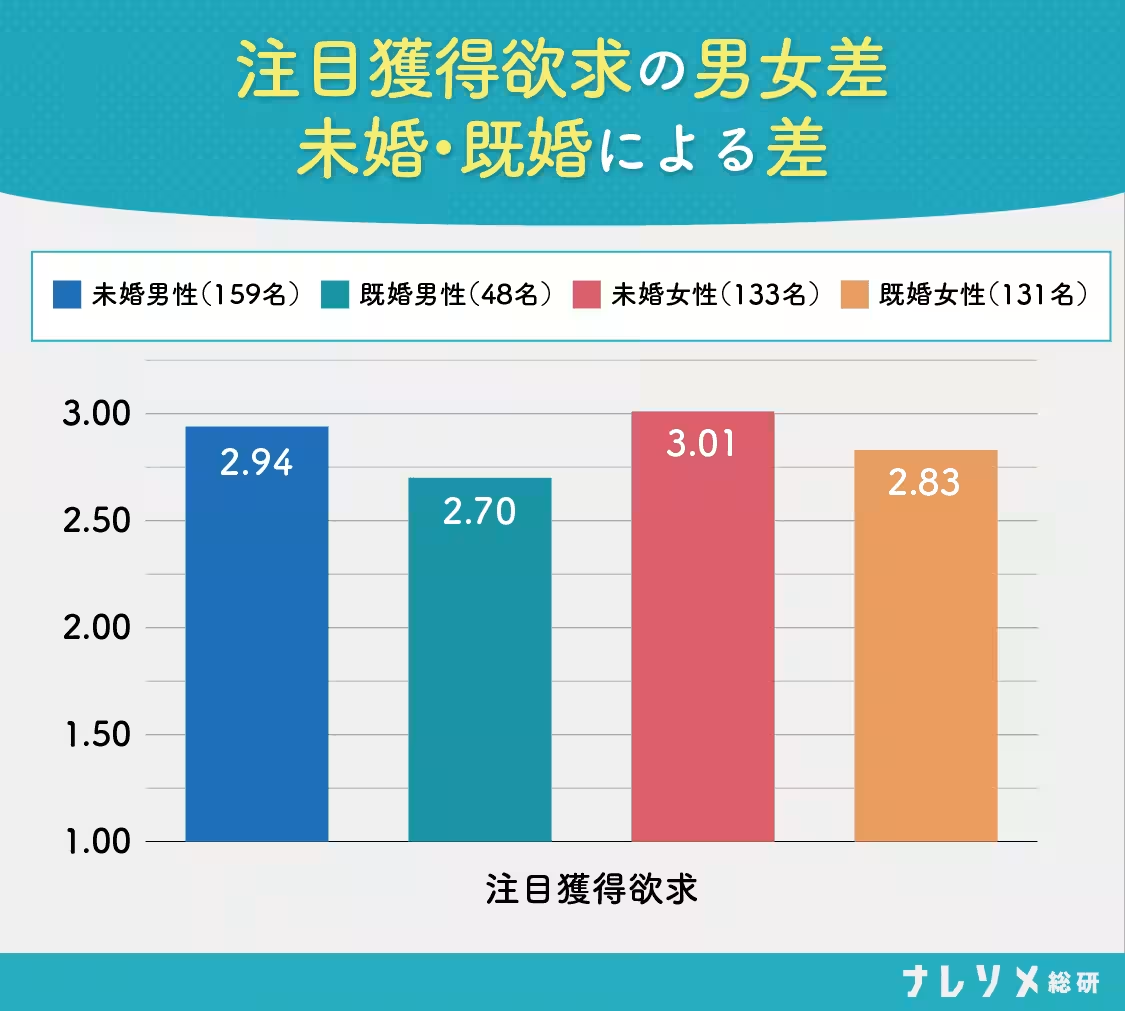
The survey asked participants about their intrinsic desires, particularly focusing on their need to attract attention and their self-presentation. Interestingly, the results indicated that unmarried women had the highest desire for approval at 3.01 on a scale, while married men showed the lowest at 2.70. Additionally, the discrepancy in approval-seeking behavior between unmarried and married men was notably more pronounced than the differences observed between unmarried men and women, highlighting that marital status plays a more critical role in these psychological attributes.
Differences in Approval Seeking By Gender and Marital Status
Among the respondents, a total of 207 men (159 unmarried and 48 married) and 264 women (133 unmarried and 131 married) participated. The survey found that while unmarried men and women had a marginal difference of 0.07 in their approval-seeking scores, the difference between unmarried and married men was much more significant at 0.24. This insight suggests that having a committed partner may alleviate the desire for broad social approval, potentially leading to a calmer and more secure self-image within the marriage.
Shifting from the Battle for Evaluation to Comfort in Relationships
The findings imply that during the single years, individuals often feel compelled to project an attractive self-image to be chosen by potential partners, resulting in heightened pressure and performance anxiety. However, post-marriage, individuals tend to shift their focus from gaining approval from the masses to finding contentment and security within familial and marital ties, reinforcing a sense of belonging and identity.
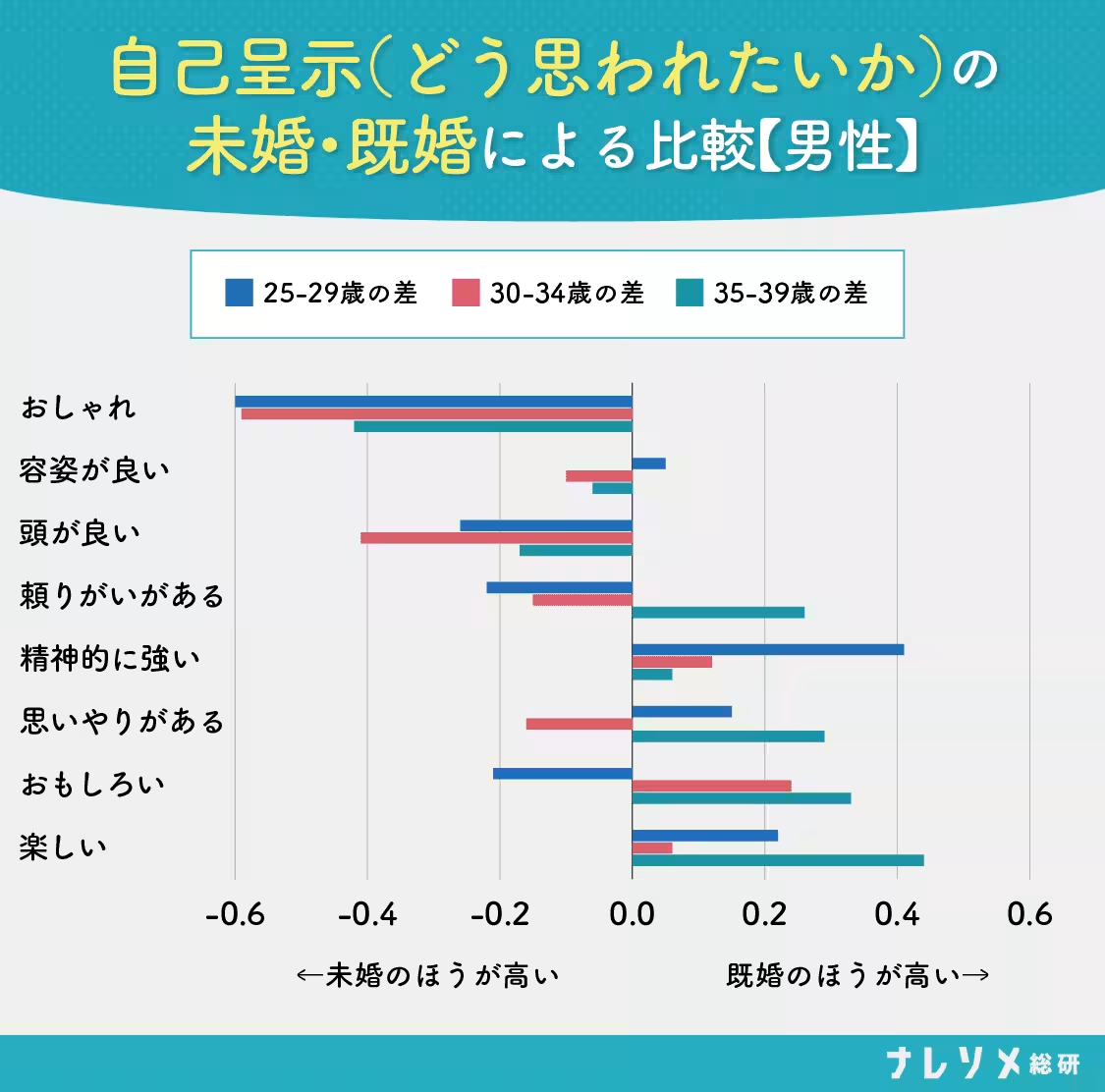
For men, this transition appears more pronounced. Unmarried men inclined towards projecting appealing qualities such as being “stylish” or “intelligent” often shift their focus post-marriage to emphasizing traits like being “fun,” “dependable,” and “thoughtful.”
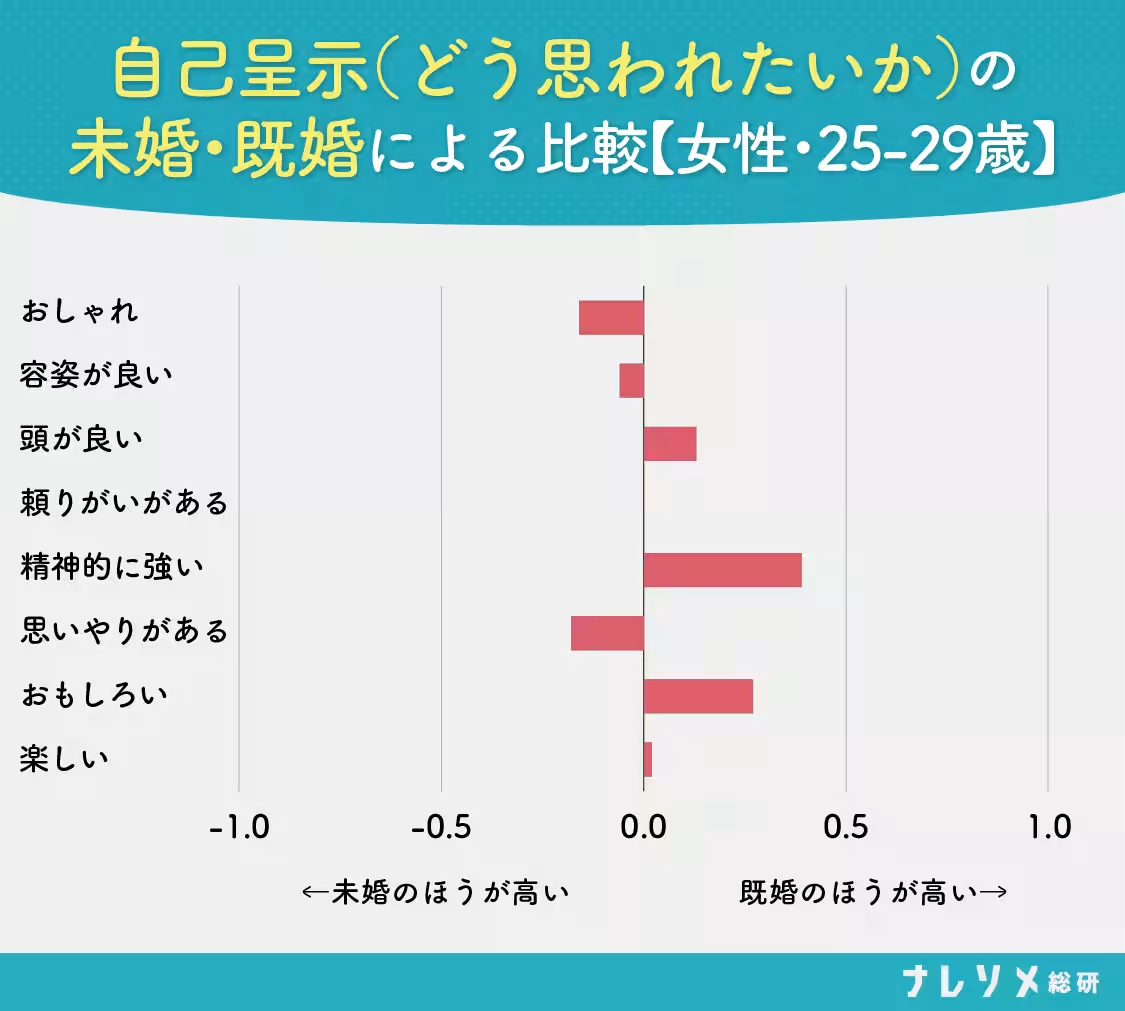
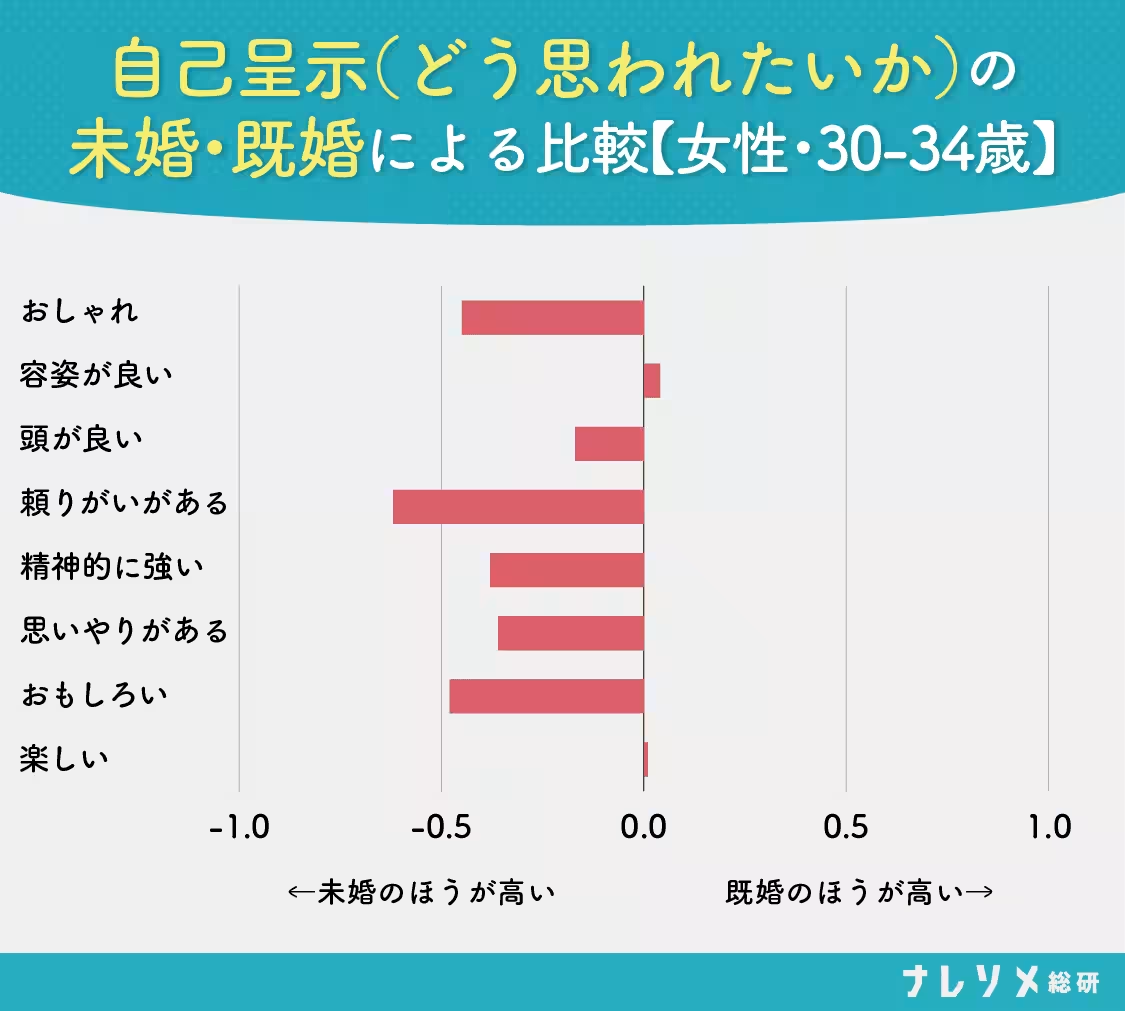
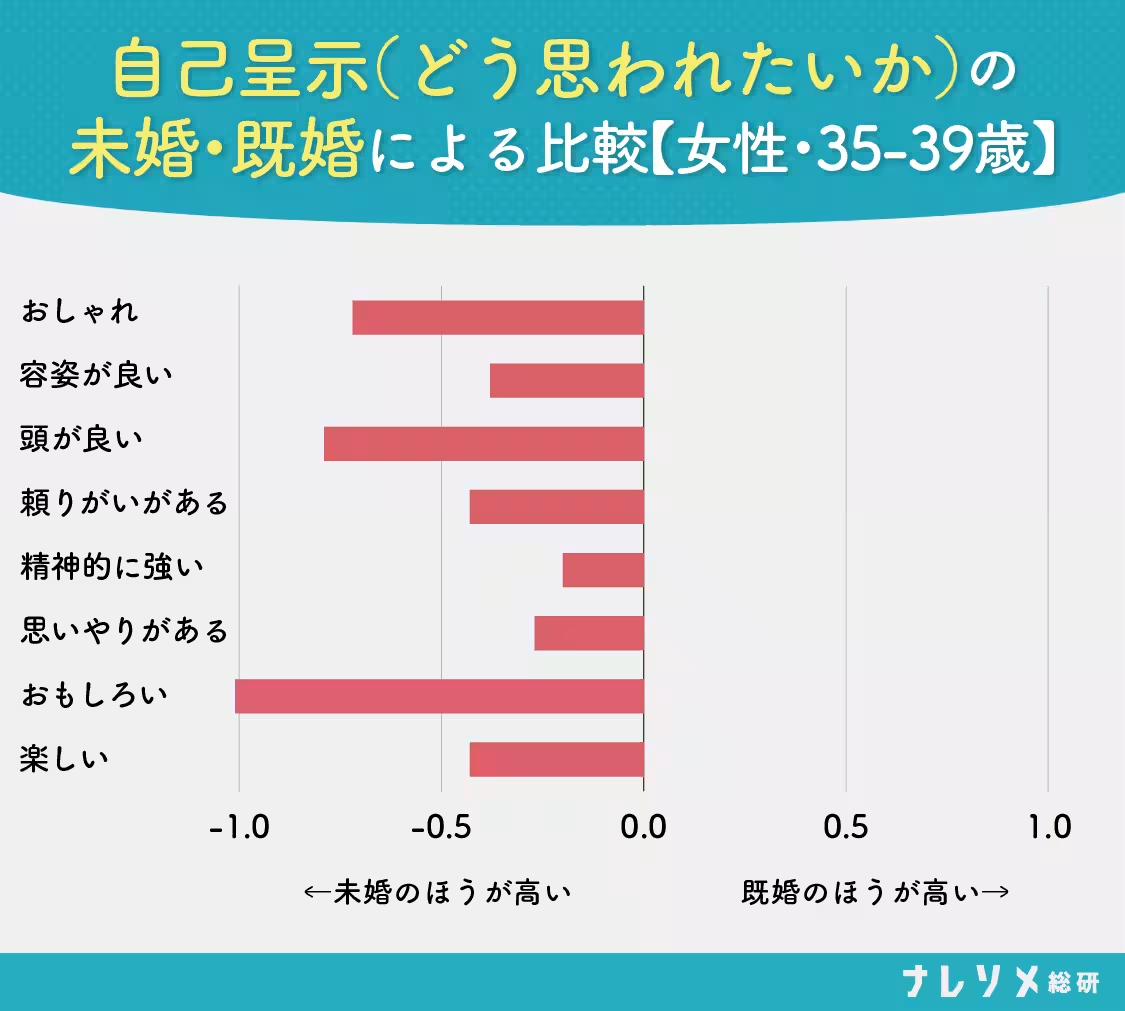
Conversely, women show even more dramatic changes, particularly as they age. Specifically, unmarried women in their late 30s reported an increased desire for self-presentation that outpaced their married counterparts, scoring high on traits like being “fun” (4.25), “interesting” (4.19), and “intelligent” (3.94). This outlines a heightened desire to express not only external looks but inner qualities like intelligence, independence, and lifestyle choices.
Expert Commentary
Keita Yamazaki, a relationship psychologist and counselor at Naresome, commented on the results, noting, “During the unmarried phase, individuals tend to portray themselves to a broad audience to be selected. After marriage, this inclination lessens as they find comfort being themselves with a spouse.” Yamazaki further states that these findings suggest that marriage may serve not just as a social contract but as a safe haven where individuals can escape the constant scrutiny of approval.
Additional Exploration in the Article
The article goes on to explore critical topics based on the data:
- - Why self-presentation desire surges among unmarried women in their 30s.
- - The reasons behind married men losing interest in fashion.
- - The mismatch between “high specification women” and “men who seek to be relied upon.”
- - The psychological mechanisms driving the transition from an “approval market” to a “relationship market.”
- - How relationships that allow individuals to be their authentic selves provide psychological stability.
Those interested in understanding romantic psychology, especially around approval-seeking behaviors and the psychological shifts post-marriage, will find this discussion deeply insightful. For more details, read the full report at Naresome's website.
Conclusion
Marriage is often perceived merely as a legally binding agreement, yet the findings from Naresome Research reveal deeper implications about our psychology and societal expectations. These discussions invite further inquiry into how our relationships shape our identities and emotional well-being, encouraging us to rethink approval in a new light.
For more information about Keita Yamazaki and his work, you can find him at Naresome's profile.
Topics People & Culture)
【About Using Articles】
You can freely use the title and article content by linking to the page where the article is posted.
※ Images cannot be used.
【About Links】
Links are free to use.