



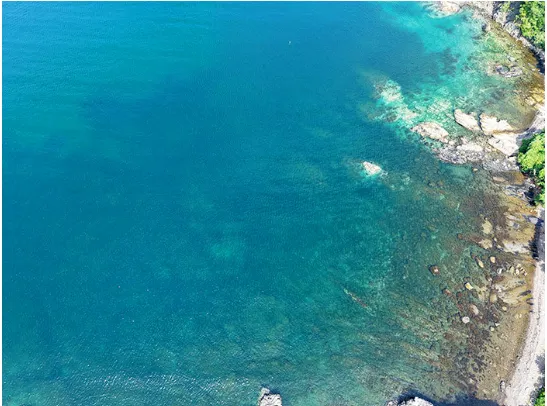
Tokyo Marine Asset Management Enters Blue Carbon Initiative to Combat Climate Change
Collaboration for a Greener Future
In a groundbreaking initiative, Tokyo Marine Asset Management (TMAM), Idemitsu Kosan, and Mitsui O.S.K. Lines (MOL) have teamed up to enhance blue carbon utilization in Japan. This partnership aims to pioneer efforts in carbon reduction through the restoration of seagrass beds, contributing to biodiversity preservation and regional revitalization. The project officially commenced with the intention of promoting natural solutions for carbon absorption, identified as a strategic component in the journey towards achieving net-zero emissions.
Project Scope and Objectives
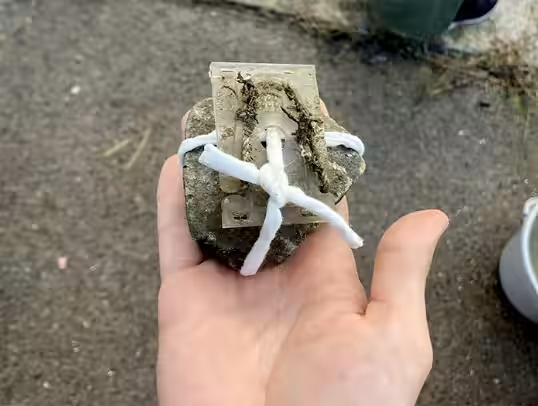
1. Launching Practical Projects: TMAM will spearhead a seagrass restoration project in collaboration with Idemitsu Kosan and MOL. The focus is to gather concrete expertise and knowledge applicable to similar coastal restoration endeavors, particularly in regions like Shimane Prefecture.
2. Creating Additional Value through Community Collaboration: The initiative emphasizes working alongside local fishermen, municipalities, and educational institutions, fostering a multi-stakeholder approach. This collaborative effort will not only enhance blue carbon activities but also examine the potential for creating extra value outside economic benefits—such as biodiversity conservation and environmental education.
3. Scaling to Larger Projects: With the anticipated framework for a blue carbon credit system on the horizon, this initiative will utilize insights gained from coastal restoration efforts as a foundation for larger projects in the future. The partners plan to explore the viability of scaling up their restoration activities, further embedding blue carbon strategies in broader climate policies.
Addressing Coastal Challenges
Through this initiative, the partnership aims to address critical issues such as the decline of coastal economies and the persistent challenges posed by coastal degradation, informally referred to as 'iso-yake' in Japan. By revitalizing seagrass beds and engaging local communities, the project aligns economic incentives with ecological and social benefits.
The Significance of Blue Carbon
Blue carbon refers to carbon captured by coastal and marine ecosystems, which absorb carbon dioxide through photosynthesis and sequester it in the seabed. The concept gained recognition in 2009 following reports from the United Nations Environment Programme (UNEP), highlighting its potential as a solution for greenhouse gas mitigation. As environmental challenges become increasingly pressing, the facilitation of blue carbon initiatives represents a vital opportunity to harness the natural capabilities of marine ecosystems in combating climate change.
Looking Ahead
As the collaboration unfolds, eligibility to engage a wider range of stakeholders, including relevant businesses and government agencies, will create a comprehensive dialogue surrounding blue carbon implementation. This ongoing discourse around challenges and actionable strategies will be fundamental to ensuring the success of the project and its positive impact on local economies and ecosystems.
Ultimately, the collective efforts of TMAM, Idemitsu Kosan, and MOL are positioned to make a lasting impact in fostering a greener society, illustrating the potential for corporate partnerships to drive solutions that address pressing environmental issues while bolstering local livelihoods.
Topics Environment)
【About Using Articles】
You can freely use the title and article content by linking to the page where the article is posted.
※ Images cannot be used.
【About Links】
Links are free to use.