



Increased Consultations for Nail Conditions as Summer Approaches: A Deep Dive into Treatment Options
An Increase in Nail Consultations
As summer approaches, many individuals find themselves donning sandals and exposing their feet, leading to a noticeable increase in consultations for nail conditions such as ingrown nails and toenail deformities. A recent survey conducted by AC Clinic highlighted this trend, showing that consultations surged to 2.3 times the usual amount in June alone. This article delves into the findings of this survey while explaining essential treatment options for these common nail issues.
Understanding Nail Conditions: Ingrown Nails vs. Curved Nails
First, it's crucial to distinguish between ingrown nails and curved nails, as they often get confused. Curved nails refer to a condition where the edges of the nail curve inward, while ingrown nails occur when the nail grows into the surrounding skin, causing inflammation. Thus, the treatment options differ significantly. Mild cases of curved nails can often be managed with a wire technique, while recurring ingrown nails may require a phenol treatment. Severe or recurrent cases might necessitate nail matrix excision.
The Survey's Key Findings
According to the survey results:
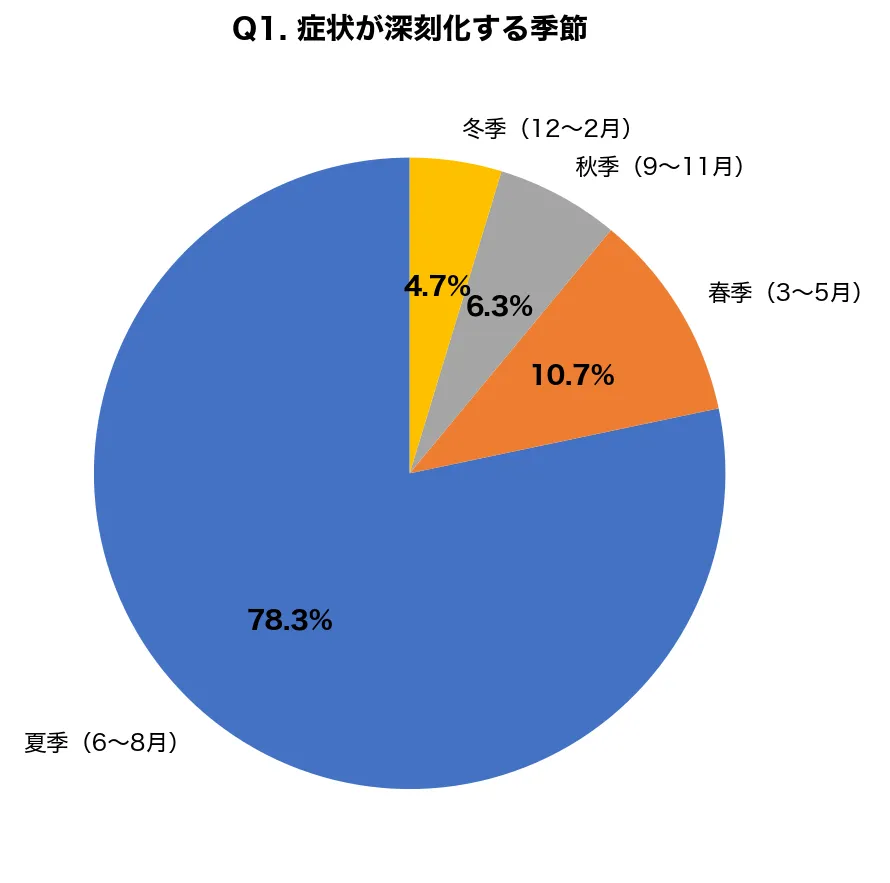
- - Summer Severity: 78.3% of participants reported an increase in nail issues during the summer months (June to August).
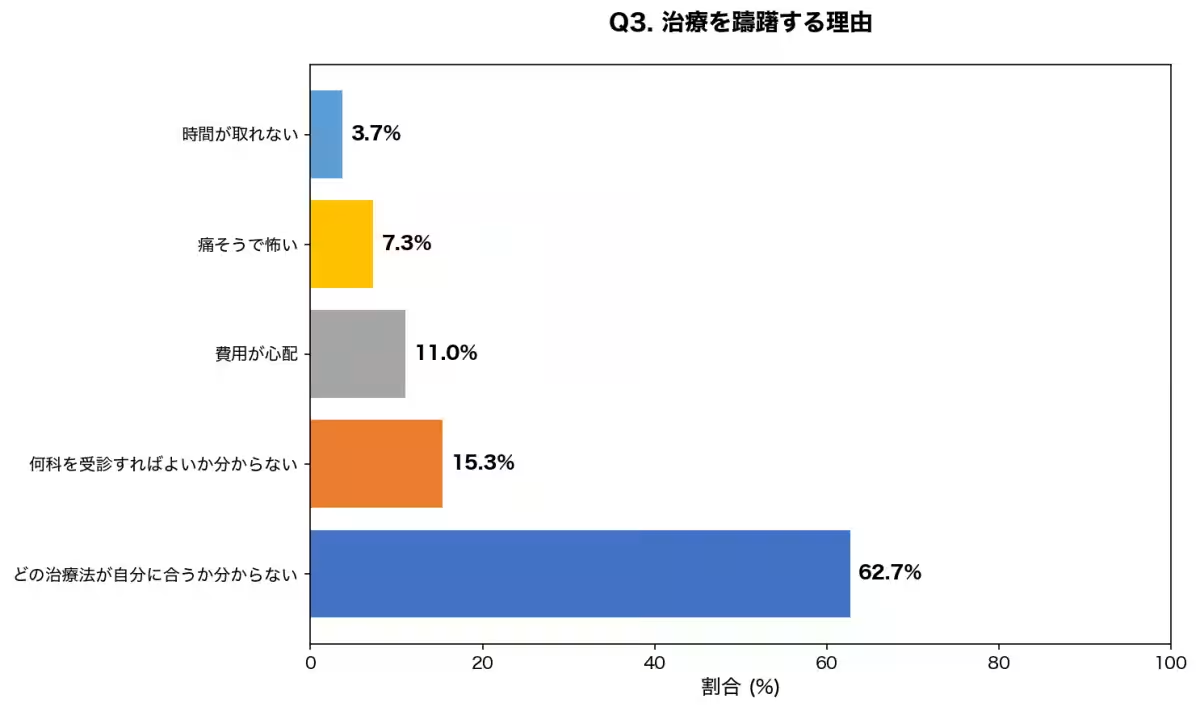
- - Uncertainty in Treatment: The most cited reason for hesitance in seeking treatment, at 62.7%, was uncertainty about which treatment method would be suitable for them.
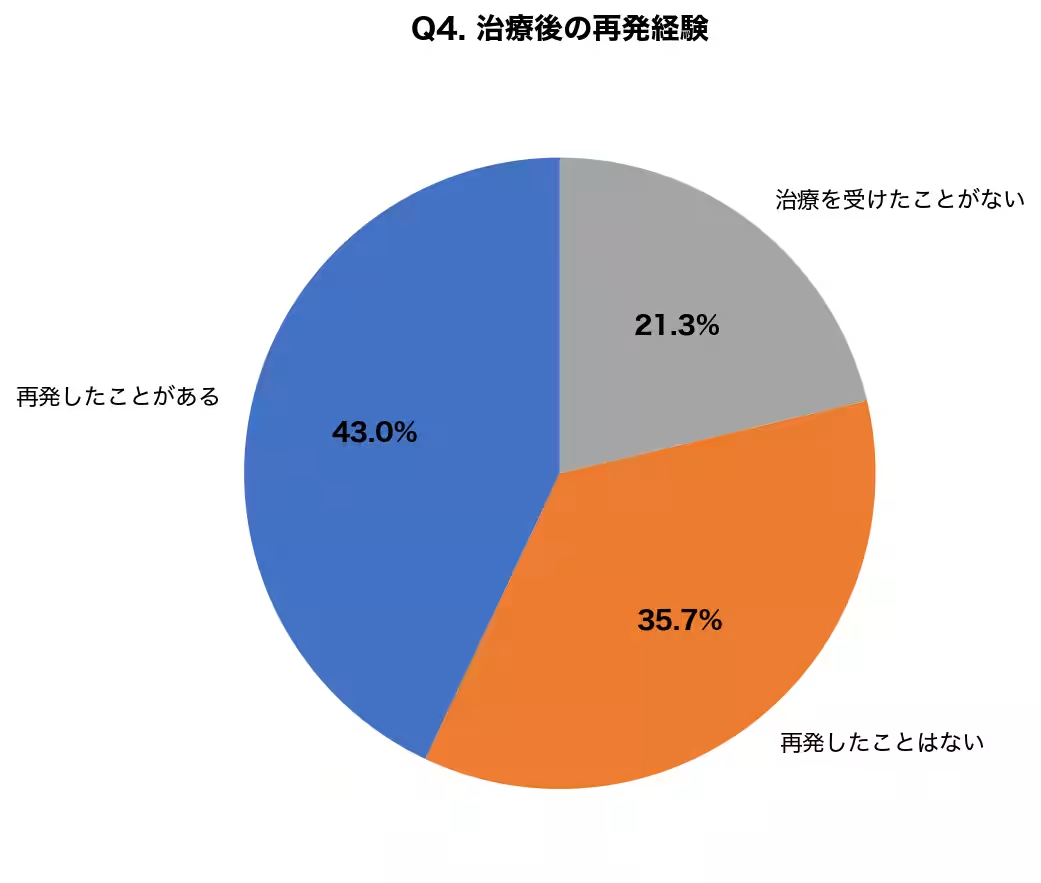
- - Recurrent Issues: Among individuals who previously treated their condition, 43% experienced a recurrence, highlighting the vital importance of treatment selection.
Types of Nail Treatment Explained
Curved Nails ('Makizume')
Curved nails involve a deformation where the nail edges curve inward. While this condition may not always be painful, it can progress to an ingrown nail if left unchecked. Common causes include genetic predisposition, inappropriate footwear, and improper nail trimming.
Ingrown Nails ('Kannyuso')
Ingrown nails occur when the sides of the nail penetrate the surrounding skin, leading to inflammation, pain, and occasionally the formation of granulation tissue, also known as paronychia. If untreated, this condition may result in more severe complications, including abscesses.
Nail Matrix ('Sobou')
The nail matrix is the tissue at the root of the nail that generates new nail cells. As long as the matrix remains intact, the nail can regenerate, hence treatments like phenol procedures or nail matrix excision target this area for effective resolution of nail conditions.
A Closer Look at Treatment Options
| Comparison Aspect | Wire Technique | Phenol Treatment | Nail Matrix Excision |
|---|---|---|---|
| ------ | ------ | ------ | -------- |
| Indications | Mild to Moderate Curved Nails | Recurrent Ingrown Nails | Severe, Recurring Ingrown Nails |
| Anesthesia | None to Local Anesthesia | Local Anesthesia | Local Anesthesia |
| Treatment Duration | 15-30 Minutes | 20-30 Minutes | 30 minutes to 1 hour |
| Downtime | Almost None | 1-2 Weeks | 2-3 Weeks |
| Recurrence Rate | 10-20% | 5-10% | 3-5% |
| Insurance Coverage | Often Non-Covered | Covered | Covered |
| Cost Estimate | ¥10,000-¥20,000 | ¥5,000-¥8,000 (30% Co-pay) | ¥5,000-¥8,000 (30% Co-pay) |
| Nail Appearance | Maintained | Slightly Narrowed | Significantly Narrowed |
| Visit Frequency | 3-6 Times | 2-3 Times | 3-5 Times |
The Importance of Information for Patients
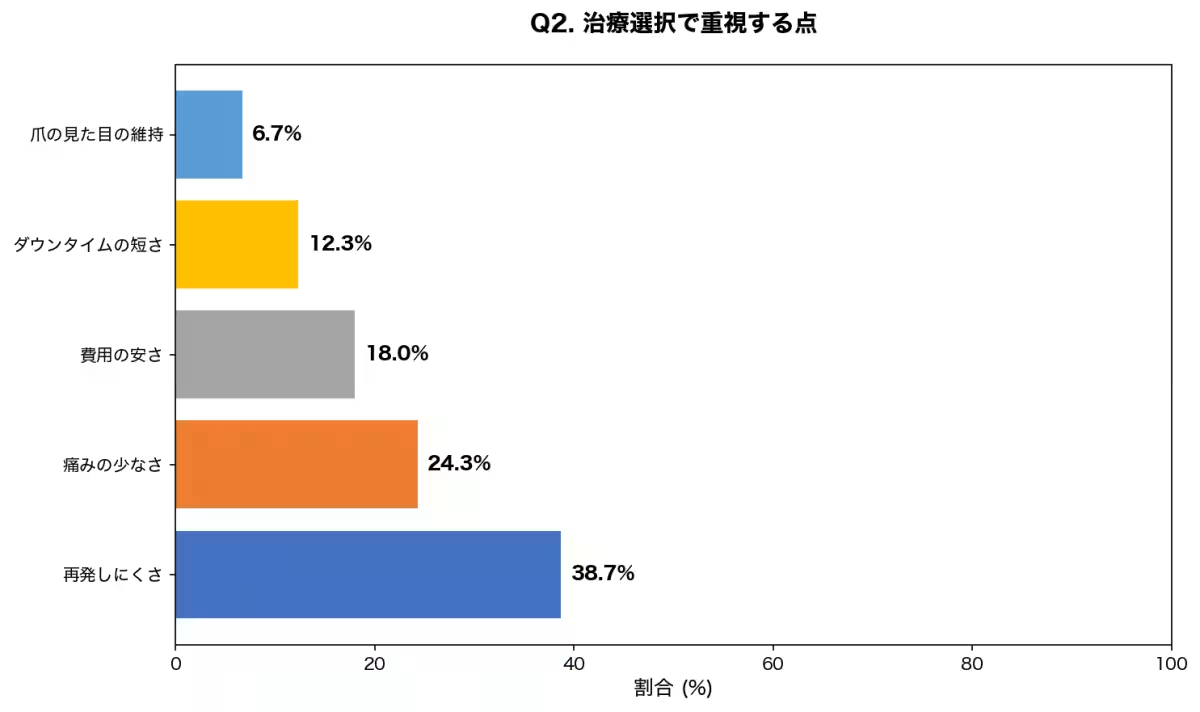
Given the rise in nail condition consultations, informed decision-making regarding treatment options is essential. The survey noted that a significant number of individuals felt uncertain about which treatment would be suitable for their needs. This highlights the urgent need for healthcare providers to furnish clear information regarding the nature of these conditions and effective treatment options available to patients.
Expert Commentary
Dr. Kouta Takakuwa, a specialist with over 15 years of experience and more than 30,000 surgical operations to his credit, emphasizes the importance of selecting appropriate treatment methods for both ingrown and curved nails. "These conditions can be effectively treated with the right choice of therapy, but understanding the nuances between them is key to successful treatment outcomes," Dr. Takakuwa states.
Conclusion
In summary, the recent increase in consultations for nail health highlights a significant public health issue as we move into sandal season. It is imperative for individuals experiencing concerns with their toenails to seek professional advice and understand the treatment options available. Through proper information dissemination and patient education, healthcare providers can empower individuals to make informed decisions regarding their foot care, enhancing their quality of life during the warmer months ahead.
Topics Health)
【About Using Articles】
You can freely use the title and article content by linking to the page where the article is posted.
※ Images cannot be used.
【About Links】
Links are free to use.