




How to Prevent Accidents and Heatstroke with Your Air Conditioner This Summer
Essential Safety Tips for Air Conditioners This Summer
As the scorching summer months approach, the importance of air conditioning in our homes rises dramatically. With the Japan Meteorological Agency declaring certain days as "extreme heat days" (days when temperatures exceed 40°C), the risks associated with high heat become more serious. It's crucial to ensure that your air conditioning unit is operating safely to avoid accidents and heatstroke.
The Risks of Air Conditioner Accidents
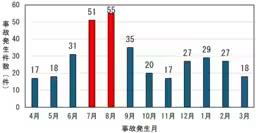
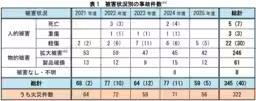
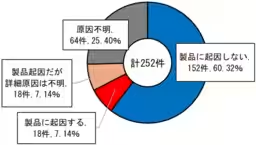
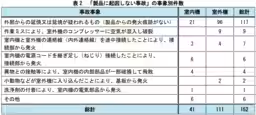
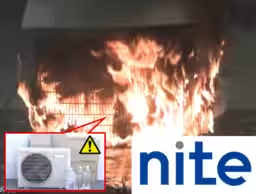
Data showed that from 2021 to 2025, there were 345 incidents related to air conditioners, indicating that while AC units are essential for comfort, they can also pose hazards when not maintained properly. A staggering 60% of these incidents were caused by factors unrelated to the products themselves. Most often, the accidents stem from external factors such as nearby flammable materials catching fire and spreading to the units.
Key Points to Consider Before Starting Your Air Conditioner:
1. Clear Surroundings of the Outdoor Unit
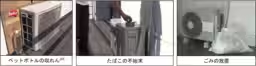
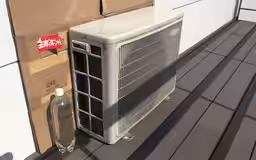
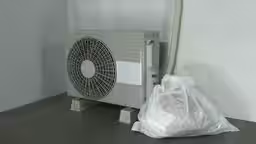
- Ensure that the area around the outdoor unit is free from any items. Common pitfalls include:
- Bottles of water, which can magnify sunlight and ignite nearby materials.
- Cardboard boxes, newspapers, and other clutter that can harbor pests or catch fire.
- Using the area as an ashtray, where cigarette butts can easily lead to a fire.
2. Consult Professionals for Installation and Repairs
- DIY installations or repairs can easily lead to unsafe conditions, especially without the proper knowledge or tools. Seek help from qualified professionals when installing or servicing your air conditioner.
Accidents arising from improper installation or unsafe conditions can lead to tragic outcomes, including fire and loss of life. In fact, the data reveals that out of the 345 incidents, over 90% were fire-related, leading to severe property damage and alarming safety concerns.
The Importance of Testing Your AC Before Summer
Before the peak of summer hits, it’s wise to run a test on your air conditioning unit. This step is often overlooked, but it is critical for ensuring functionality and safety. Run your unit in cooling mode and:
- - Ensure cold air is blowing and there are no unusual sounds or odors emanating from the unit.
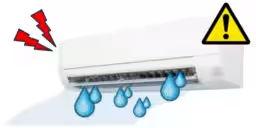
- - Look for leaks or any sign of malfunction.
- - Conduct the test in a controlled environment where the temperature settings are at their lowest to fully assess the performance.
Addressing Issues Promptly
If any problems arise during your test run, or if you notice unusual indicators while using your air conditioner, reach out immediately to professionals for inspections and repairs. It’s vital to address any faults before the heat intensifies.
Resources Available to Consumers
NITE (the National Institute of Technology and Evaluation), which oversees consumer safety concerning household appliances, provides resources for checking product safety and potential hazards related to specific air conditioning units. Their platform 'NITE SAFE-Lite' allows consumers to search for reported safety incidents involving their products and access recall information, ensuring informed usage decisions.
Final Thoughts
Air conditioning units are essential during the hot summer months. However, concentrating on proper maintenance, environmental safety, and adherence to guidelines can prevent accidents and health-related emergencies stemming from heat exposure. Take the time now to ensure your air conditioning system is in peak working order to enjoy a safe and comfortable summer.
For further information and access to helpful resources, visit NITE’s website. Stay safe and cool this summer!









Topics Consumer Products & Retail)

【About Using Articles】
You can freely use the title and article content by linking to the page where the article is posted.
※ Images cannot be used.
【About Links】
Links are free to use.