



The Growing Importance of Sustainable Beauty Products Among Women: Survey Insights
Sustainable Beauty Products: A Shift in Consumer Mindset
In a recent study conducted by Bizki, the operators of Kirei Style—a platform dedicated to sharing beauty and health information—2,000 women aged between 20 and 59 throughout Japan were surveyed to understand how sustainability influences their cosmetic purchasing decisions. The concept behind Kirei Style aligns with advocating for beauty that not only shines today but continues to reflect radiance ten years from now.
Survey Overview
The survey was carried out online on April 22, 2025, targeting a diverse demographic of women. Participants were asked:
"Does the term 'sustainable cosmetics' influence your decision to purchase beauty products?"
Respondents had two options:
1. Yes
2. No
Key Findings
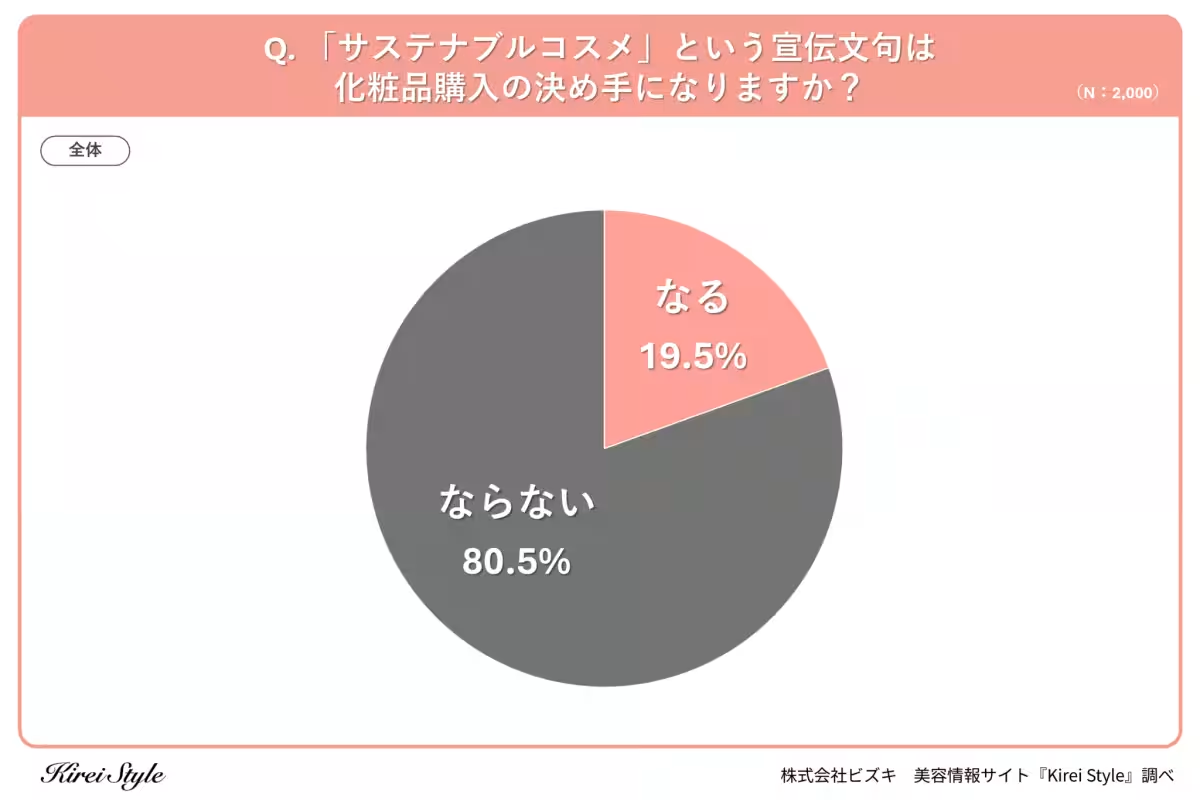
The results showed that only 19.5% of participants believed that sustainability was a deciding factor in their cosmetic purchases, while a significant 80.5% indicated it wasn't. This trend emphasizes a noteworthy divide, particularly among younger women.
Age-Specific Insights
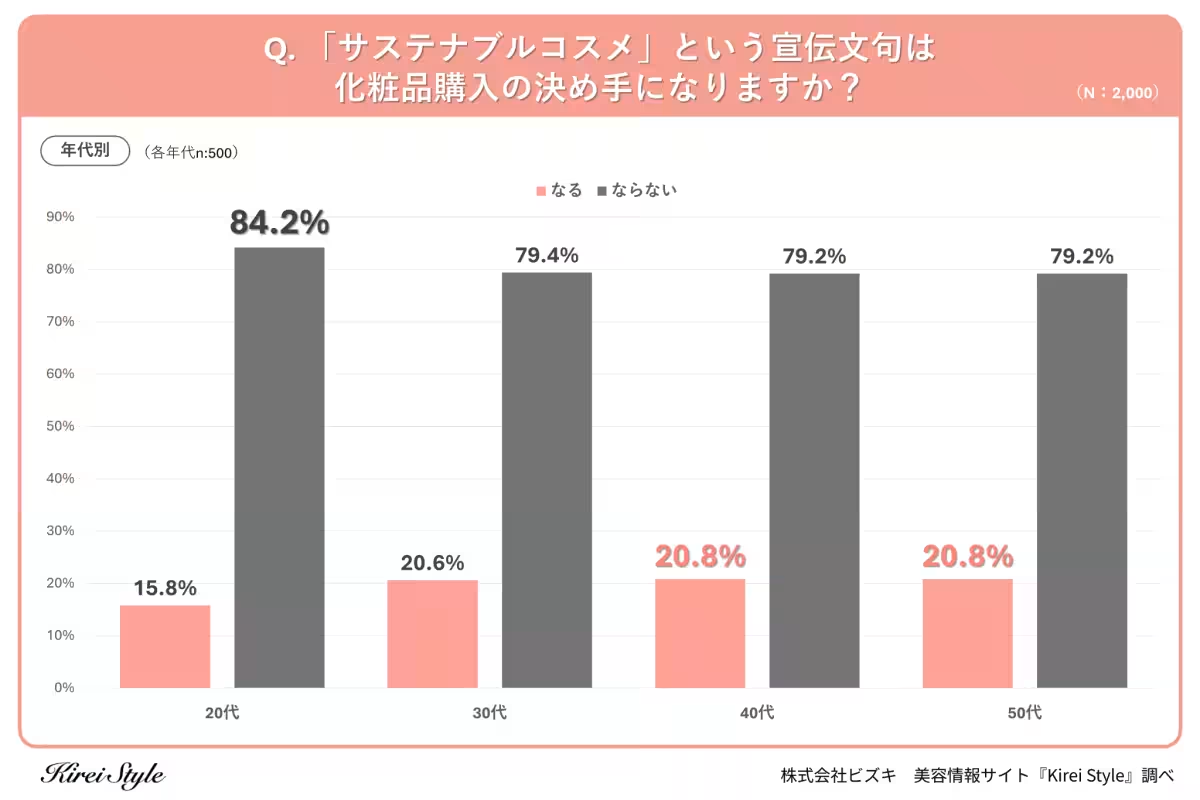
Upon examining the data by age group, the survey found that women in their 40s and 50s displayed the highest inclination towards valuing sustainability, with 20.8% stating it was a factor in their purchase decisions. In stark contrast, a staggering 84.2% of women in their 20s reported that sustainable ingredients did not influence their buying choices.
This generational gap suggests that younger consumers prioritize other product aspects, particularly visual appeal and brand desirability, over sustainability. Previous surveys have echoed these sentiments, showing that marketing visuals and product looks play a crucial role in the purchasing process for younger demographics.
For older consumers, who often prioritize quality and safety of ingredients, sustainable cosmetics create a connection between ethical values and a product's perceived quality. The increasing awareness of environmental issues allows these consumers to feel more assured when choosing products that respect nature and ensure safety.
Income-Based Perspectives
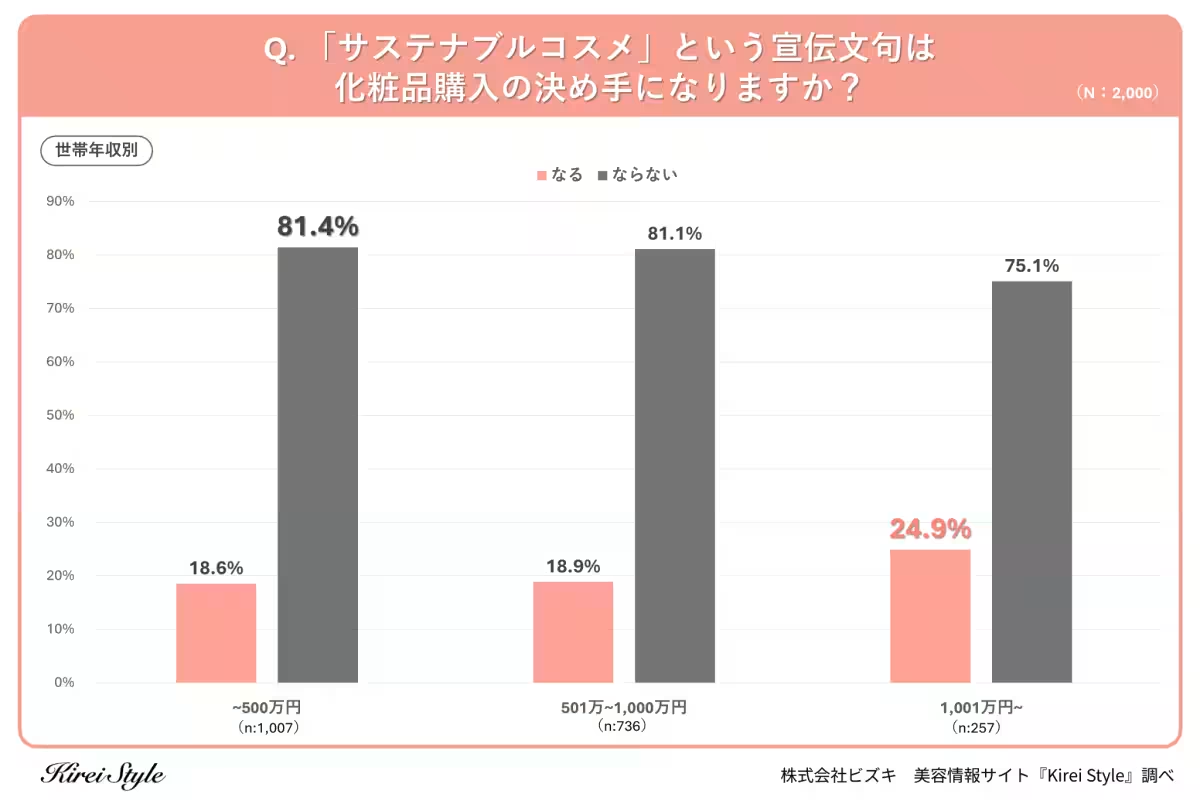
When assessing the impact of household income on purchasing behavior, the survey indicated that women from households earning over 10 million yen exhibited the highest percentage of those who stated sustainability does impact their purchasing decisions. This demographic appears to have a greater economic latitude to consider factors beyond mere pricing, guiding them towards sustainable values and social impact when selecting cosmetic products.
While sustainable products often carry a perception of being pricier, the growing push for sustainability coupled with the expansion of this market has resulted in brands finding ways to minimize costs while still honoring ethical production practices.
Final Thoughts
As consumers become more discerning, it may be worthwhile to reflect on personal values surrounding sustainability when choosing cosmetic products. Kirei Style continues to advocate for healthy beauty practices and the ongoing dissemination of relevant information for those eager to address their beauty concerns and enhance their experience in the beauty sector.
If you're interested in accessing more health and beauty insights, do not hesitate to check out Kirei Style's platform. Their mission is to support women in attaining their wellness and beauty goals in a sustainable manner.
About Kirei Style
Kirei Style embodies the principle of maintaining beauty both now and in the future, providing resources on skincare, hair care, body care, and a myriad of health-related topics. For businesses interested in showcasing their products on the Kirei Style website, they can reach out directly through the contact page.
Kirei Style Social Media
Stay connected and follow Kirei Style on:
In conclusion, Kirei Style remains committed to delivering valuable information about beauty and health while contributing to the growth of the beauty market in a sustainable manner.

Topics Consumer Products & Retail)
【About Using Articles】
You can freely use the title and article content by linking to the page where the article is posted.
※ Images cannot be used.
【About Links】
Links are free to use.