



Understanding Pelvic Organ Prolapse: Awareness and Challenges among Women Over 50
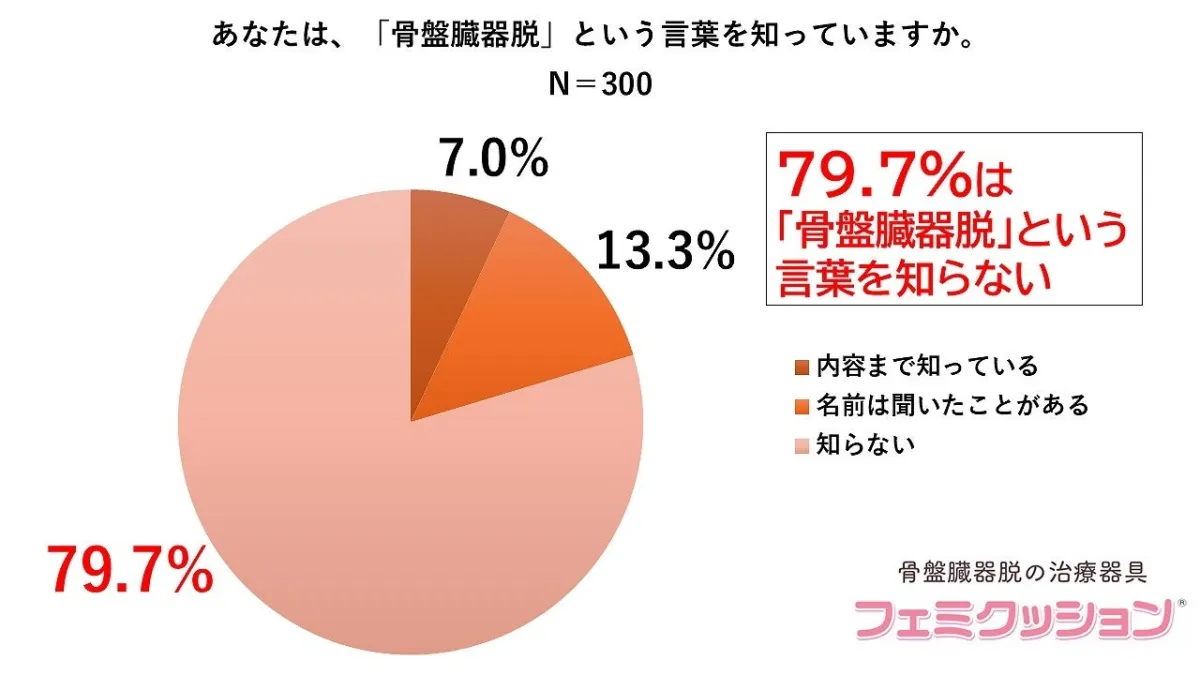
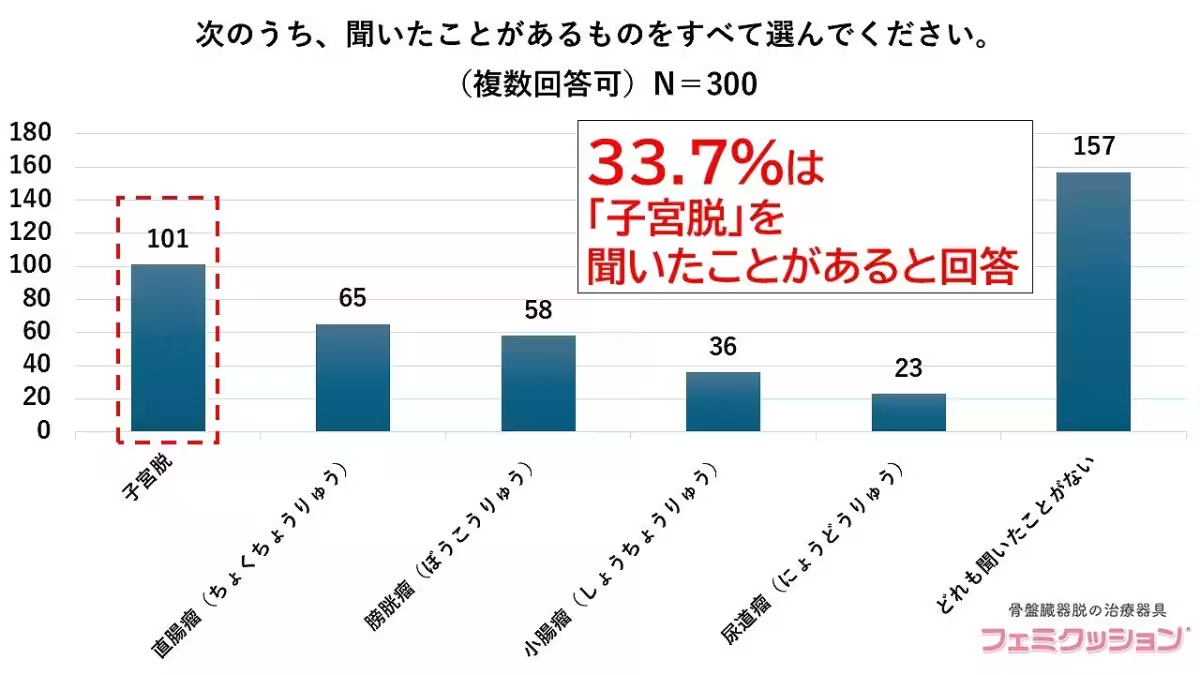
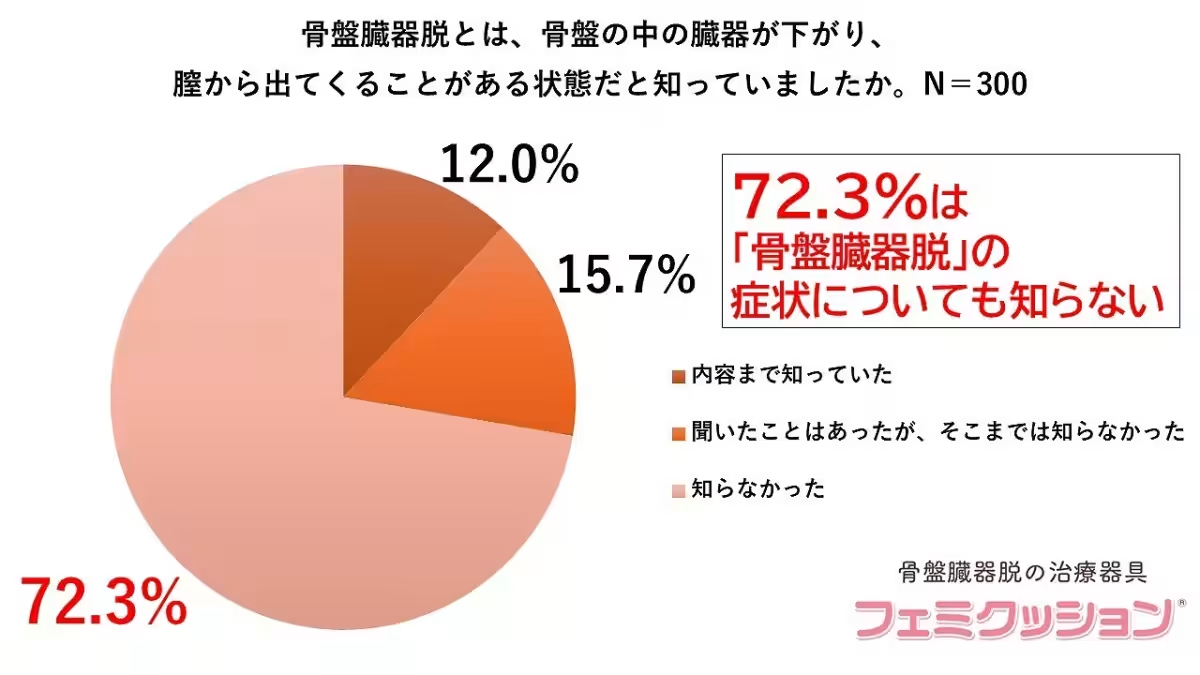
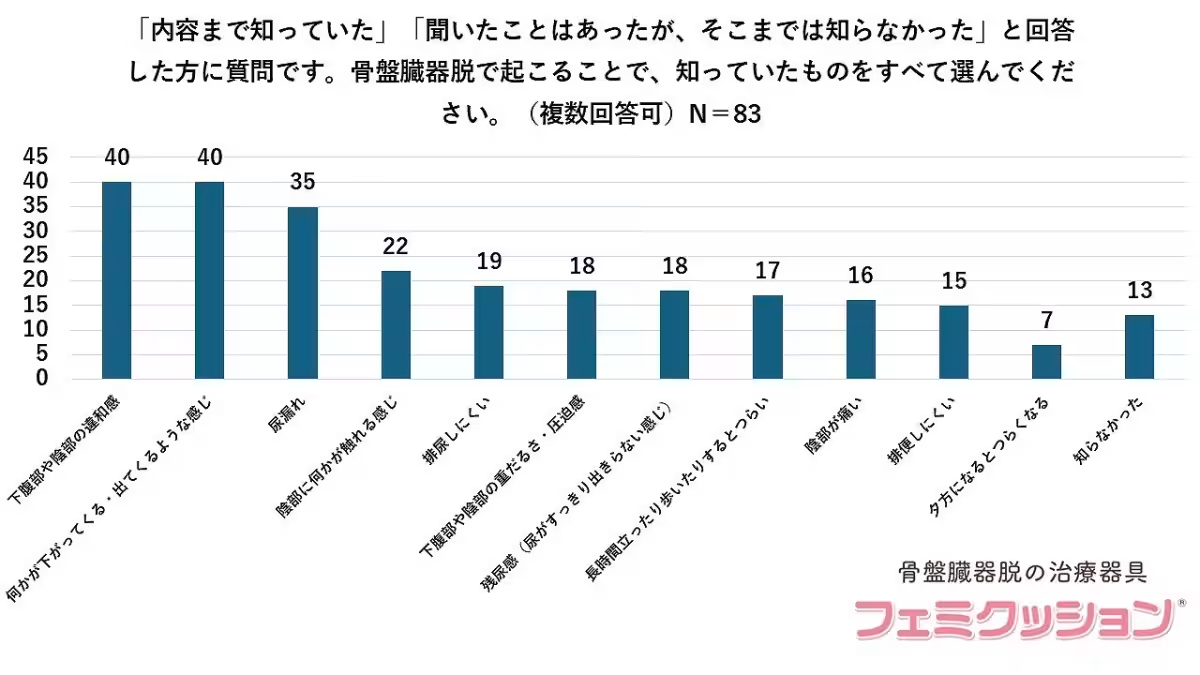
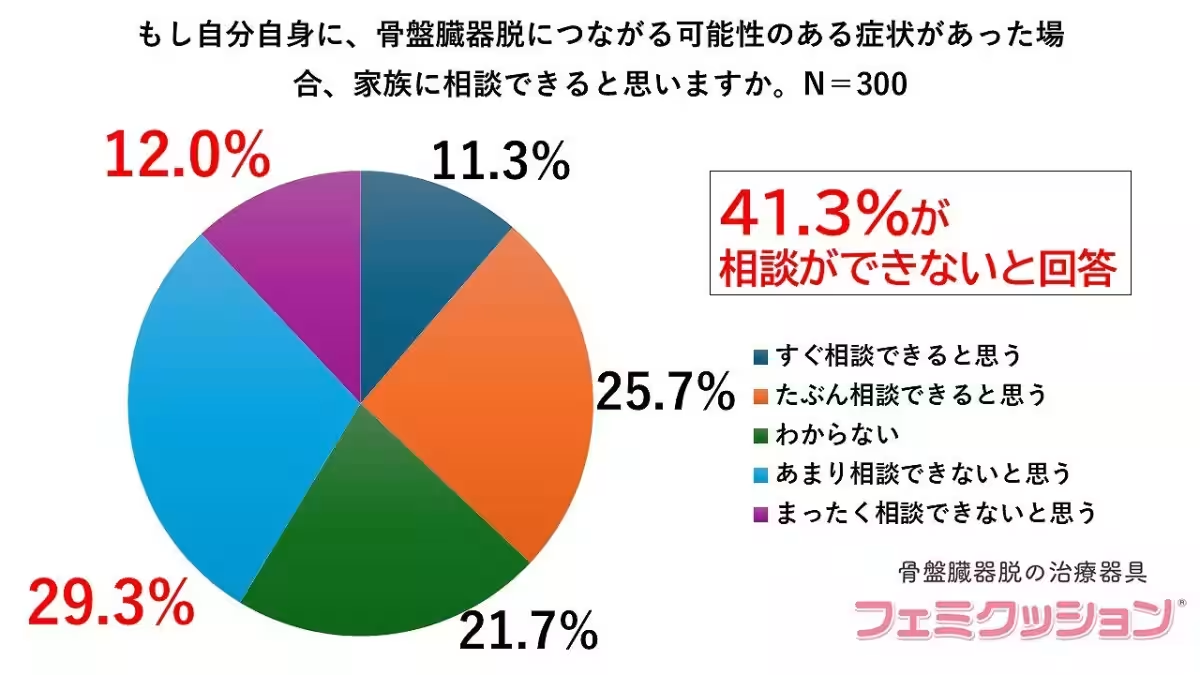
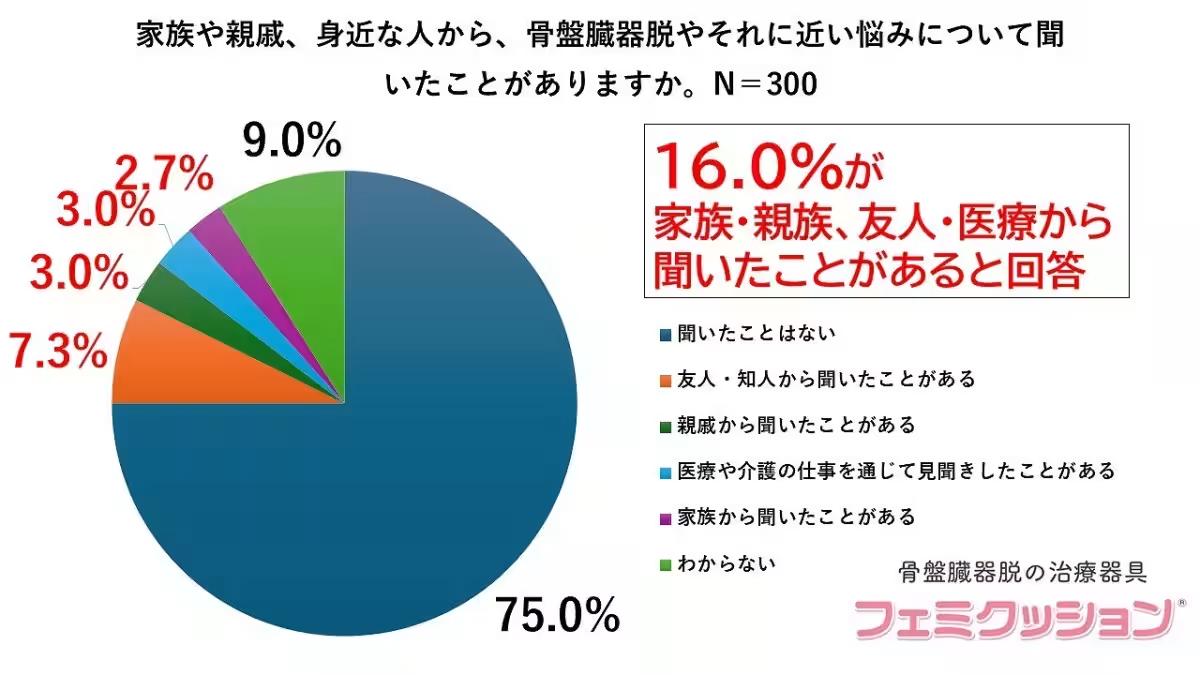
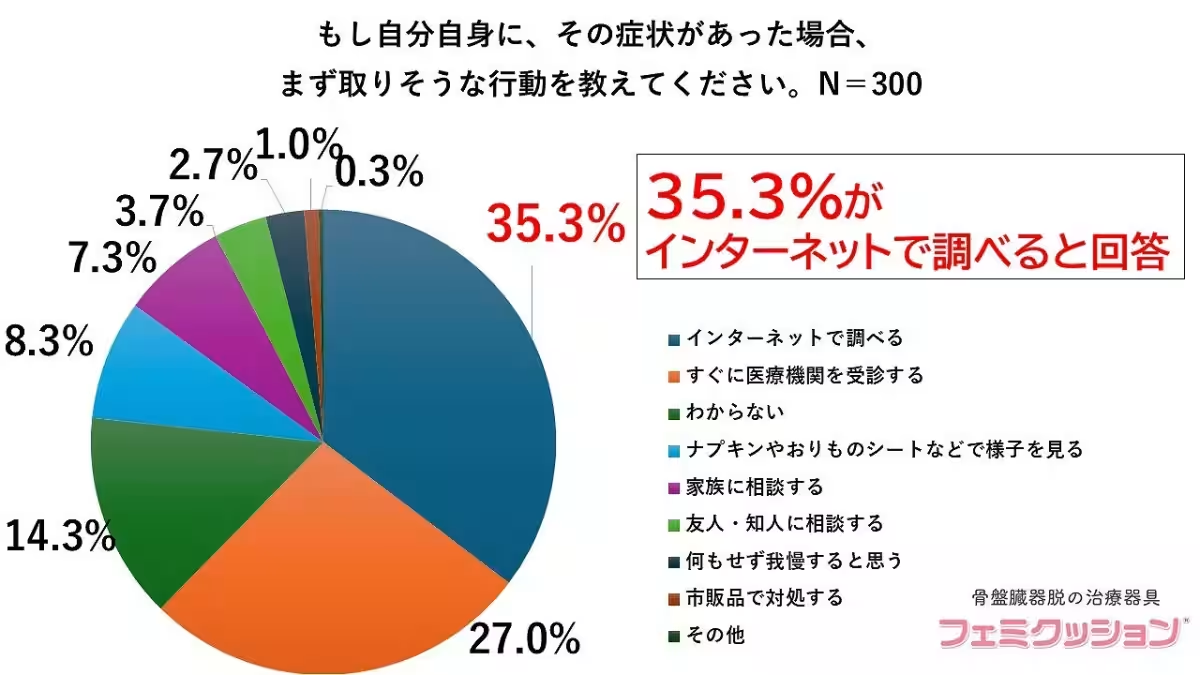
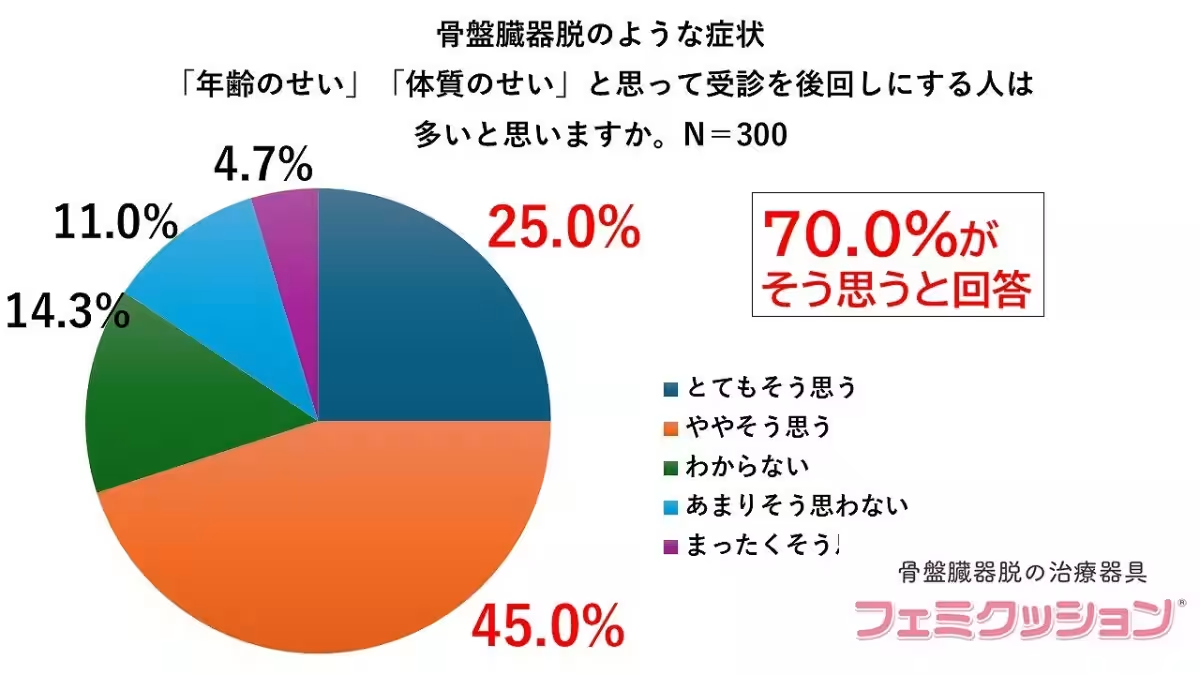
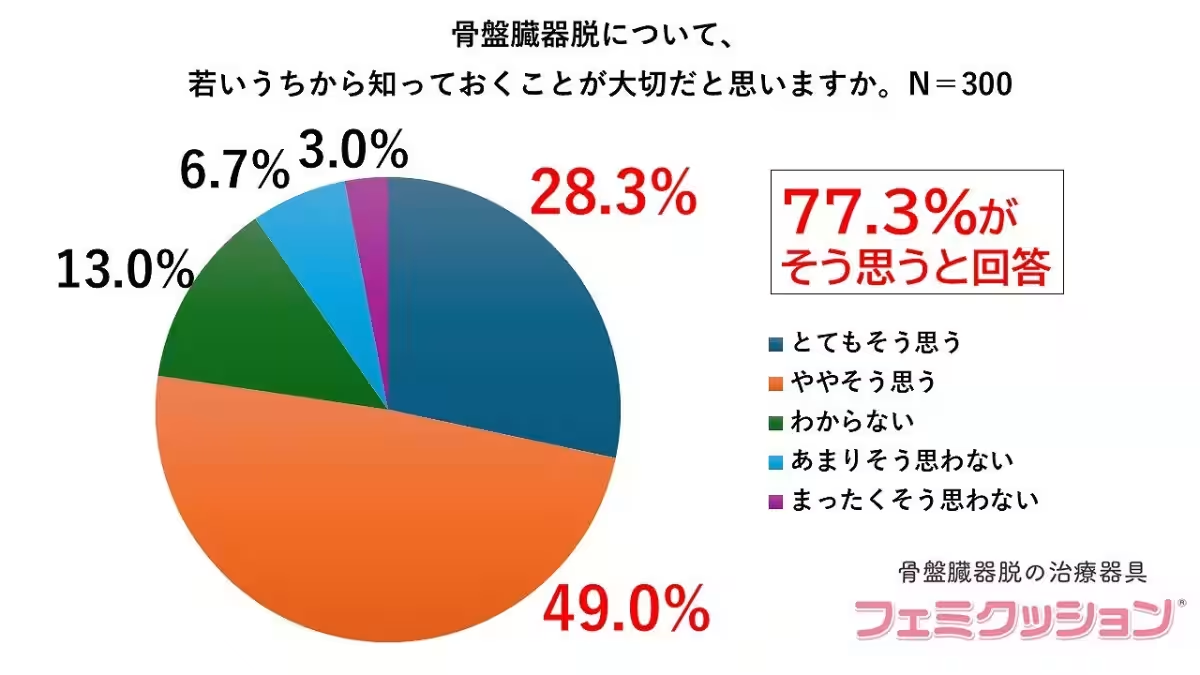
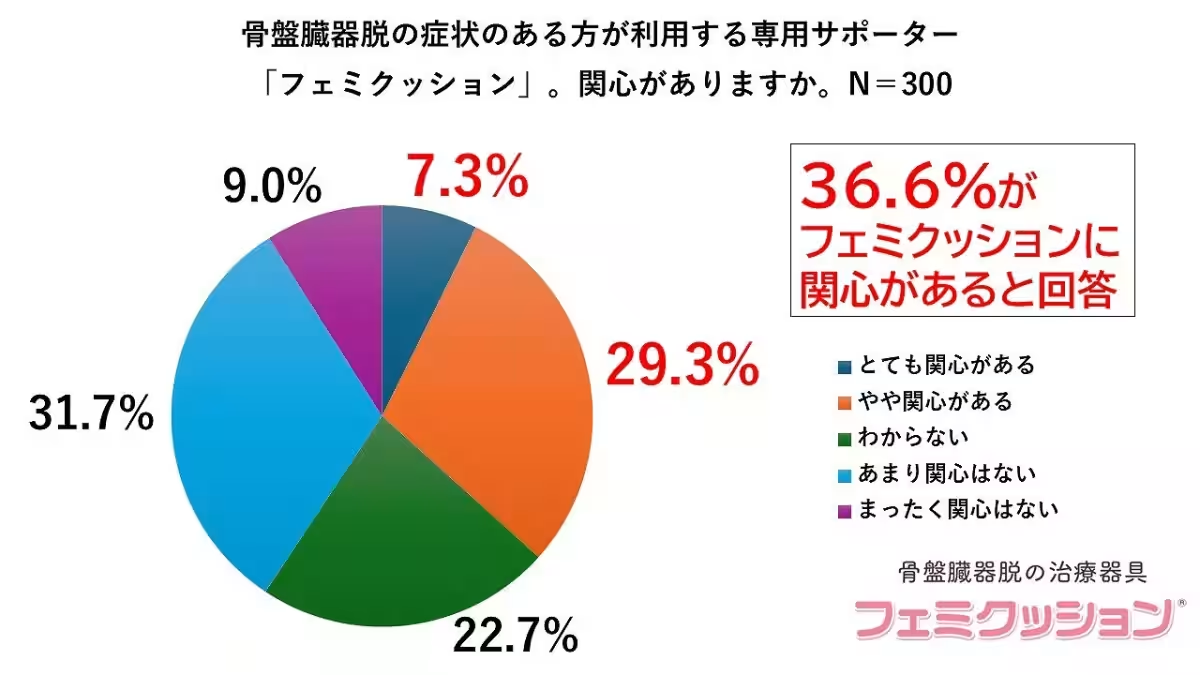
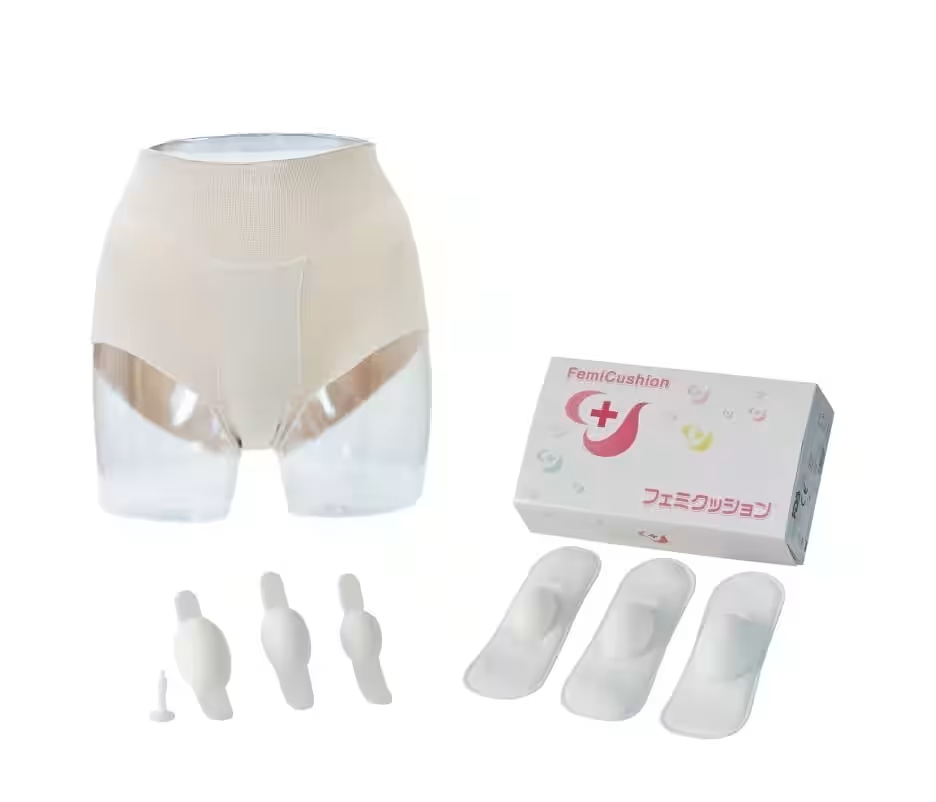
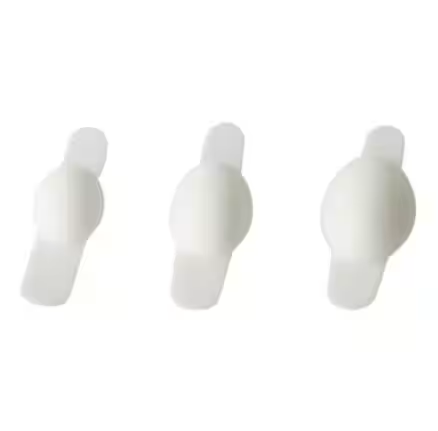
Introduction Pelvic organ prolapse (POP) is a pressing health concern for women, especially those over the age of 50. However, a significant recent survey conducted by Mitsui Medical Japan revealed that nearly 80% of women in this age group are unaware of the condition. The results of this study shed light on a broader conversation that needs to take place regarding women’s health, especially as it pertains to the often-taboo topic of pelvic issues. ## Understanding Pelvic Organ Prolapse POP occurs when the pelvic floor muscles and tissues weaken, causing the organs supported by these muscles—including the uterus, bladder, and rectum—to descend and possibly protrude through the vagina. This condition can result from various factors, including aging, childbirth, and the deterioration of pelvic floor muscles. Reports indicate that the prevalence of POP symptoms can affect approximately 40% to 50% of women over 50 years old. ## Survey Insights Between March 24 and 25, 2026, Mitsui Medical Japan surveyed 300 women aged 30 to 70 years to assess their awareness and understanding of POP. The startling statistics showed that 79.7% of respondents were unfamiliar with the term 'pelvic organ prolapse'. Even among those aware of related conditions, such as uterine prolapse (33.7%), the understanding of POP as a formal medical condition is still lacking. This gap in understanding extends beyond terminology. When asked about the symptoms associated with POP, 72.3% of respondents did not recognize that it involved the dropping of pelvic organs, illustrating a significant lack of awareness about the condition and its implications. ## Social Stigma and Communication Barriers The survey also highlighted the sociocultural barriers that women face when discussing issues relating to POP. Over 41% of those surveyed felt hesitant to discuss their symptoms with family members, indicating that the stigma surrounding these health issues frequently leads women to suffer in silence. This lack of dialogue not only hinders awareness but also prevents many women from seeking medical advice when experiencing symptoms like urinary incontinence or pelvic discomfort. ## Online Research Over Medical Visits Interestingly, when posed with the question of what their first course of action would be if they experienced POP symptoms, 35.3% of women indicated they would turn to the internet for information first, compared to only 27% who would seek immediate medical attention. This trend indicates a reliance on self-diagnosis and can consequently delay necessary medical intervention. ## Age-Related Misconceptions A significant factor contributing to this issue is the perception that symptoms of POP, including urinary incontinence, are simply a consequence of aging or one’s personal constitution. In fact, 70% of women felt that these symptoms are dismissed as a natural part of aging, which can further discourage them from seeking help. This mindset underscores the necessity for educational initiatives targeting not just older women, but also younger generations, emphasizing that pelvic health is an important area of concern at any age. ## Proactive Measures and Resources Available Of those surveyed, nearly 77.3% agreed that it is critical for women to learn about POP early in life to raise awareness and encourage timely preventive actions. A comforting option for managing the symptoms of POP is the 'Femicushion,' a specialized pelvic support device developed by Mitsui Medical Japan. Over 36.6% expressed interest in this product, which serves to alleviate discomfort associated with POP by providing external support to pelvic organs. Mitsui Medical Japan has also established a dedicated telephone consultation service for those affected by POP, allowing individuals to seek guidance and support. This proactive measure reflects an understanding of the importance of opening dialogue around such issues that can feel isolating. ## Conclusion In light of the significant findings from this survey, it is evident that greater awareness and understanding of pelvic organ prolapse among women, especially those over 50, are crucial. By fostering an environment that encourages open conversations about women’s health issues, we can create a culture where these conditions are recognized, understood, and treated without stigma. The importance of knowing and discussing conditions like POP is essential not only for personal health but for the wellbeing of future generations. ## Resources For further information, consult the Mitsui Medical Japan website or contact their dedicated support line at 03-5319-2676. They offer valuable resources and insights for women looking to understand more about pelvic health and available treatments.




Topics Health)


【About Using Articles】
You can freely use the title and article content by linking to the page where the article is posted.
※ Images cannot be used.
【About Links】
Links are free to use.