



Understanding the Importance of Real-Time Data Collection in the Used Market
The Need for Speed: Real-Time Data in the Used Market
In a rapidly evolving used market, key decisions regarding pricing and sales strategy hinge on the ability to access timely data. Considering the dynamic price fluctuations that occur on a daily basis, conventional practices such as weekly or monthly data collection are no longer viable. Thus, the recent survey conducted by Keywalker Inc. shines a light on the significance of real-time data gathering.
Survey Overview
From March 18 to March 20, 2025, Keywalker Inc., spearheaded by president Kazuto Kobayashi, surveyed 1,005 full-time employees involved in pricing and sales strategies within the used market. The survey's primary focus was on understanding the collection of competitive data and market price information.
The full results are compiled in a white paper, available for download on their website.
Key Findings: Importance of Real-Time Data
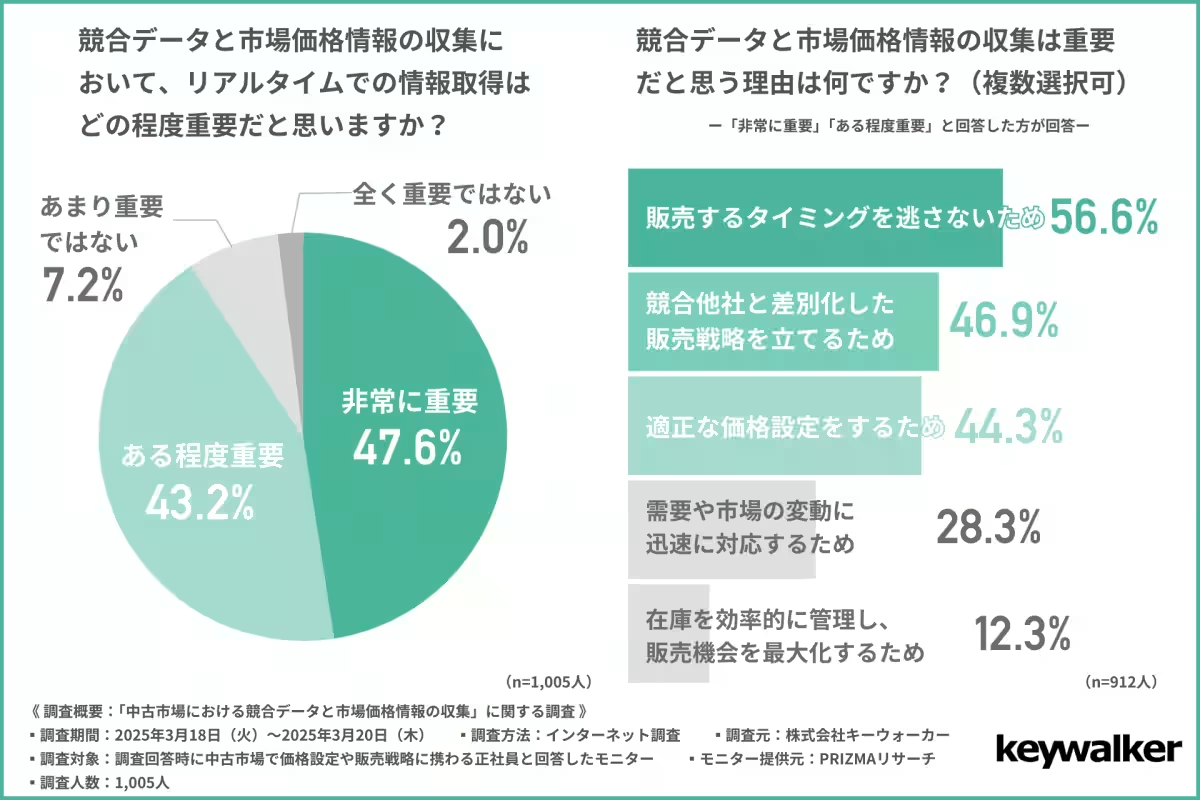
An overwhelming majority of participants (approximately 90%) acknowledged the necessity of obtaining real-time information, with 47.6% deeming it 'very important' and 43.2% indicating it is 'somewhat important.' This underscores the urgency for businesses to respond promptly to the fluidity of market prices.
When inquired about their reasons for prioritizing the collection of competitive data and market prices, 56.6% cited the need to avoid missing sales opportunities, followed by 46.9% who want to differentiate their sales strategies from competitors, and 44.3% who require fair price settings. These insights illustrate that the primary objectives of data collection revolve around optimizing sales strategies, differentiating from competitors, and ensuring price accuracy.
Interestingly, only 12.3% of respondents indicated that efficient inventory management to maximize selling opportunities is a priority, hinting at a broader focus on immediate market responsiveness.
Information Priorities: Tracking Price Movements and Inventory Updates
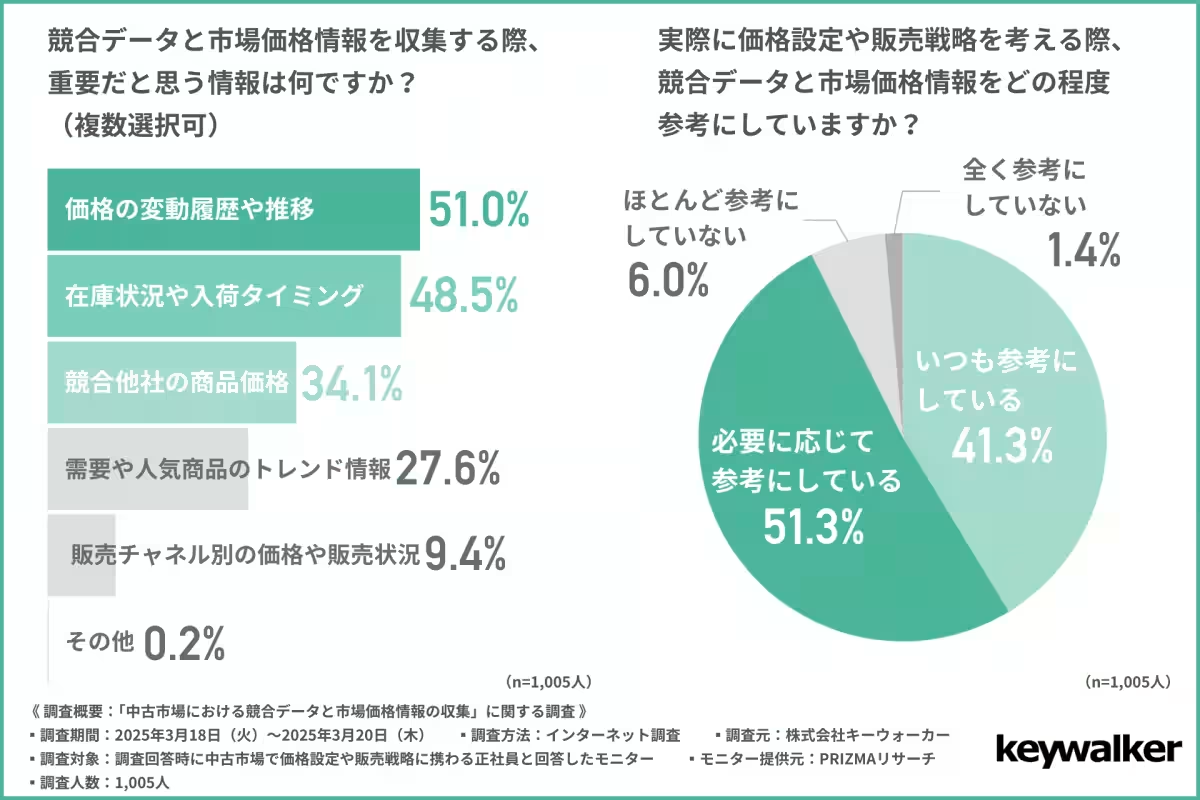
When participants were asked what information is essential while collecting competitive and market price data, 51.0% prioritized keeping track of price fluctuation histories. Following that, 48.5% emphasized the importance of inventory status and arrival times, while 34.1% deemed competitor pricing as a priority. This clearly illustrates the focus on historical price trends and inventory management as critical data points for businesses.
Additionally, around 90% of respondents confirmed that they either 'always reference' data (41.3%) or 'reference it when necessary' (51.3%) when planning pricing and sales strategies. This indicates that data collection is not a mere formal task, but rather a significant pillar supporting strategic decisions. However, the fact that more than half rely on data only 'when necessary' raises concerns about the reliability and freshness of the information, as well as the adequacy of their tools.
Challenges of Manual Data Collection
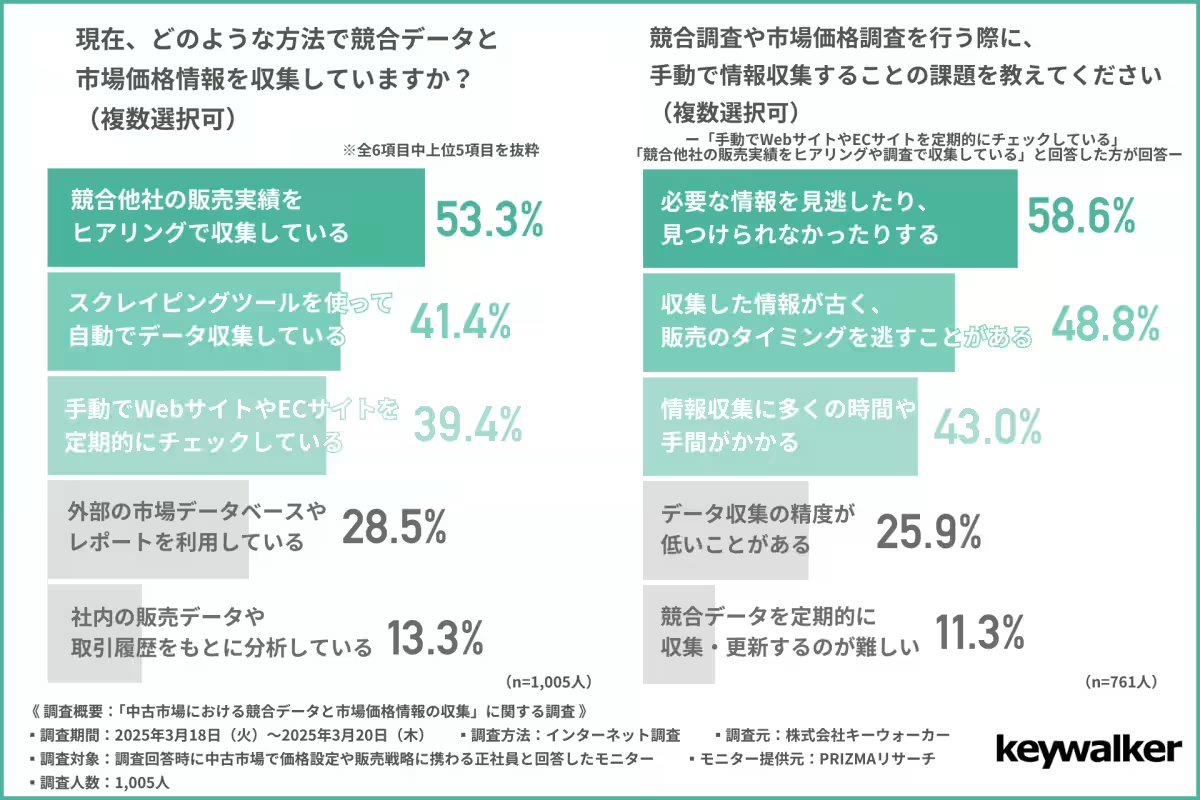
Despite recognizing the importance of real-time data, the primary methods of data collection remain manually driven. When asked about the current approaches to collecting competitive and market price information, 53.3% reported using interviews to gather sales data from competitors, followed by 41.4% employing scraping tools, and 39.4% manually checking websites and e-commerce platforms. While automation technologies are gaining traction, manual methods predominantly persist.
Participants expressed several challenges associated with manual data collection. A concerning 58.6% acknowledged that they often miss vital information, while 48.8% reported issues with outdated information leading them to miss timely sales opportunities. Time and effort burdens, as well as data accuracy, were also pertinent concerns, indicating that manual operations are becoming increasingly problematic.
The Rise of Scraping Tools: High Approval Ratings
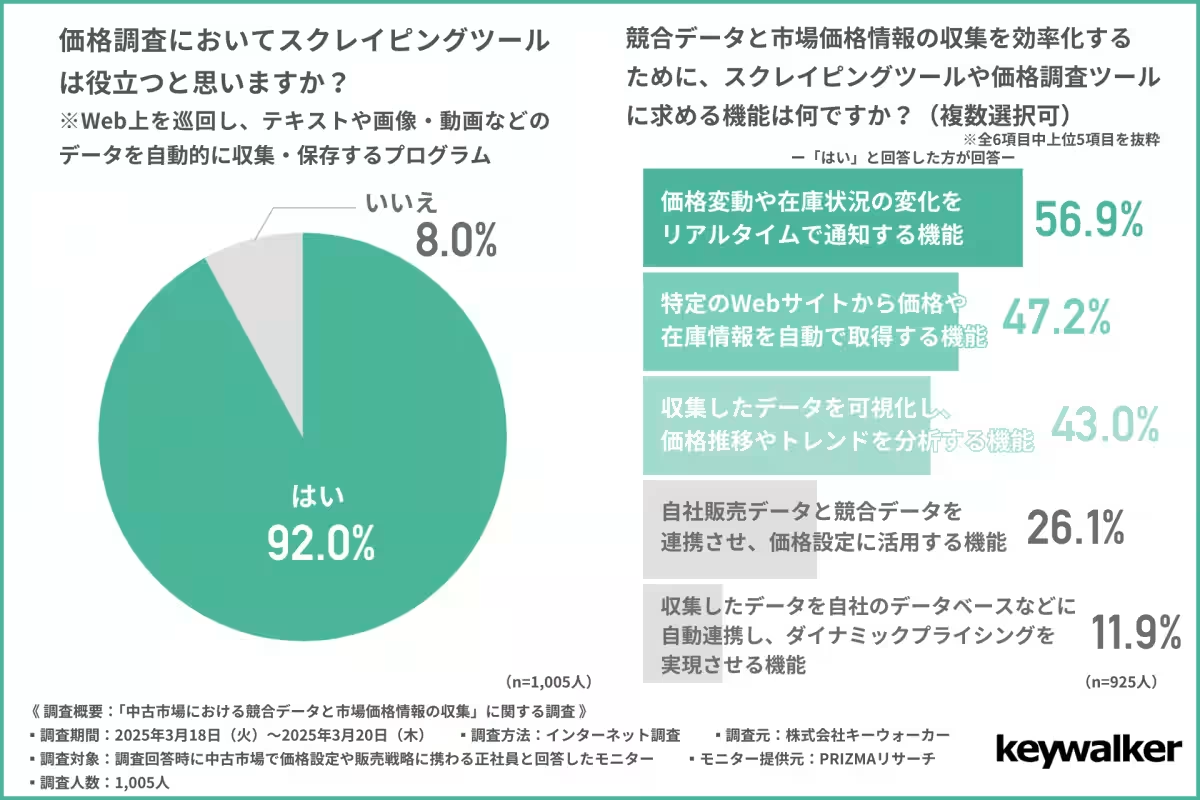
In an encouraging light, over 92.0% of respondents recognized the utility of scraping tools for data collection. The survey illuminated a significant demand among businesses for automated solutions to alleviate the burdens associated with manual work. What features do companies desire from these tools? Over half (56.9%) requested real-time notifications concerning price changes and stock updates. Additional functionalities that respondents deemed valuable included automated data retrieval from specific websites (47.2%) and data visualization features for analyses of price trends (43.0%).
While advanced features such as AI-driven adjustments and data synchronization with in-house systems are appreciated, the initial focus remains on functionalities that deliver immediate operational benefits.
Barriers to Adoption: Support and Integration Concerns
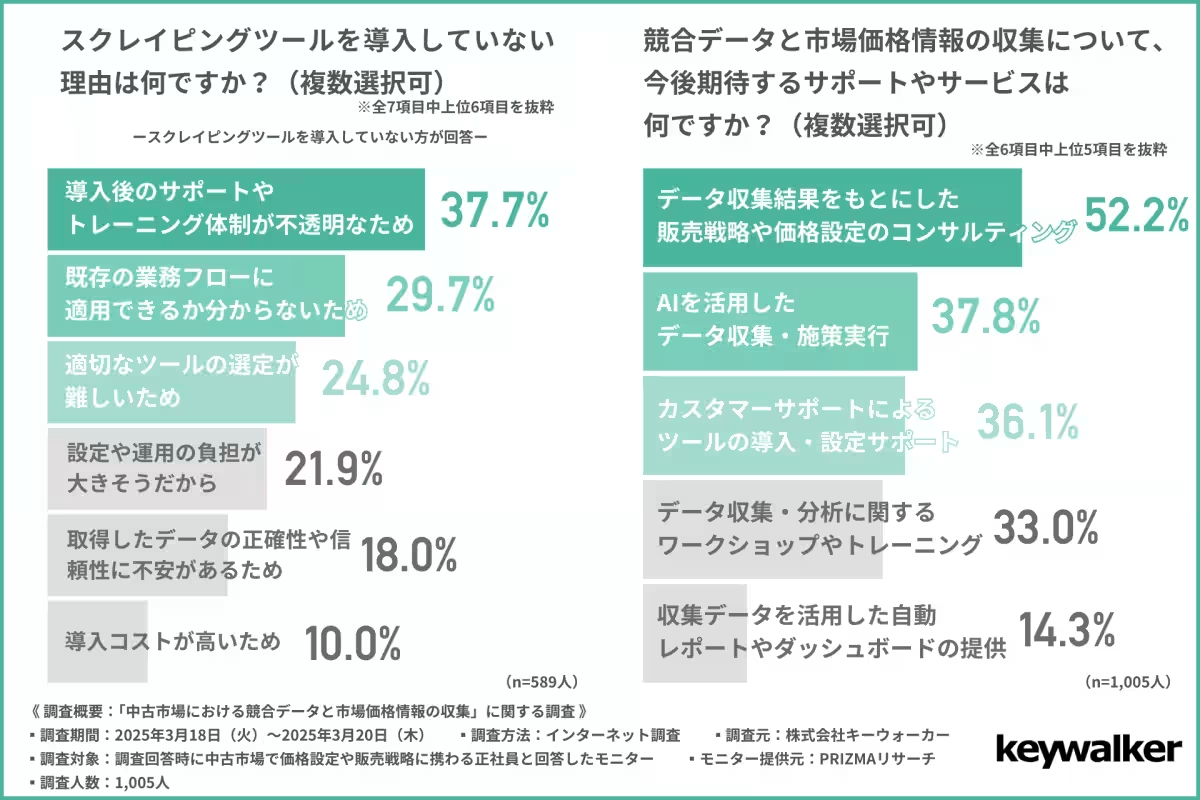
However, reluctance to adopt scraping tools is apparent, with 37.7% of participants citing uncertainties about the support and training available post-implementation, while 29.7% were concerned about whether these tools could adapt to existing workflows. The results indicate that apprehensions about operational integration and support systems overshadow technical complexities in the decision-making process.
Furthermore, many respondents expressed a wish for actionable support services related to data collection, including consulting on sales strategies and price settings based on collected information. This points to a desire for comprehensive support that extends beyond just tool usage.
Conclusion: Demand for Real-Time Information Collection
The findings of this survey reveal significant disparities in the 'information preparedness' of companies within the used market. Despite a collective acknowledgment of the importance of real-time data, the means of information collection remain entrenched in manual methods. The fact that a substantial majority find scraping tools useful yet remain hesitant to adopt them due to support, training, and integration concerns highlighted the need for companies to phase in automated data collection systems.
Above all, the demands for timely price and inventory information will shape the market landscape going forward. As businesses strive to stay competitive, the implementation of efficient data collection strategies is paramount for success. ShtockData, a web scraping and crawling service provided by Keywalker Inc., aims to facilitate these processes and support businesses in leveraging data effectively.

Topics Consumer Products & Retail)




【About Using Articles】
You can freely use the title and article content by linking to the page where the article is posted.
※ Images cannot be used.
【About Links】
Links are free to use.