



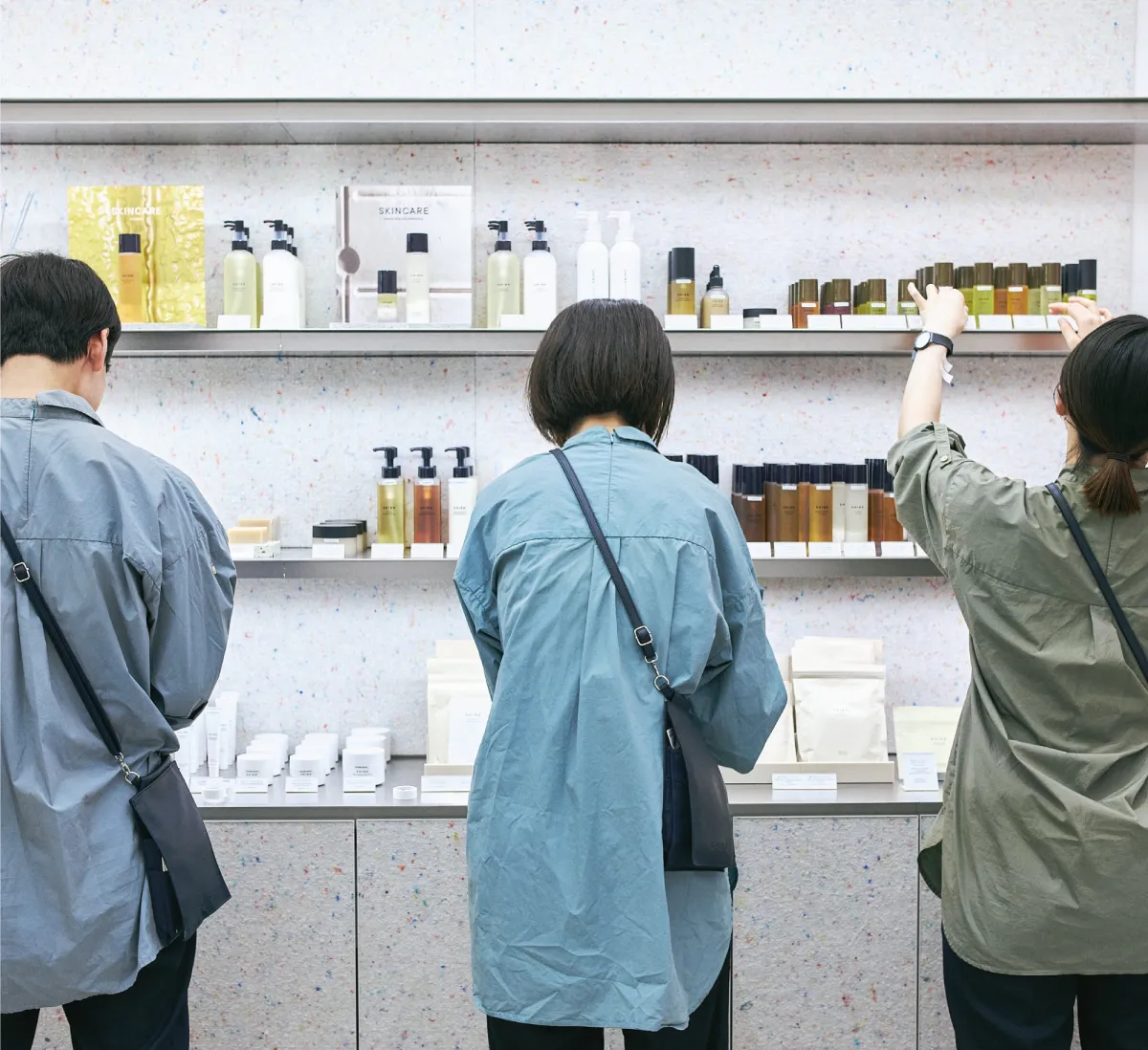
SHIRO's Unique Initiative: Reviving Uniforms Through Natural Dyeing Techniques
Revitalizing Unused Uniforms with Natural Dye
SHIRO, a renowned cosmetic brand, has recently embarked on a unique initiative to breathe new life into uniforms that were slated for disposal. By utilizing natural materials and dyeing techniques, the brand aims to create completely unique and individually styled uniforms. This project adds a creative twist to the traditional recycling process and aligns with SHIRO's ongoing commitment to sustainability.
In March, the staff uniforms at the Hiroshima Minamo store, which featured indigo dyeing, highlighted SHIRO's innovative vision. This latest endeavor aims to transform old uniforms—previously worn and often soiled—into vibrant new garments using eco-friendly dyeing methods.
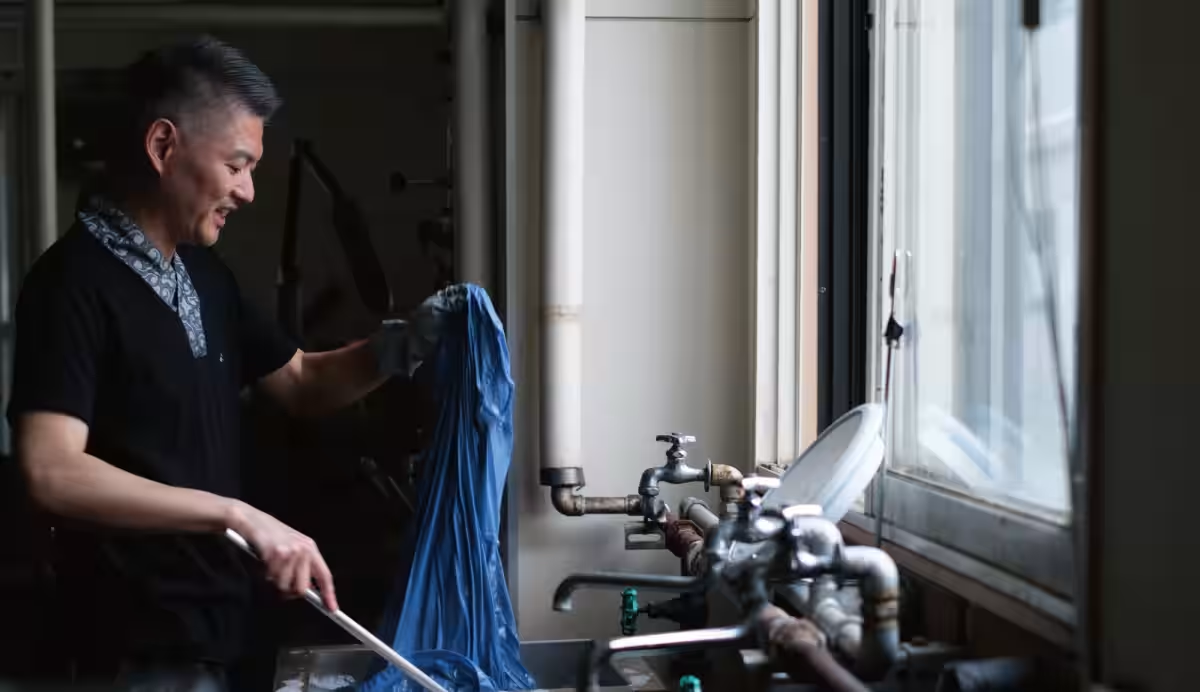
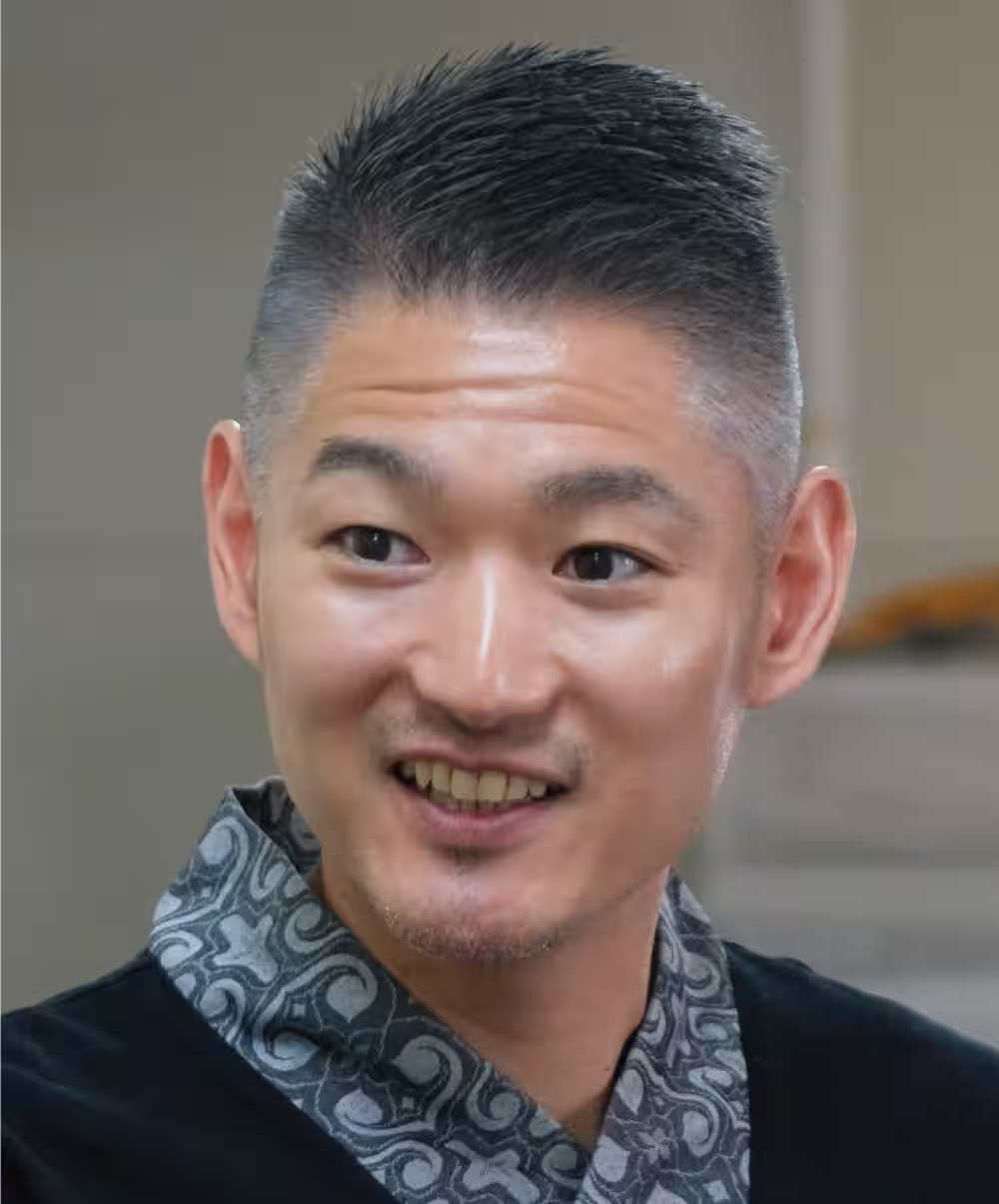
To achieve this, SHIRO partnered with the esteemed Noguchi Dye Works, located in Sapporo, Hokkaido. They specialize in kimono dyeing, cleaning, and restoration. Under the leadership of Shigetarou Noguchi, SHIRO engaged in this project to dye these uniforms with natural materials that were otherwise destined for waste.
The Beauty of Kimono
The essence of kimono culture lies in its sustainable practices—kimono can be tailored, unstitched, and re-dyed, consuming the original fabric to create beautiful new garments. Even beyond their intended use as clothing, kimonos are often repurposed as rags and eventually reduced to ash, which can be transformed back into a dyeing agent. Shigetarou Noguchi emphasizes that this full-circle approach is the cornerstone of Japan's craftsmanship and aligns perfectly with SHIRO's zero waste initiative.
The collaboration began when Noguchi reached out to SHIRO, inspired by their commitment to sustainable practices and their shared pride in producing goods within Hokkaido. This synergy kicked off a collective effort to give unused uniforms a second chance through the art of natural dyeing.
An Unprecedented Challenge
The task of dyeing worn uniforms with natural materials posed significant challenges. Typically, BetulaN, the dyeing brand operated by Noguchi, works with new fabrics, but the uniforms provided to them came with stains and contamination from regular use, including oil and makeup residues. Additionally, the uniforms contained 30% polyester, complicating the natural dyeing process. Initially, Noguchi suggested using chemical dyes, but after understanding SHIRO's ethos of exploring sustainable alternatives, he bravely accepted the challenge to use natural dyes.
Over a period of about three months, Noguchi dedicated himself to the task. He meticulously cleaned the uniforms using dry cleaning, followed by washing to retain protein, and then applied the dye with enhanced concentration. The process also involved reusing food by-products—such as birch and mugwort waste generated during SHIRO’s other operations—to create rich and vibrant colors. What once was considered waste has now become a valuable resource, illustrating the innovative mindset of Noguchi and the potential for repurposing materials.
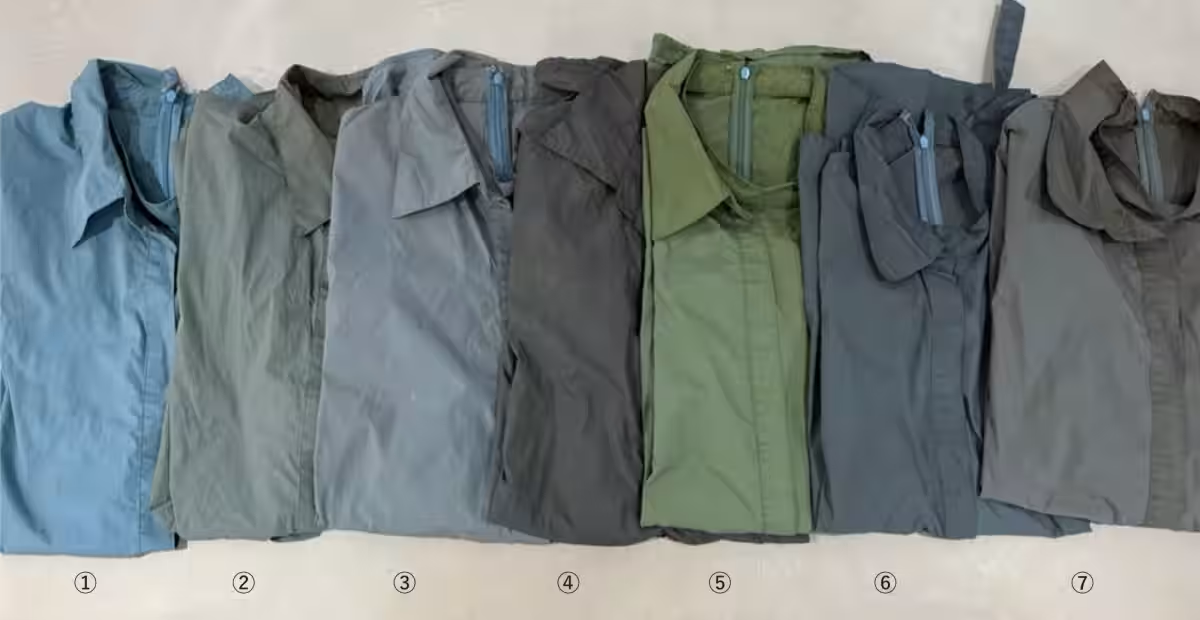
Engaging with diverse natural materials, the project utilized seven different dye sources:
1. Grape Skin: Leftover from rosé wine production by a local winery.
2. Coffee Beans: Unused beans from a nearby coffee shop.
3. Birch Branches: Thinned branches from birch forests managed by SIRACA.
4. Birch Waste Liquid: By-product from steaming birch leaves for SHIRO's products.
5. Mugwort Waste Liquid: By-product from a mugwort distillation process.
These materials were either discarded or no longer useful; however, with Noguchi's vision, they found new life as they were transformed into vibrant dye solutions.
Launching at Shibuya PARCO Store
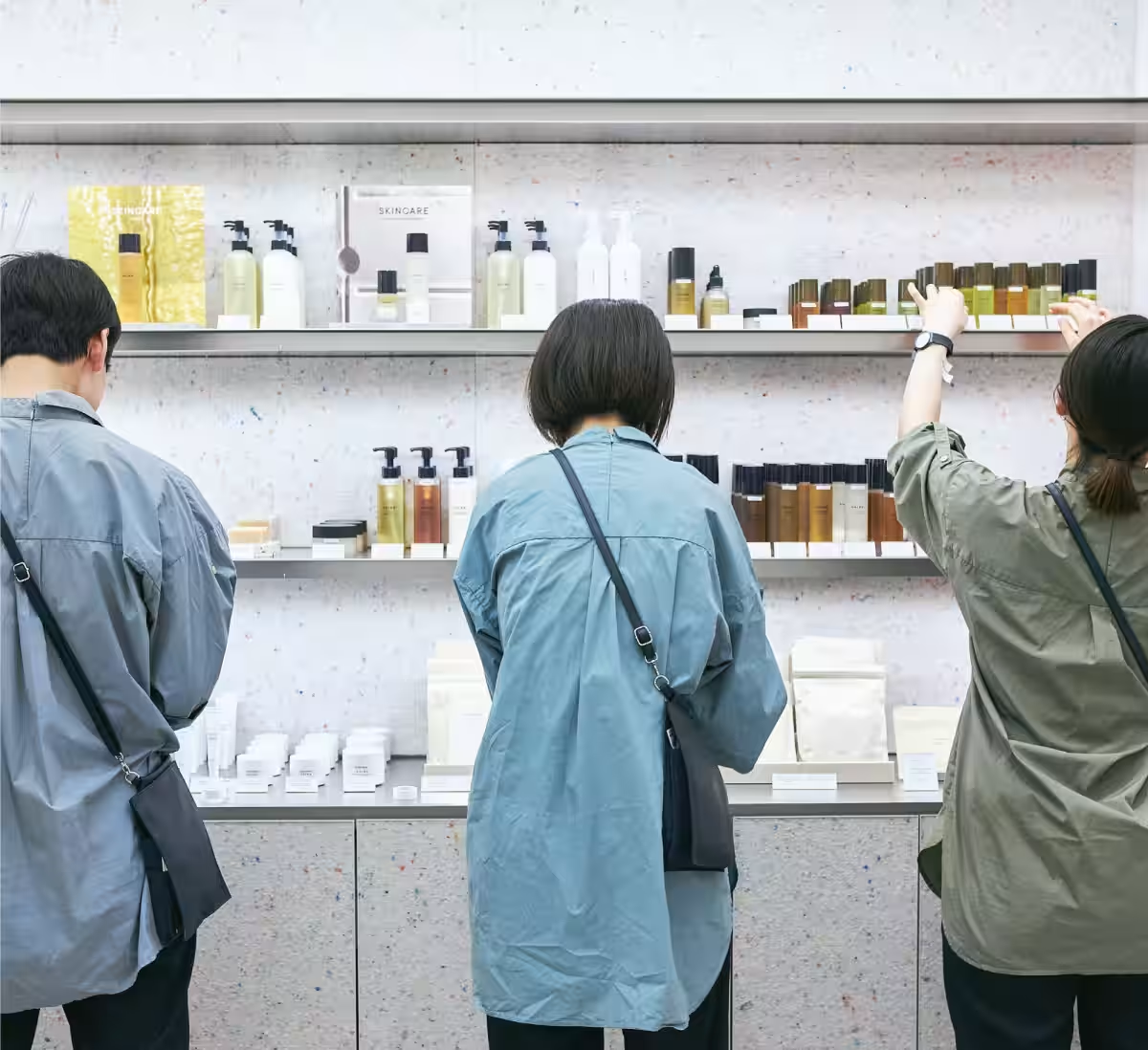
This creative initiative was launched with the opening of the Shibuya PARCO store in June 2025, where staff get to choose their favorite color uniforms from a selection of these unique dyed creations. Currently, other store locations are also piloting these newly dyed uniforms, starting with managers wearing them as an initial test.
The dyeing process is intricate; the timing must align with when Noguchi is available, as well as the availability of dye ingredients. The ultimate goal is to ensure that every uniform is unique and personally crafted to reflect the individuality of the wearers.
SHIRO also envisions adding decorative touches, such as patches and embellishments, ensuring that each piece is distinctly one-of-a-kind. Just as human skin tones vary, these uniforms may feature diverse colors and designs tailored to the wearer.
A Commitment to Sustainability
In 2023, SHIRO made a significant declaration to pursue a zero-waste policy through their “SHIRO 15 Year Declaration”. This includes the ongoing project of collecting used glass containers for reuse by mid-2024, along with garment recycling. The effort to relive the uniforms stems from a broader commitment to recognizing the value in existing materials instead of creating new items, all while minimizing the ecological impact.
Through these initiatives, SHIRO continues to explore inventive ways to contribute to a circular economy. By breathing new life into discarded fabrics, they exemplify their vision for sustainability, illustrating that waste can indeed transform into creativity.
About Shigetarou Noguchi
Shigetarou Noguchi, the fifth-generation head of Noguchi Dye Works, is dedicated to pursuing the art of natural dyeing in Hokkaido. He started BetulaN in 2023, focusing on making use of birch trees and incorporating local resources into his dyeing practices. He also launched the Re COLOR PROJECT, demonstrating his commitment to using waste products in dyeing, all while narrowing the gap between the traditional Japanese kimono industry and contemporary fashion preferences.
Noguchi continues to innovate, combining the rich heritage of kimono culture with environmental consciousness, thus paving the way for a more sustainable future in fashion.
SHIRO is dedicated to offering products that enhance everyday life while ensuring they remain rooted in ethical production practices. As they move forward, their journey emphasizes the importance of innovation in sustainability.

Topics Consumer Products & Retail)



【About Using Articles】
You can freely use the title and article content by linking to the page where the article is posted.
※ Images cannot be used.
【About Links】
Links are free to use.