



Bridging the Communication Gap in Graduate Recruitment: What Students Prefer
Understanding the Communication Gap in Graduate Recruitment
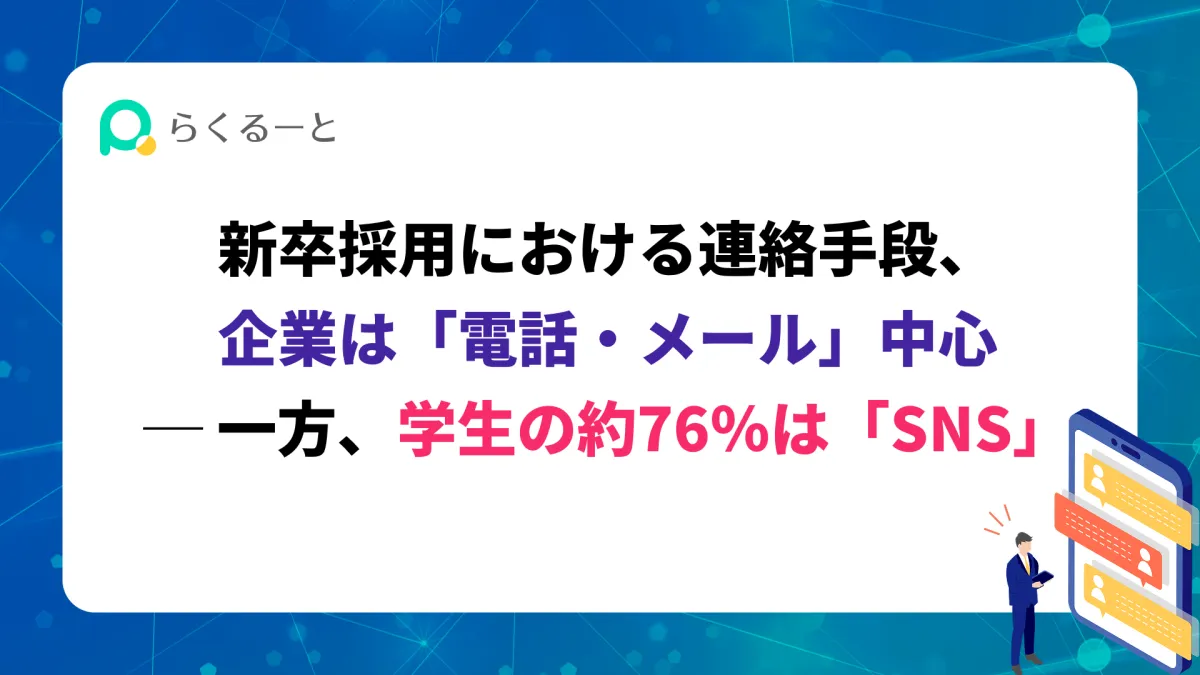
In the realm of graduate recruitment, effective communication between employers and applicants is paramount. Recent findings from a survey conducted by Aisis Inc., based in Shibuya, Tokyo, shed light on a stark contrast in communication preferences between companies and graduates. While businesses predominantly rely on traditional methods such as phone calls and emails, approximately 76% of students prefer using social media platforms (SNS) for their daily interactions. This discrepancy poses challenges for recruitment processes, leading to delays and miscommunications.
Survey Overview
The survey aimed to address the communication dynamics between recruiters and potential candidates within the last three years. Conducted via online platforms like Fastask on November 7, 2025, it gathered responses from 437 recruitment professionals across Japan.
Key Findings
1. Traditional Methods Dominate Employer Communication
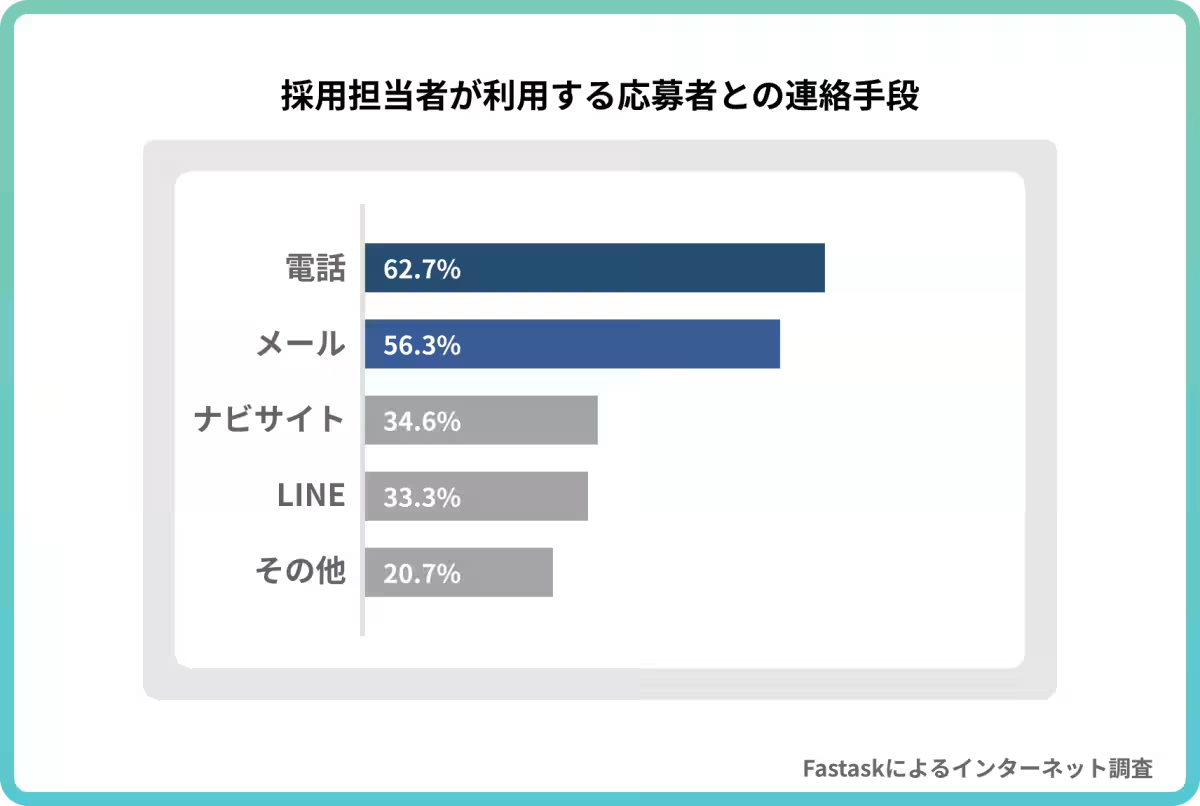
The survey revealed that 62.7% of employers primarily use phone calls, followed by 56.3% who opted for email as their main contact method with applicants. Only 33.6% of companies employed messaging apps like LINE, showcasing a reliance on outdated communication methods.
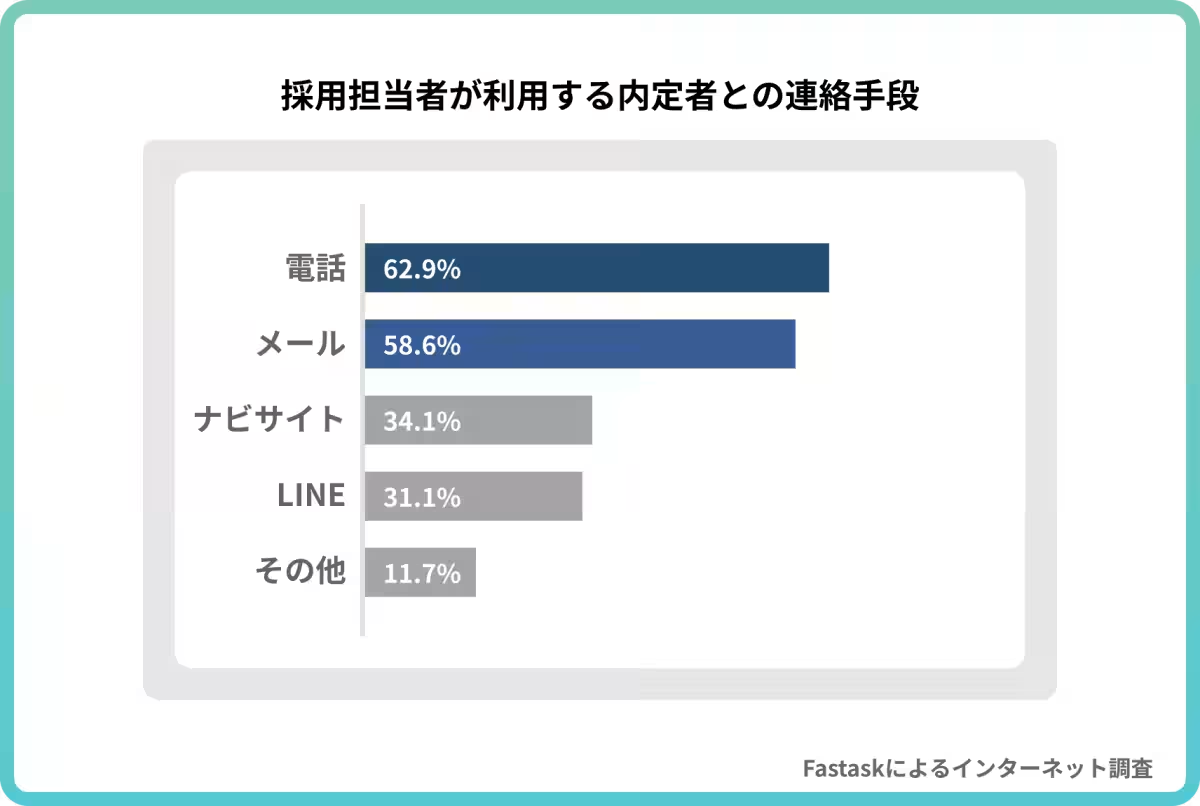
A similar trend was observed in communications with accepted candidates, where 62.9% opted for phone calls and 58.6% utilized emails. The reliance on conventional methods signals potential inefficiencies in the talent acquisition process.
2. Student Preferences Lean Towards Social Media
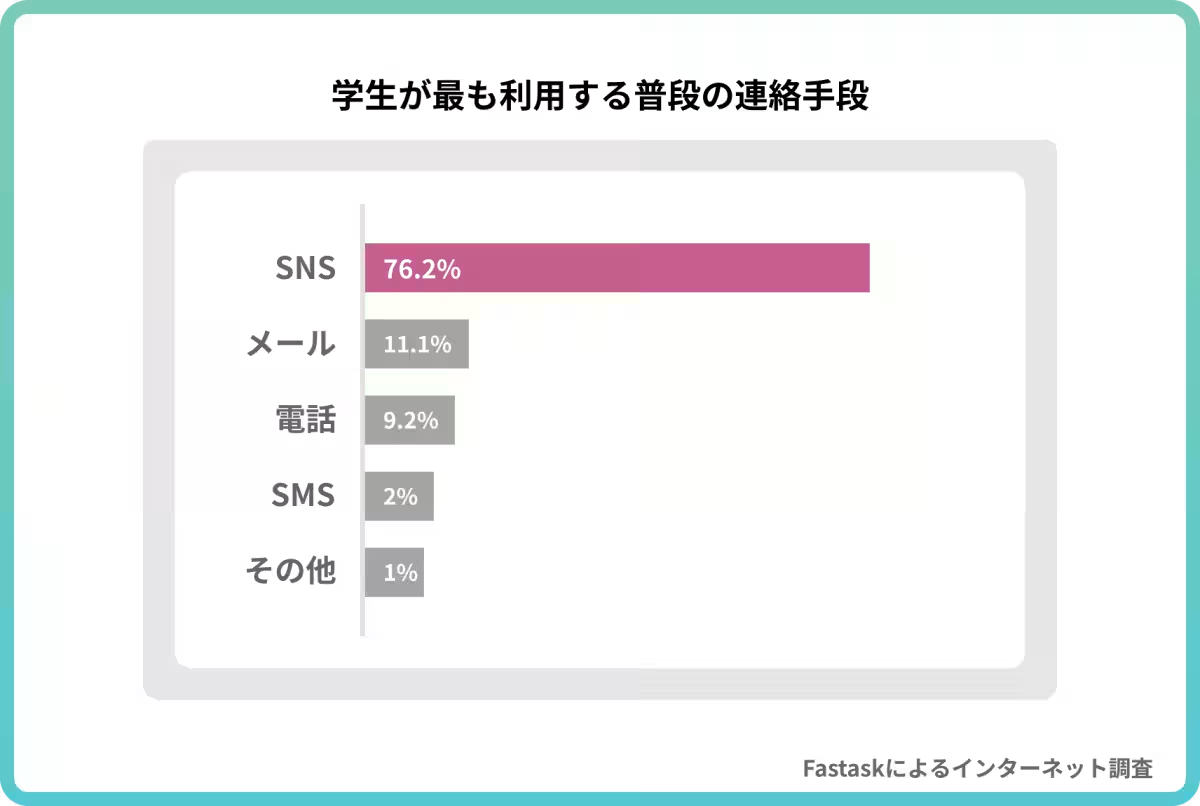
In stark contrast, the student demographic exhibited a strong inclination towards SNS, with 76.2% naming it their primary means of communication, while only 9.2% used phones and 11.1% relied on emails. This disconnect underscores a significant gap between how companies communicate and how students interact in their daily lives.
Analyzing the Gap
This disparity presents a vital consideration for human resources. Delays in candidate responses cannot solely be attributed to a lack of motivation or interest. Instead, if companies utilize communication channels disconnected from students’ daily interactions, it can lead to longer response times and decreased prioritization of hiring inquiries.
Recommendations: Embracing Technology to Close the Gap
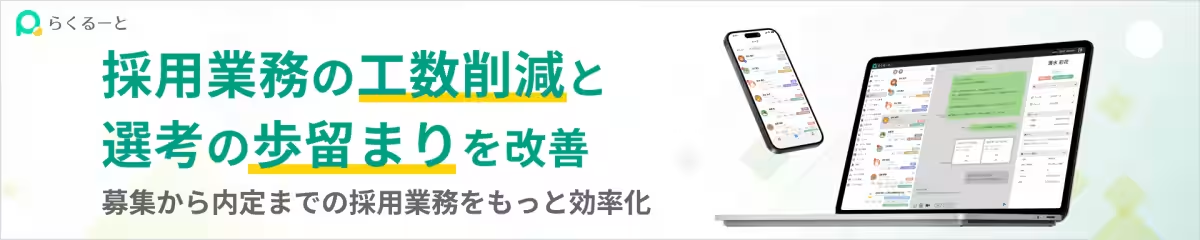
One potential solution to this communication issue is integrating LINE into the hiring process. By using dedicated recruitment management tools like
Topics Other)
【About Using Articles】
You can freely use the title and article content by linking to the page where the article is posted.
※ Images cannot be used.
【About Links】
Links are free to use.