



Why Your Perception of Time Might Be an Illusion: Insights from Homeport's LCS 2025 White Paper
The Illusion of Time: Insights from Homeport's Latest Research
In a fast-paced world, the sentiment of "I don't have enough time" often becomes a self-imposed barrier. However, recent findings from Homeport’s "LCS White Paper 2025" suggest that this perception might be more of an illusion than reality.
Homeport, a Tokyo-based company focused on enhancing family well-being and productivity, conducted a survey among graduates of their "Family Empowerment Project®". This survey was aimed at uncovering the relationship between household organization and time management. The results indicate a compelling link: those who have adopted practices for maintaining an organized environment tend to experience significantly higher levels of productivity and focus.
Survey Highlights: A Shift in Time Perception
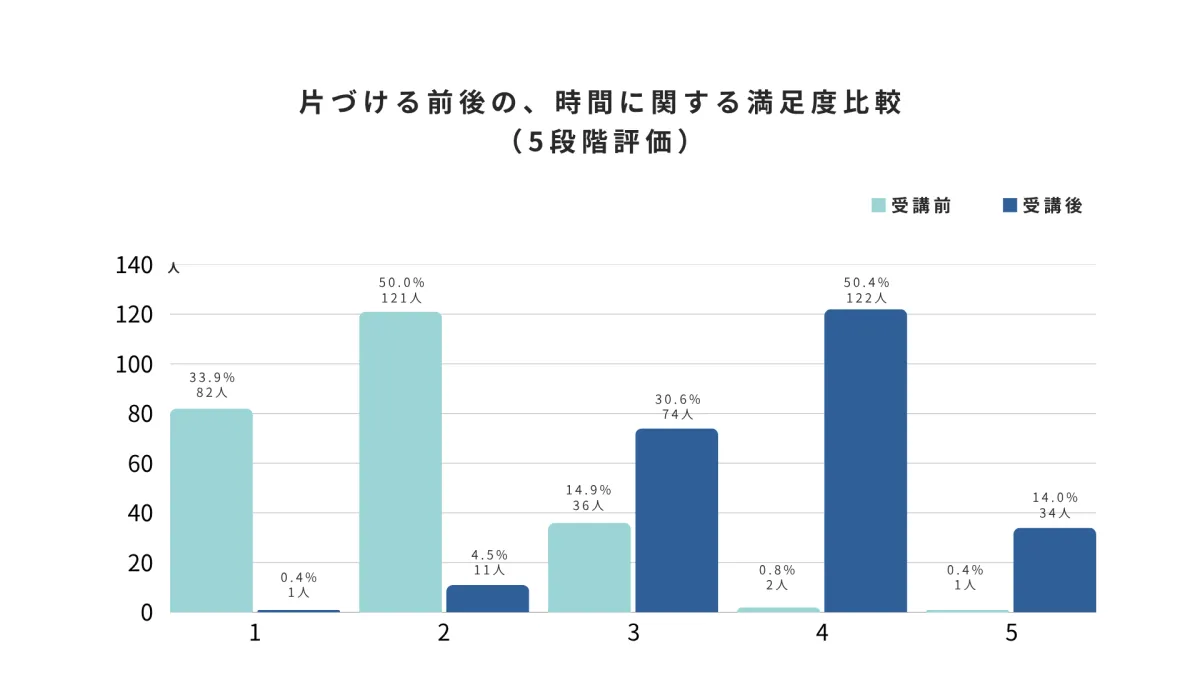
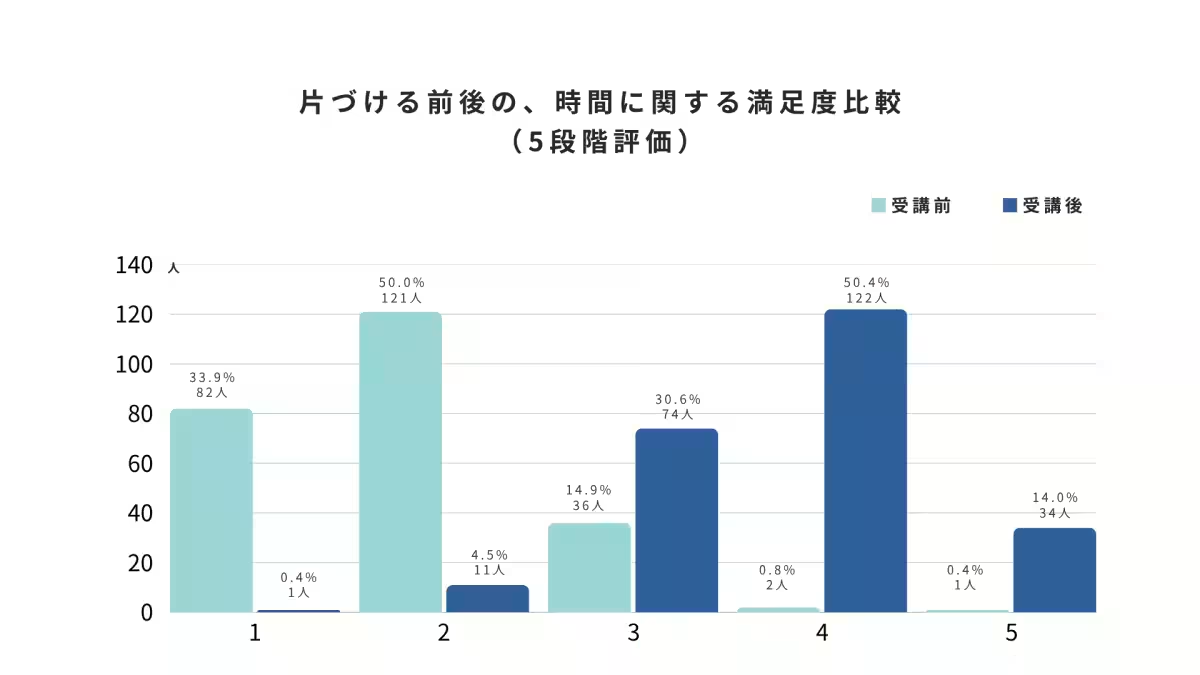
Surprisingly, before participating in the Family Empowerment Project®, only 14.9% of respondents reported being satisfied with their time management. However, after completion, this figure rose dramatically to 50.4%. The survey, which garnered responses from 242 out of 1,236 participants, revealed that individuals who regularly engaged in organizing their home actually felt like they were regaining control over their time rather than merely creating more of it.
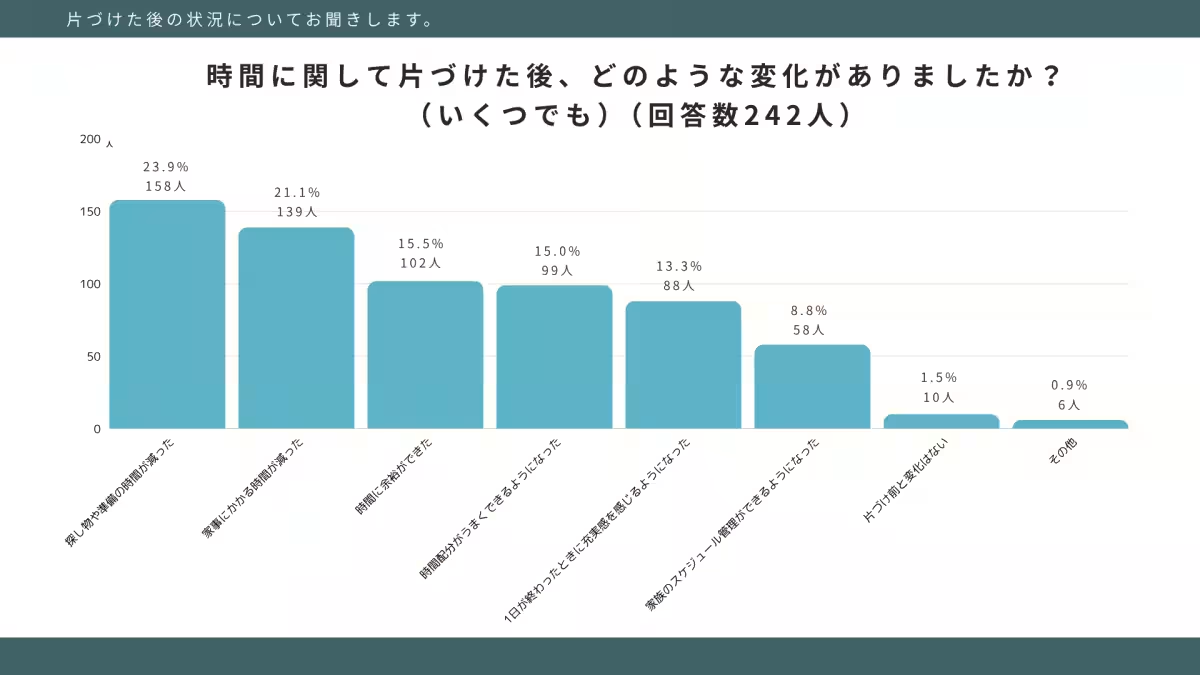
Change was evident in various aspects of their daily lives: 23.9% reported reduced time searching for items or preparing tasks, 21.1% experienced shorter housework durations, and 15.5% noted they gained more leisure time. This sentiment aligns well with the notion that organizing one’s living space can create a sense of mental clarity and efficiency in task management.
Organizational Success Equals Productivity Gains
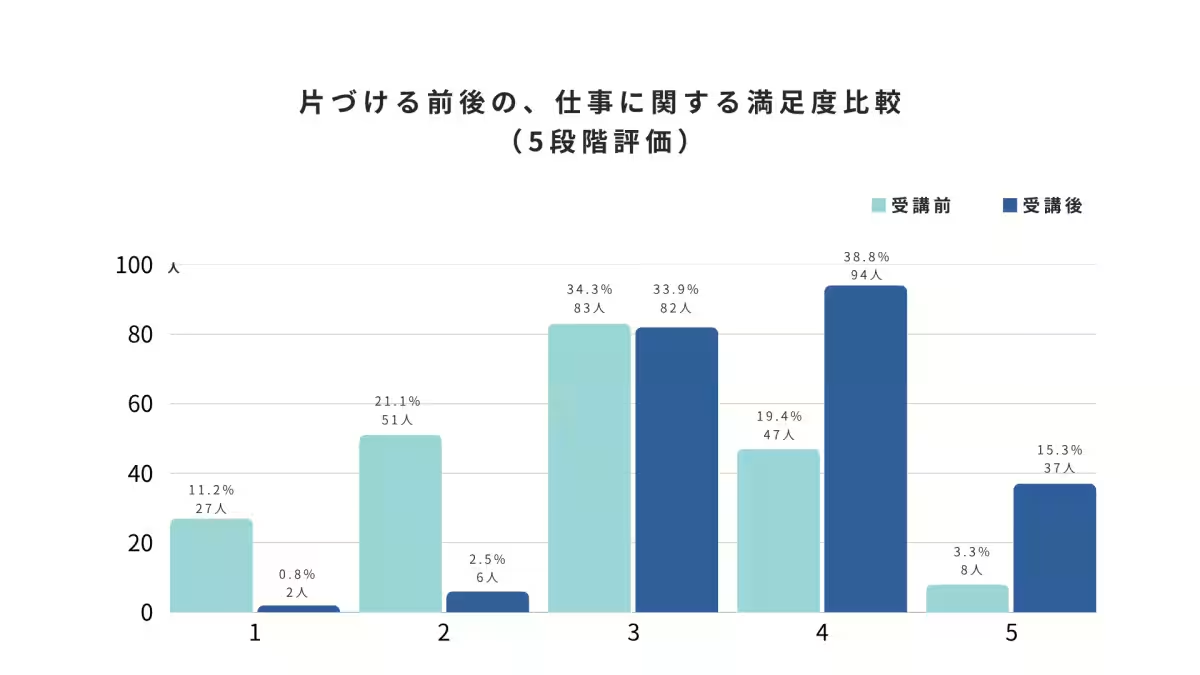
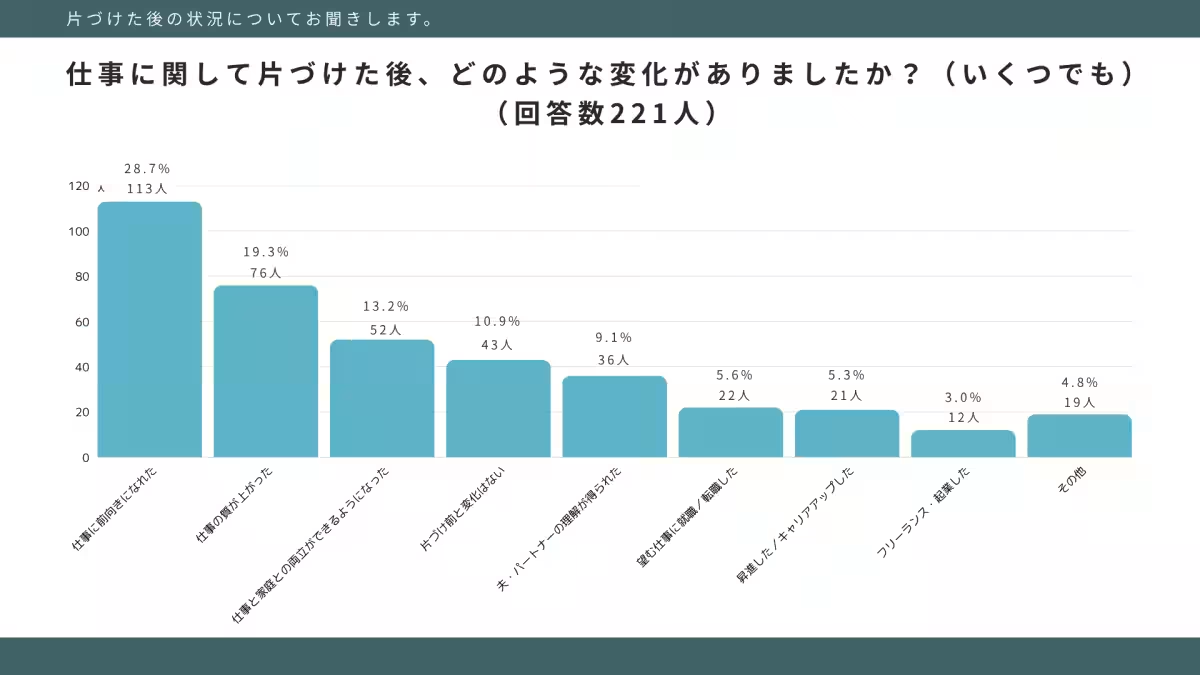
Further reinforcing this data, the project indicated that respondents' job satisfaction levels surged from 22.7% to 54.1% post-program completion. This increase in job satisfaction appears to bear witness to the principle that an organized home environment fosters higher productivity at work. A notable 28.7% of participants felt more positive about their jobs while 19.3% acknowledged an improvement in the quality of their work.
Financial Benefits from Home Organization
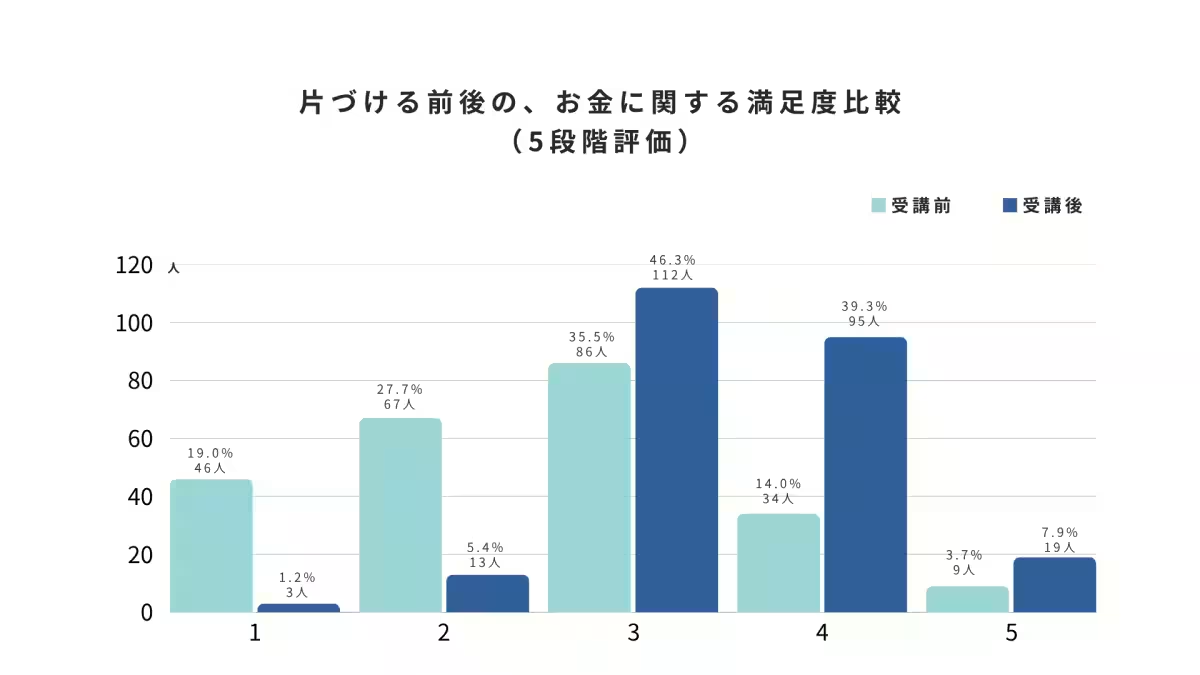
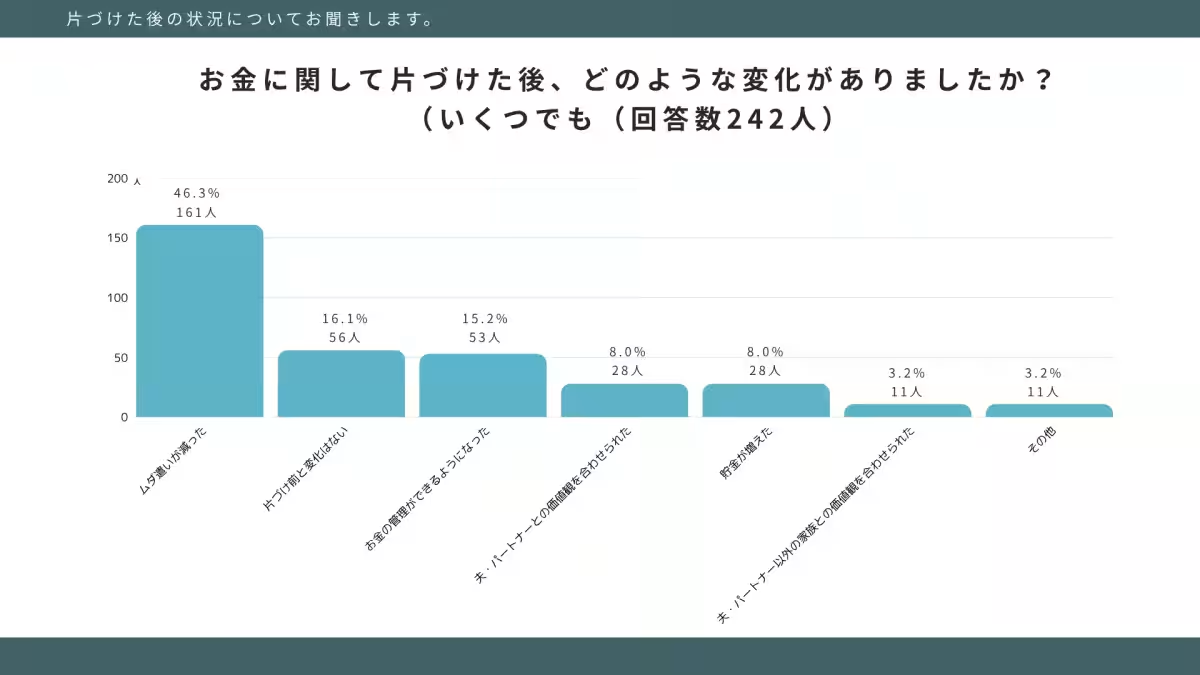
Alongside improved time management and job satisfaction, financial literacy and management also saw positive results. Satisfaction regarding their financial situations rose from 17.7% to 47.2%. Participants reported a reduction in unnecessary expenditures (46.3%) and an enhanced ability to manage their finances (15.2%). This financial acuity not only improved individual finances but also facilitated better communication between partners regarding fiscal priorities, as noted by 8% of the respondents.
Mental Health and Stability Through Organization
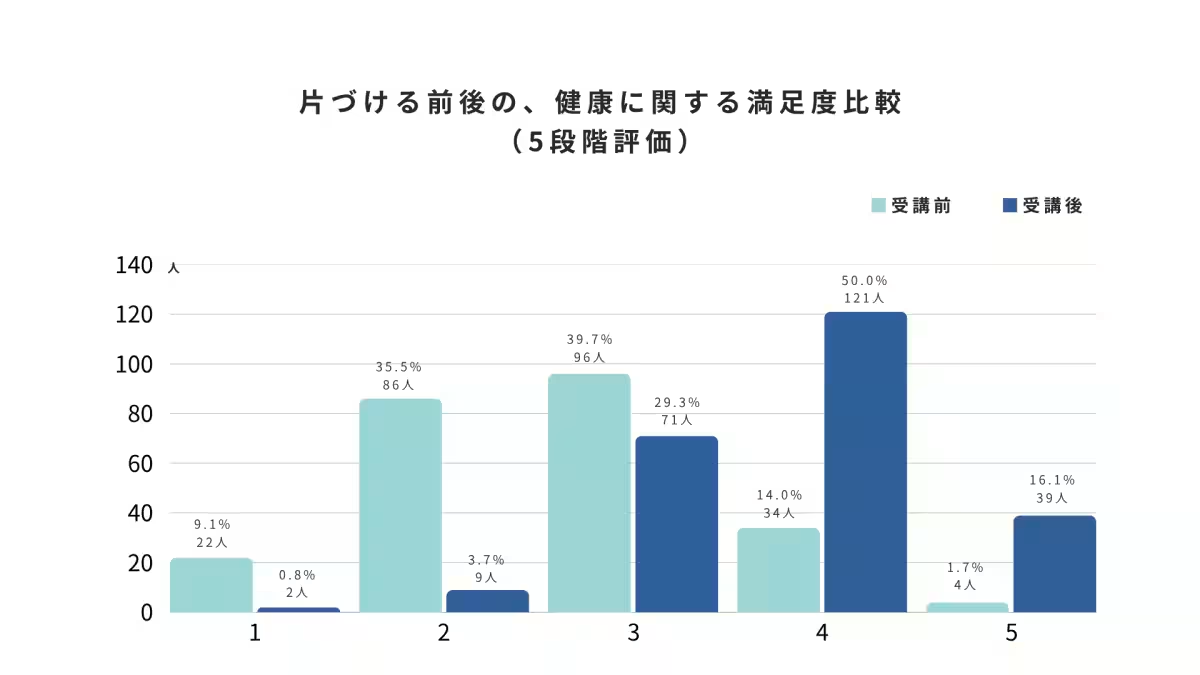
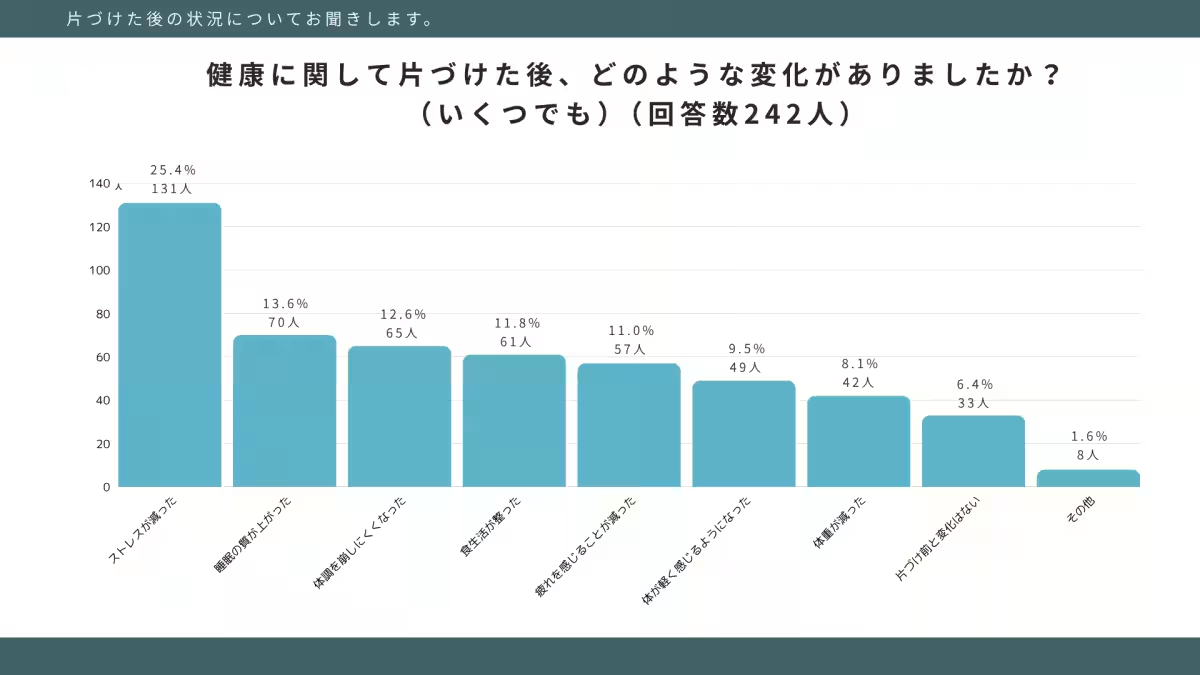
The program also displayed an improvement in participants' health satisfaction, rising from 15.7% pre-program to 66.1% post-program. Individuals reported reduced stress (25.4%), better sleep quality (13.6%), and fewer health issues (12.6%). These findings suggest that home organization contributes significantly to alleviating environmental stressors and stabilizing one's lifestyle, enhancing overall mental health.
Expanding Life’s Possibilities Through Organized Living
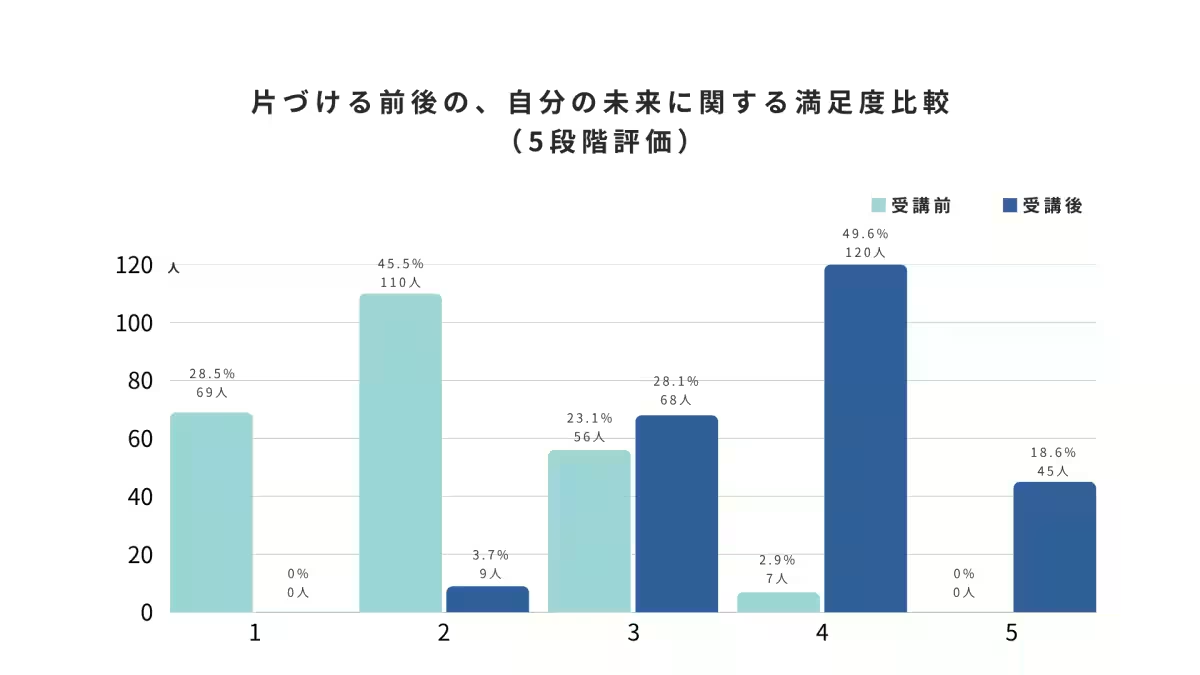
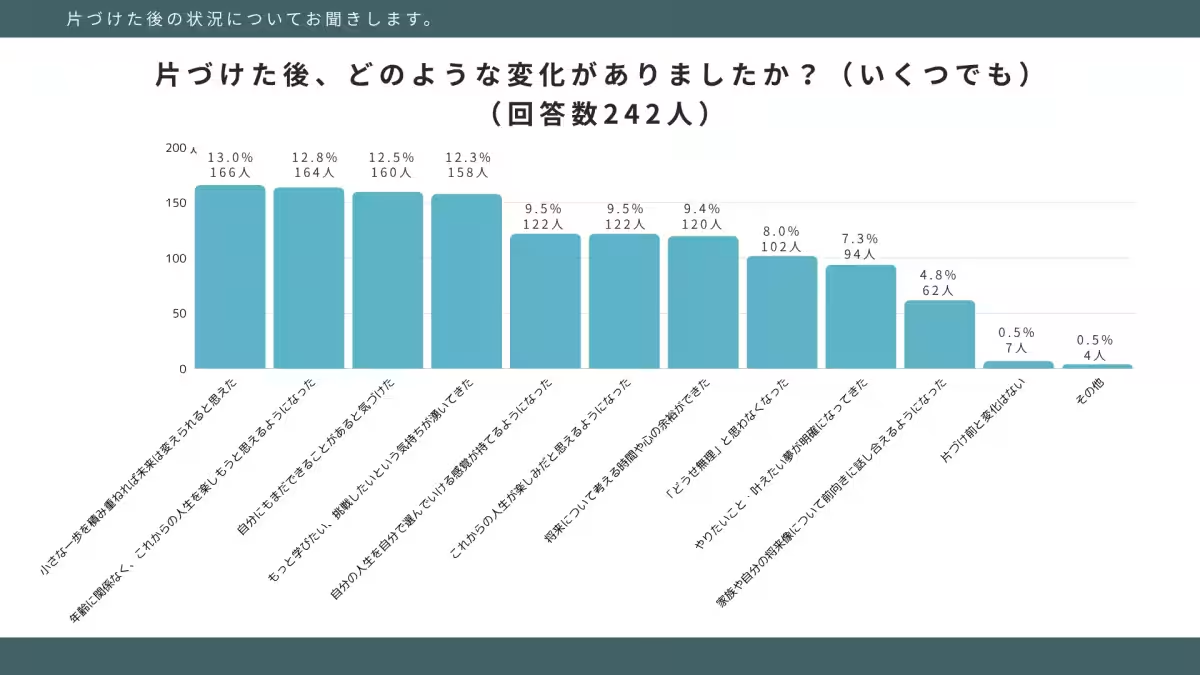
Most remarkably, the participants' satisfaction regarding their future soared from 2.9% to 68.2%. Many respondents voiced newfound motivations, claiming that small incremental changes inspired hope for a better future and encouraged them to pursue learning and challenges. This suggests that an organized home can act as a catalyst for personal growth and self-affirmation, empowering individuals to actively design their futures.
Homeport's Commitment to Societal Change
As highlighted by representative Sachi Nishizaki, the core mission of Homeport encompasses more than just organization; it’s about cultivating relationships and understanding. The changes observed in households underscore the principle that such personal transformations can resonate outwardly, ultimately impacting broader societal dynamics. Homeport envisions a future where strengthened family structures connect effectively with workplace demands, thereby benefiting both personal lives and professional landscapes.
In conclusion, the "LCS White Paper 2025" underscores the profound influence that organized living can have, not solely on individual productivity but on wider social configurations. Homeport aims to leverage this insight to foster societal connections and sustain improvements in both home and workplace environments, enhancing overall well-being.
For those interested in exploring this further, Homeport offers various collaborations and research opportunities, reinforcing their commitment to create a more organized and productive society.
Contact Information
To learn more about Homeport's initiatives, get in touch via their website or reach out directly through email.
Topics People & Culture)

【About Using Articles】
You can freely use the title and article content by linking to the page where the article is posted.
※ Images cannot be used.
【About Links】
Links are free to use.