



The Key Reasons Behind Recent Startup Failures in Japan's IT Sector
Understanding the Landscape of Startup Failures
In the dynamic world of entrepreneurship, failure is often seen as a stepping stone toward success. However, understanding the reasons behind these failures is critical for future endeavors. Recently, Engineerforce Inc., a notable IT company based in Shibuya, Tokyo, conducted an insightful survey to uncover the candid thoughts and experiences of personnel involved in new business ventures. This study particularly focused on 111 individuals who had encountered setbacks in their projects within the last three years.
Key Findings
The study revealed several alarming statistics regarding the underlying causes of startup failures:
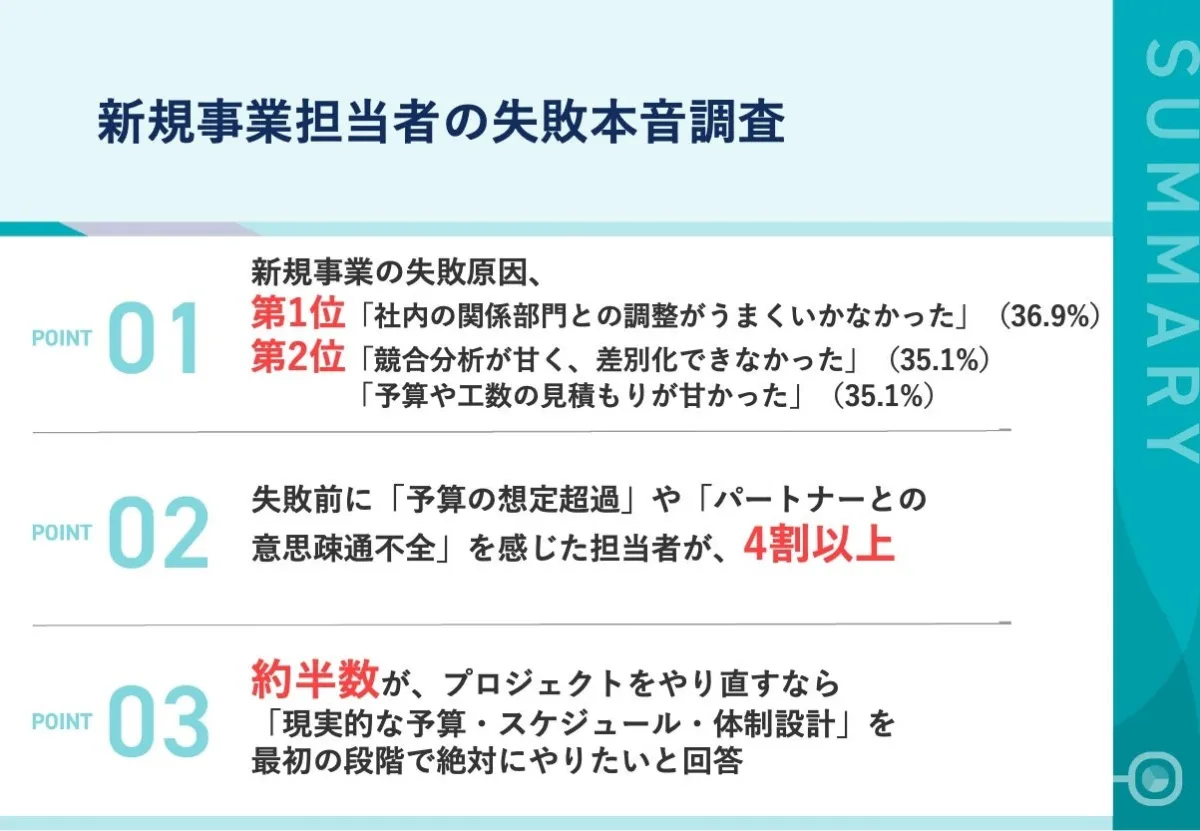
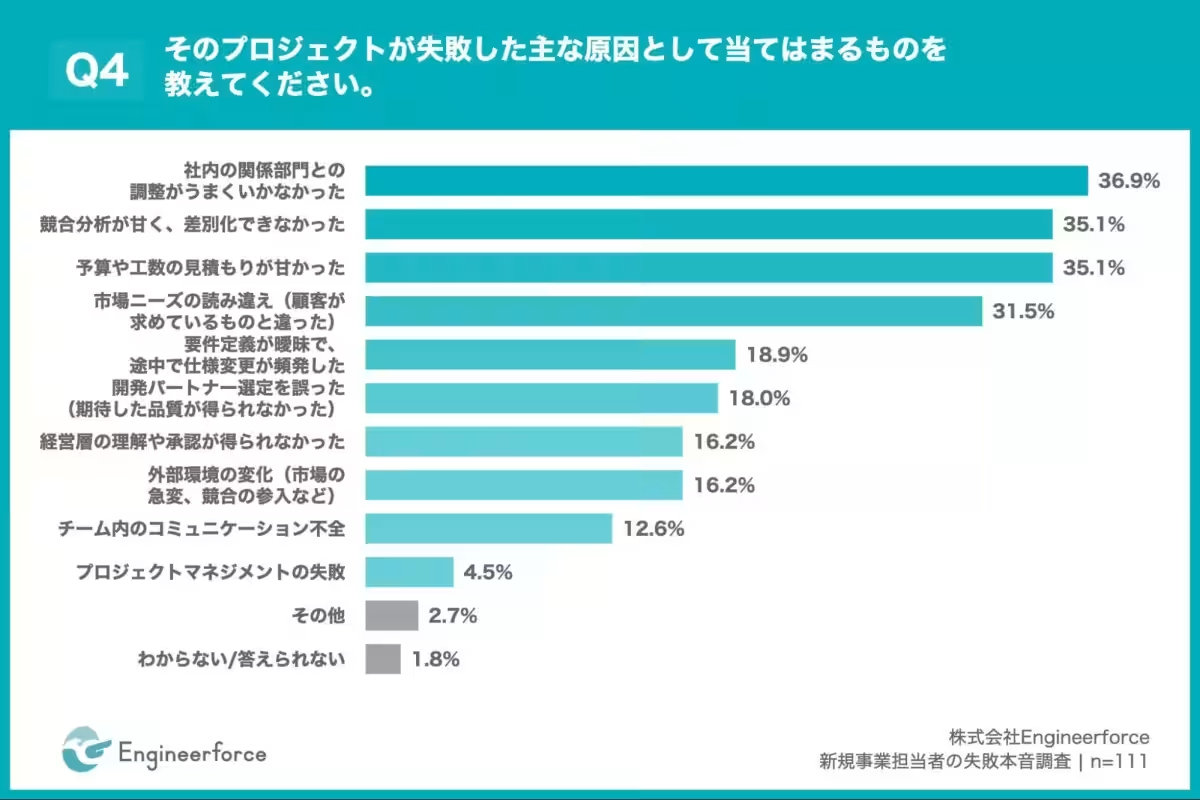
1. Internal Coordination Issues: A staggering 36.9% of respondents identified inadequate internal coordination as the primary reason for project failures.
2. Weak Competitive Analysis: Conversely, 35.1% attributed their struggles to insufficient competitive analysis, resulting in a lack of differentiation within the market.
3. Estimate Underestimations: The same percentage (35.1%) pinpointed poor budget and manpower estimations as yet another downfall.
These findings reflect a concerning trend in the business landscape, where internal factors overshadow market misjudgments.
Pre-Failure Indicators
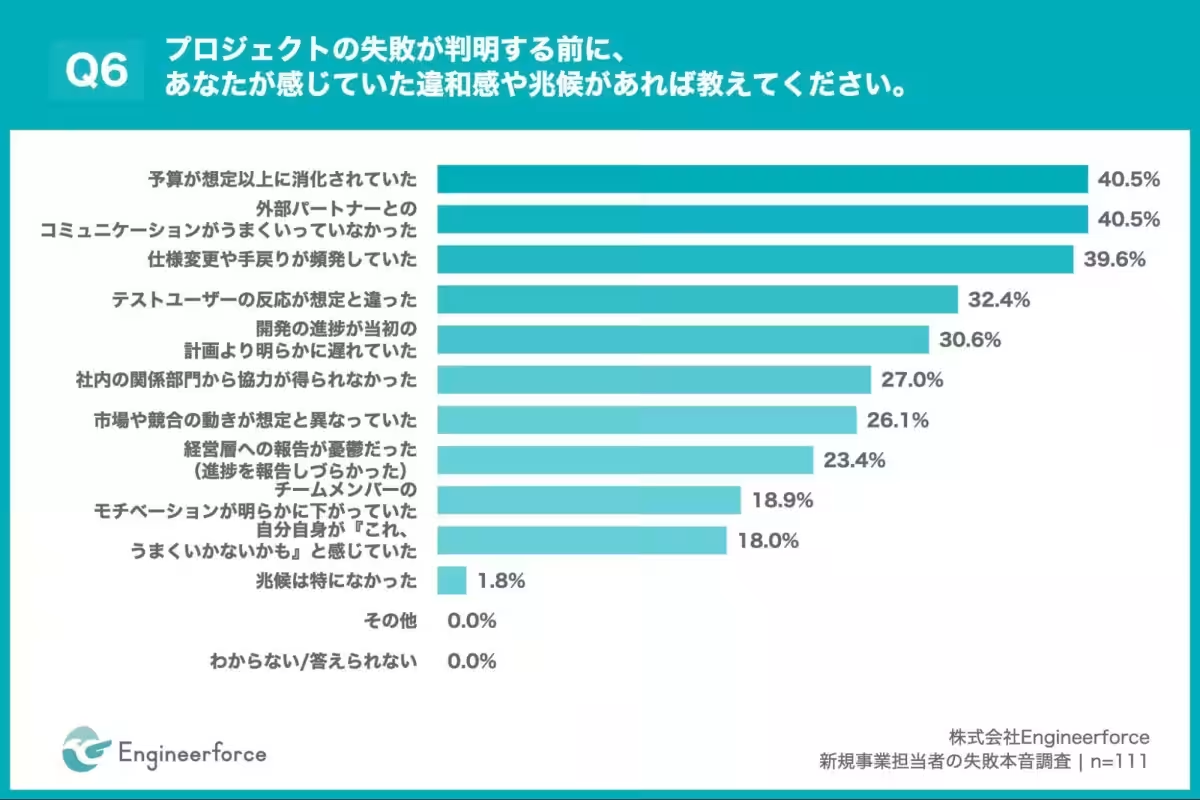
The landscape of project management is often littered with red flags prior to collapse. In the survey, over 40% of participants noted they sensed issues such as cost overruns or communication failures with partners before their projects faltered. This indicates potential gaps in project management practices and highlights the need for early detection systems.
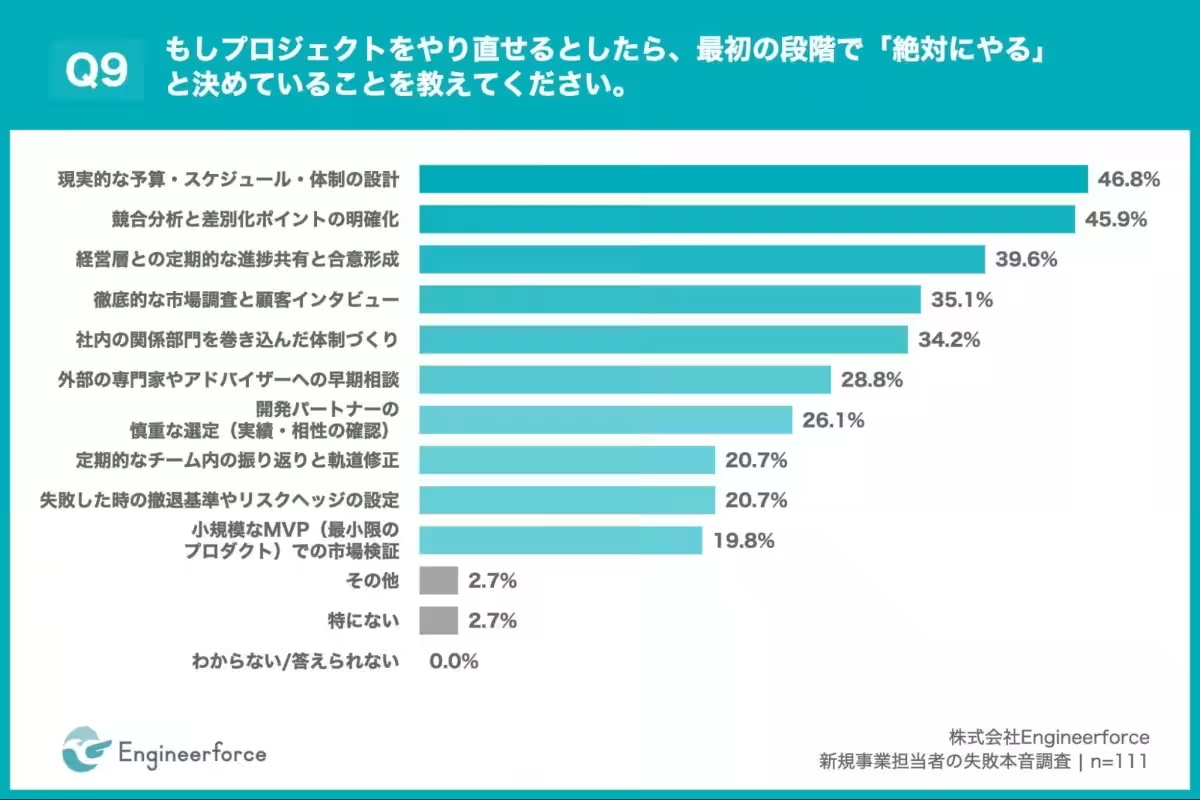
When asked what they would prioritize if given another chance, nearly half of the respondents (46.8%) emphasized the imperative to set realistic budgets, schedules, and organizational designs.
Budgeting Challenges
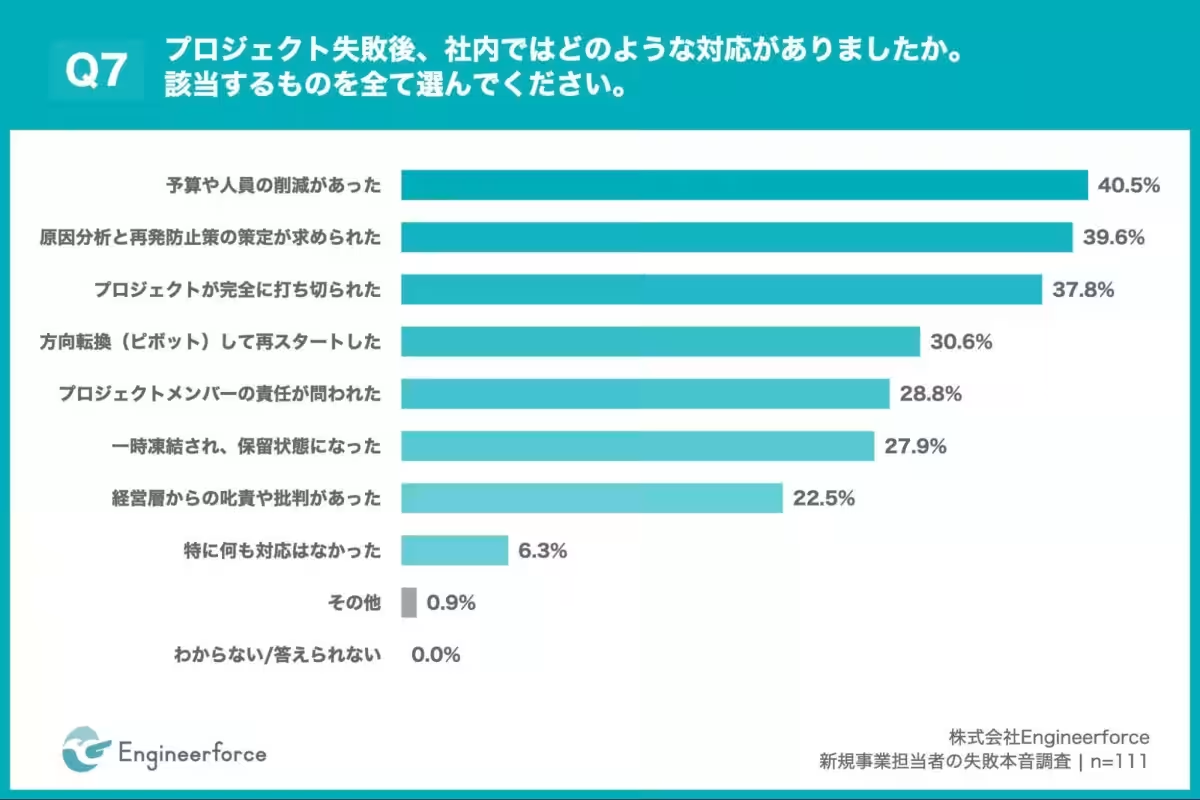
One of the most startling revelations was that 33.3% of the projects incurred significant budget overruns, leading to emergency measures post-failure, including budget and personnel cuts. Furthermore, 76.5% of the projects had an initial budget estimation of over ¥10 million, indicating that substantial financial resources are at stake in these initiatives.
This statistic serves to reinforce the importance of precise financial planning and adherence to detailed timelines.
The Timeline of Failure
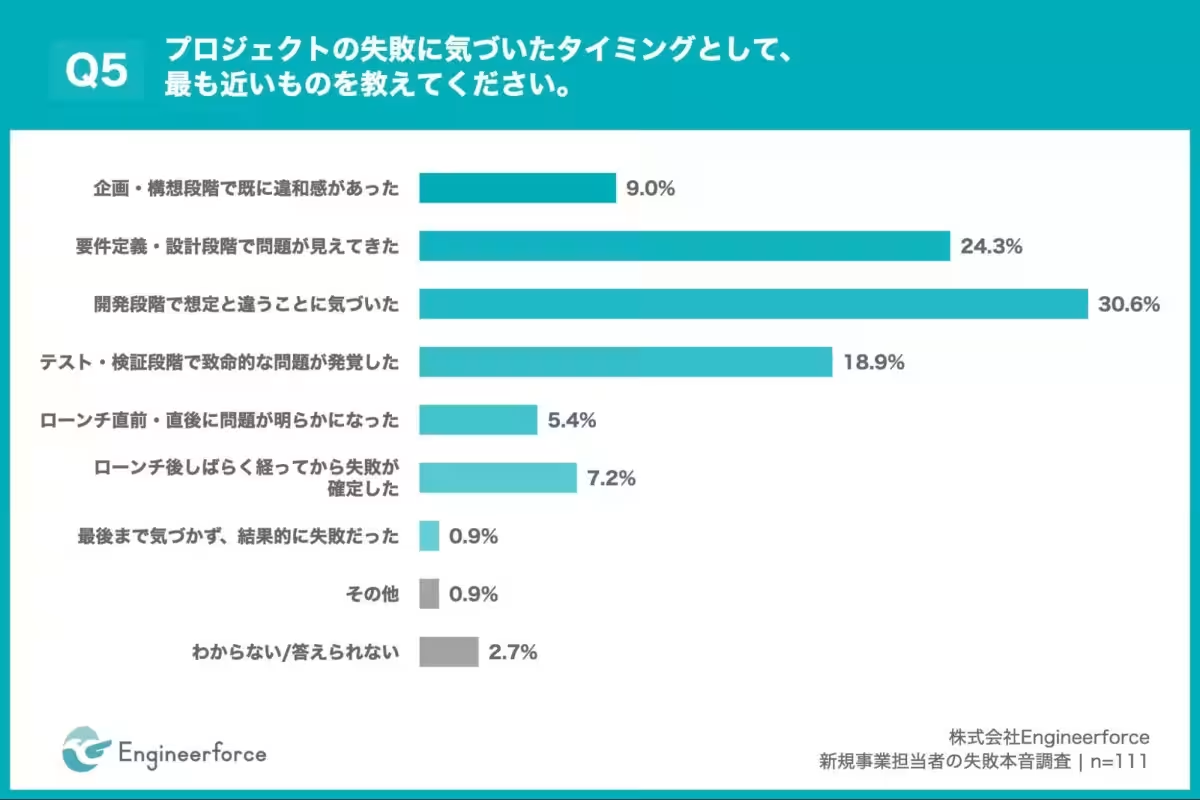
Interestingly, the survey highlighted that approximately one-third of the projects confirmed their failure within six months of starting the planning phase. A lack of proactivity during the early stages of project development can exacerbate existing issues.
Around 30.6% of individuals identified development phase issues, showcasing the significance of thorough preparation and the establishment of robust communication networks early in the process.
Lessons Learned
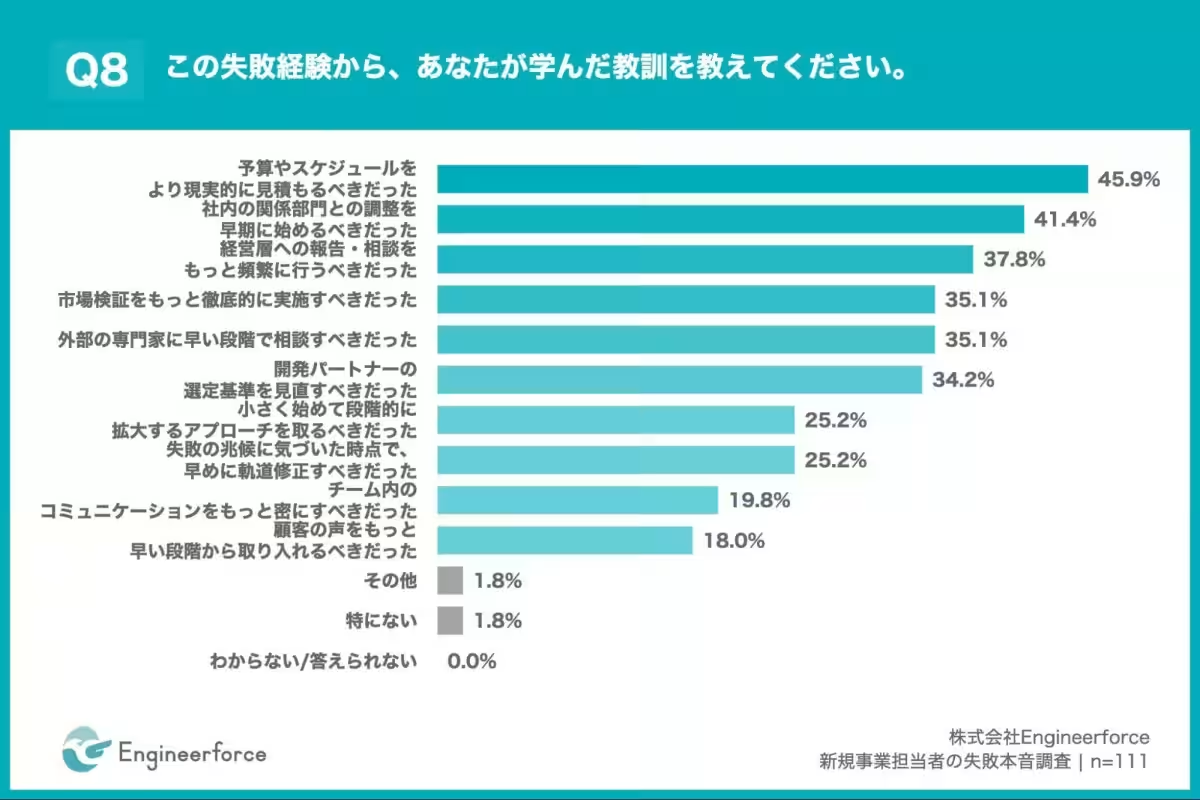
Reflecting on their experiences, the majority of participants acknowledged a critical takeaway: the necessity for more accurate estimations of budgets and schedules. Furthermore, the sentiment among individual respondents underscores a shared call for prioritizing early coordination with relevant departments.
Another vital lesson drawn from these failures involves the importance of regular updates and communications with executives, as tension or anxiety related to potential bad news can impair transparency and strategic decision-making.
Moving Forward
In light of these compelling findings, businesses in Japan must conduct deeper internal reflections before embarking on new projects. Fostering robust communication lines and ensuring diligent planning can substantially decrease the likelihood of failure.
As organizations strive for digital transformation and innovation, integrating these lessons into practice will be essential to prevent repeating the same mistakes. An emphasis on realistic expectations, thorough competitive analysis, and prompt problem identification will pave the way for successful ventures in the future.
For those who wish to delve deeper into the details of this study or download the complete report, further information is available on Engineerforce's official website: Engineerforce.io.




Topics Business Technology)
【About Using Articles】
You can freely use the title and article content by linking to the page where the article is posted.
※ Images cannot be used.
【About Links】
Links are free to use.