



Exploring the Modern Living Alone: Connection and AI Companionship
The Connection Survey for Living Alone in 2026
In Tokyo, the research institute Hitogura Lab, operated by Able Holdings, recently conducted a survey titled "Connection Awareness for Living Alone 2026" to investigate the multi-faceted aspects of solitary living. The survey, which ran from March 11 to March 13, 2026, received responses from 802 individuals aged 20 to 39 who are currently living alone across Japan. This article presents the key findings of this insightful study.
Survey Findings Summary
Key Insights
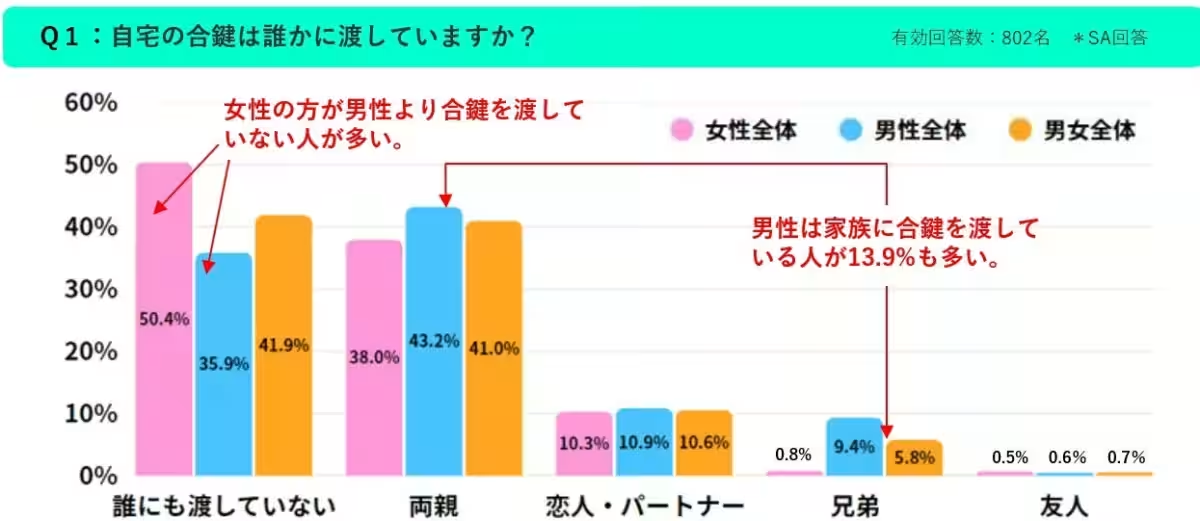
1. Sharing House Keys: Approximately 60% of participants have entrusted a spare key to someone, with the majority sharing with parents (41.0%), followed by romantic partners (10.6%) and siblings (5.8%). Notably, 50.4% of women reported not sharing keys, contrasting with a lower percentage in men. This disparity signals a stronger emphasis on independence and privacy among women living alone.
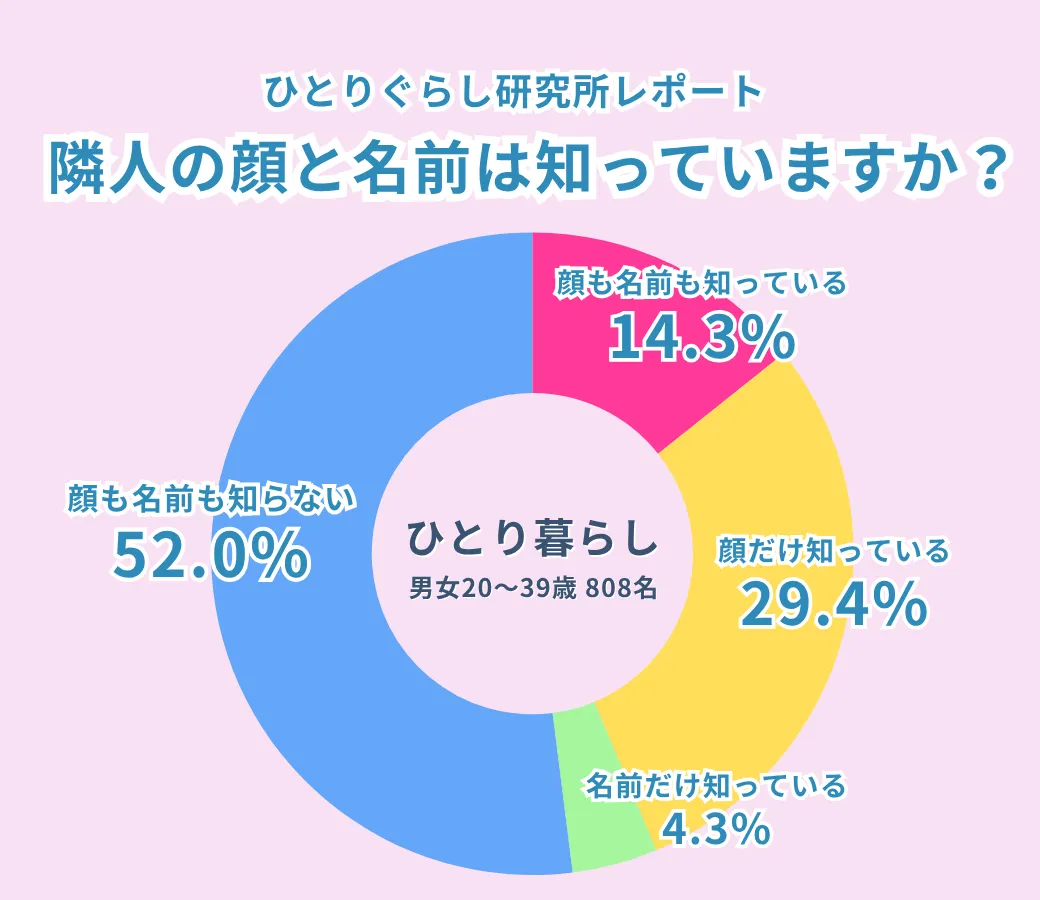
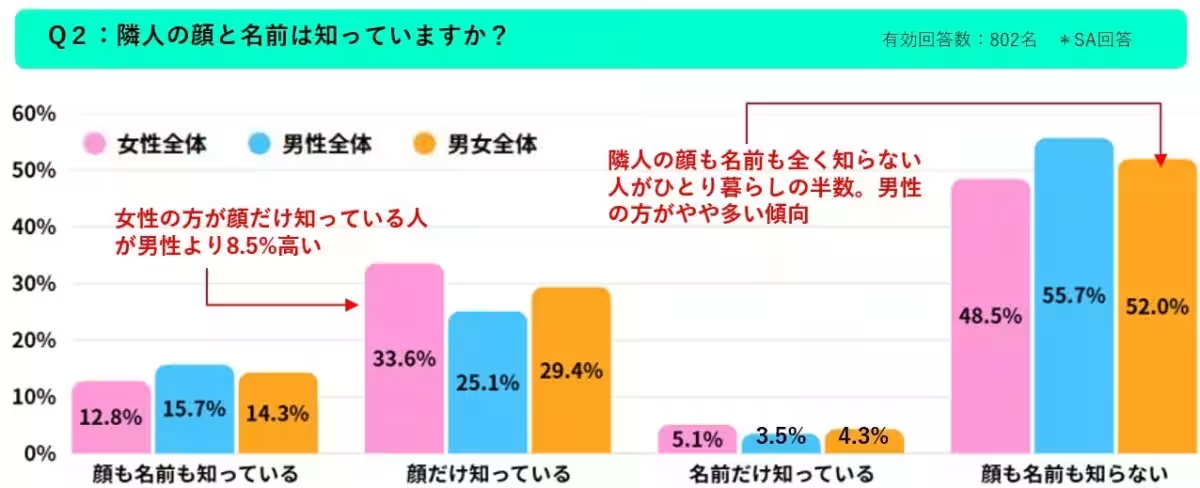
2. Familiarity with Neighbors: Only about 10% of respondents know both the face and name of their neighbors, while approximately 30% recognized faces alone. This indicates a growing phenomenon of urban isolation, where individuals cohabitate physically but lack emotional connections.
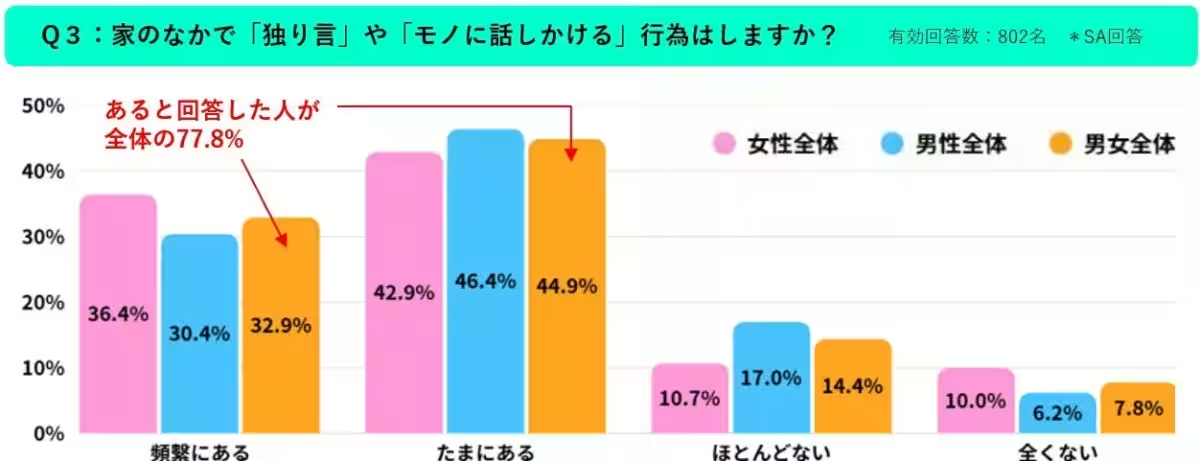
3. Talking to Oneself: An impressive 77.8% of individuals engage in self-talk or communicate with inanimate objects at home, revealing a coping strategy for loneliness and stress management among solitary residents.
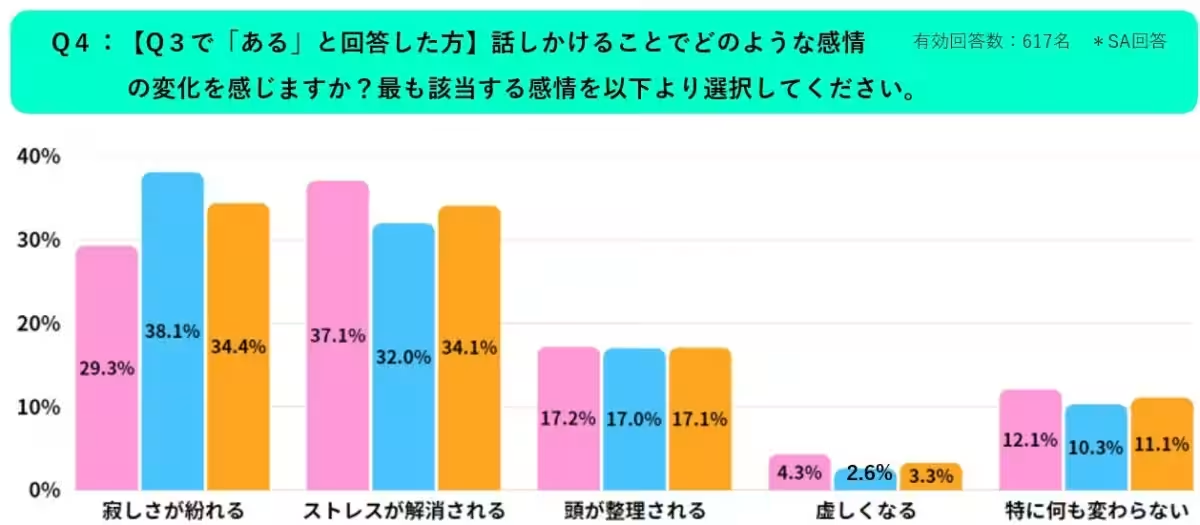
4. Self-Care Benefits: Those who talk to themselves find solace in mitigating feelings of loneliness (34.4%) and stress relief (34.1%), showcasing how vocal expression serves as a valuable self-care tool.
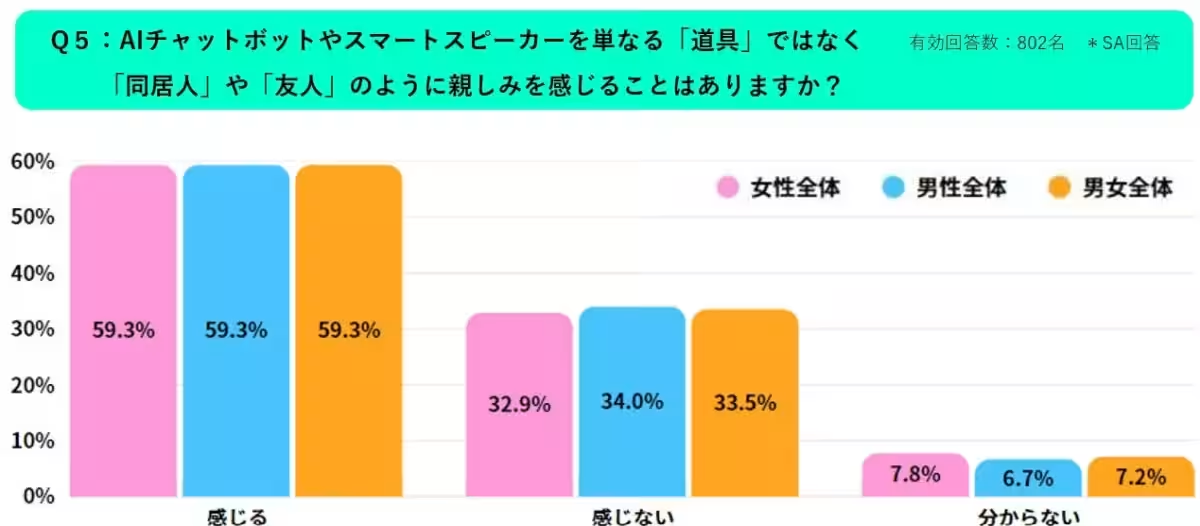
5. AI as Companions: Almost 60% of respondents feel a sense of companionship with AI chatbots or smart speakers, expressing affection akin to that of roommates or friends.
The Shift in Community Interactions
The survey unveiled a stark contrast in how solitary individuals interact with those around them. While many do not engage with neighbors, they actively build their own forms of communication within their homes. This trend is particularly evident among women, who are more likely to recognize faces as a means of enhancing safety.
Additionally, the prevalence of smart speakers in households stresses the importance of vocal interaction for solitary individuals. With a robust desire to express themselves even in solitude, many find satisfaction in using technology as a medium for their thoughts and feelings.
Understanding Emotional Responses
The emotional effects of speaking aloud while living alone reveal an intriguing dynamic. Compared to women, men display a tendency to vocalize more heavily when feeling isolated, suggesting a need to fill emotional voids. Women, on the other hand, often utilize speech as a tool to manage daily stress and reflect on their emotions.
AI: Emerging as a Vital Companion
As personal connections with neighbors diminish, the acceptance of AI technologies as companions has surged. AI has evolved from a mere tool into an integral presence in the lives of those who live alone, serving not only practical purposes but also fulfilling emotional needs. Through this lens, technology emerges as a bridge over social gaps that have become more pronounced in urban settings.
These findings collectively portray the modern landscape of solitary living, characterized by anonymity in public spaces coupled with intimacy in personal interactions. While traditional neighborhood ties may have weakened, the embrace of AI companionship and self-reflective practices illustrate a diligent effort among individuals to maintain their sense of self and autonomy.
As we step into new beginnings this April, it's crucial to recognize that being alone doesn’t mean being lonely. Instead, it offers a unique opportunity to indulge in personal freedom and nurture one’s well-being.
More About Hitogura Lab
Hitogura Lab, backed by Able Holdings, strives to deepen the research and analysis of living alone, focusing on its challenges and realities. Their mission is to support solitary living, making it more secure, comfortable, and fulfilling through innovative insights and services. For further details, visit Hitogura Lab.

Topics People & Culture)



【About Using Articles】
You can freely use the title and article content by linking to the page where the article is posted.
※ Images cannot be used.
【About Links】
Links are free to use.