



Understanding the Challenges of Moving into a Second-Hand Apartment: Survey Insights
Survey Overview
In collaboration with the company Sumunara, MEMOCO (headquartered in Shibuya, Tokyo, led by Takayuki Kumada) conducted a survey exploring the lifestyle changes experienced by 114 individuals who have purchased second-hand apartments.
Survey Details
- - Survey Period: January 29, 2025 - November 4, 2025
- - Method: Internet-based survey (crowdsourcing service)
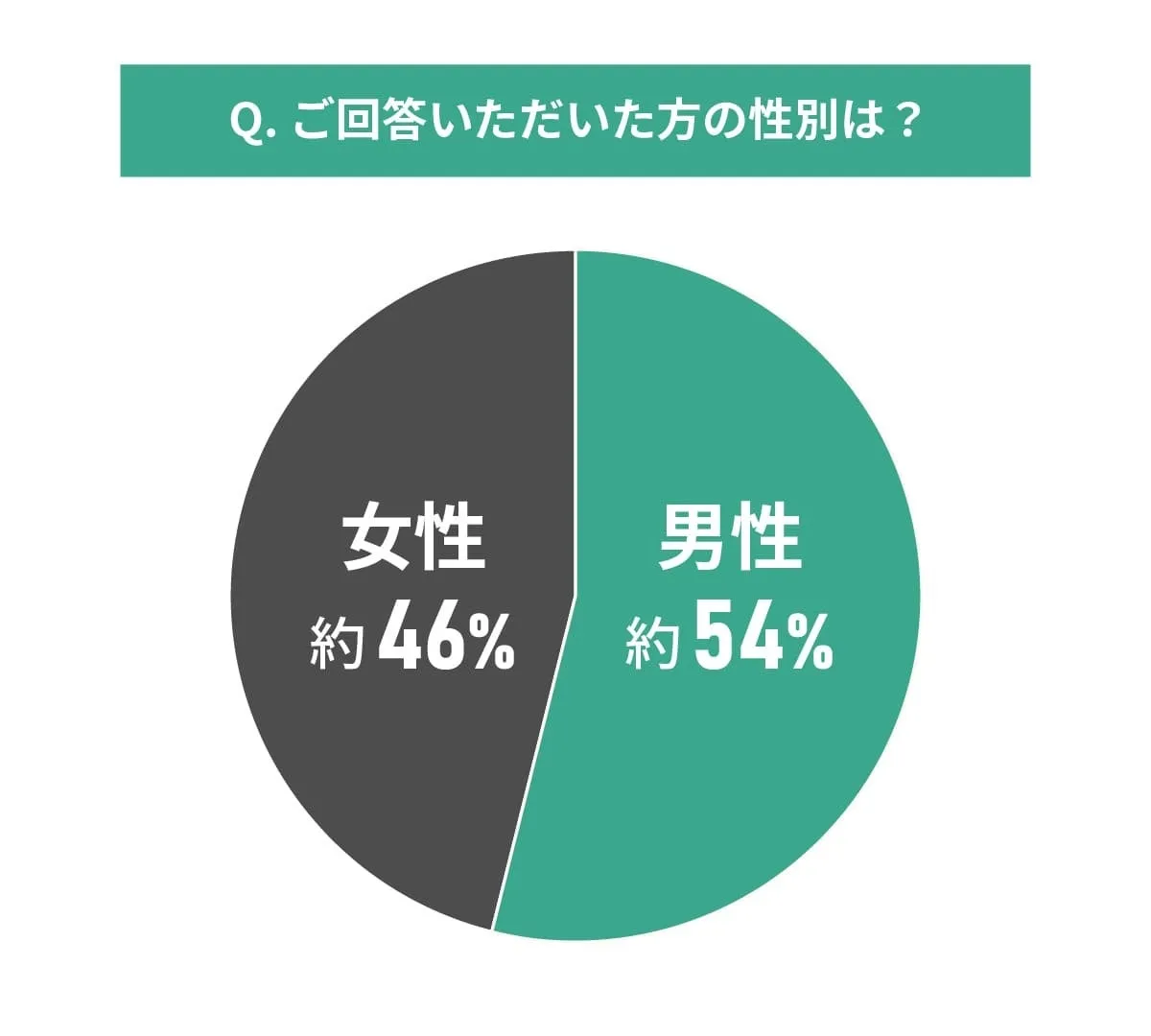
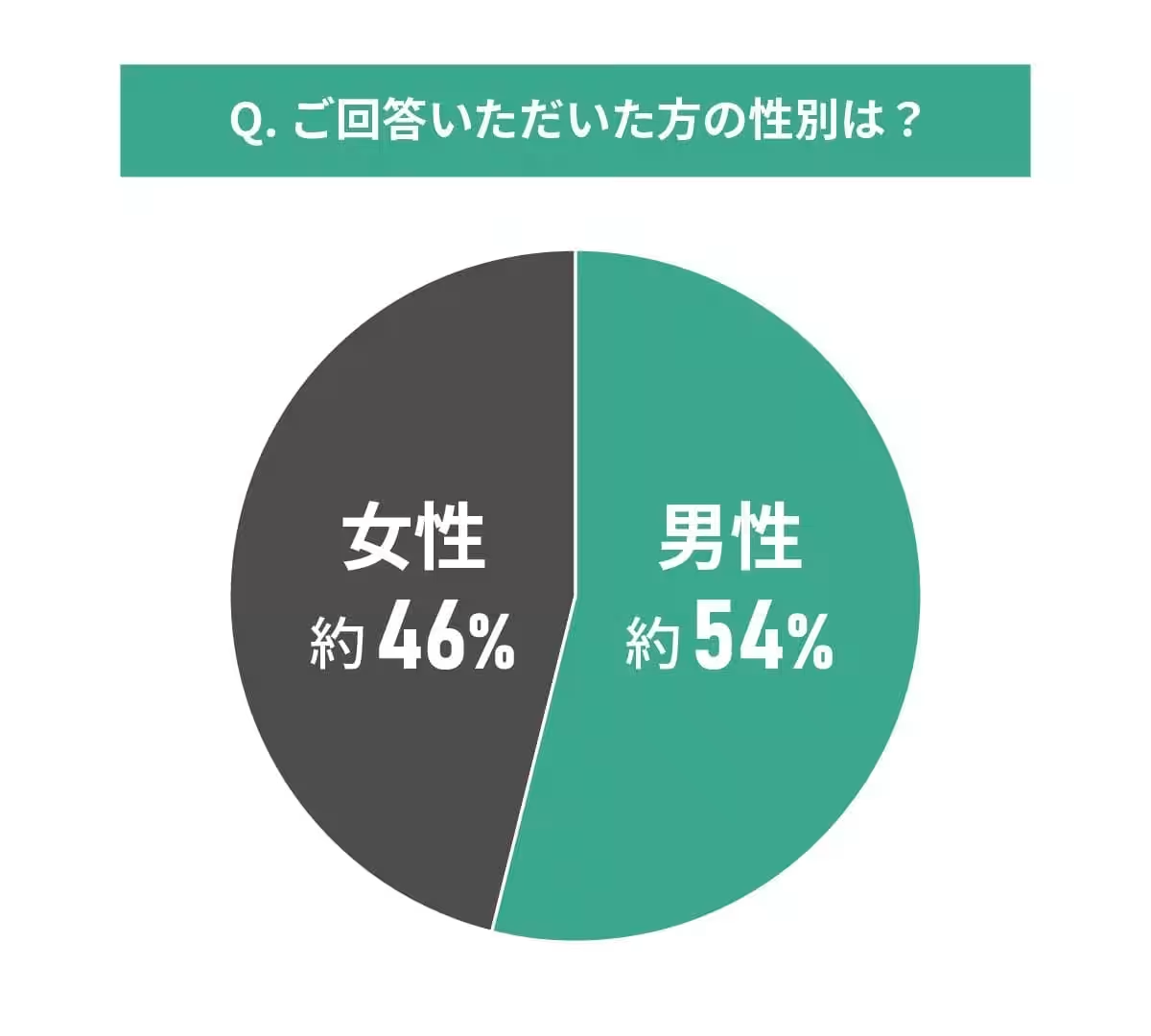
- - Participants: 114 individuals (62 men and 52 women)
Respondent Demographics
- - Gender Distribution:
- Male: Approximately 54%
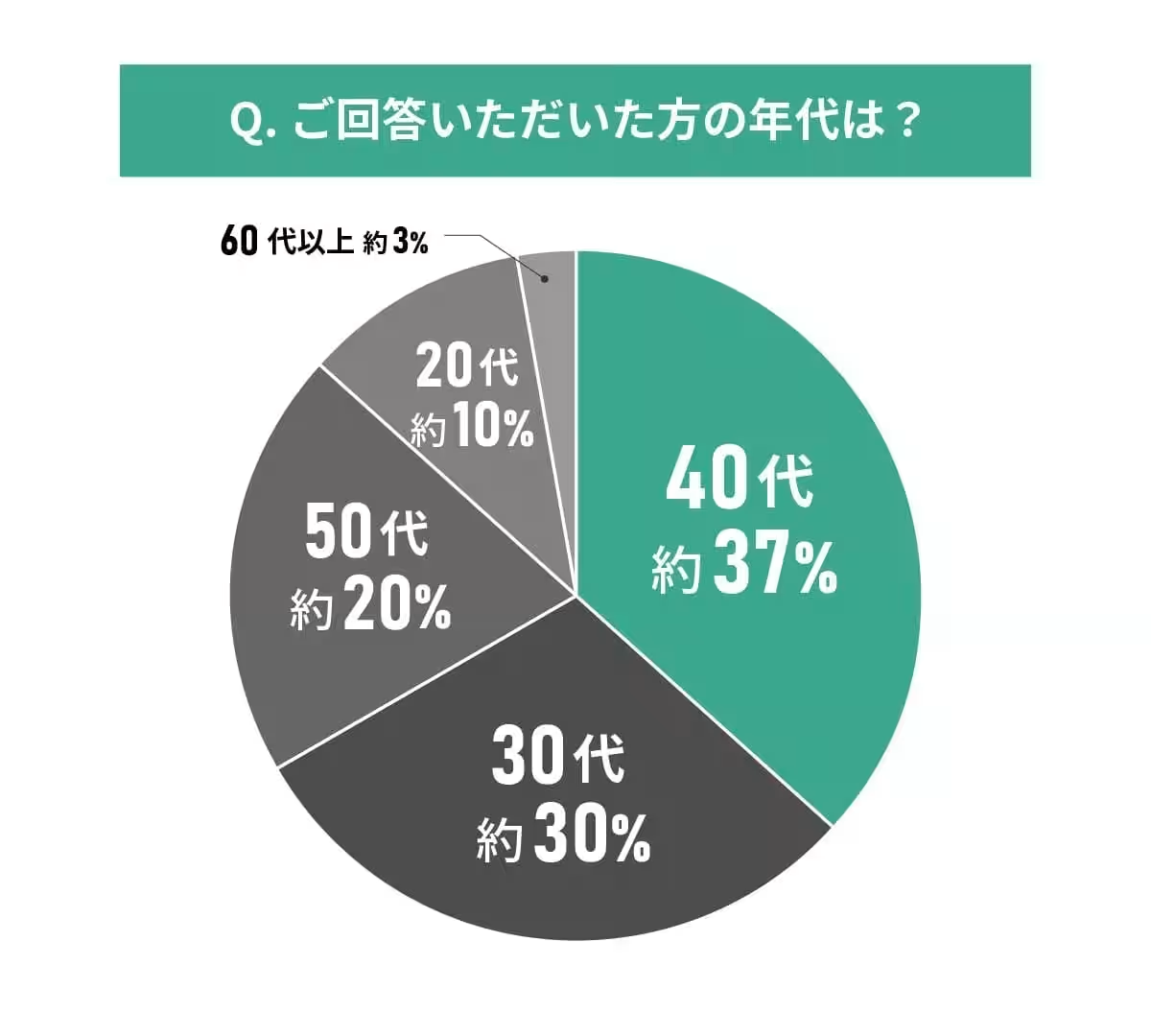
- - Age Distribution:
- 30s: Approximately 30%
- 40s: Approximately 37%
- 50s: Approximately 20%
- 60s and above: Approximately 3%
Key Findings
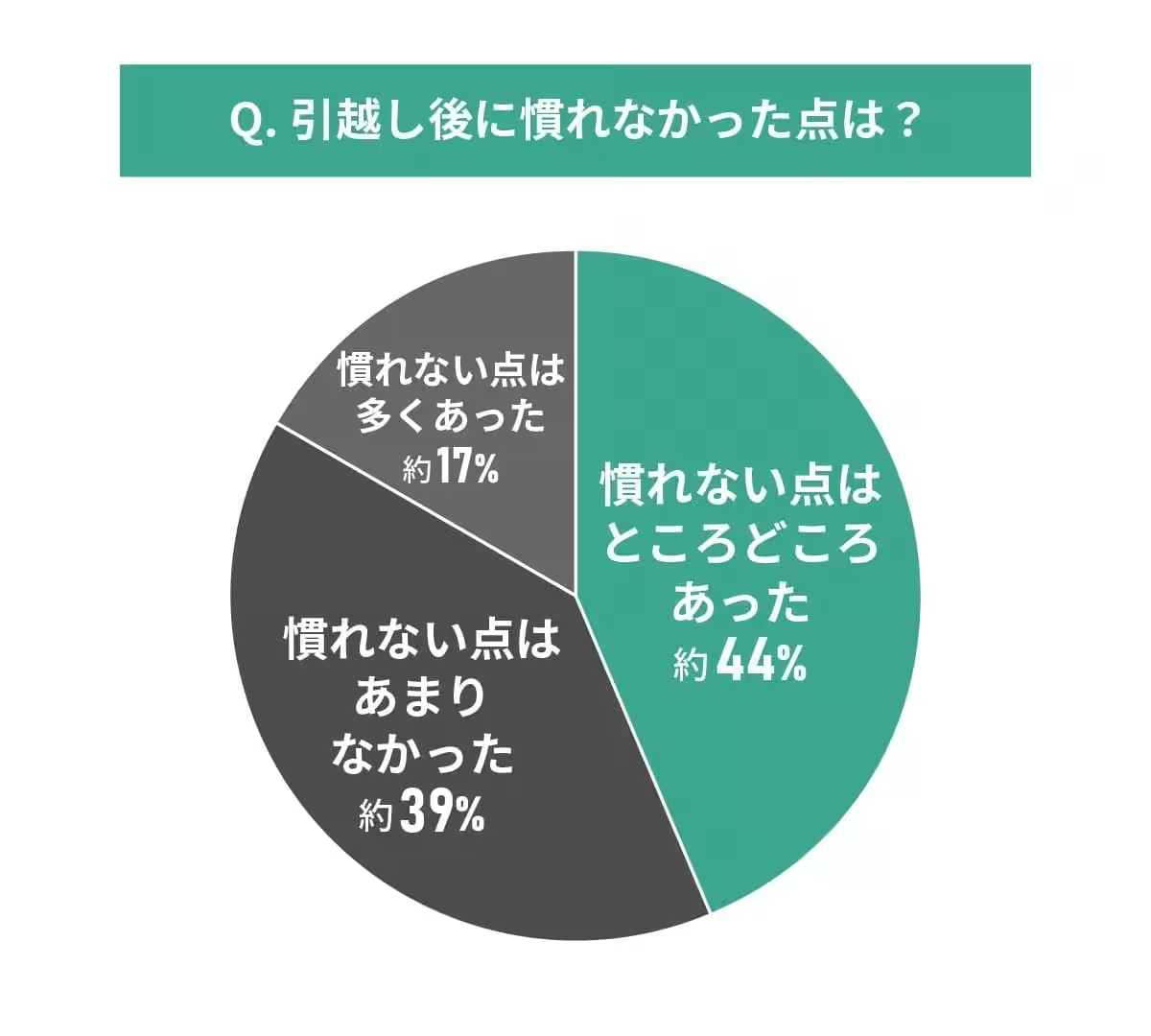
Upon analyzing the responses regarding the adjustment experience after moving, it became evident that:
- - 44% of respondents reported experiencing some unfamiliar aspects upon relocating.
- - 39% felt that there weren't many unfamiliar aspects.
- - 17% admitted that they faced numerous unfamiliar aspects.
It's clear that all respondents encountered some form of adaptation challenge, with no one claiming they had no issues whatsoever. This highlights the importance of preparation and mental readiness when transitioning after purchasing a second-hand apartment.
Specific Challenges Faced
Comments from participants can be categorized into several key issues:
Neighborhood Relationships
Building relationships avec local residents was a notable challenge for many:
- - “I struggled to get used to interacting with neighbors, as I am naturally shy.” (Male, 40s)
- - “The difference in neighborhood interactions based on locality was something I had to adjust to.” (Female, 30s)
- - “Moving from my family home to an apartment made neighboring relationships challenging.” (Female, 30s)
For those coming from a rental or single-family home to a condominium, this transition often necessitates a deeper community engagement, which was previously less demanding.
Shopping and Facility Locations
Many participants found it difficult to familiarize themselves with nearby shopping facilities:
- - “I struggled to find supermarkets and needed time to get accustomed to the area.” (Female, 40s)
- - “I had no idea where to go shopping or which stores offered what.” (Male, 50s)
Establishing a knowledge of local shops and essential facilities can be particularly challenging after a move, especially if prior familiarity with the area is lacking.
Living Dynamics and Home Facilities
Adjusting to the movement within a new home or changes in available amenities also led to confusion:
- - “The layout change was disorienting, as my previous habits did not apply.” (Female, 30s)
- - “The new home was larger, and I felt a disconnect with furniture placement.” (Male, 40s)
The operational differences in living spaces can significantly impact daily functions, emphasizing the need for careful consideration of living dynamics before purchasing.
Waste Disposal Rules
New residents also expressed difficulties in adapting to local waste disposal policies:
- - “I had never managed waste disposal before moving.” (Female, 30s)
- - “The disposal schedule was different from where I used to live.” (Female, 50s)
Understanding and conforming to local waste management rules can take time, particularly for those who were previously reliant on family members for such responsibilities.
Commuting and Transportation
Changes to commuting routes and methods emerged as key issues:
- - “Commuting became more challenging after the move, leading to increased fatigue.” (Male, 50s)
Shifts in distance to workplaces or changes in public transportation can greatly affect overall lifestyle convenience.
Noise and Environment
Some individuals had trouble acclimating to new noise levels and environmental conditions:
- - “I struggled to adjust to the noise from my new surroundings, particularly in the initial weeks.” (Male, 40s)
Adapting to new acoustic surroundings becomes essential for comfortable living in different environments.
Additional Challenges
Respondents also noted various other concerns:
- - “Packing was difficult due to insufficient prior research.” (Female, 20s)
- - “I was unfamiliar with the procedures for official matters.” (Male, 40s)
Preparation shortcomings often lead to cases of oversight that can later present complications.
Common Causes of Unfamiliarity
Having analyzed the reasons behind the adaptation difficulties, several common themes emerged:
Insufficient Preparation
The leading cause cited was inadequate research and preparation before the move.
- - “I did not conduct enough prior research.”
- - “I failed to gather sufficient information on the area.”
Low levels of pre-purchase inspections or lack of environmental knowledge can lead to challenges post-move. Conducting multiple visits to properties at varying times can help alleviate these difficulties.
Environmental Changes
Significant lifestyle changes stemming from the new environment were also highlighted:
- - “The characteristics of the location changed the living experience dramatically.”
Adjustment to new surroundings requires significant mental preparation to ensure smoother transitions.
Communication & Relationships
Many cited difficulties regarding social interactions:
- - “I had trouble integrating into the community due to my reserved nature.”
An understanding of community dynamics early in the process aids newcomers in adapting more effectively.
Skills and Experience Gaps
Lack of experience in managing household duties independently also appeared as a common issue, especially for individuals reliant on family support previously:
- - “I didn't handle the garbage disposal until I moved out.”
Learning to navigate daily household tasks can be crucial to successful adaptation in new settings.
Physical Constraints
Some faced limitations based on the physical attributes of their new residences:
- - “Shops varied in product placements, creating confusion.”
Recognizing suitable locations and configurations before purchase can minimize subsequent inconveniences.
Conclusion
The survey highlights that the vast majority of individuals encounter adaptation challenges after moving into second-hand apartments. With 44% indicating they faced unfamiliar issues and 17% experiencing substantial disruption, the need for thorough preliminary research and mental preparation becomes evident.
Potential buyers should invest in understanding not only the properties themselves but also the surrounding facilities, community cultures, and rules. This awareness will significantly improve the chances of a smoother transition.
Moving represents a major life change, and preparing adequately can assist in acclimating to new environments effectively. May the insights from this survey guide future apartment seekers toward informed decisions.
Topics Consumer Products & Retail)






【About Using Articles】
You can freely use the title and article content by linking to the page where the article is posted.
※ Images cannot be used.
【About Links】
Links are free to use.