



Significant Rise in Minimum Wage: Challenges for Job Listings Below New Standards in Akita Prefecture
Introduction
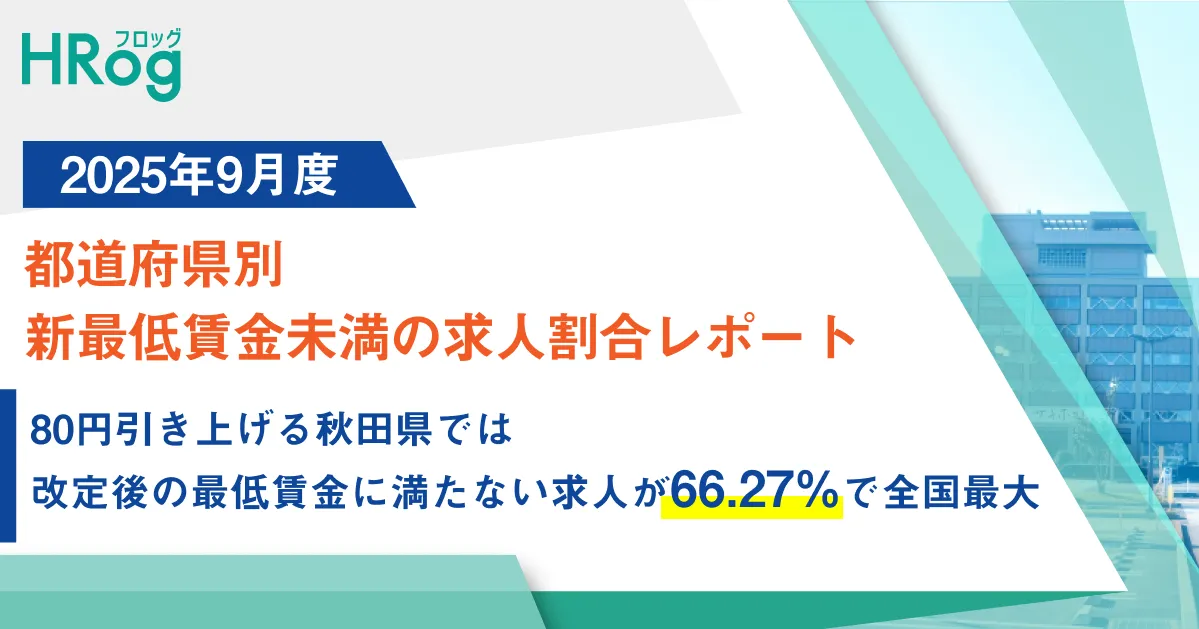
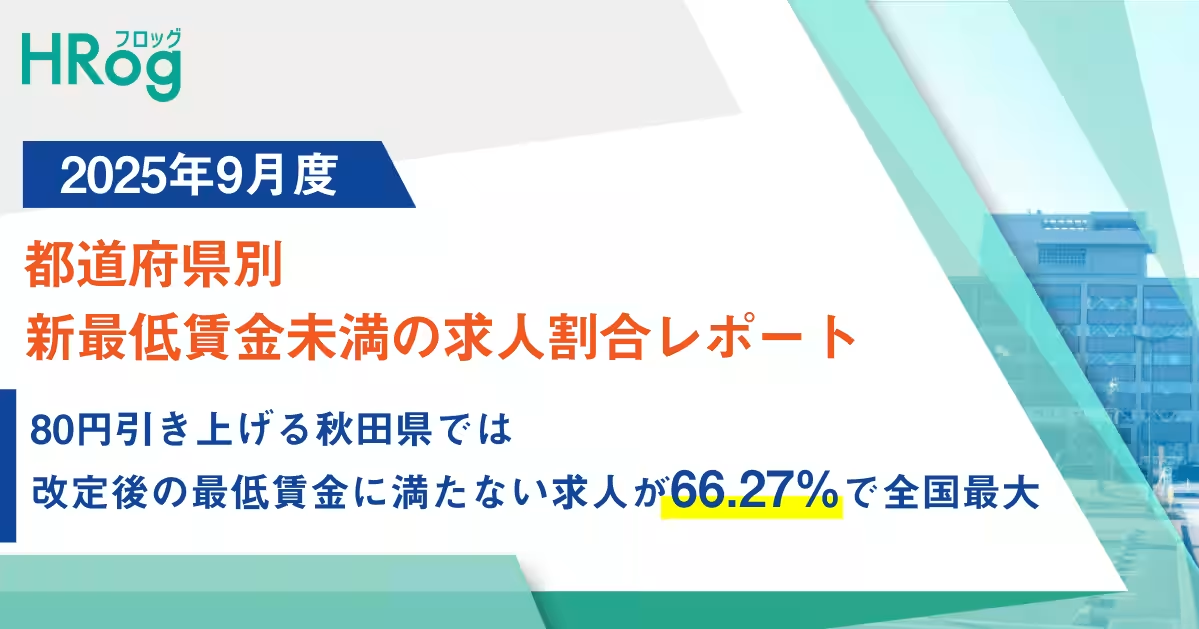
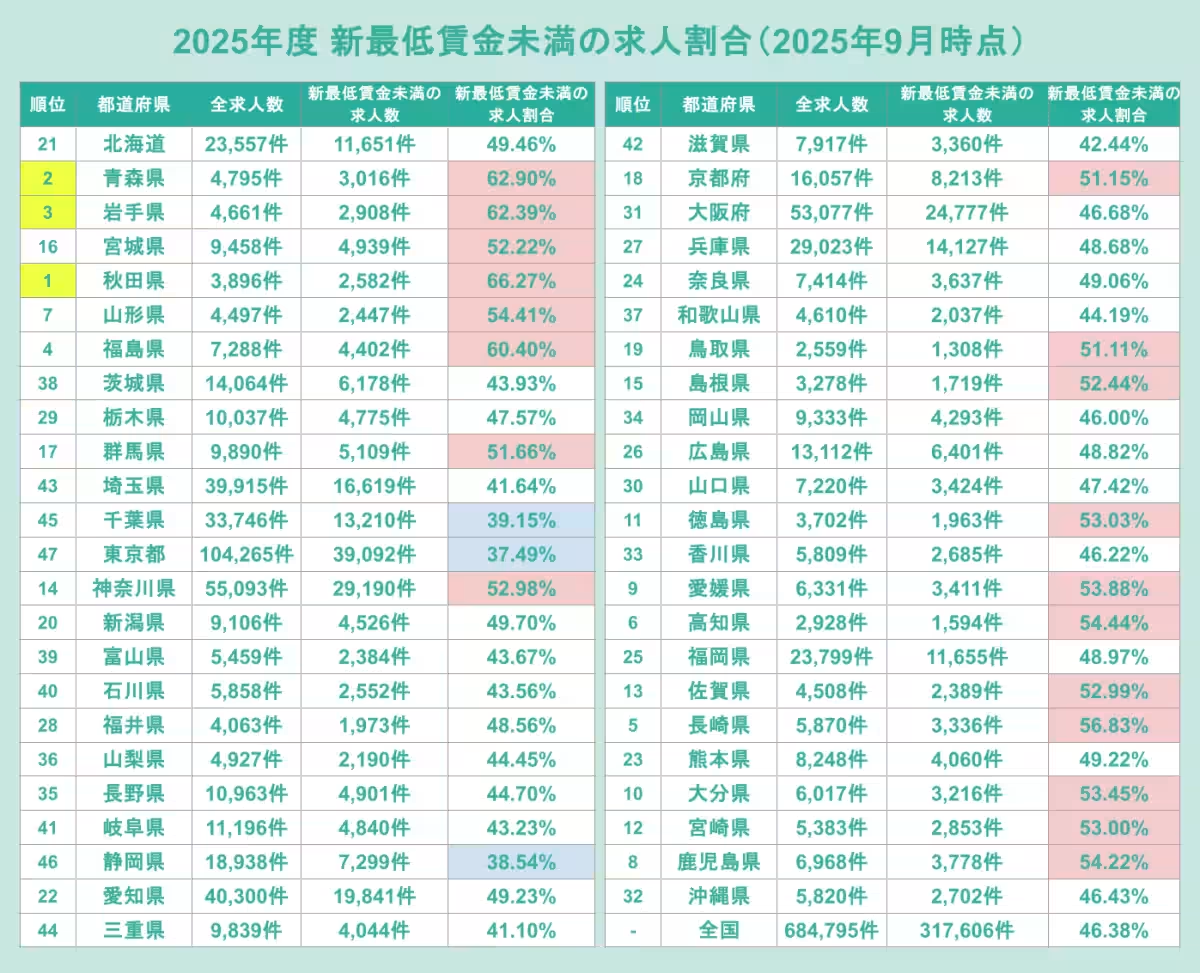
In Akita Prefecture, a substantial increase of 80 yen in minimum wage has raised concerns regarding job opportunities that do not meet the new requirements. According to a report from Frog Inc., which specializes in job market data, an alarming 66.27% of job listings in Akita do not comply with the new minimum wage standards set for 2025. This figure represents the highest in the nation, signaling significant challenges for both employers and potential employees in the region.
Overview of Minimum Wage Adjustments
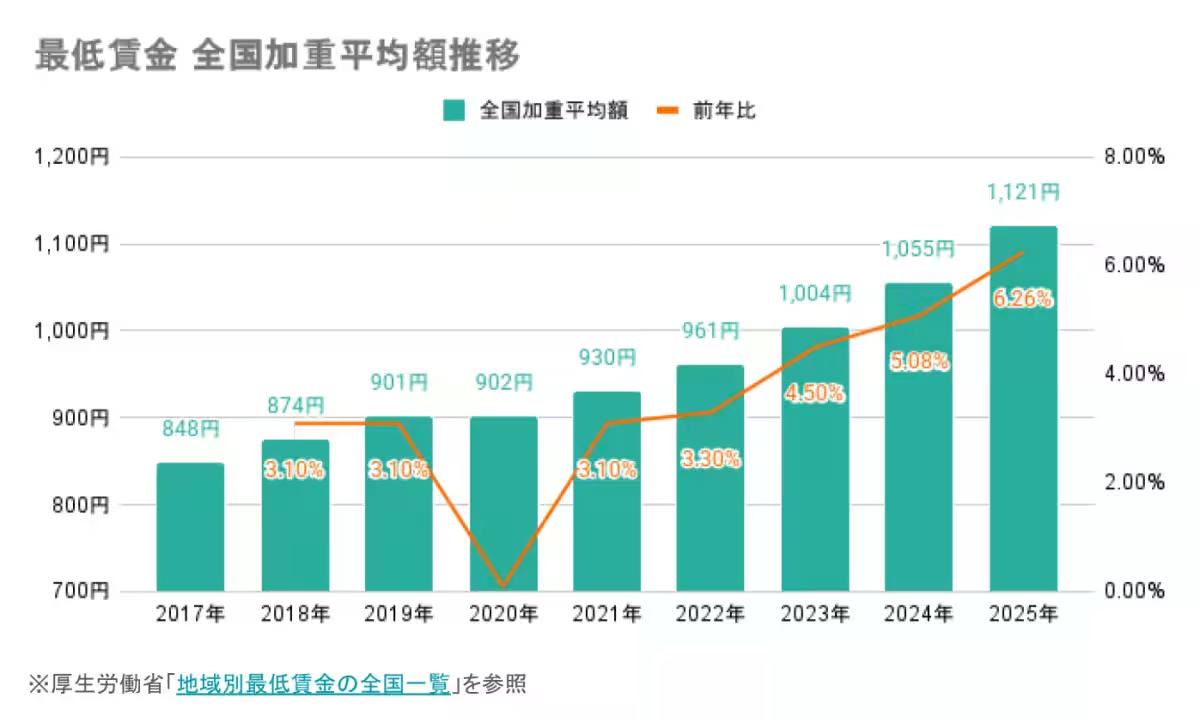
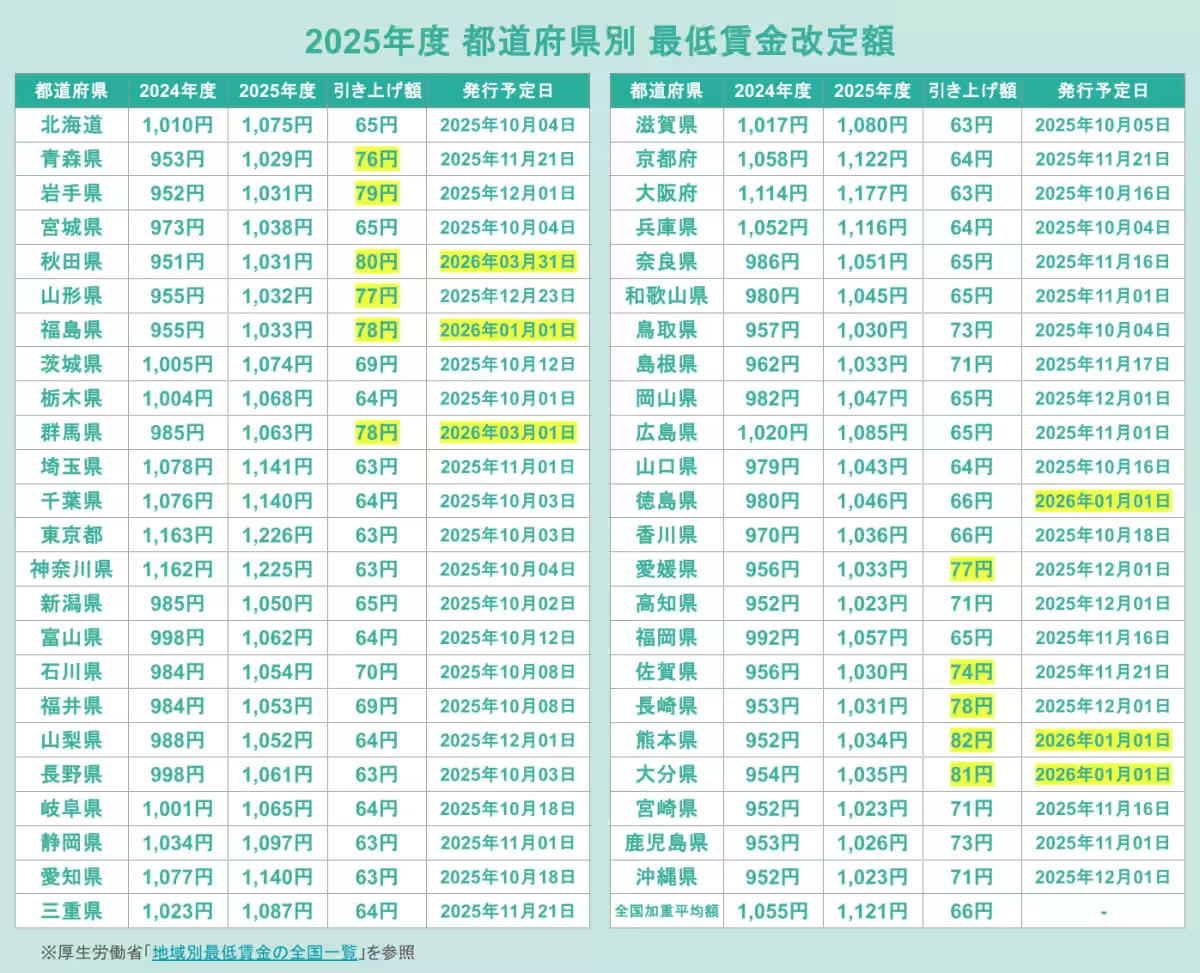
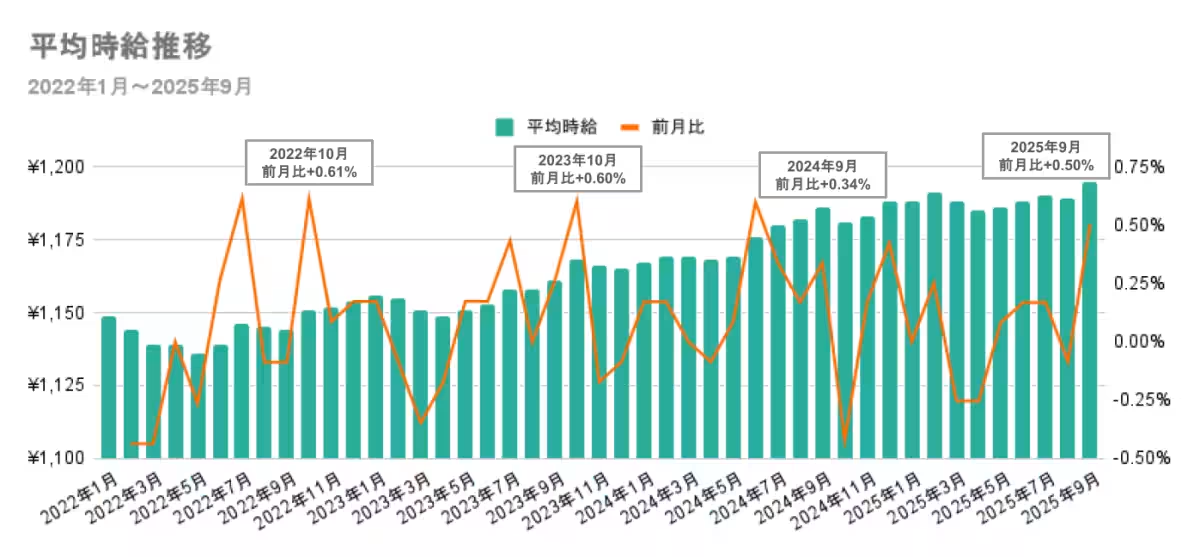
The Ministry of Health, Labor and Welfare has announced that the range for the minimum wage increase in 2025 will be between 63 yen to 82 yen. The national weighted average of minimum wage is projected to rise to 1,121 yen, a 66 yen increase from the previous year's rate of 1,055 yen. This marks the largest hike in history and indicates a pressing demand for employers to elevate wages accordingly.
Job Listings Below Minimum Wage
The report reveals that across Japan, approximately 46.38% of job listings fall below the newly established minimum wage. In specific prefectures like Akita (66.27%), Aomori (62.90%), and Iwate (62.39%), the percentages are notably higher. This trend highlights a concerning aspect of the labor market in the Tohoku region, where many positions continue to offer salaries that fail to meet the new benchmarks.
Conversely, urban centers like Tokyo (37.49%) and Shizuoka (38.54%) show a much lower prevalence of job listings that do not meet the revised wage standards. This discrepancy suggests a growing divide between rural and urban job markets, prompting urgent discussions about wage adjustments and employer responsibilities in regions with significant wage disparities.
Factors Influencing Wage Adjustments
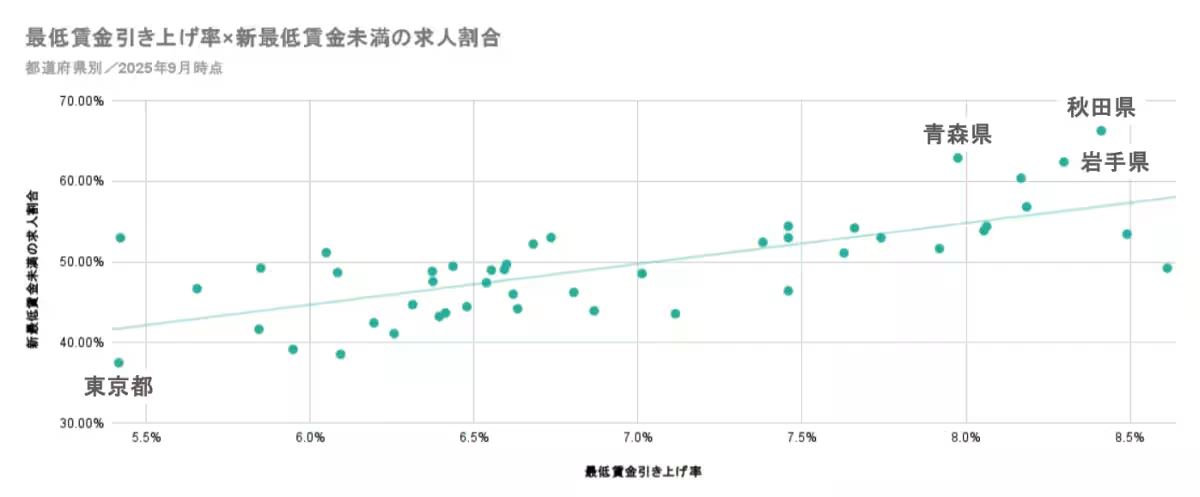
The analysis suggests a correlation between areas with high minimum wage increases and the percentage of job listings that require wage hikes. Regions with heavier demands for wage adjustments may need to explore avenues such as price transfers and improving operational efficiencies to stay competitive in their respective markets. Employers, especially in small to medium-sized enterprises, face rising pressure to comply with increased wage demands that may affect their profitability and sustainability.
Detailed Look at Job Listings by Prefecture
In the context of job offerings that fall below the new minimum wage, a deeper examination into specific job categories reveals noteworthy trends.
Akita Prefecture
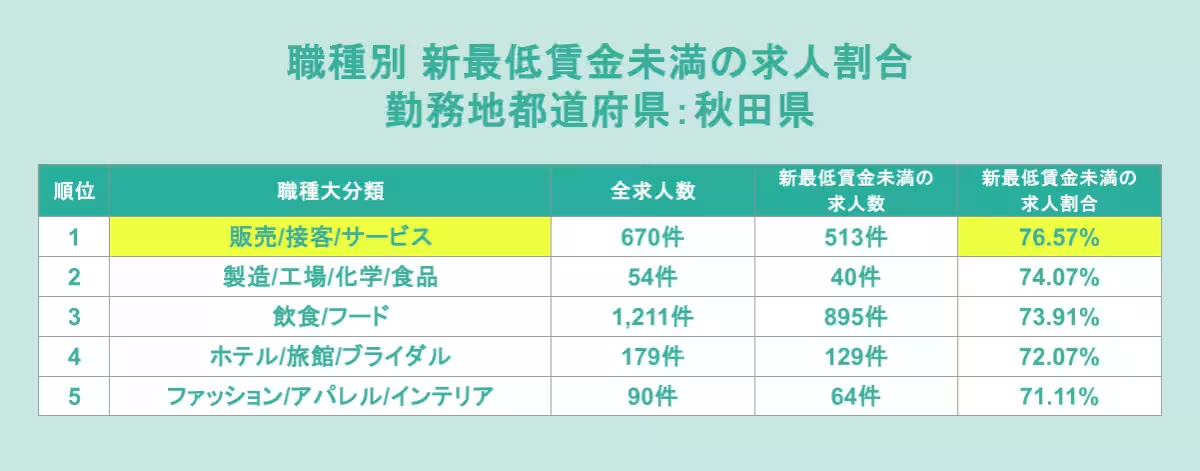
In Akita, the job category showing the highest percentage of listings below the new minimum wage includes 'Sales/Customer Service' at 76.57%, followed by 'Manufacturing/Factory/Chemical/Food' at 74.07%, and 'Food and Beverage' at 73.91%. These findings underscore the urgent need for wage increases in sectors that heavily rely on labor-intensive roles.
Aomori Prefecture
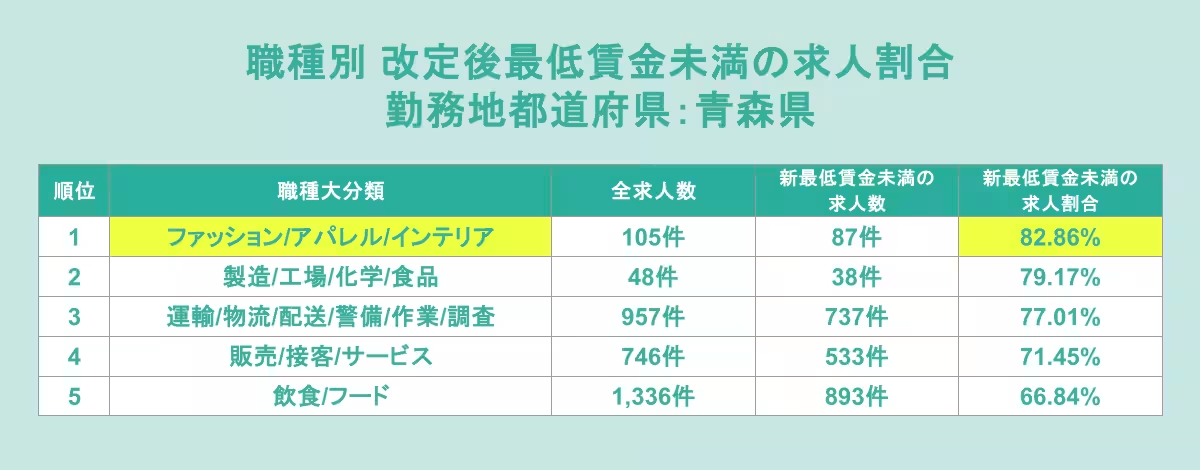
Aomori ranked second, with 'Fashion/Apparel/Interior' leading at a staggering 82.86%, followed closely by 'Manufacturing/Factory/Chemical/Food' at 79.17%, and 'Transport/Logistics/Delivery/Security/Work/Research' at 77.01%. Critically, these statistics reflect significant challenges for job seekers in the region hoping for fair compensation.
Iwate Prefecture
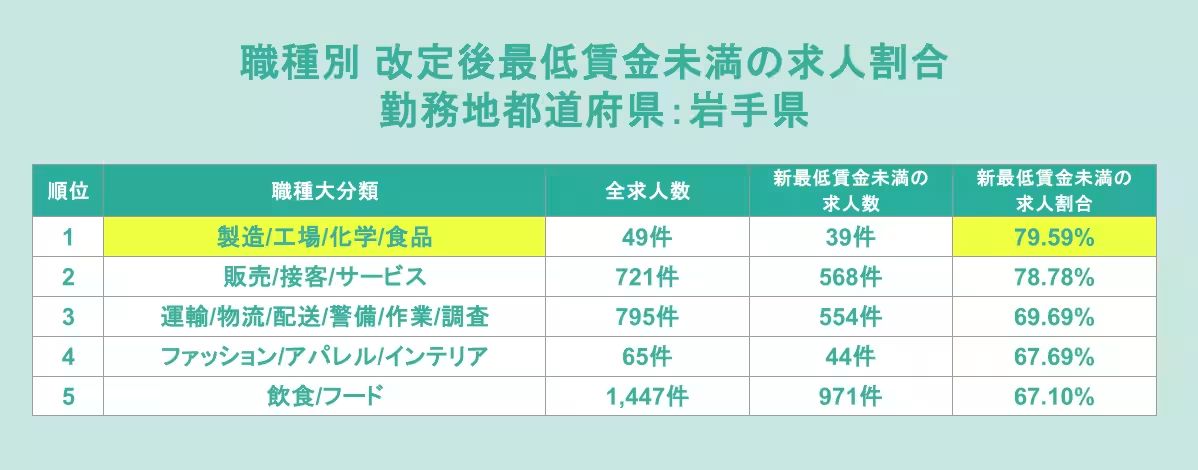
Lastly, Iwate exhibited high demands for wage adjustments in 'Manufacturing/Factory/Chemical/Food' at 79.59%, with 'Sales/Customer Service' at 78.78%, and 'Transport/Logistics/Delivery/Security/Work/Research' at 69.69%. These categories are indicative of the labor-intensive nature of jobs frequently associated with lower wage offerings.
Conclusion
In conclusion, the upward adjustment of the minimum wage presents both challenges and necessary actions for employers across Japan, particularly in regions like Akita, Aomori, and Iwate, where a significant number of job listings currently do not meet the new standards. With nearly half of jobs nationwide falling below the new thresholds, collective efforts are needed to address these discrepancies and ensure fair compensation for workers. Moving forward, understanding and leveraging big data trends in the labor market will be pivotal for job recruitment and workforce management.
Survey Overview
This analysis utilizes job data collected from multiple sites including 'i,—E—idems,' 'Baitoru,' 'My Navi,' and 'Hello Work' from January 2022 to September 2025, focusing exclusively on part-time employment listings. The data reflects real changes and emerging trends in the job market, serving as a critical resource for employers and policy makers aiming to adapt to evolving wage requirements.
Topics Consumer Products & Retail)


【About Using Articles】
You can freely use the title and article content by linking to the page where the article is posted.
※ Images cannot be used.
【About Links】
Links are free to use.