




Shocking Survey Reveals New Indoor Toilet Trends for Dogs
Changing Trends in Dog Toilet Habits
A new survey conducted by Eight Inc. has revealed significant changes in the toilet habits of dogs. Out of 350 dog owners surveyed, an impressive 76% confirmed that their dogs have been trained to use indoor toilets. This shift highlights the increasing popularity of indoor toilet training, with a preference for a combined approach of indoor use and outdoor walks.
Indoor Toilet Training Adoption
The investigation into pet toilet habits found that many owners have begun training their dogs to use indoor toilets before the age of six months, with over 60% starting within the first few months of their pet’s life. The focus on early training reflects a growing understanding of its practicality, especially considering lifestyles that may require flexibility in their dog's bathroom habits.
Interestingly, the survey also noted that about 70% of participants managed the toilet training process themselves, utilizing resources from books and the internet. However, some owners found value in professional assistance, showing a balanced approach to education and learning.
For the types of indoor toilet setups, a majority of pet parents opted for a combination of toilet trays and pads, available in various designs to fit individual household needs. This indicates a trend toward convenience and adaptability in pet care products.
Breakdown of Dog Toilet Habits
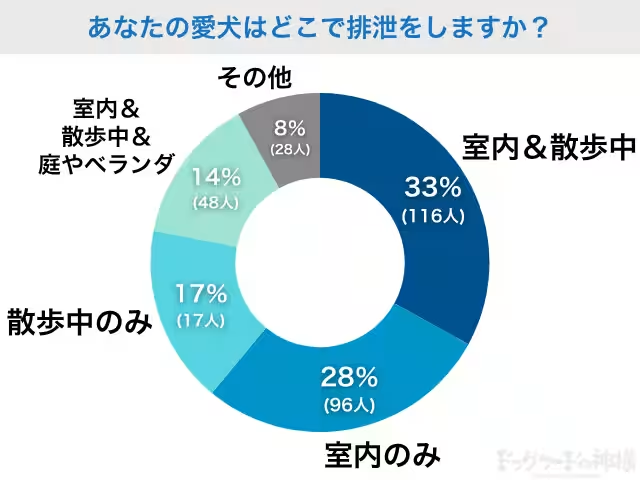
When analyzing where dogs tend to relieve themselves, the findings revealed:
- - 33% of dogs use both indoors and during walks
- - 28% only use indoor spaces
- - 17% are taken out exclusively for bathroom breaks
- - Additionally, 14% expressed that their dogs use both indoor places as well as gardens or balconies.
With 76% of the total noting that their dogs can relieve themselves indoors, it becomes clear that adapting to an indoor toilet routine is becoming standard practice. This adaptation is especially relevant for families with senior dogs or owners who may face health challenges.
Early Training is Common
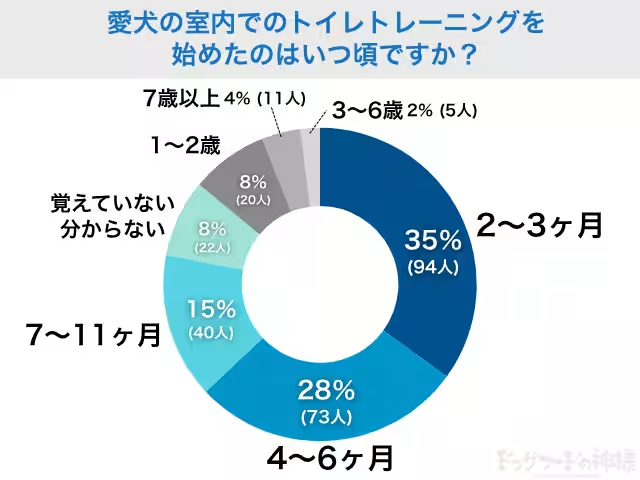
In discussing when owners began toilet training their pets, the majority reported starting between 2-3 months (35%) and 4-6 months (28%). This early onset of training establishes a strong foundation for lifelong habits.
While many households started training early, the data also revealed that dogs can learn regardless of age. Training can be effective even for adult dogs if approached with patience and persistence.
How Training Was Conducted
The methods used by dog owners during training were diverse:
- - Self-taught: 191 owners (about 70%) used family resources to guide training
- - Professional help: 62 participants engaged trainers or training classes
- - Pre-trained pets: 47 dogs had already learned to use the toilet prior to adoption
- - Some owners mentioned it occurred naturally, with dogs learning on their own.
This approach highlights a prevalent trend of relying on home-based training whilst recognizing the value of professional guidance when required. Moreover, this indicates that different dogs may learn in varied ways, emphasizing the importance of individual learning styles.
Training Challenges Faced
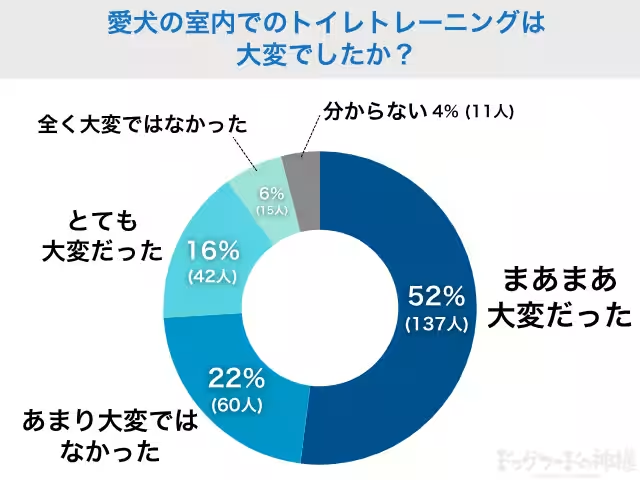
While the majority of participants found the training to be somewhat challenging, 52% reported it as “pretty tough.” Only 22% said it was “not very challenging,” and 16% faced significant difficulties. Many families experienced moderate struggles that are typical within the training process. This further underscores that the experiences associated with training a dog can vary greatly based on the pet’s personality and the owner's approach.
Popular Toilet Solutions
Responding to the question of which toilet types were in use, the ranking revealed:
1. Combination of toilet tray and pads: 84 votes
2. Pads only: 73 votes
3. Toilet tray (unsure on pads): 60 votes
4. Combination of cage and toilet: 10 votes
5. System toilets: 6 votes
The combination of tray and pads ranked as the most utilized option, believed to provide effective leak prevention and ease of cleaning. This preference outlines a trend toward simpler and more manageable systems for the busy lifestyles of dog owners.
Conclusion
In conclusion, the findings from the survey suggest a major shift in the toilet training landscape for dogs. With an increasing number of owners adopting indoor toilet systems and starting training early, it is clear that pet care continues to evolve. As studies like these emerge, they encourage a broader discussion on best practices and innovations in the world of pet care. For detailed information, you can view the complete survey results and implications here.







Topics Other)
【About Using Articles】
You can freely use the title and article content by linking to the page where the article is posted.
※ Images cannot be used.
【About Links】
Links are free to use.