



Dentsu Research and Dentsu Conduct Study on Business Innovation and R&D Relation
Dentsu Research and Dentsu Conduct Study on Business Innovation and R&D Relation
In a groundbreaking study, Dentsu Research and Dentsu have gathered insights from 760 employees working in R&D and administrative departments across major corporations in Japan. The survey, titled "Study on the Relationship Between Business Innovation and R&D," aims to reveal how R&D contributes to new business creation and the challenges they face. The research was conducted from May 16 to May 21, 2025, and highlights significant findings regarding the roles and contributions of R&D departments.
Key Findings
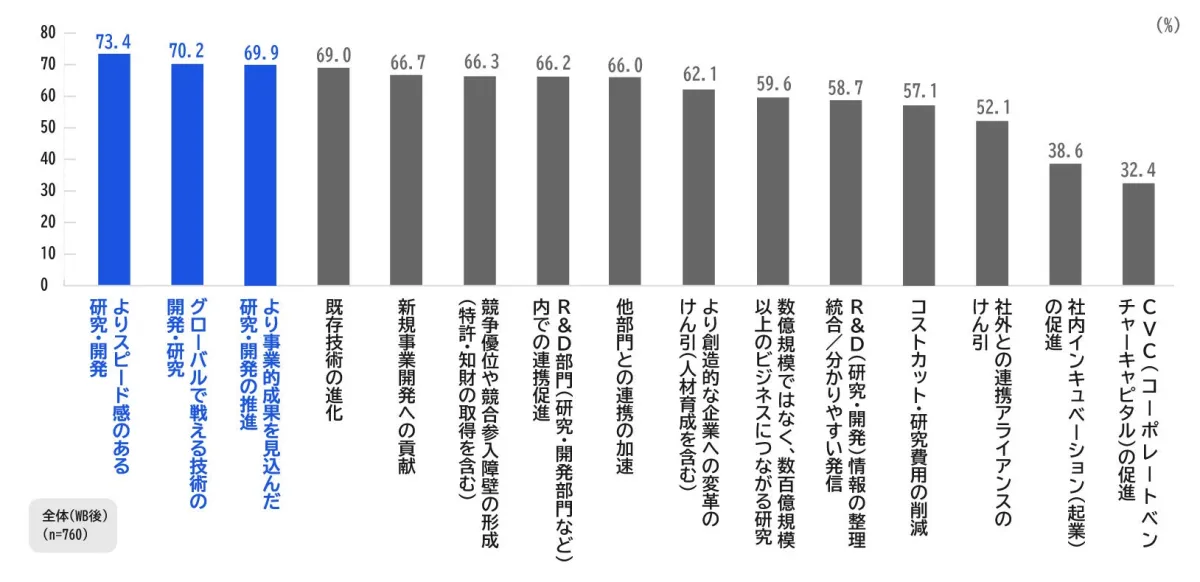
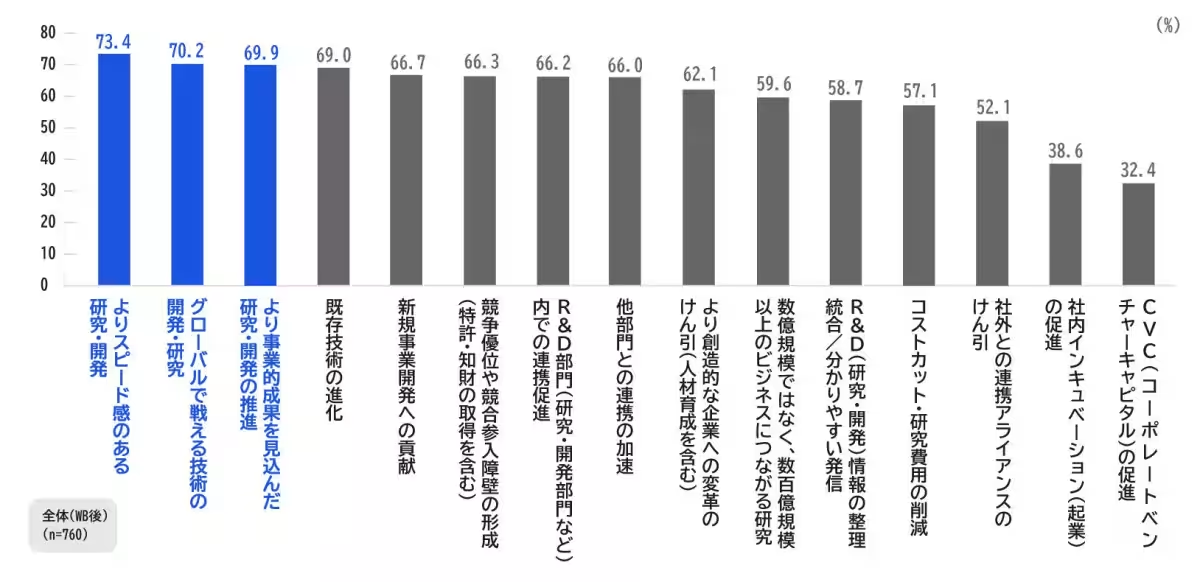
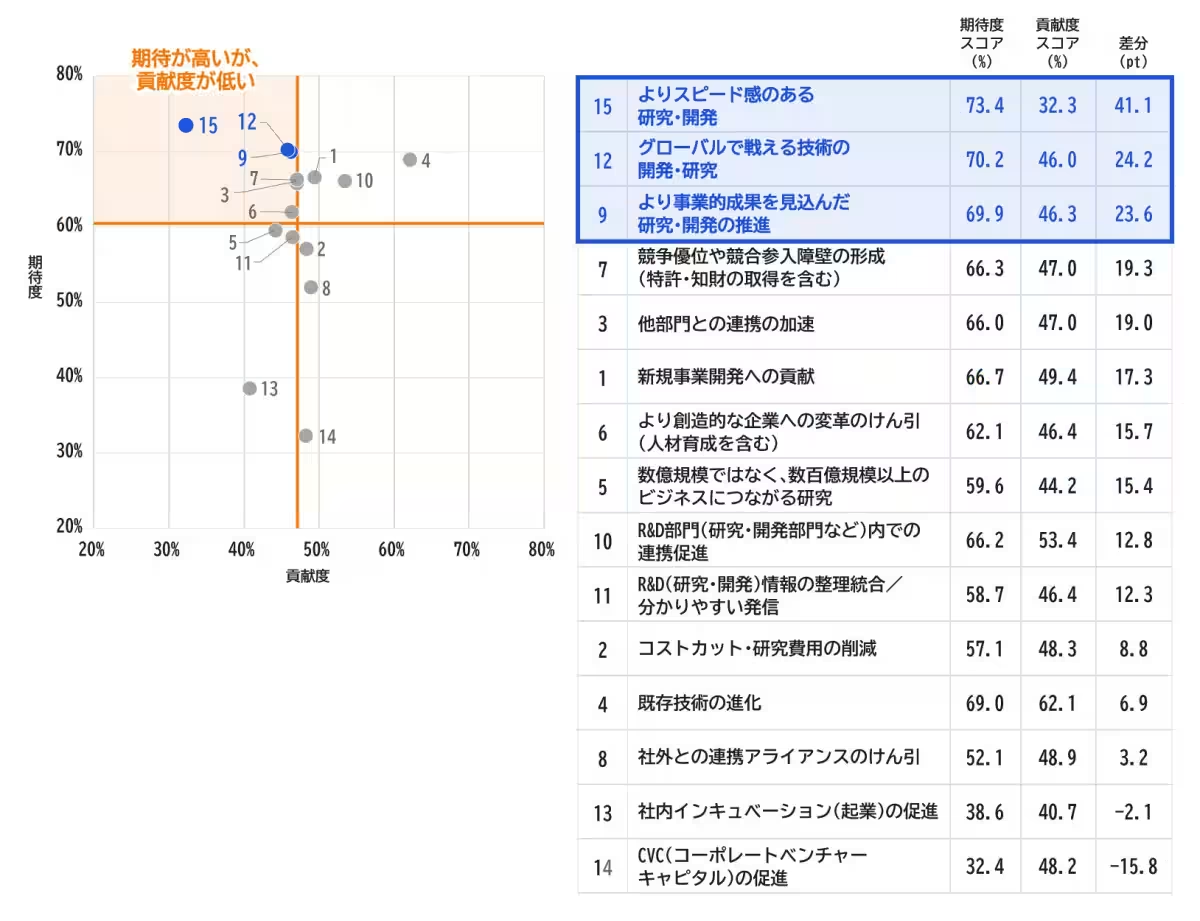
1. Expectations vs. Reality: Companies have high expectations for their R&D departments, particularly regarding speed in research and development, global competitiveness in technology, and driving business outcomes. However, the study found that the actual contributions from these departments fall short of expectations. For instance, 73.4% of respondents ranked the need for speedy research as a priority but only a small percentage felt that this need was being met adequately.
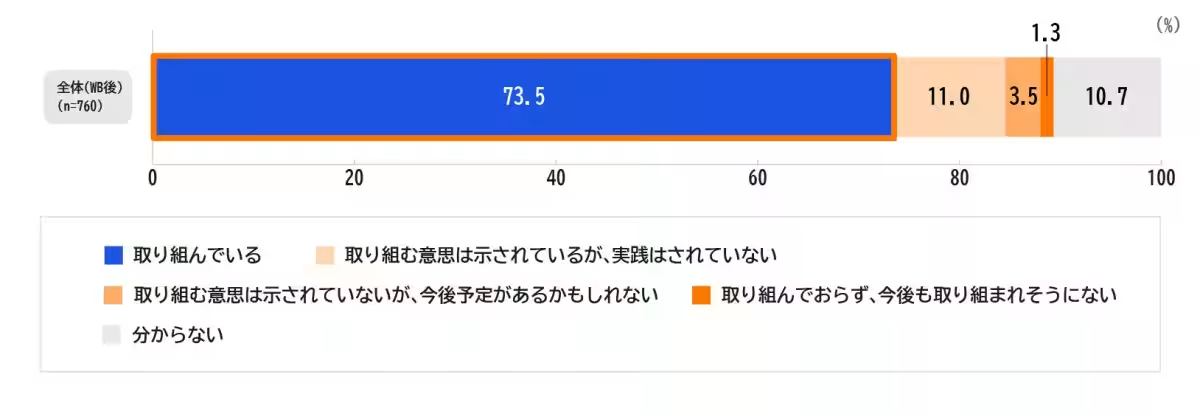
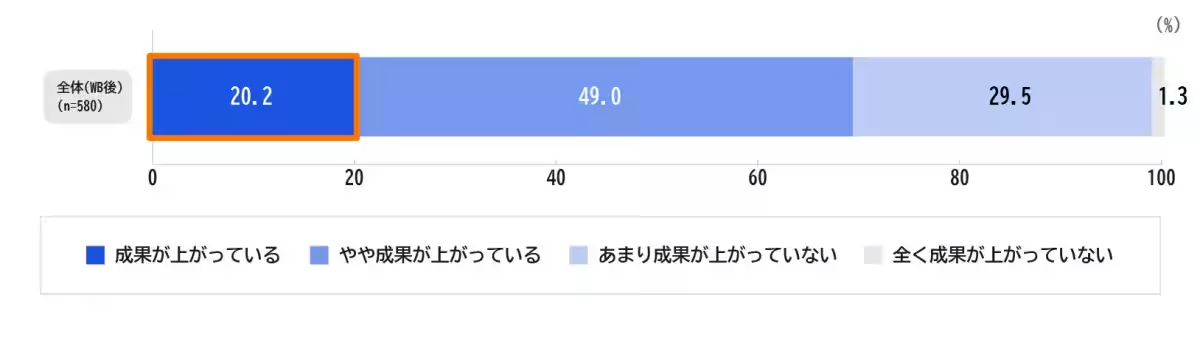
2. Engagement in New Innovations: According to the survey, around 73.5% of employees reported that their companies are actively engaged in creating new businesses and product planning. However, a mere 20.2% felt that these efforts were yielding successful results.
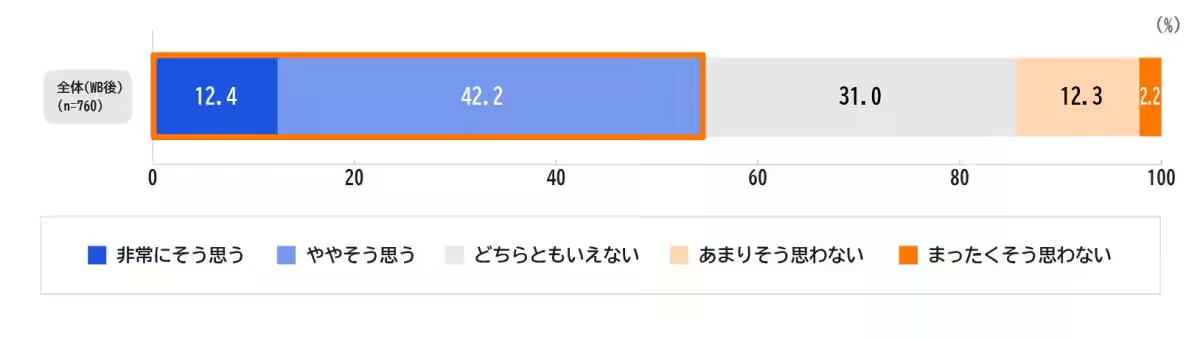
3. Perceived Contributions of R&D: Only 12.4% of participants believed that R&D outcomes significantly contributed to new business creation or product planning. This indicates a gap between the efforts put forth by R&D and the recognition of these efforts by employees.
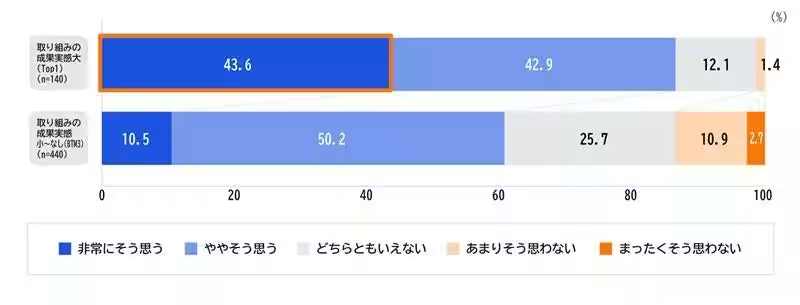
4. R&D Contribution Awareness: Employees who perceived their company's efforts in new business creation as successful reported that they were four times more likely to recognize R&D's proactive contributions compared to those who did not feel successful outcomes were achieved.
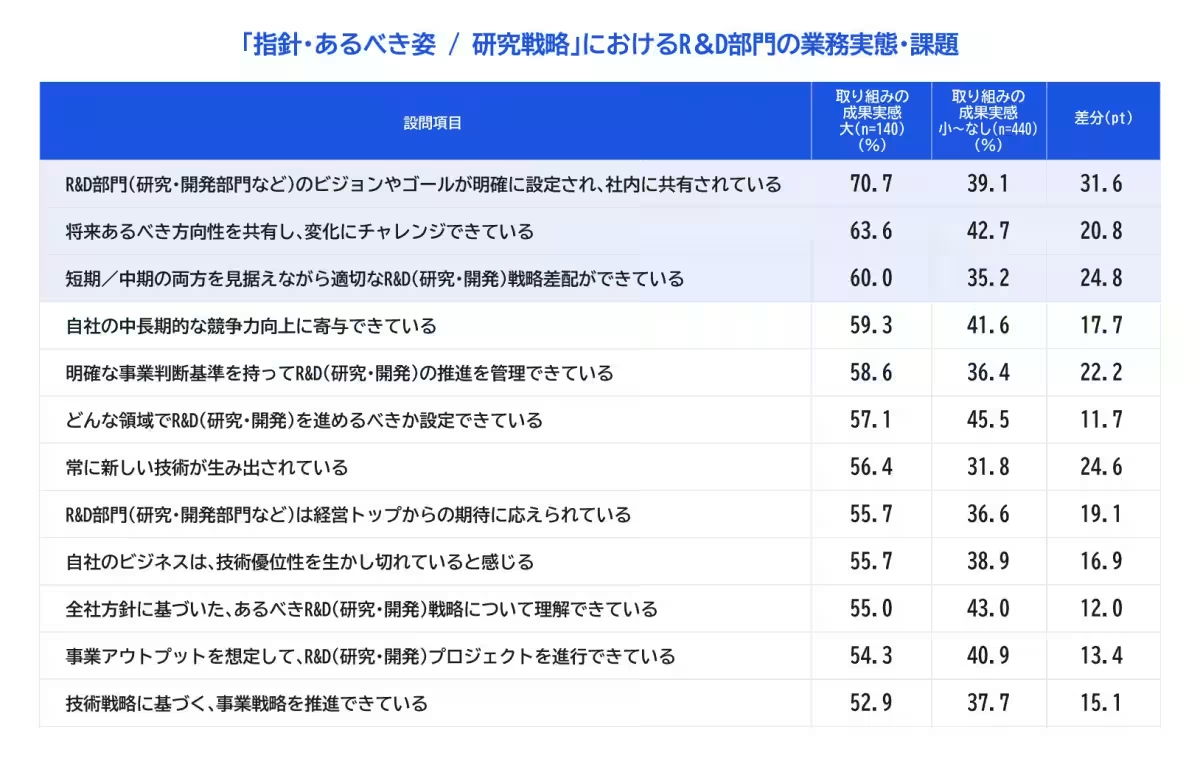
5. Common Characteristics Among Successful R&D Departments: Employees who recognized successful outcomes in innovation shared five common characteristics about their R&D departments:
- Clear communication of medium- to long-term goals and research strategies.
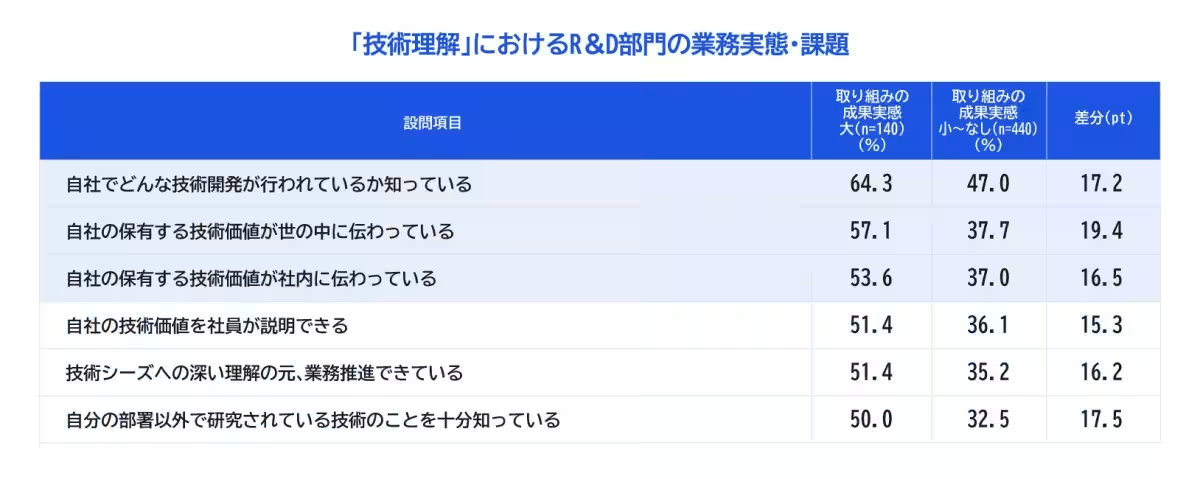
- Strong understanding of both internal and external technologies.
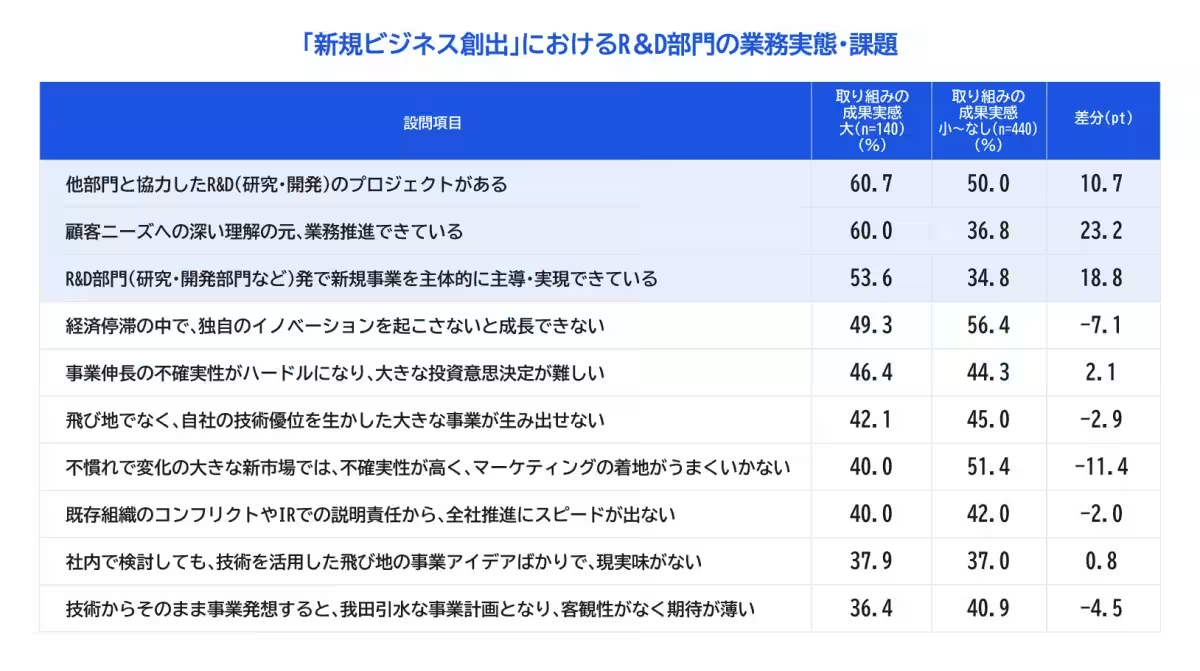
- Deep comprehension of customer needs.
- Active involvement of R&D in leading new business initiatives.
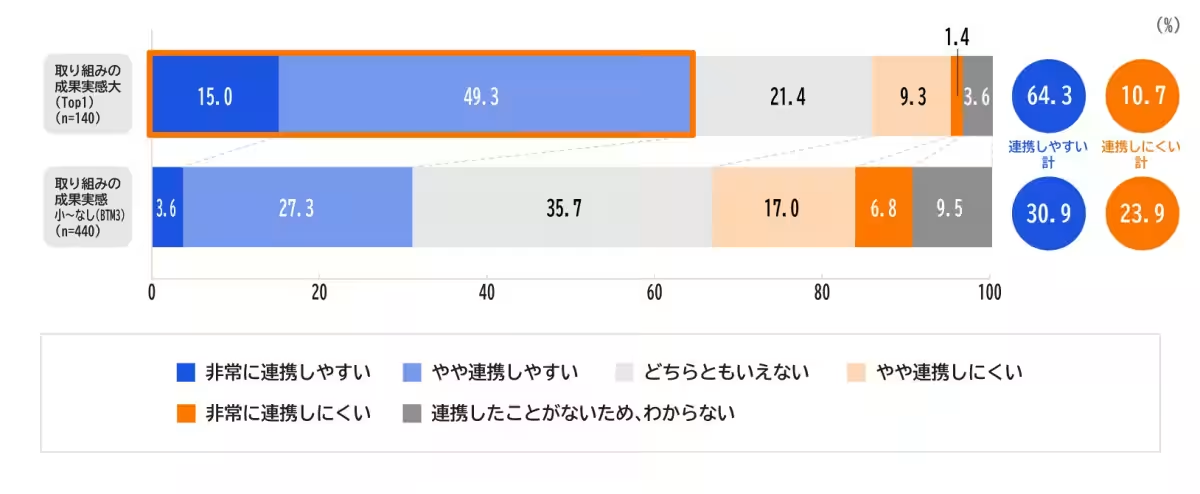
- Effective collaboration with external partners.
Detailed Analysis of Key Findings
The study highlights several discrepancies between the expectations placed on R&D departments and the scene on the ground.
1. High Expectations with Low Contribute
Companies expect R&D to facilitate speedy and globally competitive technological advancements, yet the feedback indicates a major mismatch between these expectations and actual performance. The highest-rated functionalities in the R&D domain do not correlate with perceived impact, underlining an urgent need for aligning these expectations with operational realities.
2. Engaging with Innovation
While a majority believes they are working towards new innovations, the stark contrast between the high engagement in such initiatives and the low reported success signals a systemic issue. It raises questions about the support infrastructure available for these employees to succeed in their roles.
3. Limited Impact Recognition
Despite the essential role R&D plays, a significant number of respondents do not feel that contributions are sufficiently acknowledged. This lack of recognition might affect motivation and could stifle innovation in companies attempting to pivot their business strategies.
4. Disparity in Recognition
The survey further illustrates a pattern where employees attributing success to their efforts view R&D contributions more favorably. This differential perception suggests that addressing concerns about R&D performance could enhance overall employee morale and engagement across departments.
5. Characteristics of Successful R&D Departments
The success of innovation at a corporate level can be attributed to key attributes shared among effective R&D functions. Specifically, the sharing of strategic goals, an understanding of technological assets, and customer needs appear to significantly enhance the perception of R&D contributions, leading to tangible business results.
Survey Insights and Implications
Overall, Dentsu's research emphasizes the evolving landscape where R&D is increasingly pivotal to business innovation. For companies striving to lead in their markets, nurturing a robust and engaging R&D culture will be essential. These insights could shape future strategies tailored to leverage the full potential of R&D divisions while aligning their goals with broader business objectives. The role of R&D is not merely a supporting function but is emerging as a critical driver of business transformation and success.
As companies navigate these challenges, Dentsu Research and Dentsu will continue to support clients through practical R&D programs that connect technological capabilities to business results, fostering innovation in a rapidly changing economic landscape.
Topics Business Technology)
【About Using Articles】
You can freely use the title and article content by linking to the page where the article is posted.
※ Images cannot be used.
【About Links】
Links are free to use.