



Exploring the Impact of Brand Collaborations on Consumer Purchasing Behaviors
The Dynamics of Brand and Character Collaborations
In recent years, the trend of collaboration between different brands and beloved characters has transformed the consumer goods landscape. Recent research by Nippon Information Inc., a comprehensive marketing research firm based in Tokyo, sheds light on how these collaborations impact purchasing behavior among consumers aged 16 to 69.
Survey Overview
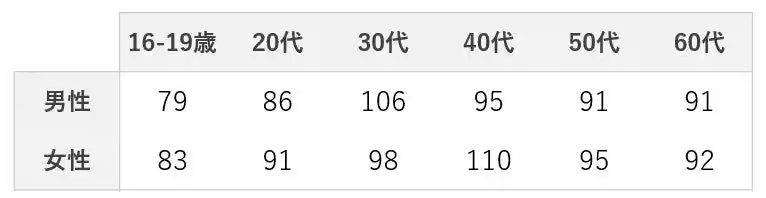
Conducted from September 30 to October 1, 2025, this survey gathered insights from 1,117 individuals across Japan. The findings reveal significant trends and preferences regarding collaborative products, indicating how they can revitalize or initiate consumer engagement with brands.
Key Findings
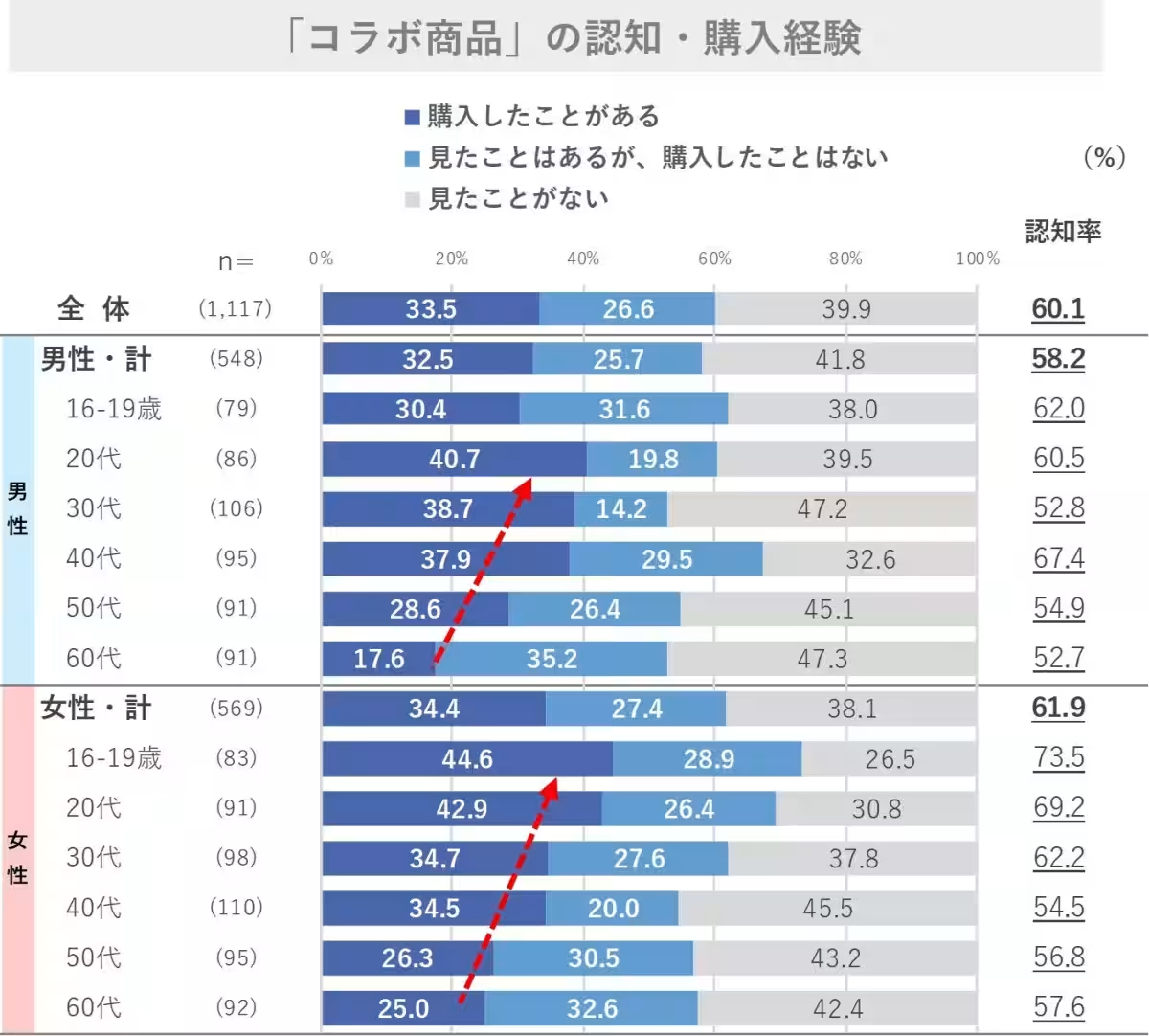
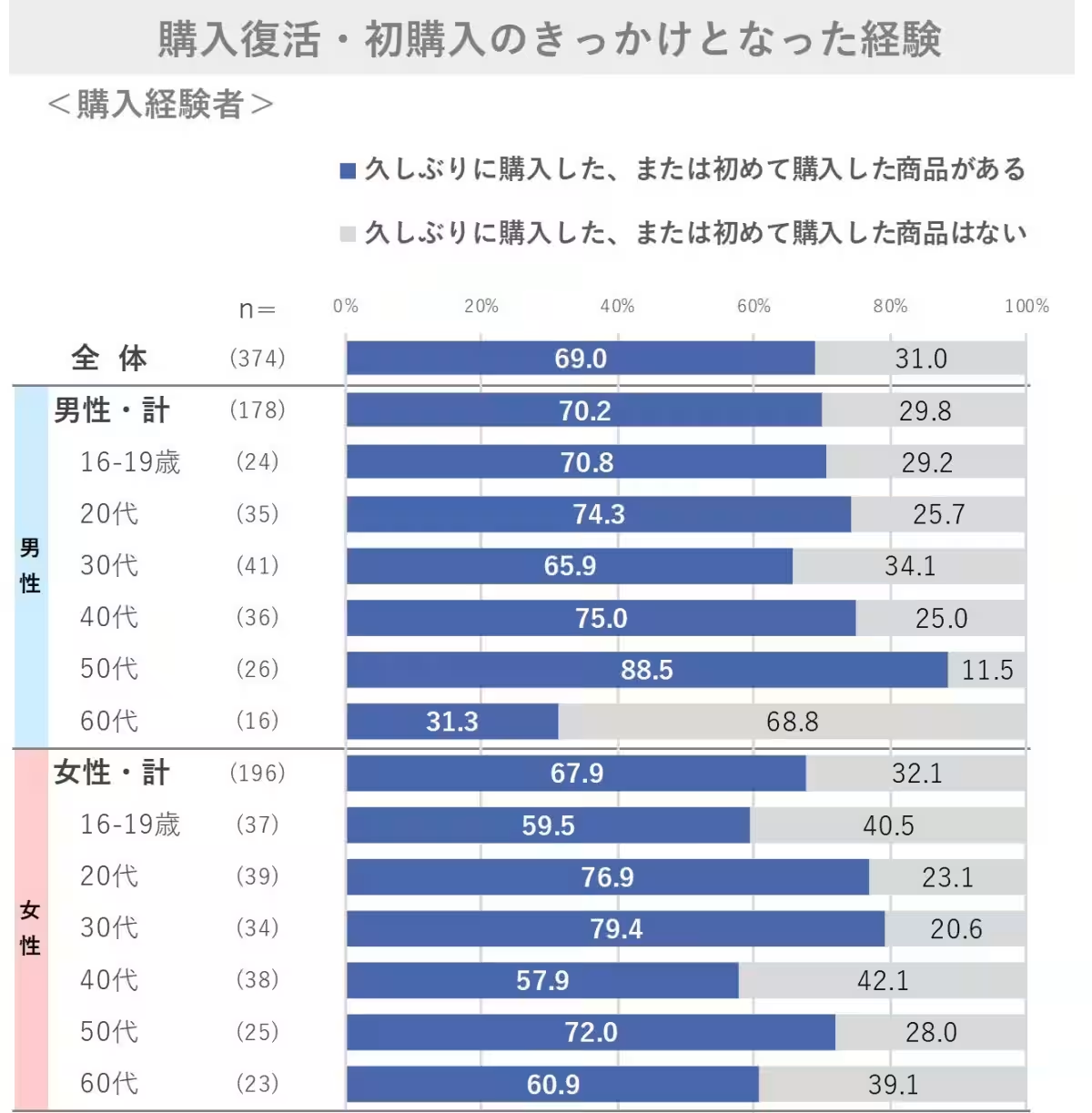
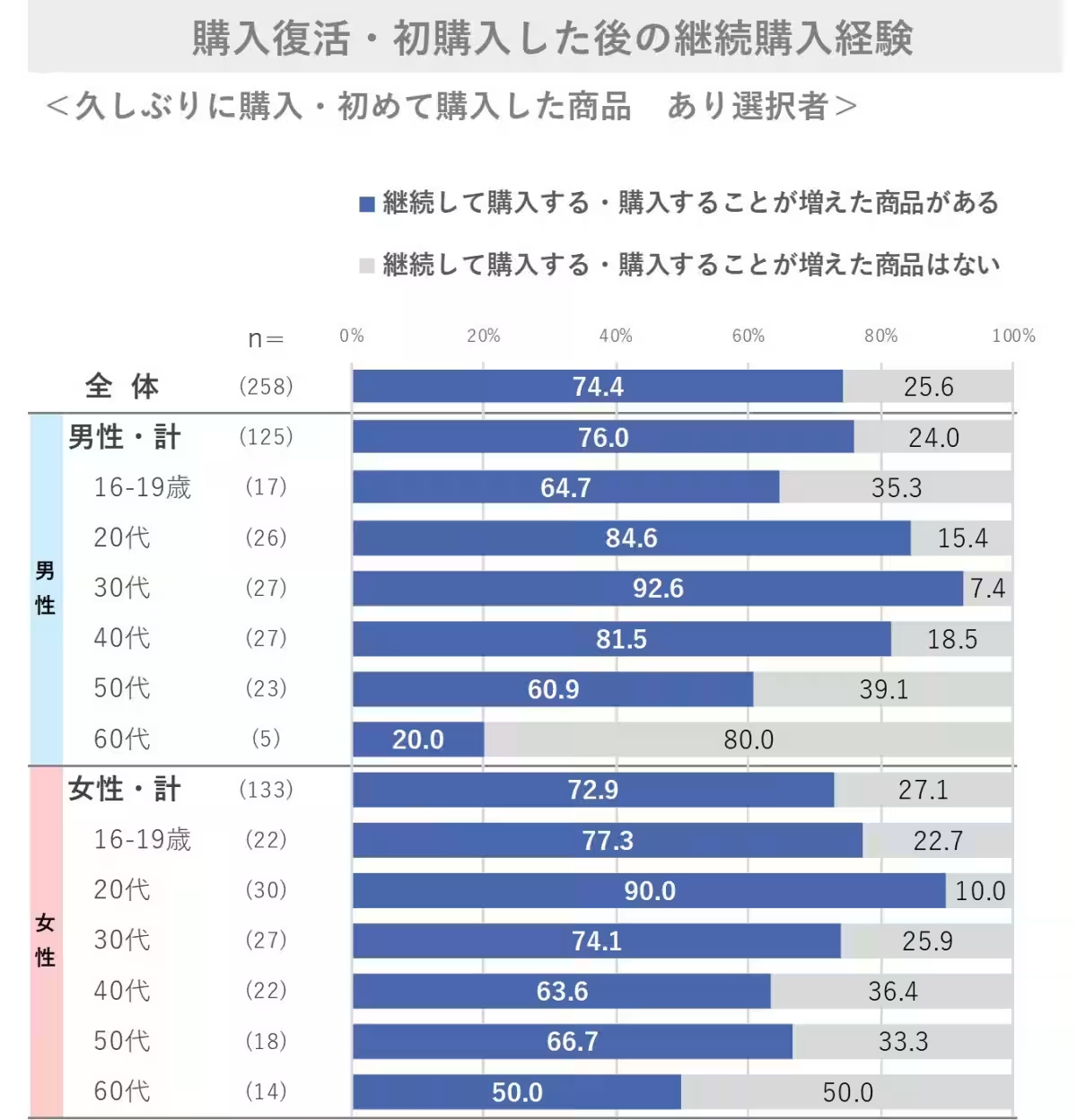
1. Purchase Experience with Collaborative Products: Approximately 33.5% of respondents reported having bought collaborative products. Notably, about 70% of these purchasers stated that collaboration prompted them to buy for the first time or re-engaged them after a long hiatus. The awareness of collaborative products stood at 60.1%, with younger demographics showing higher purchasing experiences. Furthermore, 69% of those who purchased collaborative items reported they were either revisiting a product they hadn’t bought in some time or trying it for the first time. This led to further purchasing behavior, with 74.4% continuing to buy or increasing their frequency after their initial collaborative purchase.
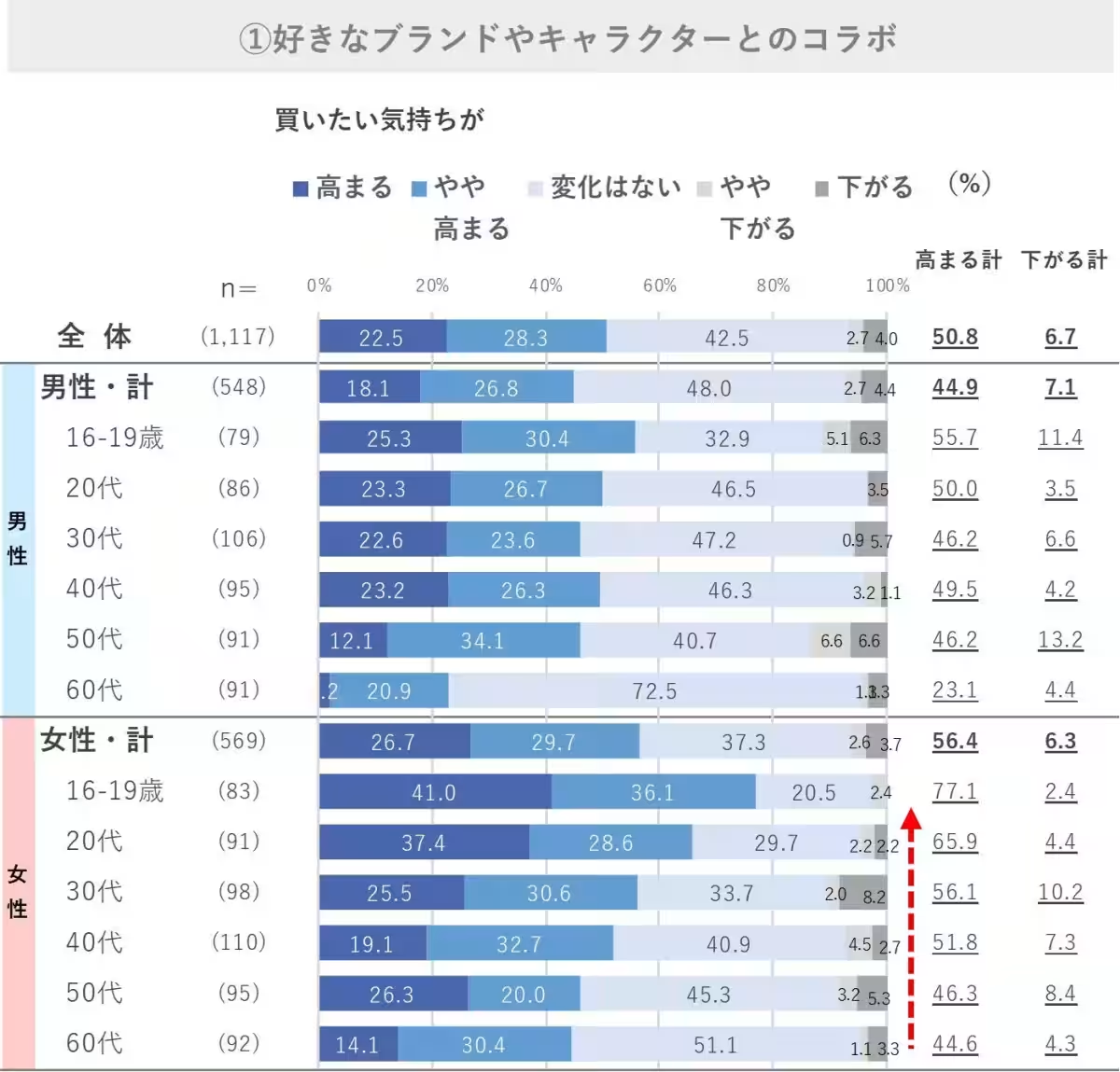
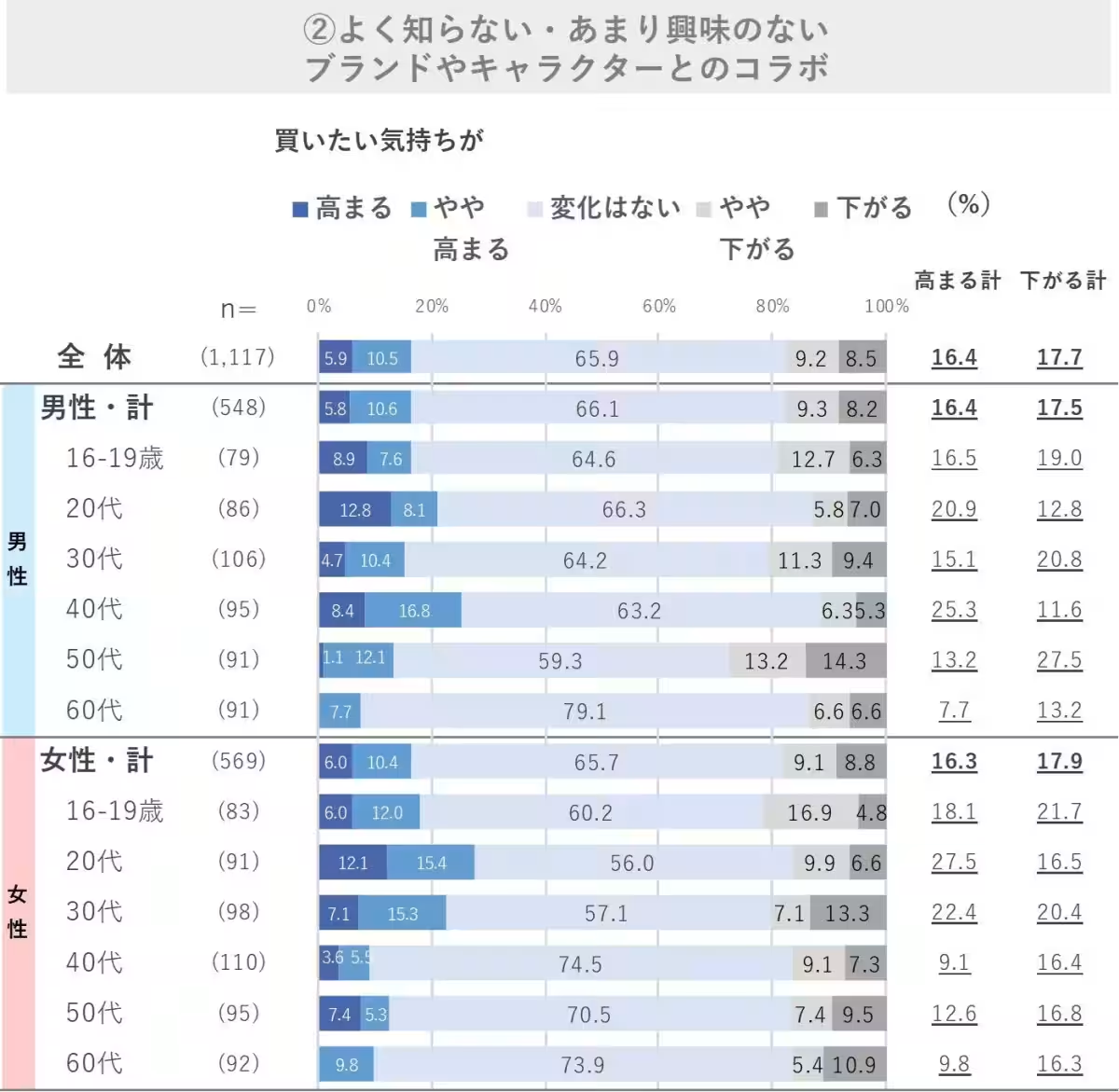
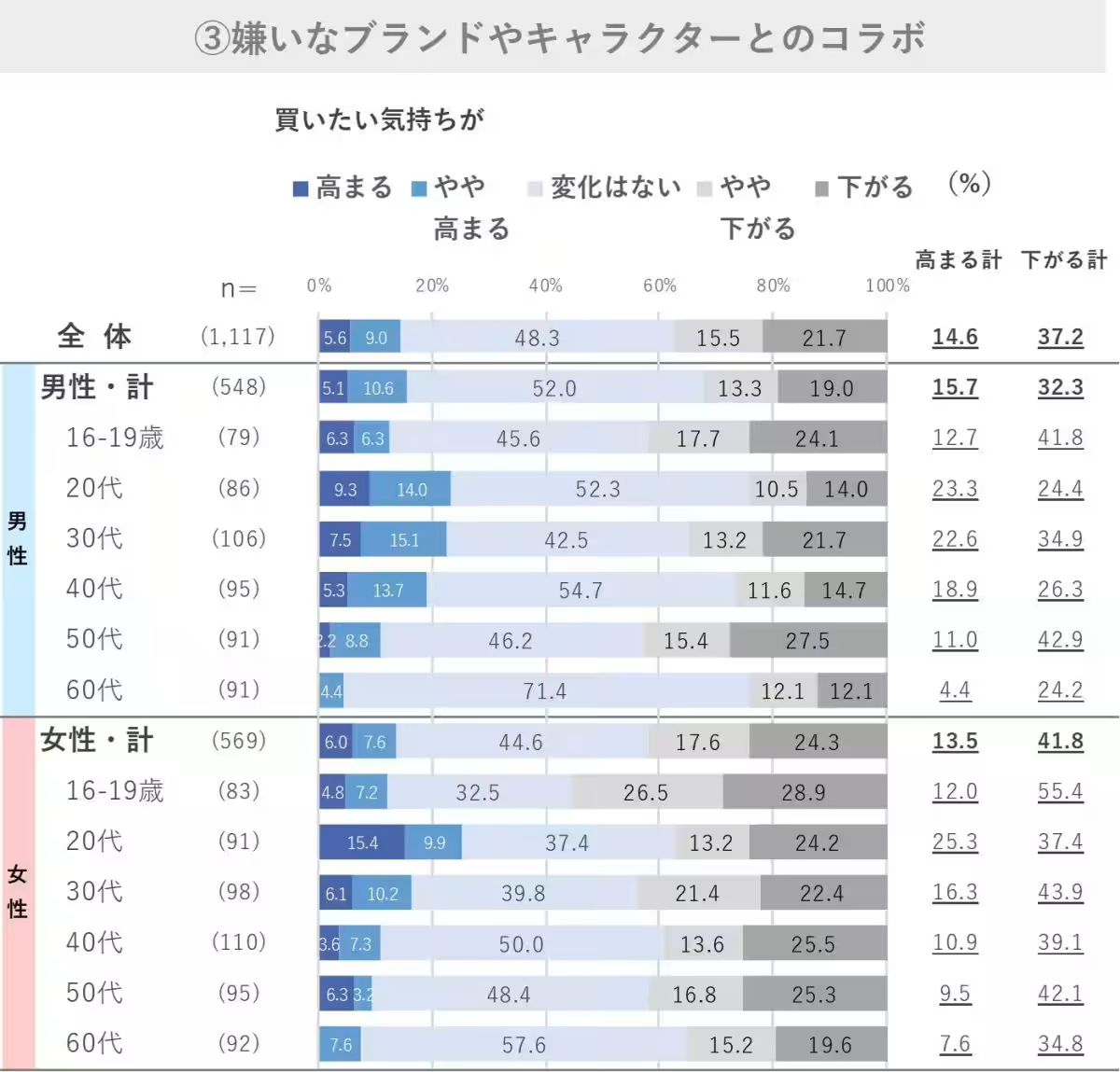
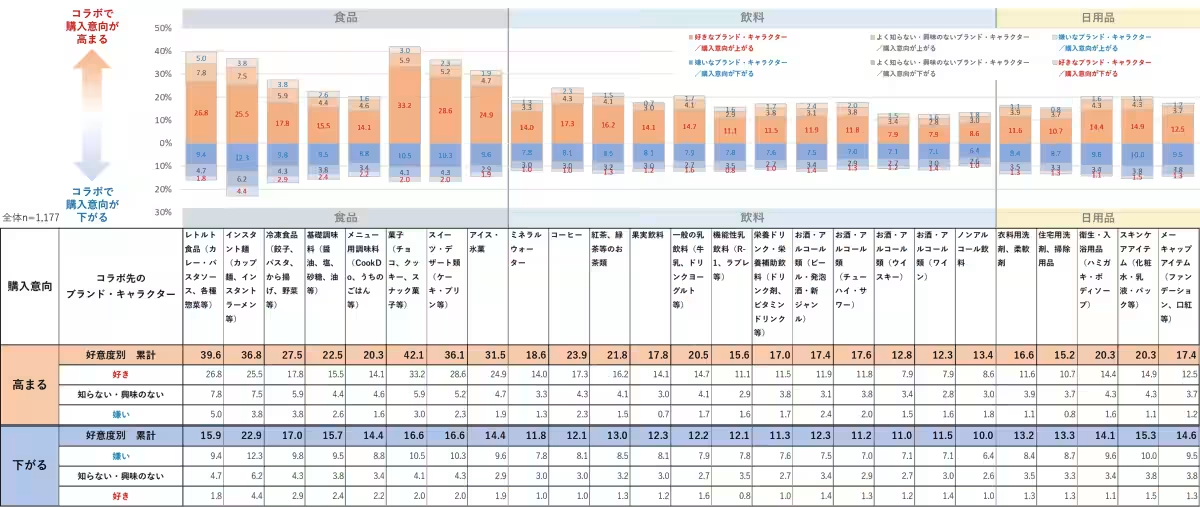
2. Influence of Affinity Towards Collaborative Brands/Characters: Respondents' willingness to purchase collaborative products was significantly influenced by their liking of the partner brand or character. When respondents favored the collaboration, 50.8% expressed a heightened desire to buy. Conversely, for those who disliked the collaborating brand or character, about 37.2% reported a decrease in their intention to purchase.
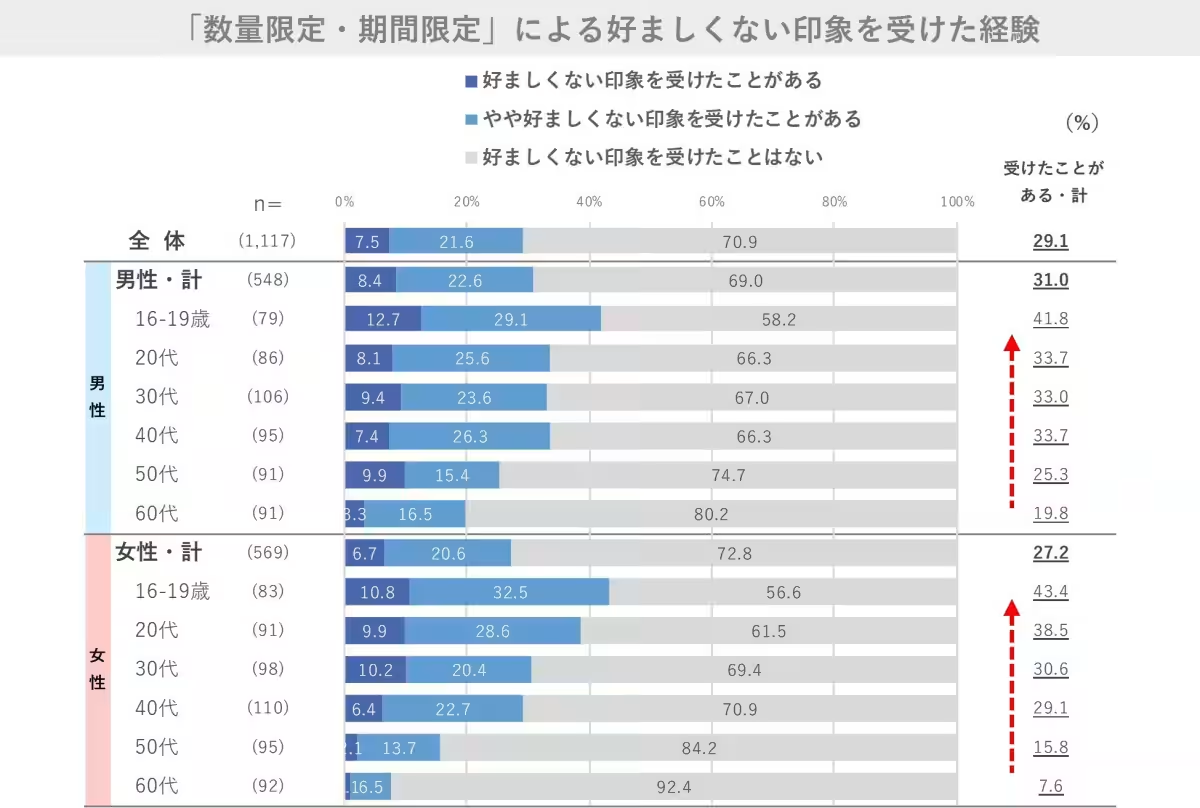
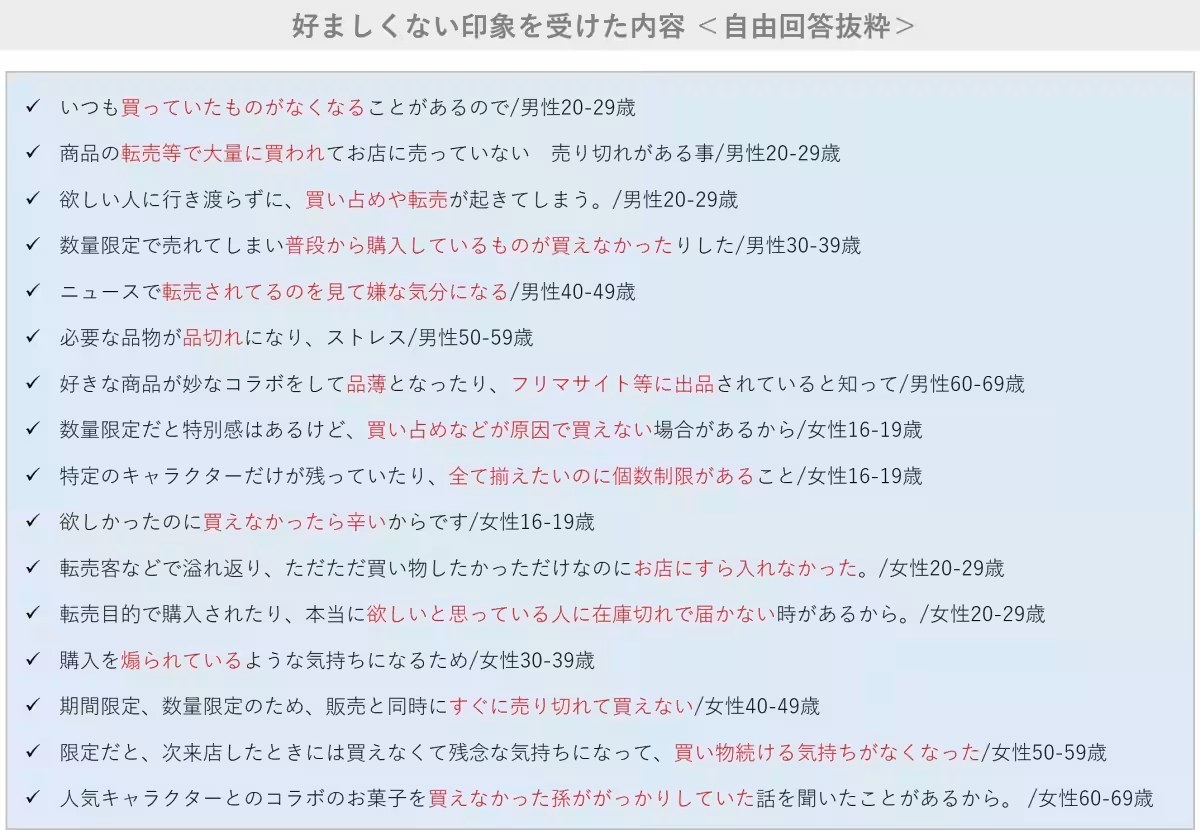
3. Perceptions of Limited-Time Offers: Collaborative products are often released as limited runs, leading to some negative consumer experiences, including purchase stampedes or resale frustrations. Around 30% of respondents reported feeling stress or dissatisfaction due to scarcity tactics. Specifically, 7.5% had a strong negative impression of such practices, while an additional 21.6% had at least some discontent.
Detailed Insights
- - Purchase Recognition and Experiences: The recognition of collaborative items and their purchasing statistics is crucial for marketers aiming to create engaging campaigns. With a recognition rate of 60.1% for collaborative products, it’s vital to enhance this awareness. Brands that can create buzz and drive consumer excitement often find their efforts rewarded with successful sales.
- - The Role of Brand Compatibility: The survey illustrated that purchase intent is amplified when consumers engage with brands or characters they already favor. Younger women are particularly responsive to these collaborations, indicating a trend worth watching for brands targeting younger audiences.
- - Negative Experiences and Market Approaches: The study highlights a growing concern about limited-edition strategies. Brands must balance exclusivity with accessibility to avoid alienating consumers who may feel shut out of opportunities to purchase favorite products. These insights point towards a nuanced approach in future collaboration strategies that consider consumer sentiment and the overall shopping experience.
Conclusion
This recent study emphasizes that collaborations between brands and popular characters can effectively stimulate consumer purchasing behavior and rekindle interest in certain products. While the favorable perception of these collaborations can lead to increased purchase intent, attention must also be paid to the stress associated with limited-time offers. Moving forward, it is essential for brands to monitor consumer reactions to collaborations and adapt strategies accordingly to ensure a positive consumer experience and sustained interest.
For additional details and data analysis, those interested can request the comprehensive report via the contact link provided by Nippon Information Inc.
Additional Resources
- - Analysis of collaborative product categories
- - Consumer impressions and pricing acceptance
- - Brands or characters consumers wish to see collaborate
Survey Details
- - Region: Nationwide in Japan
- - Demographics: Ages 16 to 69, both genders
- - Methodology: Internet research
- - Sample Size: 1,117 valid responses
For further insights, visit Nippon Information Inc. for the detailed report.

Topics Consumer Products & Retail)
【About Using Articles】
You can freely use the title and article content by linking to the page where the article is posted.
※ Images cannot be used.
【About Links】
Links are free to use.