



Why Are IT Engineer Recruitment Strategies Falling Short? A Deeper Look
The Challenges in IT Engineer Recruitment: Understanding the Disconnect
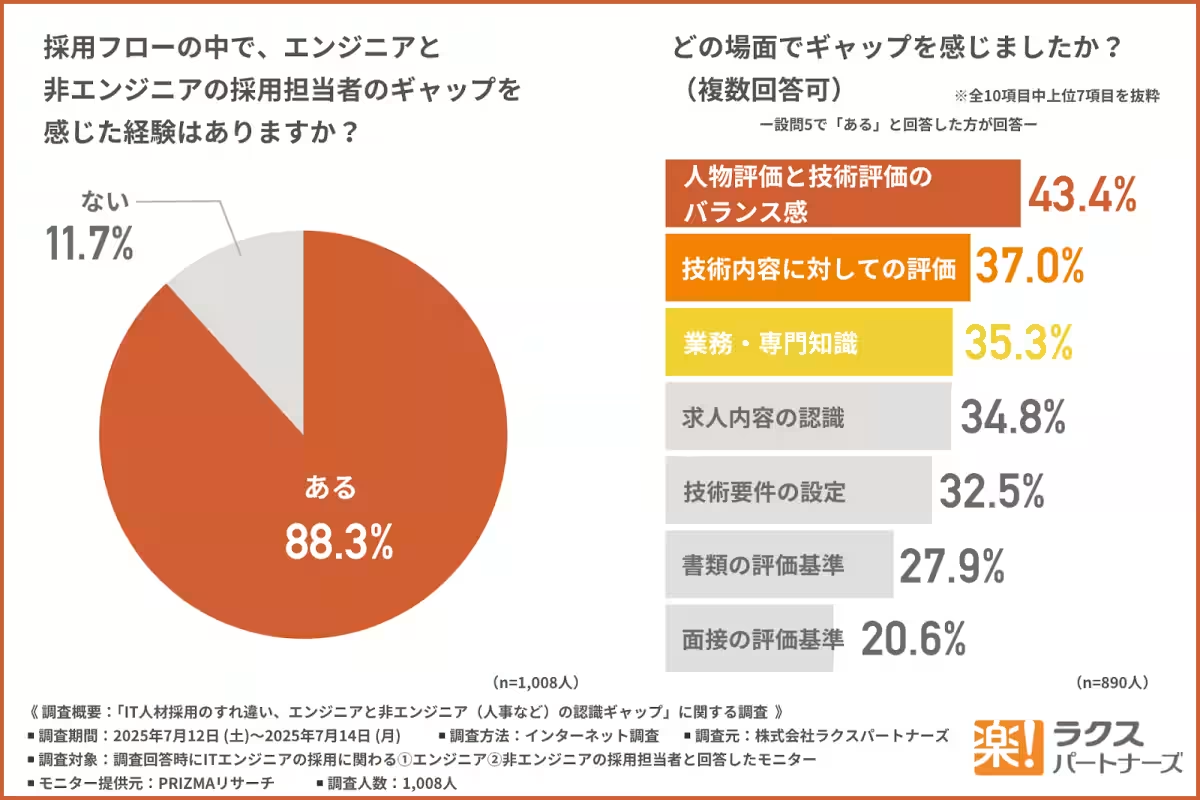
In recent observations, the recruitment of IT engineers has encountered several challenges that straddle the interests of both technical and non-technical recruitment personnel. A survey conducted by RAKUS Partners, covering around 1,000 recruiting professionals, sheds light on the widening chasm between IT engineers and non-engineers involved in the hiring process. The frustration these recruiters experience is reflected in disturbing data points: nearly 90% perceive a significant disconnect in their recruitment efforts.
Survey Insights on Recruitment Dynamics
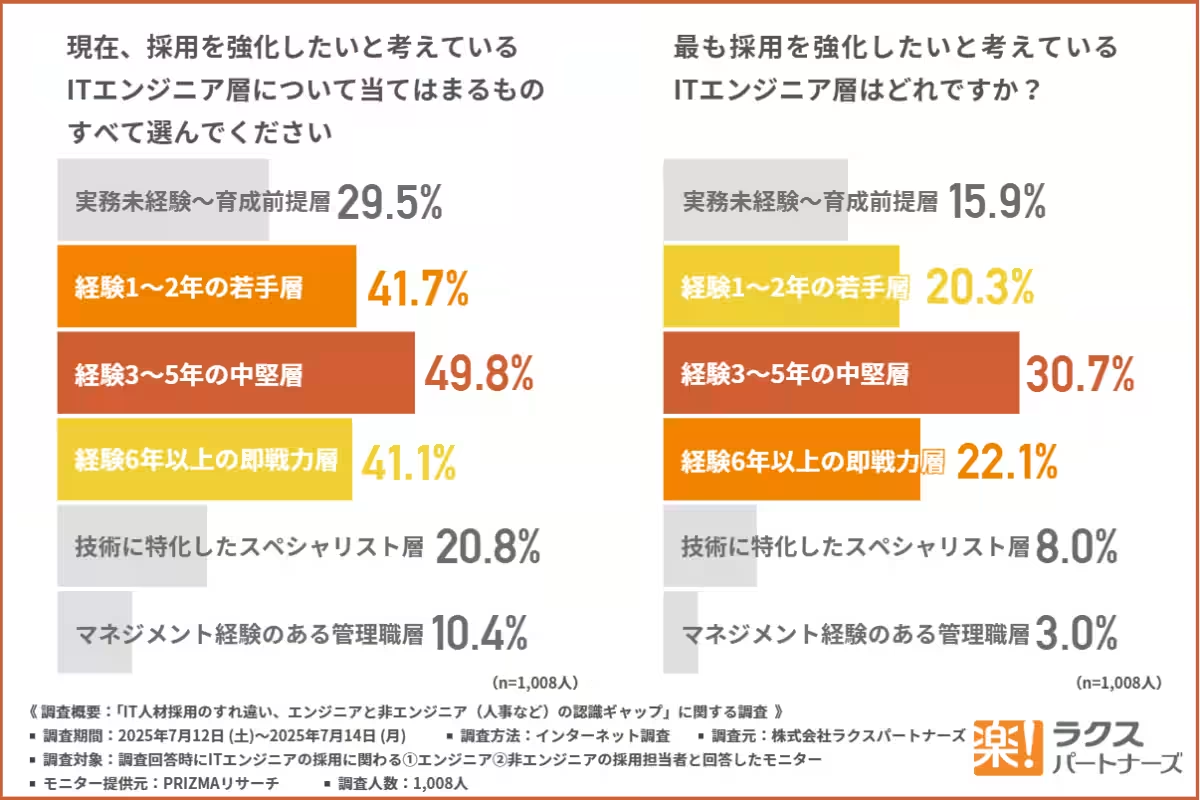
The research reveals that the focus of recruitment initiatives primarily targets the mid-level engineer demographic, particularly those with 3 to 5 years of experience. This demographic not only constitutes the majority of desired candidates but also signifies a pronounced interest in nurturing potential talent rather than relying solely on seasoned experts. Interestingly, despite wanting to recruit from this segment, only about 30% of companies felt they had sufficiently filled these positions. The largest response concerning this gap in expectations illustrates a pressing dilemma in securing qualified IT engineers, regardless of employment type.
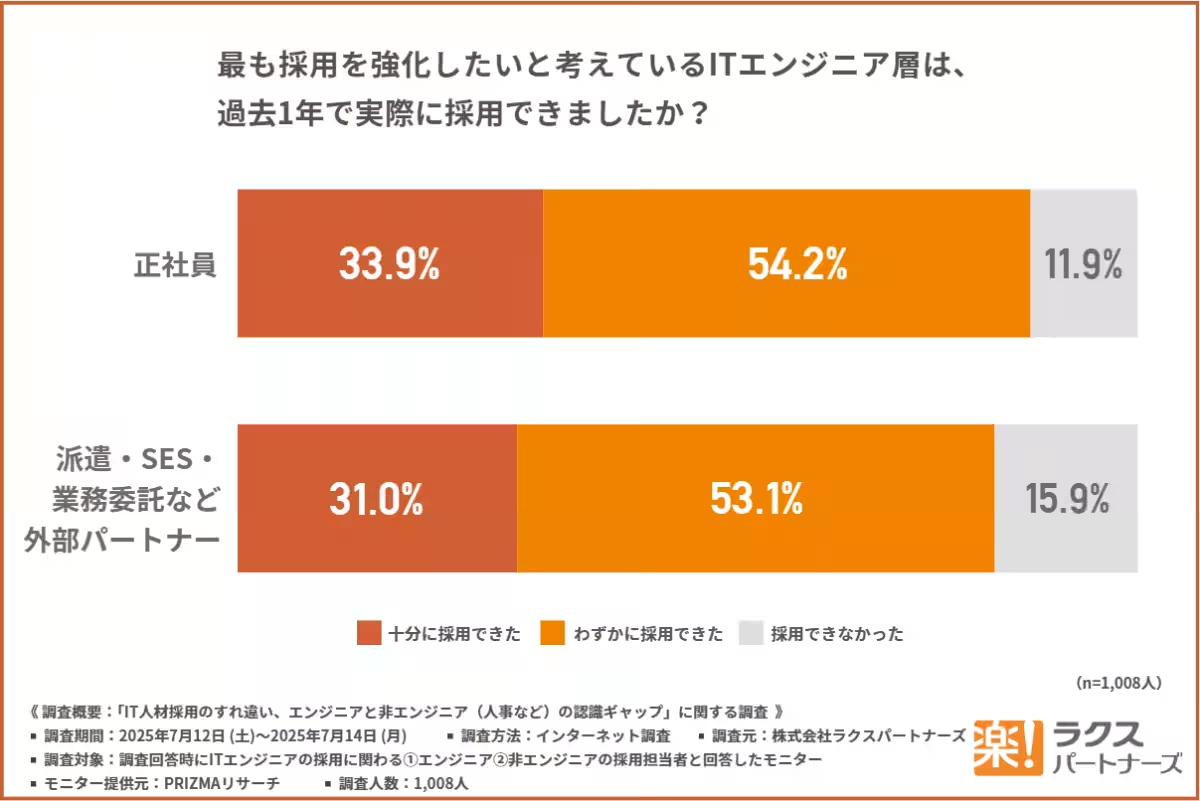
Hiring Statistics by Employment Type
- - Full-Time Employees: 33.9% adequately hired, 54.2% minimally hired.
- - Contractual or Outsourced Workers: 31% adequately hired, while 15.9% reported a complete inability to hire appropriate talent.
These ratios highlight a general struggle across both full-time and contract positions, as many organizations are not fulfilling their ideal hiring goals. The added layer of complexity is seen with external hiring, where challenges appear heightened, reflecting a continuous struggle to find appropriate candidates quickly.
Bridging the Gap: Understanding Key Disconnects
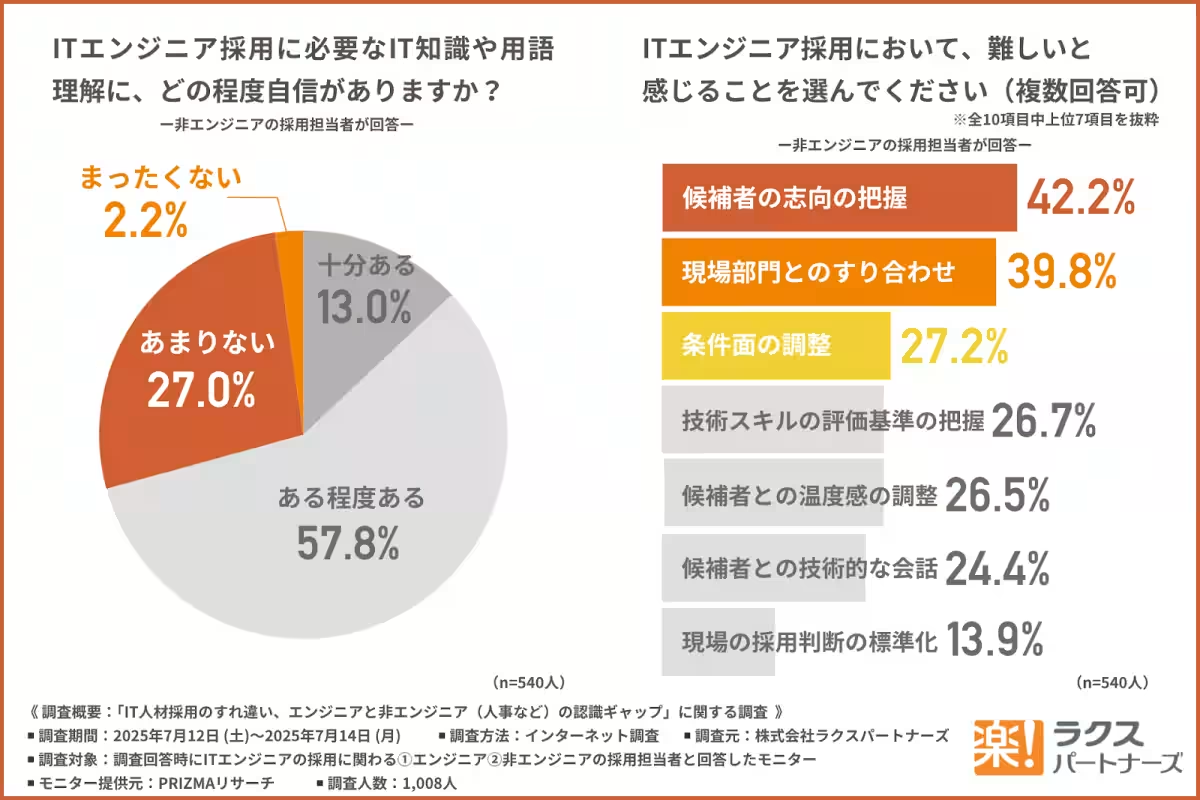
To comprehend the roots of this recruitment distress, we need to delve into the experiences reported by the non-engineering hiring managers. An alarming 27% report feeling insecure about their understanding of essential IT knowledge and terminologies. This lack of confidence has repercussions, leading to certain ambiguities during the selection process which can foster misunderstanding and ultimately result in hiring mismatches. Among those surveyed who reported experiencing some gap between engineering and non-engineering hiring perspectives, significant percentages mentioned discrepancies in how candidates are evaluated, particularly in the balance of personal versus technical attributes.
When asked about the effective understanding of candidates’ preferences and aspirations, 42.2% of hiring managers expressed difficulties in grasping what career paths the candidates desire. This echoes a broader apprehension toward fostering an environment that respects the unique values and motivations of IT professionals—further challenging the recruitment ethos as organizations strive to meet their talent requirements.
Additionally, the communication challenge that arises from these gaps and misunderstandings becomes critical. Many non-technical recruiters wrestled with bridging the expectations of hiring teams and the assessments necessary to identify appropriate candidates. This often leads to prolonged hiring processes and can discourage potential candidates who may feel unsupported or undervalued during their interactions with hiring representatives.
Structural Issues in IT Engineer Recruitment
A core takeaway from this report is the notion of structural disconnection. It emphasizes the persistent friction between engineers and their non-engineering counterparts, revealing essential areas that require urgent focus. Recognizing that about 30% of non-engineering recruiters lack confidence in their technical knowledge points to a systemic issue that calls for collective organizational support, rather than placing the onus solely on individual learning efforts.
Particularly, strategies that level up the competencies of non-engineering HR personnel to better understand IT milestones, terminologies, and assessments could bridge the gap. The need for organizations to cultivate a cohesive recruitment strategy that prioritizes collaboration between technical and non-technical hiring teams cannot be overlooked.
Conclusion: Adapting to the Evolving IT Landscape
As the competition intensifies in securing capable IT engineers, organizations need to recalibrate recruitment strategies to facilitate a tighter integration of knowledge and best practices between engineers and hiring teams. Moving forward, solutions could involve developing training programs aimed at enhancing IT knowledge amongst HR teams, cultivating better communication, and improving alignment between recruitment goals and operational realities. The takeaway is clear: ensuring a harmonious recruitment process is essential for navigating the ongoing challenges in IT engineer hiring, ultimately paving the way for success in capturing top talent.
This comprehensive survey and analysis illuminate pressing issues faced in the IT hiring sector, underscoring the necessity for a unified recruitment strategy that can efficiently bridge the divides between varying roles in hiring processes.
For additional insights, the complete survey data can be reviewed here.

Topics Business Technology)

【About Using Articles】
You can freely use the title and article content by linking to the page where the article is posted.
※ Images cannot be used.
【About Links】
Links are free to use.