



Joycal Analyzes the 2025 Automotive Maintenance Industry and Predicts 2026 Trends
Joycal's Summary of the 2025 Automotive Service Industry and Outlook for 2026
Joycal Japan, headquartered in Chiyoda, Tokyo, has recently released an analysis of the automotive maintenance industry for 2025, accompanied by projections for 2026. The company outlines the dual challenge of a labor shortage and a shift from ownership to usage in the automotive sector and discusses how to maintain local maintenance networks.
Current State of Japan's Automotive Maintenance Industry
The automotive maintenance sector is often considered an "invisible infrastructure" that supports local communities and logistics. According to data released by the Ministry of Land, Infrastructure, Transport and Tourism in June 2025, there are approximately 92,000 automotive repair shops across Japan, generating around 5.9 trillion yen in revenue and employing about 554,000 individuals, including 400,000 mechanics. This indicates that there is a sufficient number of repair shops in relation to the number of vehicles in circulation, with facilities scattered throughout rural areas.
However, the challenge of securing skilled labor is becoming increasingly severe. The aforementioned report highlights that the number of students entering automotive maintenance vocational schools has halved over the past 20 years, accompanied by an aging workforce. The Ministry of Health, Labour and Welfare notes that the effective job opening ratio for automotive mechanics is expected to reach 5.45 times the national average in the fiscal year 2024—far exceeding that of other industries. Furthermore, the number of automotive service operators has seen a significant decline, with a record 382 businesses ceasing operations or going bankrupt in fiscal 2024, bringing the total exits to 445.
Summary of 2025: Focus on Institutional Revisions and Maintenance Network Preservation
In 2025, efforts were concentrated on updating systems to protect the maintenance network. The Ministry of Land, Infrastructure, Transport and Tourism announced a review of regulations under the title "Towards a Society Where Automobiles Can Be Used Safely and Securely." Changes include revising equipment requirements for certified garages, relaxing minimum staffing requirements for large garages, shortening the required practical experience for automotive mechanics, legalizing electronic maintenance records, and transitioning training to online formats.
In tandem with these changes, the "Productivity Improvement Investment Promotion Plan" aims to simultaneously enhance productivity and increase wages by providing funding support for diagnostic tools and business systems. Service providers are now tasked with establishing systems that operate efficiently with fewer staff while keeping pace with evolving vehicle technologies.
Summary of 2025: Accelerating Shift from Ownership to Usage amidst Rising Cost Concerns
The personal car leasing and subscription market, emblematic of the shift from “ownership” to “usage,” has continued to expand robustly. Research by the Yano Economic Research Institute indicates that as of March 2024, the number of leased vehicles in the personal sector reached 671,404, representing a 115.4% increase year-on-year. By the end of March 2025, this figure is projected to rise to 756,000 vehicles, foreseeing a total of 1 million by March 2027.
Fuel prices and tax burdens also emerged as significant topics of discussion in 2025. In late November 2025, a bill to abolish the provisional gasoline tax was passed, effective December 31.
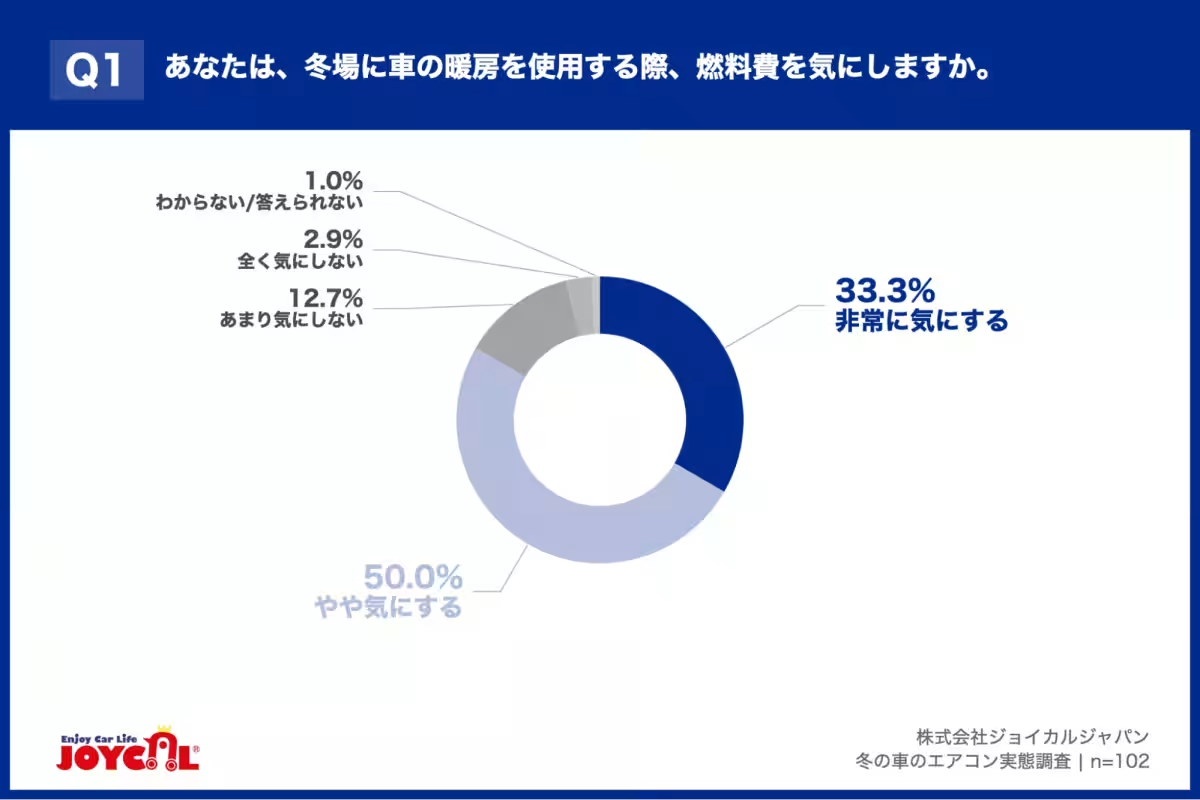
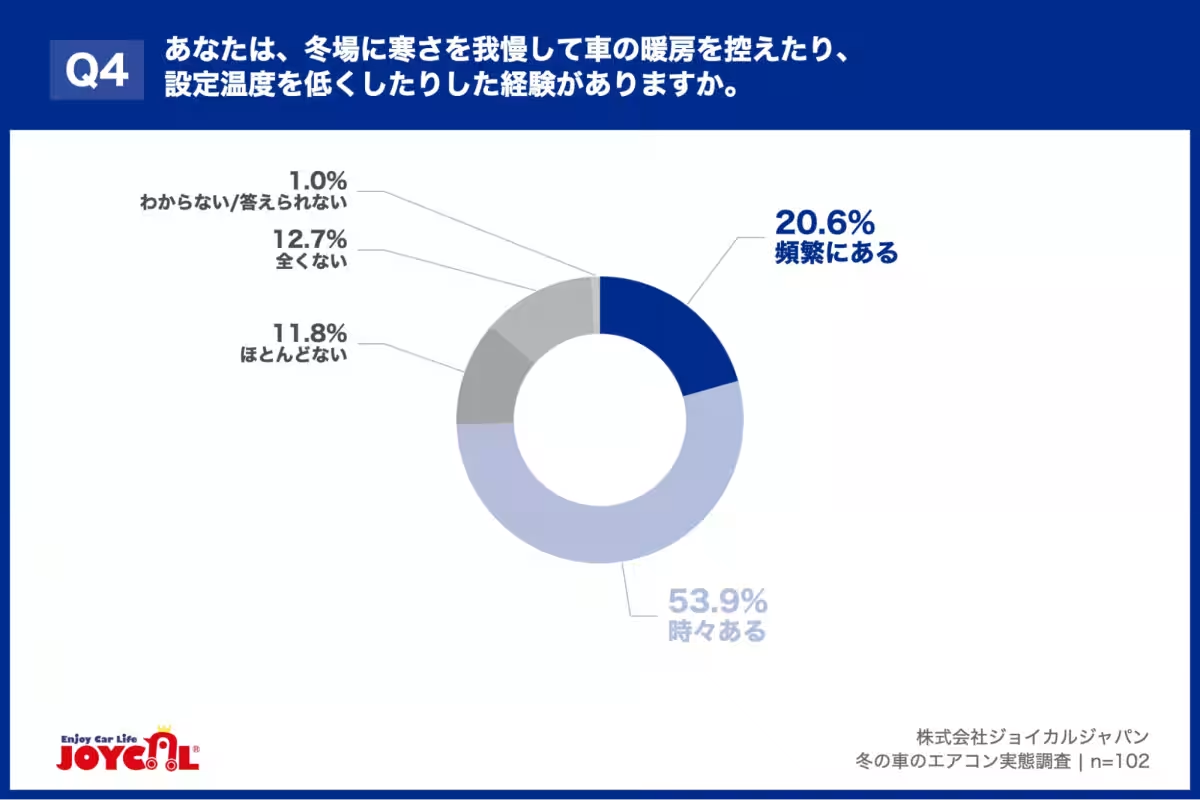
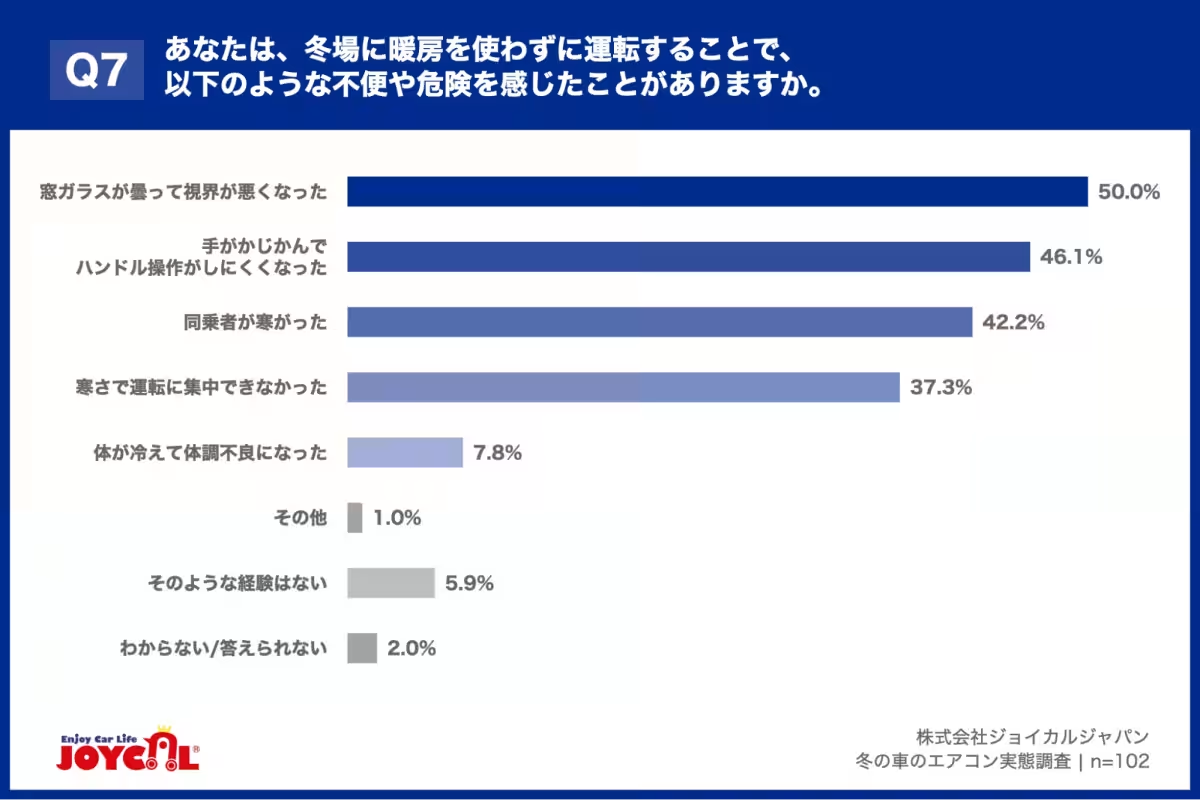
In a survey conducted by Joycal Japan, 83.3% of car owners with malfunctioning air conditioning during winter expressed that fuel costs were a significant concern. Approximately 70% reported having experienced discomfort from cold due to refraining from using heating, leading to issues like impaired visibility from fogged windows (50%) and difficulty steering due to cold hands (46%).
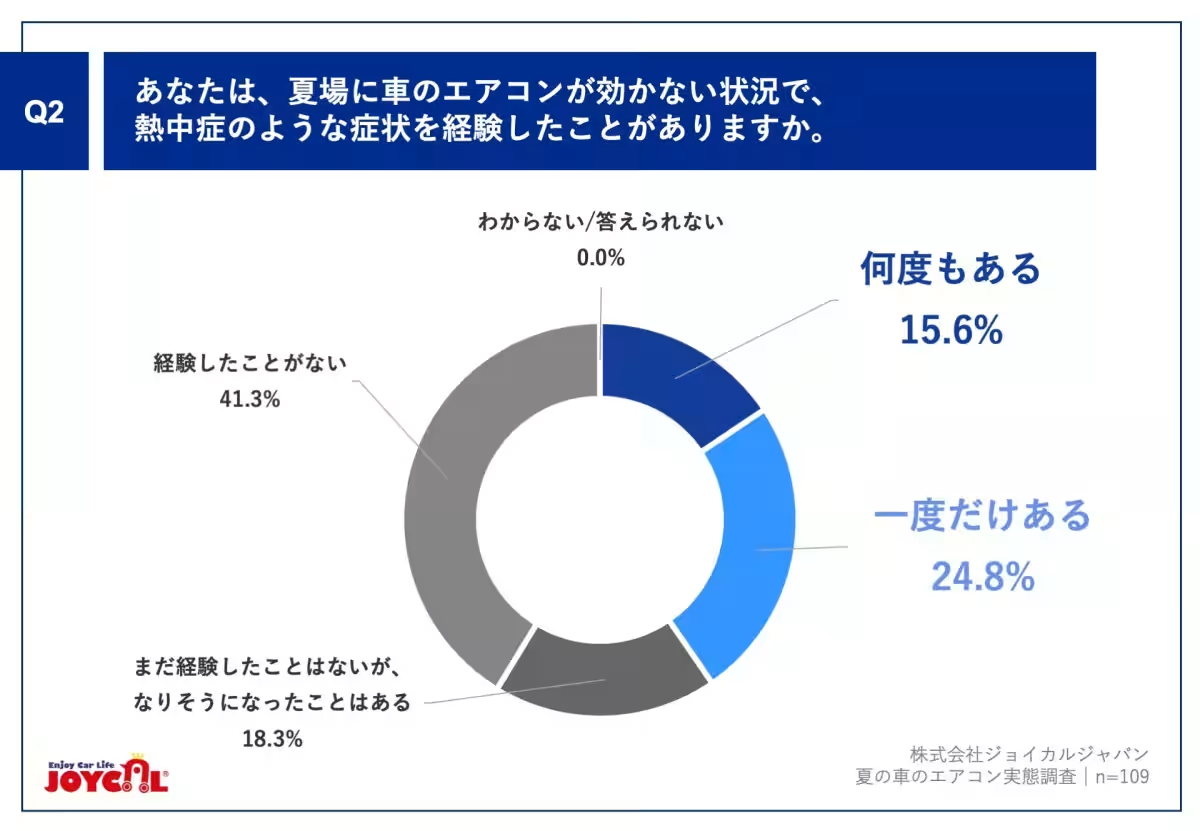
Additionally, over 40% reported symptoms akin to heatstroke during breakdowns of air conditioning in summer.
Rising Concerns about Fuel and Repair Costs
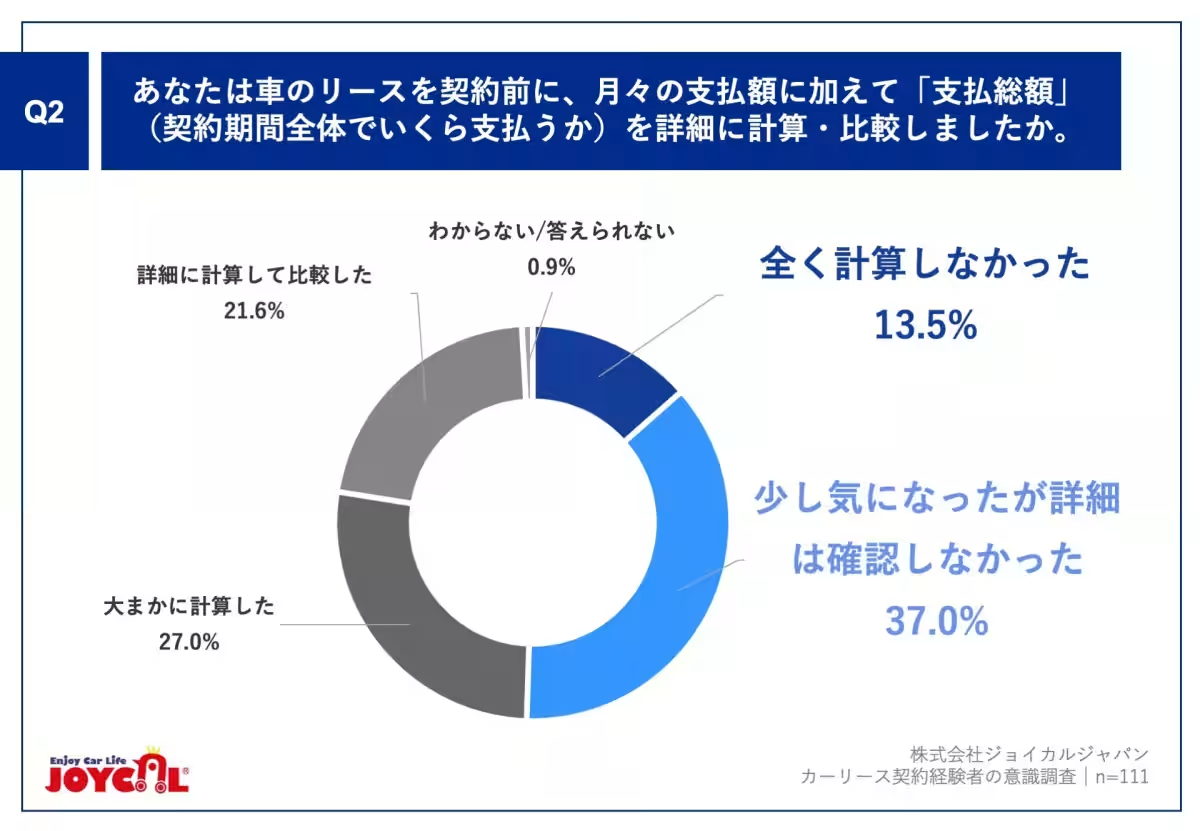
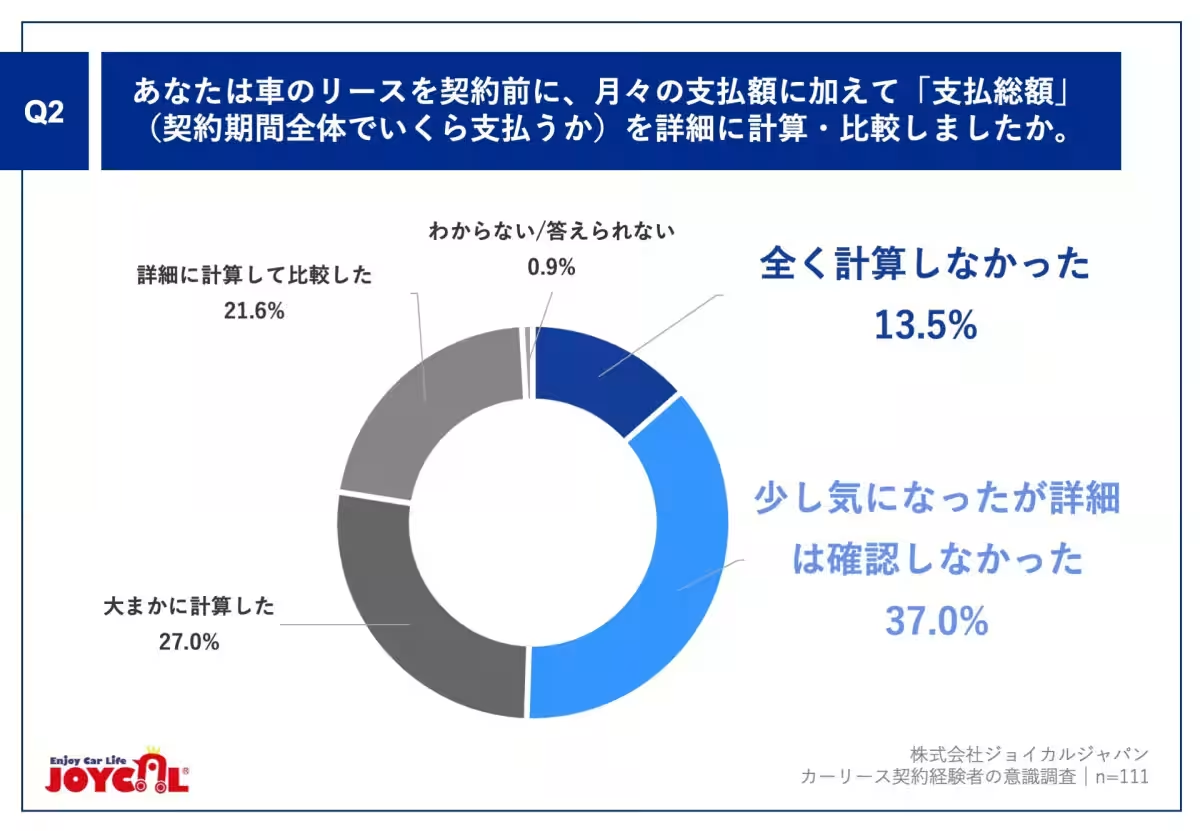
The rising burden of fuel and repair costs is connected to safety risks stemming from the reduced use of heating and cooling systems. While the popularity of monthly payments for leasing cars is on the rise, a lack of understanding regarding the total costs behind these monthly fees has surfaced. A study conducted by Joycal in July 2025 revealed that 50.5% of lessees either did not calculate or only marginally considered the total amount payable before signing their contracts.
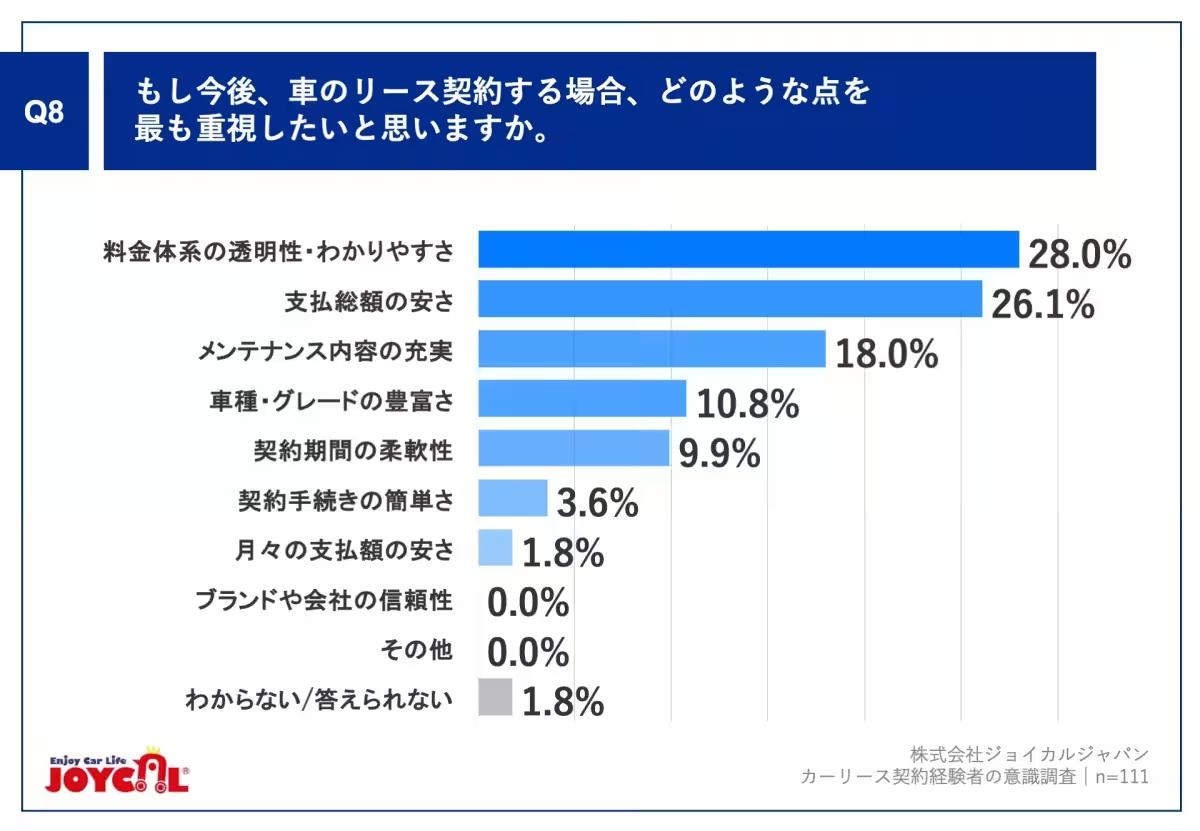
Survey respondents indicated a desire for greater transparency (27.9%) and lower total costs (26.1%) when choosing leasing options, underlining the need for better communication of total costs and breakdowns in the sales landscape.
Life Events Influencing the Shift from Ownership to Usage
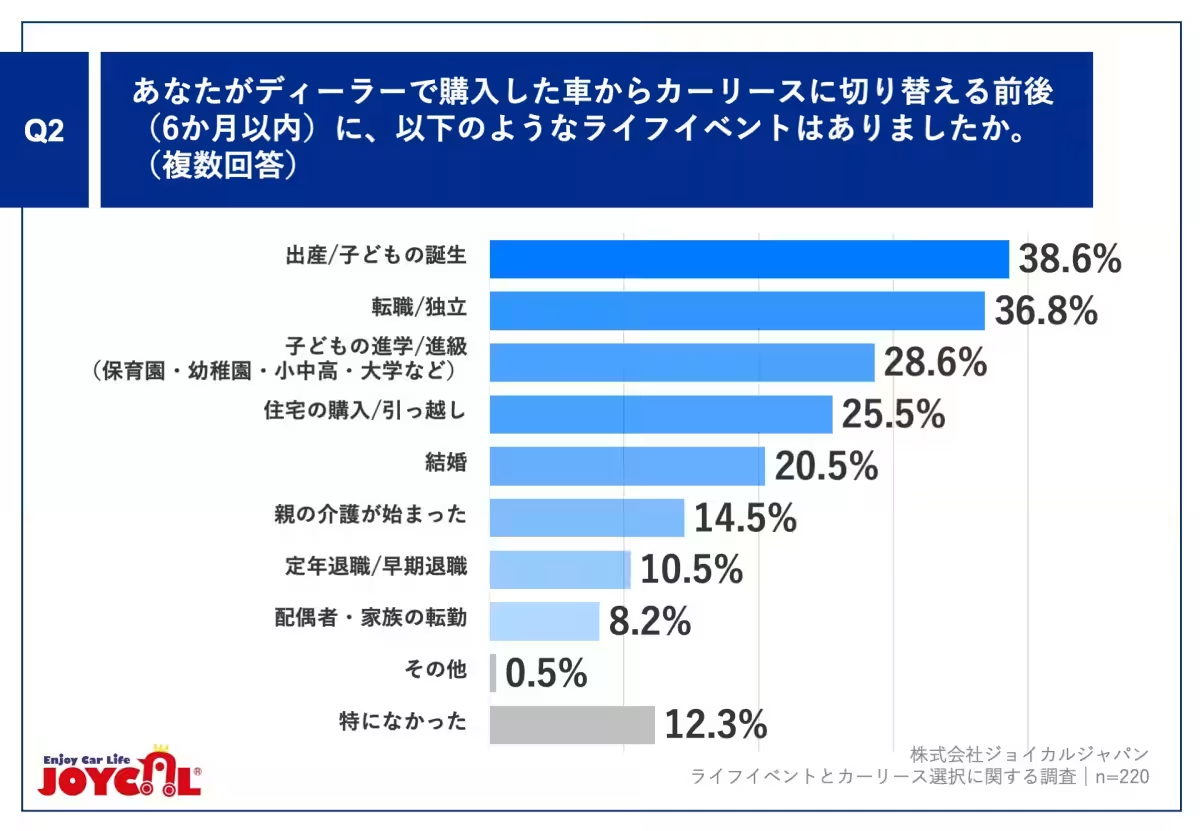
In July 2025, Joycal surveyed 220 individuals living in urban areas who switched from dealership purchases to car leasing. The significant driver behind the switch was life events, with 30.2% citing childbirth and child-rearing as pivotal factors. Other major events included children’s academic progression (17.6%) and career changes (17.1%).
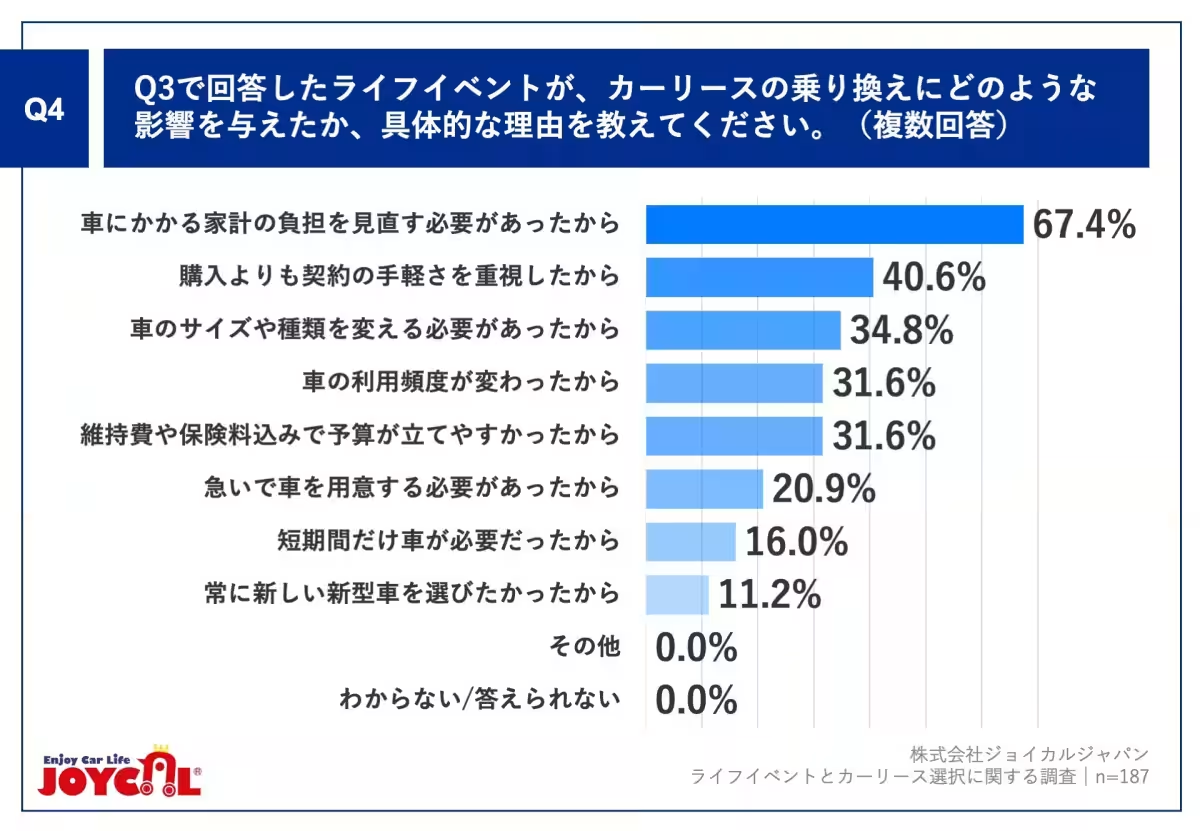
A significant 67.4% of respondents noted the necessity to reassess financial burdens, emphasizing a shift in consumer mindset towards flexible vehicle usage rather than perpetual ownership.
Outlook for 2026
Looking ahead to 2026, Joycal positions this year as one where perceptions of the burden associated with vehicles will transform. The company identifies three key aspects that businesses should consider.
1. Importance of "Visualizing Total Costs and Risks"
The Yano Economic Research Institute projects that the number of leased vehicles is expected to reach 1 million by March 2027. However, over half of recent lessees appear to have entered contracts without a clear understanding of total payments, indicating a pressing need for enhanced transparency in cost structures.
2. Adapting to Tax Changes
The Ministry of Economy, Trade and Industry has requested tax reform considerations for vehicles, including potential extensions of green tax exemptions and revising taxes based on environmental performance like CO₂ emissions. This suggests a possible shift in the underlying structure of classifying vehicle burden based on fuel efficiency and electric vehicle incentives.
3. Expanding Roles of Regional Mobility and Maintenance Facilities
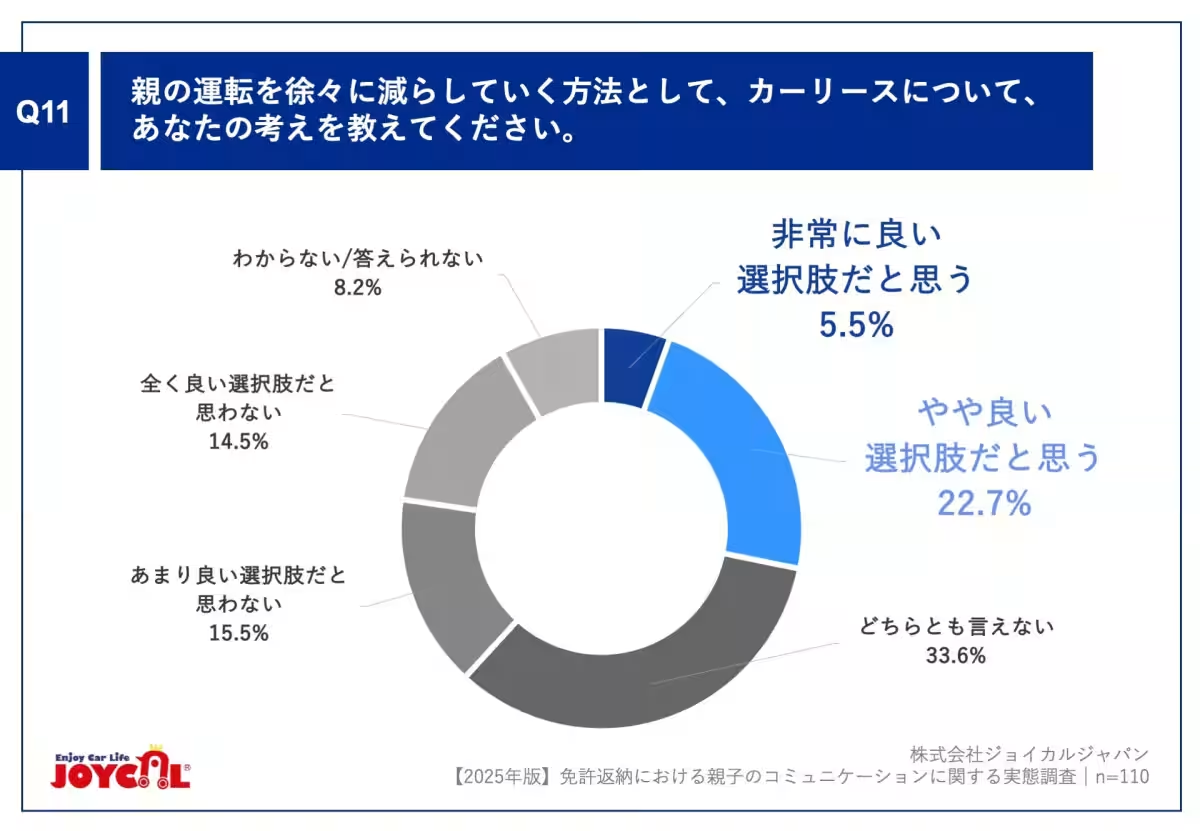
Joycal’s study revealed that about 30% of respondents see leasing as a viable option for reducing their parents’ driving as they age. The Ministry of Land, Infrastructure, Transport and Tourism initiated the "Regional Transport DX: MaaS 2.0" project in 2025, indicating that maintenance facilities and dealerships will increasingly transform into comprehensive mobility consultation centers that will offer bundled services like leasing and transport.
Conclusion
The automotive maintenance industry faces a structural challenge characterized by labor shortages, an aging workforce, and increasing exits among small businesses. Concurrently, rising fuel and operational costs have led consumers to explore leasing as an alternative to ownership, necessitating a flexible approach to vehicle utilization in line with life events and aging needs.
Joycal aims to contribute to a society where “everyone can freely choose their vehicle” by sharing insights derived from both public data and internal surveys while continuing its efforts alongside approximately 600 affiliated stores nationwide in 2026.

Topics Consumer Products & Retail)
【About Using Articles】
You can freely use the title and article content by linking to the page where the article is posted.
※ Images cannot be used.
【About Links】
Links are free to use.