



The Rise of Takai's Administration: Analyzing Japan's Political Shift
The April Issue of 'Seiron' Unfolds New Horizons in Japanese Politics
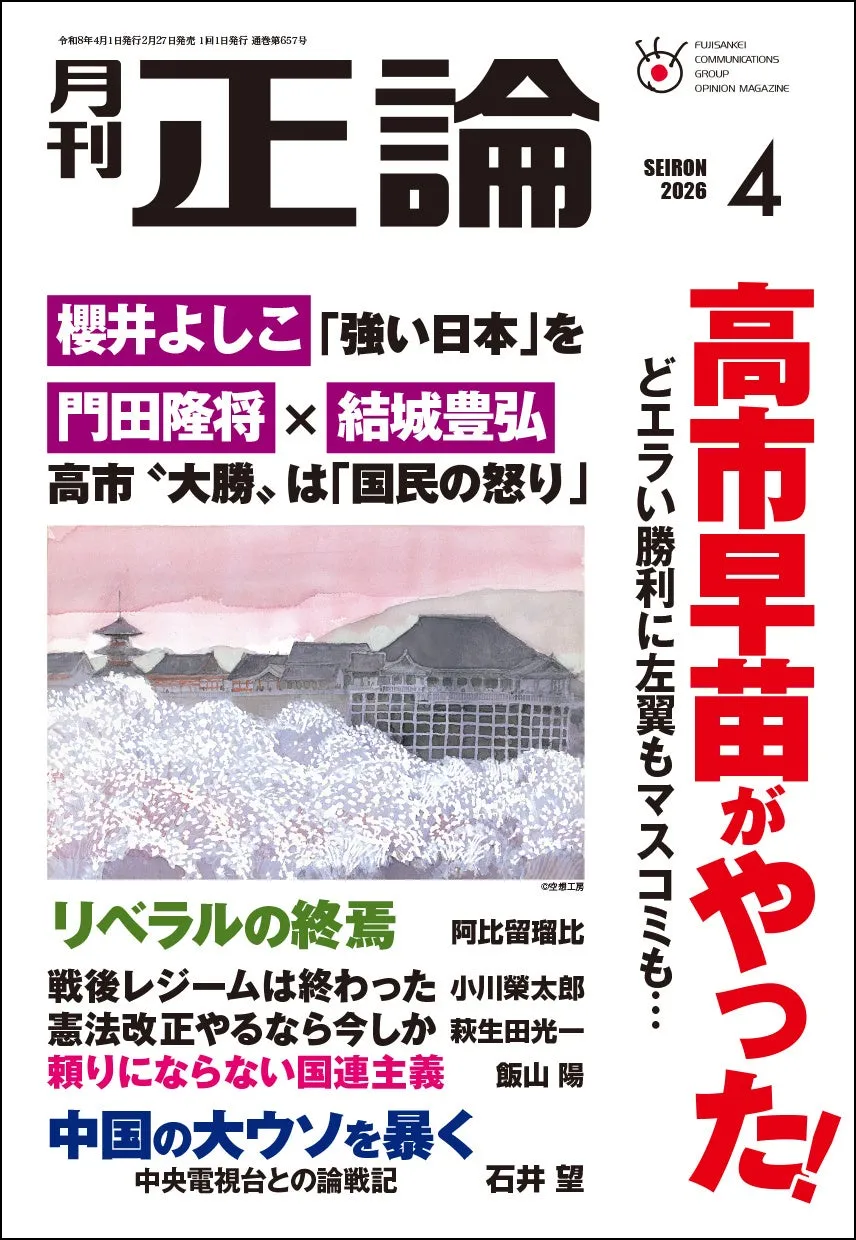
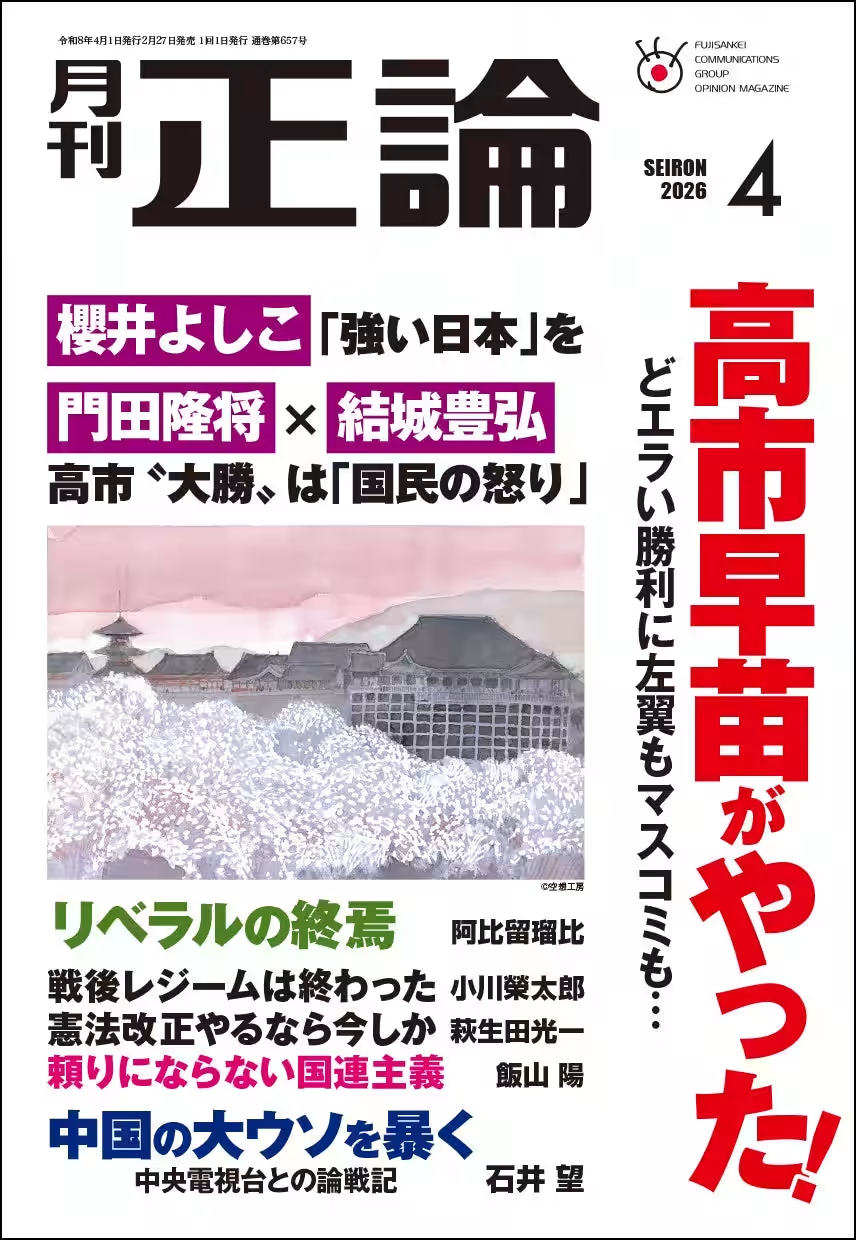
On February 27, the latest edition of the renowned Japanese forum magazine 'Seiron,' published by Sankei Shimbun, hit the shelves. This issue promises to be a crucial analysis point in the current political landscape, especially following Takai's significant win in the recent House of Representatives elections. The magazine features an array of insightful articles that dissect the implications of this political upheaval, alongside the emergence of new conservative politics in Japan.
One of the standout pieces is Yoshiko Sakurai's contribution, where she expresses her optimism for the Takai administration, which she deems has received 'unparalleled trust' from the electorate to build a 'strong Japan.' This notion captures the essence of the public's aspiration for a more robust national direction, which could lead to significant policy changes under Takai’s leadership.
In a collaborative analysis, journalists Takashi Kadota and Toyohiro Yuki articulate that Takai's victory stems from a palpable sense of 'national anger,' reflecting the electorate's mounting dissatisfaction with the status quo. Their detailed assessment underscores the public's desire for a fervent change in governance.
Amid ongoing global tensions and domestic transformations, Rumi Abiru and Jun Yonaha offer sharp critiques regarding the dismal performance of center-left and liberal factions during the elections. Their insights are crucial in understanding the shifting tides of political allegiance in Japan and the implications for future governance.
Furthermore, the section dedicated to foreign diplomacy and security presents a compelling proposition by Hiroshi Iiyama, who advocates for closer ties with Donald Trump. Iiyama emphasizes the significance of collaboration in addressing international issues, including North Korea's nuclear ambitions and the precarious situations in Ukraine and China. This discussion paints a vivid picture of Japan's strategic positioning in an evolving global landscape.
In addition, the issue honors Nobukatsu Kanemura, the recipient of the 41st Seiron Prize, featuring a commemorative essay where he delves into Japan's diplomatic ideals and aspirations. This highlights the publication's commitment to fostering rich discussions around Japan’s roles and responsibilities on the world stage.
The robust contributions from a talented lineup of writers, including Hiroshi Hamaguchi and Takahiro Taniguchi, offer critical perspectives on national security, constitutional reforms, and the broader implications of Takai's administration. In one poignant piece, Koichi Hagiuda argues that if a revision to the constitution is to be undertaken, it must be pursued without delay. This urgency reflects the overall sentiment within conservative circles that are eager to recalibrate Japan’s constitutional framework.
The magazine also contains thought-provoking discussions regarding nuclear armament in Japan, led by notable commentators like Tomohiko Taniguchi, who engage with the controversial pivot towards a nuclear policy amidst regional uncertainties. These debates are emblematic of a nation contemplating its future amidst changing global paradigms.
Released at a price point of ¥950 (including tax), 'Seiron' not only provides informative analyses but also serves as a barometer for gauging the shifting currents in Japanese public opinion. Readers interested in subscribing can secure a yearly subscription, available at a special rate through Fujisan Magazine Service, ensuring they stay abreast of these crucial discussions.
In conclusion, 'Seiron' continues to be a pivotal voice in the discourse surrounding Japanese politics, providing a platform for nuanced debate and reflective thought as Japan embarks on a defining chapter under the Takai administration. With its combination of rich commentary and insightful analysis, the April issue sets the stage for what could be a transformative period in Japan's political journey.
Topics Other)
【About Using Articles】
You can freely use the title and article content by linking to the page where the article is posted.
※ Images cannot be used.
【About Links】
Links are free to use.