



Exploring the Timeless Allure of Danish Furniture with ACTUS Since 1969
Exploring the Timeless Allure of Danish Furniture with ACTUS Since 1969
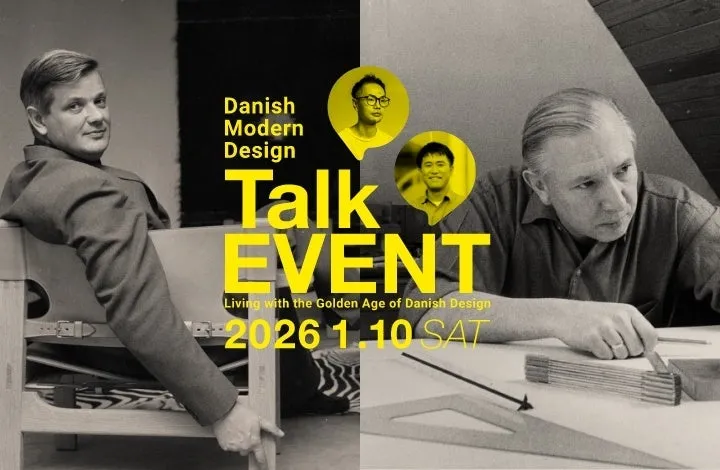
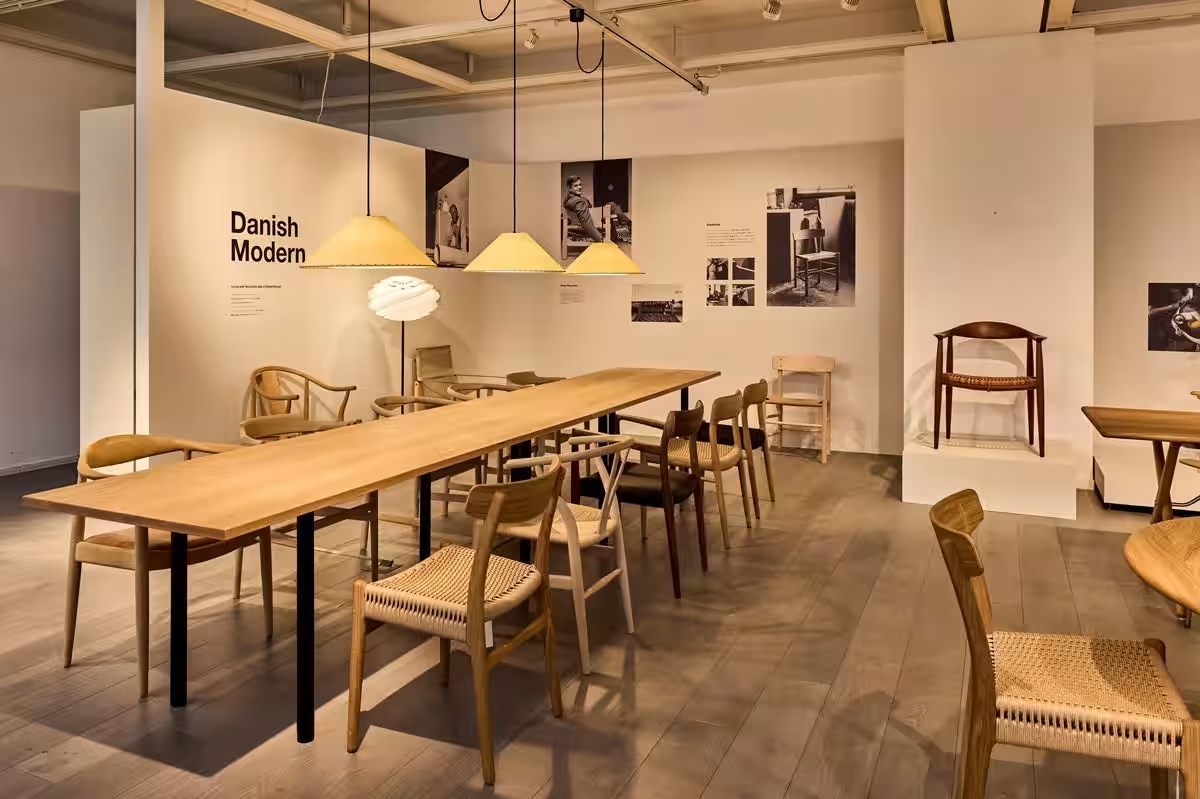
On January 10, 2026, ACTUS, an interior furnishings company founded in 1969, hosted a special talk event titled 'Danish Modern Design' at their Shinjuku store in Tokyo. This event focused on the charm and historical significance of Danish furniture, particularly the iconic Y Chair.
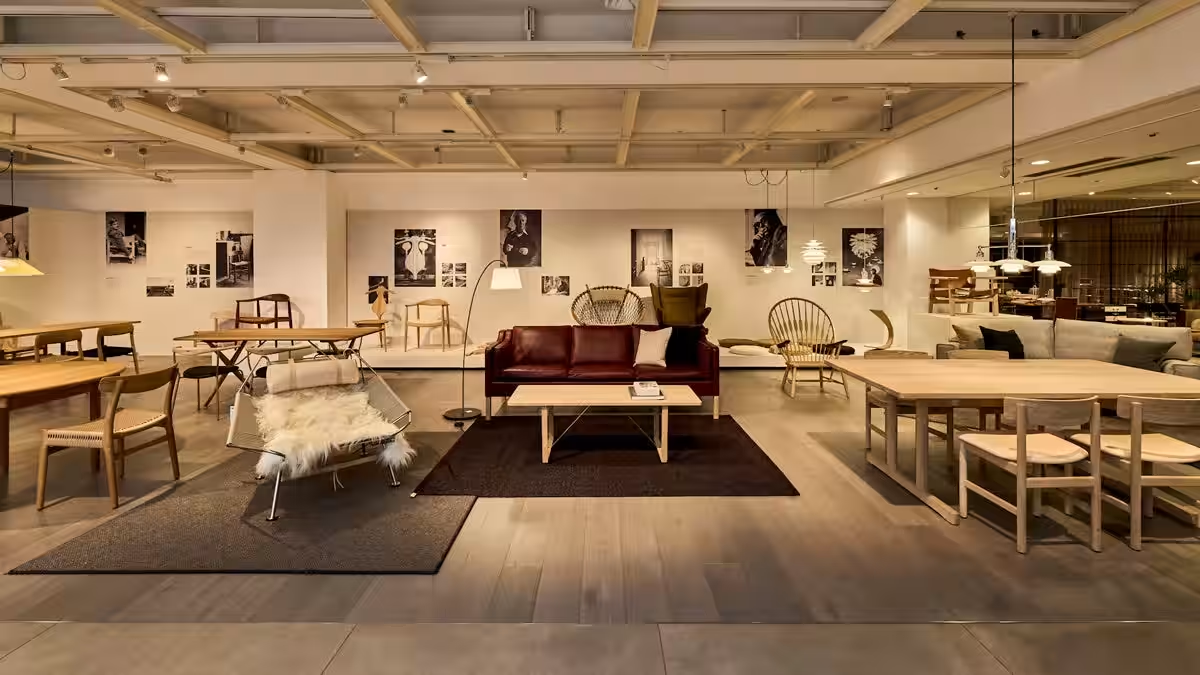
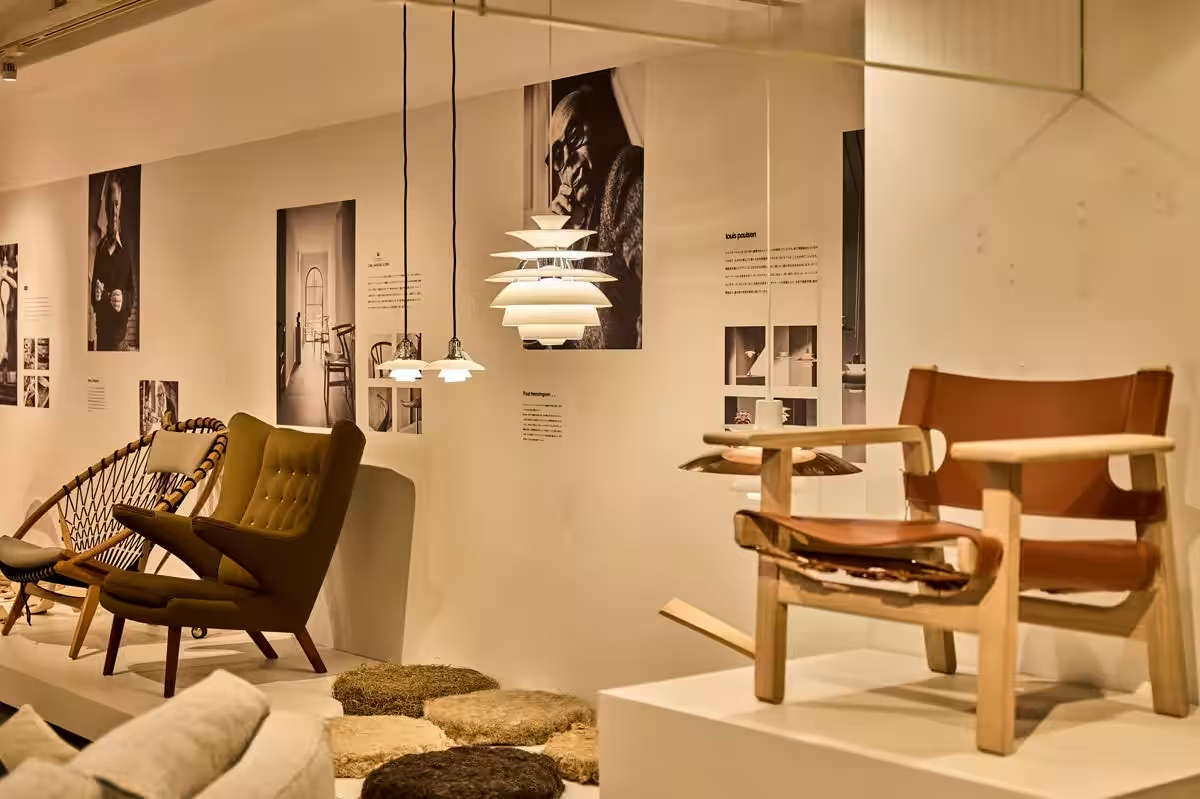
ACTUS has been instrumental in introducing Nordic furniture to Japan since its establishment. In October 2025, they revitalized their Shinjuku store to enhance their offerings of Scandinavian brands and create a space that better showcases the allure of Nordic design. The event was commemorating this renovation and featured Kei Gunji from Carl Hansen & Son, who provided insights into the stories behind classic furniture pieces and discussed why they remain beloved.
Event Overview
- - Event Name: Danish Modern Design
- - Date: January 10, 2026 (Saturday)
- - Venue: ACTUS Shinjuku Store, 2-19-1 Shinjuku, Shinjuku-ku, Tokyo
- - Speakers: Kei Gunji (Carl Hansen & Son) and Rei Noguchi (ACTUS furniture buyer)
Event Highlights (1): Behind the Scenes of Iconic Creations
The event was held in two sessions, with the first featuring a dialogue between Gunji and Noguchi, followed by Gunji presenting the history of modern Danish furniture and stories about notable designers.
Gunji began by sharing the historical context in which Denmark, despite being a resource-scarce nation, developed modern furniture design as a national policy. The history of modern furniture is rooted in the methodology of re-design pioneered by Kaare Klint, known as the 'father of modern Danish design', which involves studying past styles and adapting them for contemporary use.
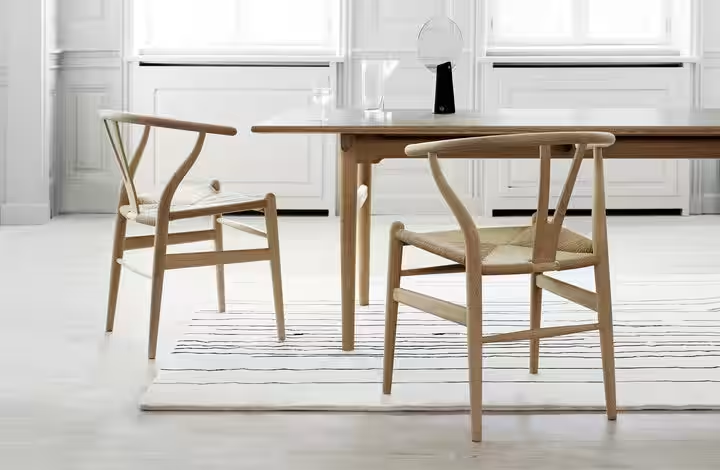
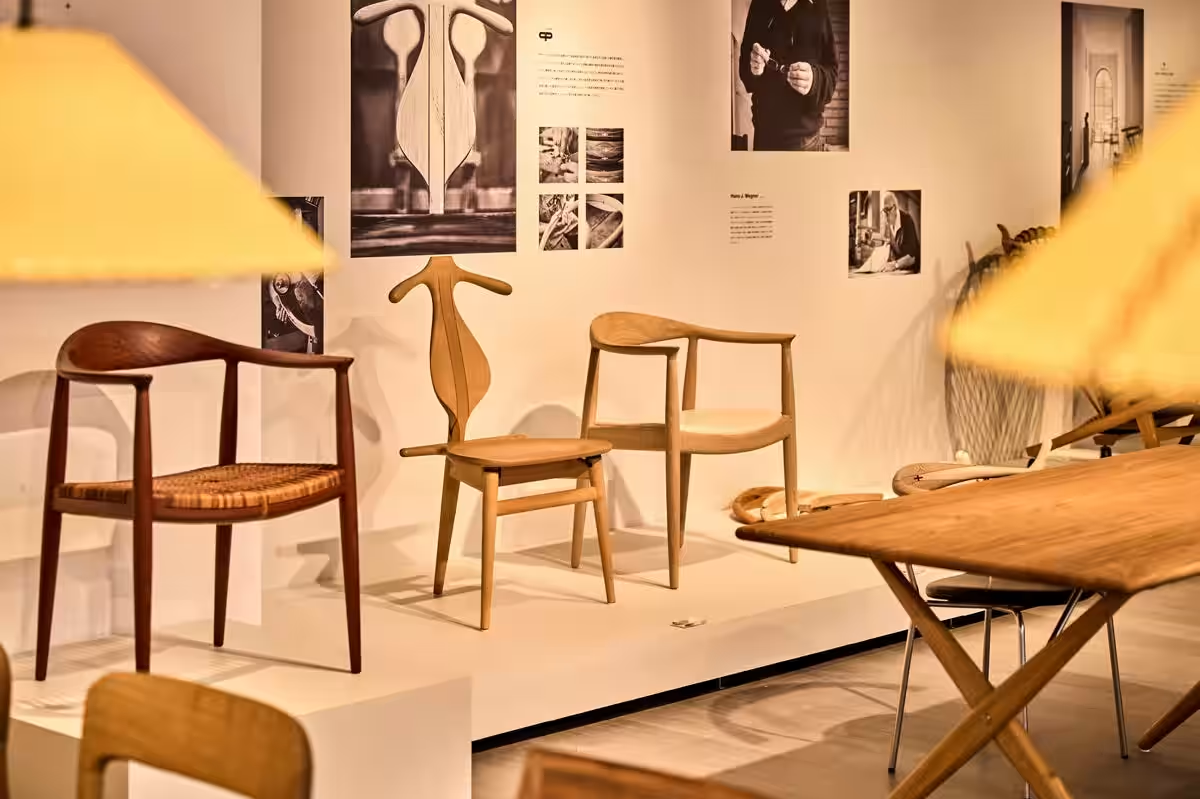
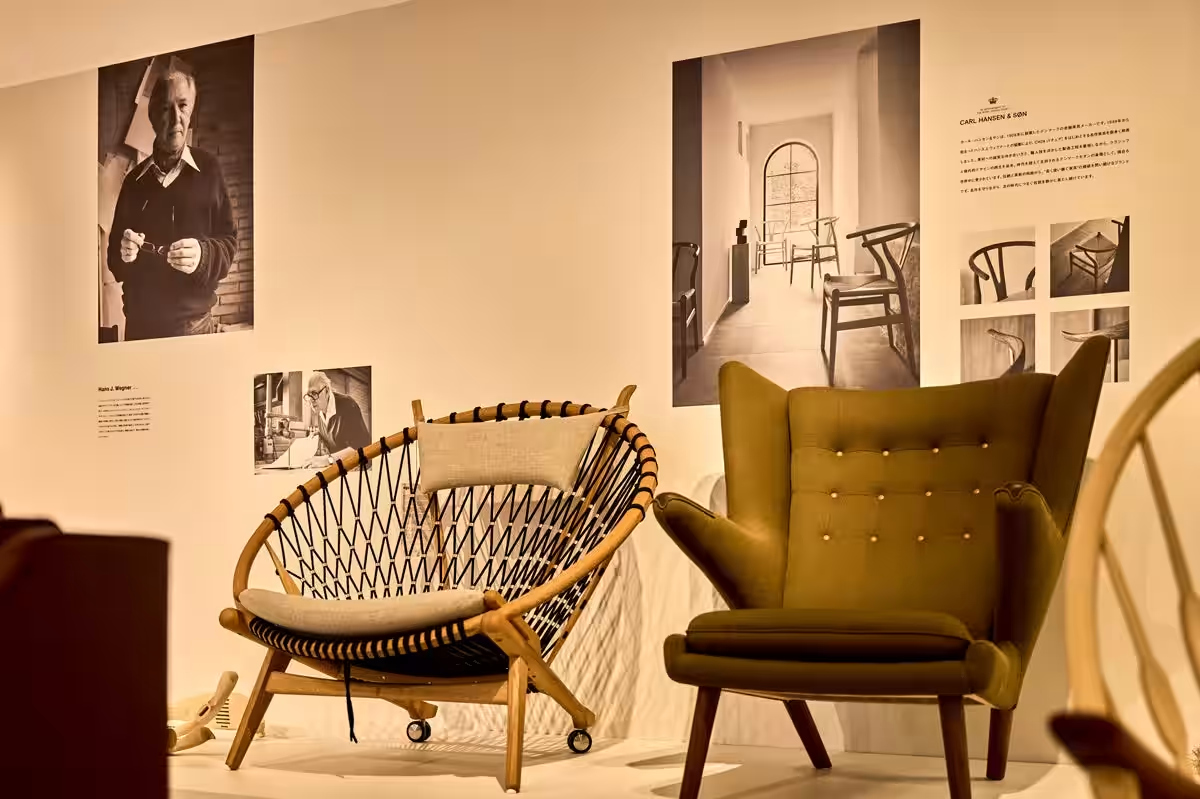
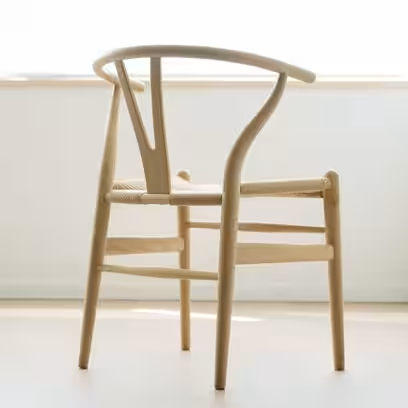
From there, Gunji introduced an intriguing theory beginning with Hans J. Wegner's China Chair, which he designed in the early 1940s, inspired by Ming dynasty furniture. This culminated in the creation of the Y Chair (CH24) in 1949 after approximately ten iterations. Gunji theorized that Wegner's decision to explore Chinese designs was influenced by an unspoken understanding with his friend and rival, Børge Mogensen.
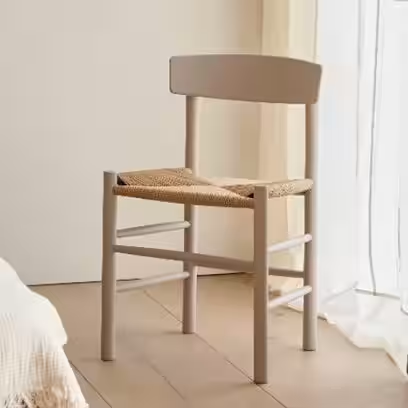
Mogensen, who was developing the J39 chair based on Shaker principles, was pursuing a democratic design ethos that produced durable, beautiful, and affordable furniture for the public. Wegner's choice to explore different roots allowed him to refine his own aesthetic in a unique way, leading to the creation of the Y Chair, which ultimately gained international acclaim. Gunji emphasized that the competition and mutual respect between the two designers solidified the standing of Danish furniture during its golden age.
Event Highlights (2): The Rare 'Japan Chair' Connection
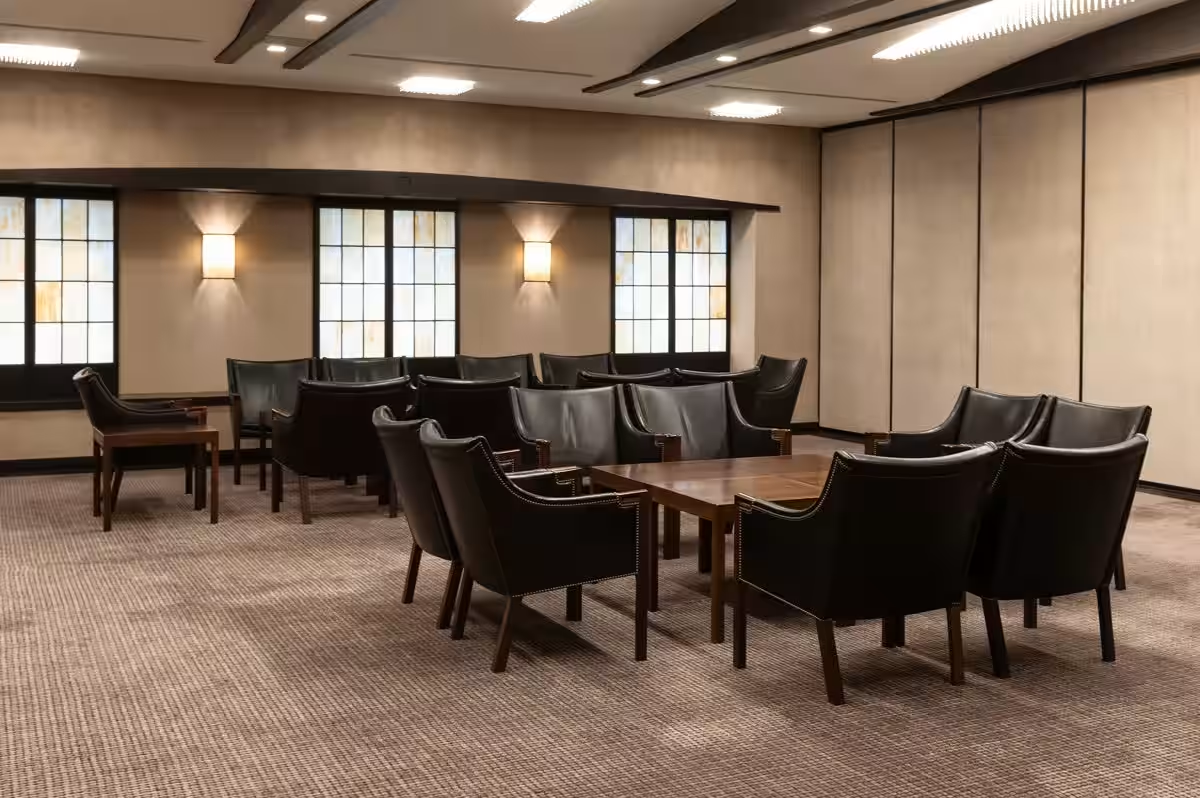
During the second session, Rei Noguchi discussed a unique collaboration between ACTUS and Wegner. When ACTUS began its contract business for hotel and public facility interiors, their first major project was the furnishing of the MOA Museum of Art, which opened in Atami, Shizuoka in 1982. Tasked with sourcing chairs befitting a prestigious museum, the team traveled to Denmark and passionately presented their vision to local furniture manufacturers, a moment that was widely covered in the local press.
Remarkably, Wegner himself noticed this coverage and reached out to ACTUS to express his desire to participate in the project. This led to the design and production of the 'Japan Chair' by Wegner, which was created specifically for the VIP room of the museum, with a total of 80 specially-made chairs that remain a rare treasure in Japan today.
Wegner's Journey to Success
Gunji highlighted Wegner's journey through a historical lens, noting that despite designing around 500 chairs throughout his life, he experienced financial difficulties until the age of 35. While Mogensen thrived by producing accessible furniture for the masses, Wegner focused on high-end designs.
In 1949, Wegner encountered Carl Hansen & Son, a company equipped with advanced machinery and searching for a designer who could leverage this technology. This serendipitous meeting resulted in Wegner designing six products, including the Y Chair, within just three weeks. This iconic chair remains in continuous production to this day.
Gunji explained that Wegner’s rapid design process was informed by nearly a decade of research and development linked to his earlier work on the China Chair. By optimizing his designs for industrial production, Wegner was able to achieve both functionality and beauty, setting the stage for the Y Chair’s timeless appeal, which celebrates its 77th anniversary in 2026.
The Enduring Legacy of the Y Chair
Gunji attributed the Y Chair's lasting popularity to its minimalist and functional aesthetics, which resonate with Japanese sensibilities. He noted that the chair's introduction to the public was significantly influenced by renowned architect Tadao Ando, who incorporated the chair into his groundbreaking concrete residential design in 1976, thereby elevating the reputation of Danish furniture in Japan.
ACTUS continues to host such events to share the rich cultural and historical background of furniture with their customers, fostering lasting relationships rather than mere transactions. Their commitment to delivering quality furniture and supporting sustainable practices underscores their belief that a fulfilling life is not just about consumption, but about cherishing products that embody craftsmanship and heritage.
ACTUS Official Links:
ACTUS strives to provide meaningful connections to furniture design, enriching lives with elegance and functionality that enjoys a timeless appeal.




Topics Consumer Products & Retail)





【About Using Articles】
You can freely use the title and article content by linking to the page where the article is posted.
※ Images cannot be used.
【About Links】
Links are free to use.