



Recent Survey Reveals Insights on Insurance Revision Trends in Japan
Insurance Revision Trends in Japan: Insights from a Recent Survey
Sona Mira, a financial technology firm, recently conducted a survey focusing on the crucial topic of insurance revisions across Japan. With a significant portion of household expenses allocated to insurance, re-evaluating these policies can lead to improved financial stability. The survey, conducted with over 2,000 participants aged between 20 and 70, provides valuable insights into the behaviors and attitudes towards insurance revisions.
Key Findings
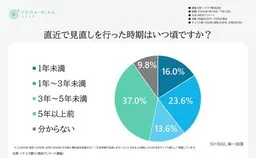
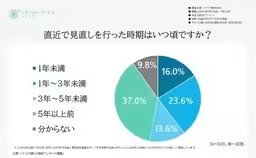
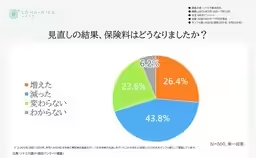
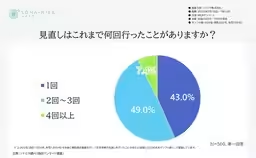
According to the results, approximately half of the respondents reported having revisited their insurance policies within the last five years. Notably, over 40% of these individuals successfully reduced their insurance premiums after the revision. This highlights a growing awareness among policyholders about the importance of regularly assessing their insurance needs.
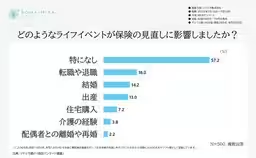
One of the primary triggers for policy revisions was life events such as job changes and marriage. In fact, 18% cited job transitions as a reason for reassessing their coverage. Interestingly, 57% of participants indicated that they made revisions without any specific life changes, suggesting a proactive approach to managing their financial commitments.
Why Revising Insurance Matters
Insurance can represent a substantial portion of household expenses, so optimizing coverage can alleviate financial burdens. Regularly revisiting insurance policies allows individuals to ensure their coverage matches their current needs, especially as life circumstances evolve. The study found that 41% of those who revised their insurance saw a decrease in premiums, mainly due to eliminating unnecessary coverages or excess riders. Conversely, about 26.4% found their premiums increased, likely due to enhancements in coverage or adding new policy elements to meet changing family dynamics.
Challenges in the Revision Process
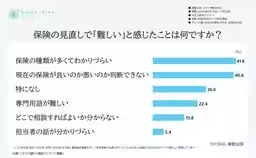
The survey also shed light on the barriers policyholders face when considering revisions. Notably, many respondents indicated that the complexity of insurance products and terminology made the process daunting. In fact, 41.6% felt overwhelmed by the variety of insurance options available, while 40.4% were uncertain if their current policies were adequate. This underscores the need for clearer communication and educational resources from insurers.
Information Sources for Revisions
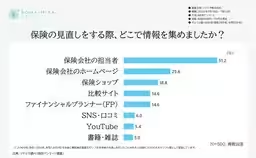
When it came to finding information for their revisions, over half of the respondents relied on their insurance company representatives, with 51.2% citing them as their primary source. Other common resources included company websites and insurance shops. This indicates that policyholders prefer direct interaction with knowledgeable agents for guidance.
Innovations in Insurance Services
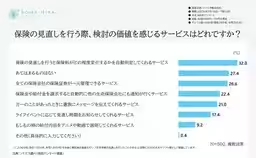
Interestingly, the survey highlighted a demand for innovative services. About 32% of participants expressed interest in a service that could automatically assess how a revision would impact their premiums. This kind of technology could simplify the process and empower policyholders to make informed decisions, showcasing the potential for advancing insurance services through digital tools.
Conclusion
The findings from Sona Mira’s survey reveal a growing trend among Japanese insurance policyholders towards revising their coverage and an increasing awareness of the financial implications of their choices. However, the complexity of insurance products remains a hurdle that needs to be addressed. As technology continues to evolve, there is an opportunity for the industry to provide more user-friendly solutions that facilitate the revision process and enhance customer experience. This insight can serve as a reference for those considering a review of their insurance policies in the near future.
Topics Other)
【About Using Articles】
You can freely use the title and article content by linking to the page where the article is posted.
※ Images cannot be used.
【About Links】
Links are free to use.