



The Impact of Excessive UV Protection on Women's Fertility and Vitamin D Levels
The Impact of Excessive UV Protection on Women's Fertility and Vitamin D Levels
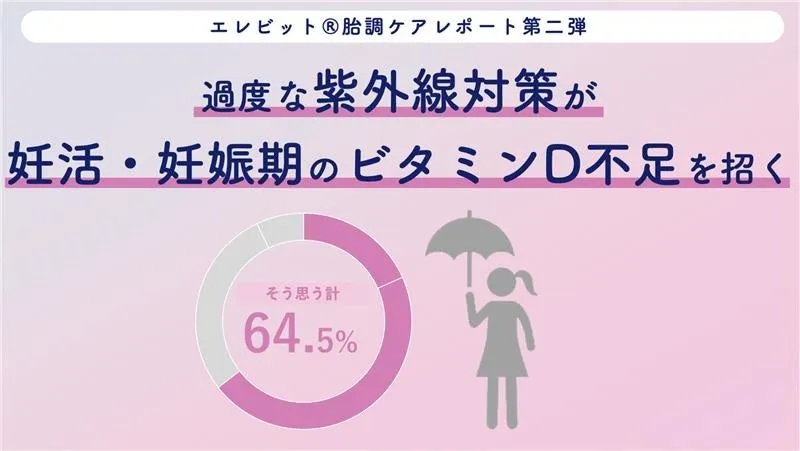
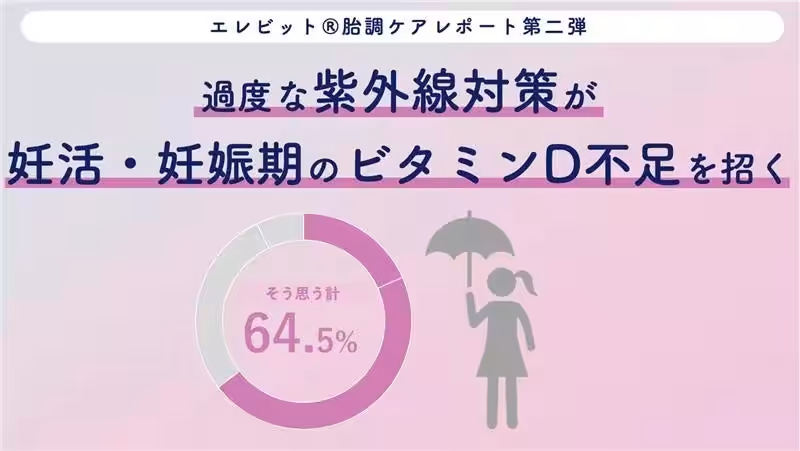
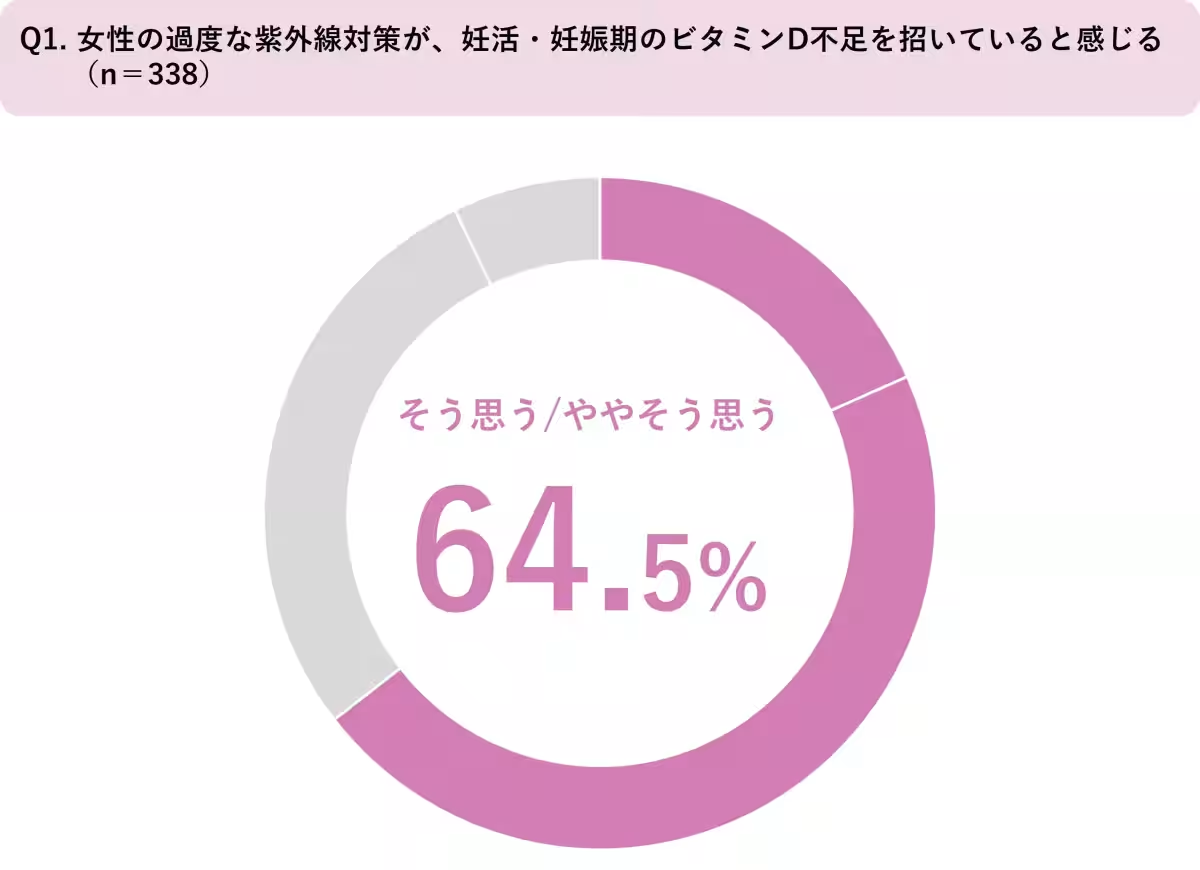
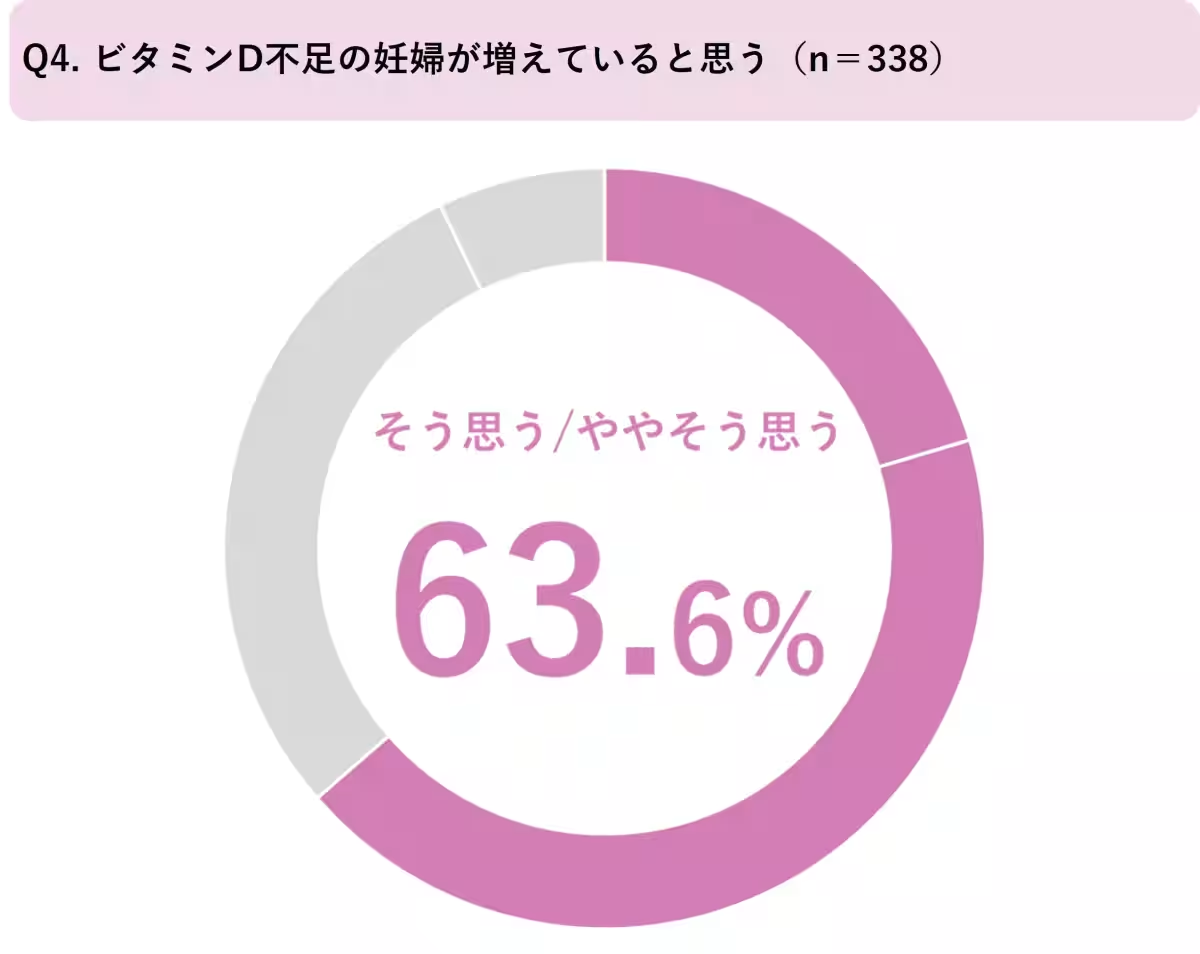
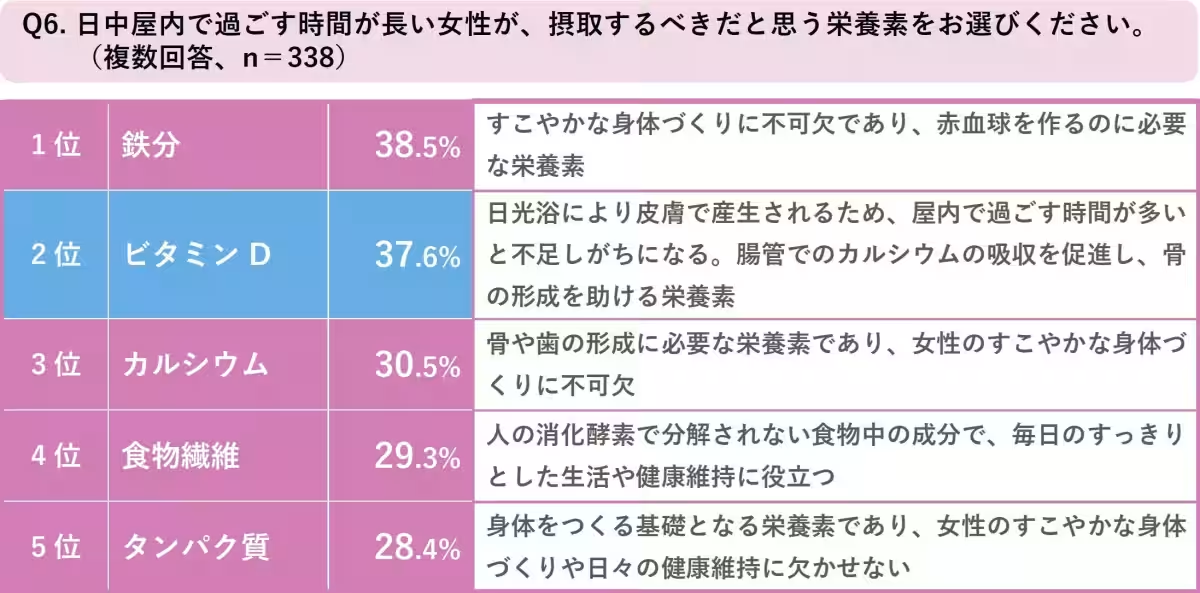
In a recent survey conducted by Bayer Pharmaceuticals, involving 338 gynecologists from around Japan, a concerning trend has emerged regarding women's health and fertility. The findings suggest that nearly 64.5% of gynecologists believe that excessive UV protection is contributing to a widespread deficiency of vitamin D among women trying to conceive or who are pregnant. This vital nutrient plays a crucial role in bone health and fetal development, yet it appears to be increasingly lacking in the diets of many expectant mothers.
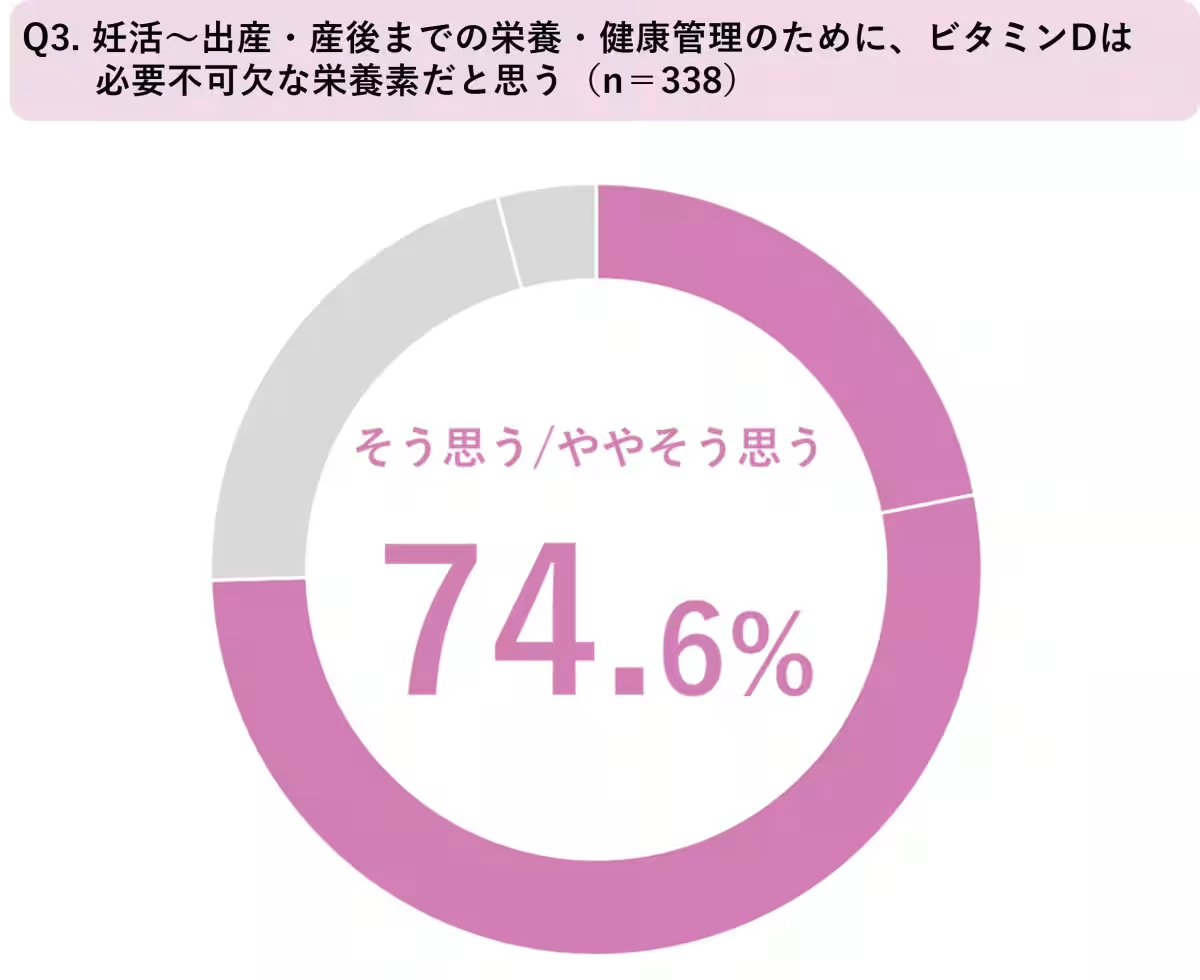
The Need for Vitamin D
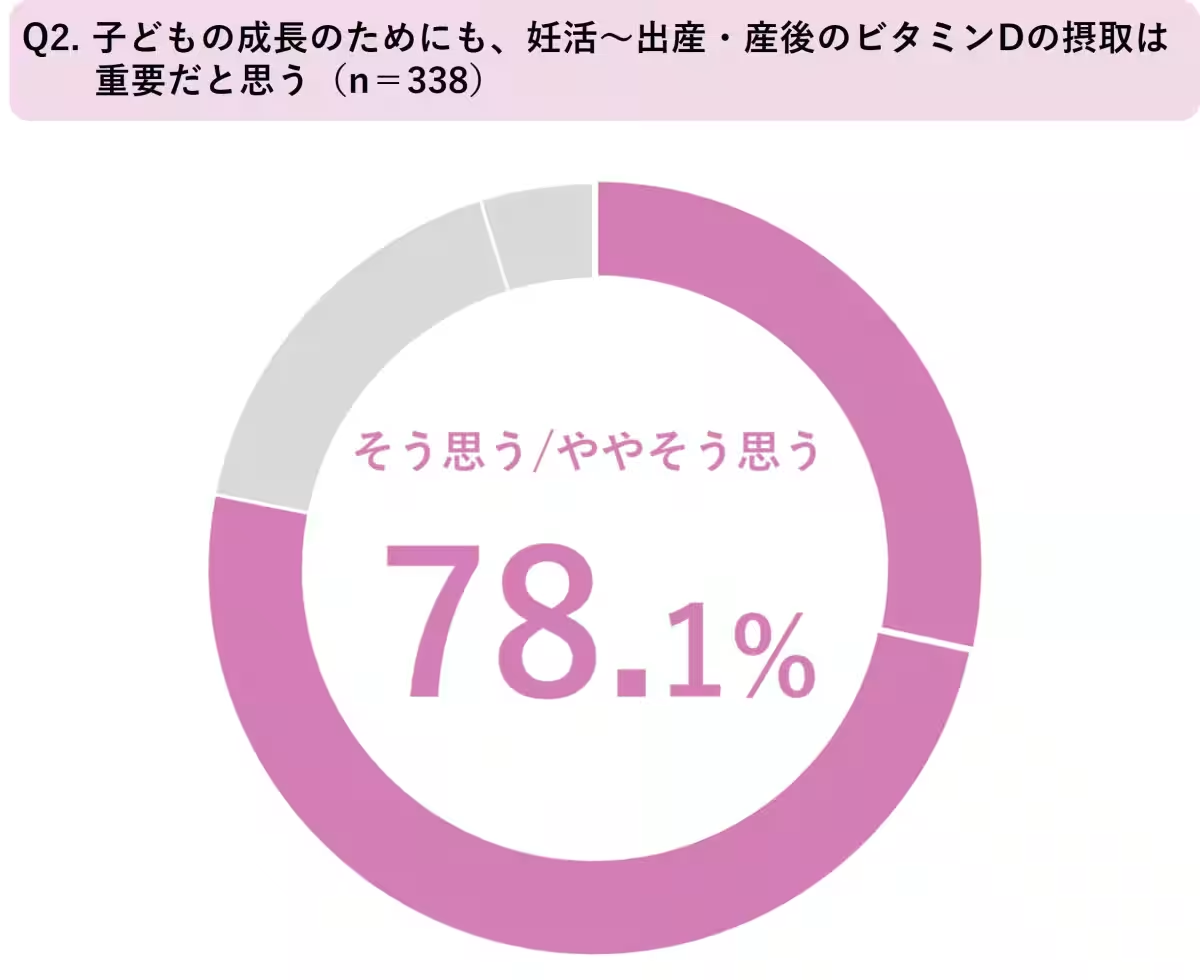
Vitamin D is essential for the absorption of calcium and phosphorus, aiding in the formation and growth of bones. While it is a critical nutrient for everyone, it takes on even greater significance for pregnant women, influencing the healthy development of the fetus, particularly in terms of bone and dental health. The survey organized by Bayer highlights the alarming recognition among healthcare professionals regarding the challenges many women face in obtaining adequate vitamin D through diet alone.
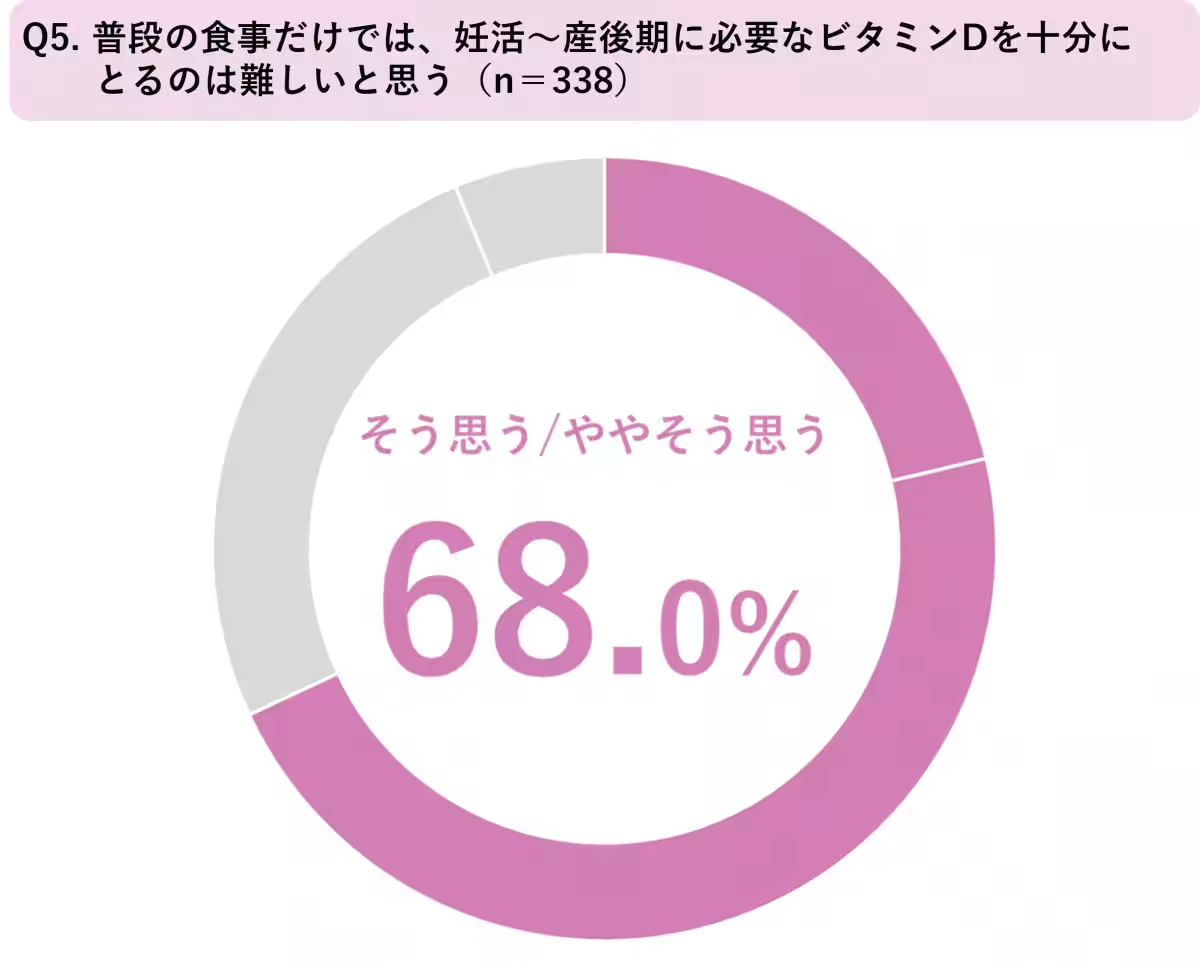
Of the gynecologists surveyed, 68.0% expressed concern that typical dietary practices are insufficient for women from preconception through postpartum. These results underscore the importance of not only dietary intake but also the need for awareness about vitamin D's role and effective means of supplementation.
Pressures of Modern Lifestyles
The report further suggests a direct link between modern lifestyle choices and vitamin D deficiencies. The increased focus on UV protection has led many women to avoid sun exposure altogether, consequently reducing their body’s natural vitamin D production. Gynecologists noted that despite the cultural shift toward sun safety, failure to achieve adequate sunlight exposure is detrimental, particularly in urban areas where lifestyle restricts outdoor activities.
Medical professionals observed a broader trend where patients living in regions with limited sunlight exposure, especially during winter, face higher risks of vitamin D deficiency. As more women choose to stay indoors or engage in rigorous UV protection, their chances of receiving adequate sunlight drop significantly.
Recommendations from Healthcare Professionals
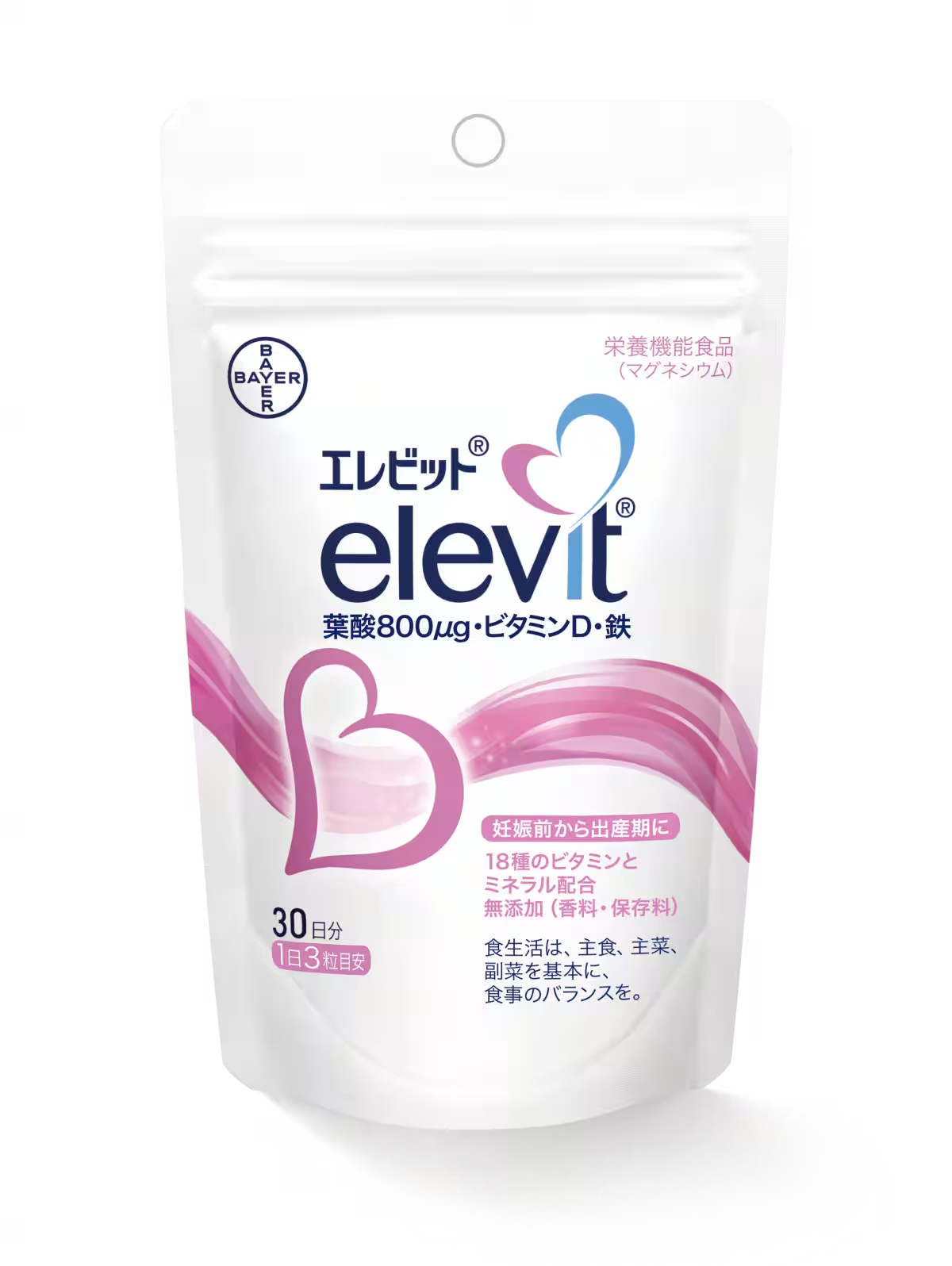
Healthcare experts advocate for balanced sun exposure along with dietary sources of vitamin D. Foods rich in vitamin D include fatty fish like salmon, fortified dairy products, and certain mushrooms. However, the consensus among medical professionals emphasizes that for those who cannot meet their requirements through diet alone, supplements are advisable. They stress that supplements like elevit® can provide the necessary nutrients, with a formulation tailored specifically for mothers and their babies.
Moreover, the study finds that many gynecologists recommend regular outdoor activities to augment natural vitamin D production. Suggestions range from spending 15 to 30 minutes daily outside to ensure exposure to sunlight, in order to promote sustainable health behaviors.
The Importance of Addressing Vitamin D Deficiency
The results of this survey highlight an urgent need for awareness and action regarding vitamin D intake among women in childbearing age. While the lack of vitamin D can have significant health implications, including potential effects on childbirth and postnatal recovery, there is hope. Education about proper vitamin D intake and its significance can lead to better health outcomes for both mothers and their children.
Through insightful guidance from professionals like Dr. Hiromi Yoshikata, who specializes in women's healthcare, the importance of tailored nutrition before, during, and after pregnancy is underscored. She emphasizes that vitamin D is not only vital for fetal development but also plays a crucial role in maintaining the long-term health of mothers.
Conclusion
As modern lifestyle shifts continue to pose new challenges, understanding the delicate balance required for optimal health in preconception, pregnancy, and postpartum is more crucial than ever. The connection between UV protection practices and vitamin D levels illustrates a growing concern that must be addressed, advocating for nutritional education and proactive health measures.
In light of the findings from Bayer's latest survey, it is encouraged that women incorporate effective sun exposure tactics and consider supplementation with reputable products like elevit®. Together, we can work towards a future where the health of mothers and their children flourishes through informed choices about vitamin D and overall wellness.

Topics Health)
【About Using Articles】
You can freely use the title and article content by linking to the page where the article is posted.
※ Images cannot be used.
【About Links】
Links are free to use.