



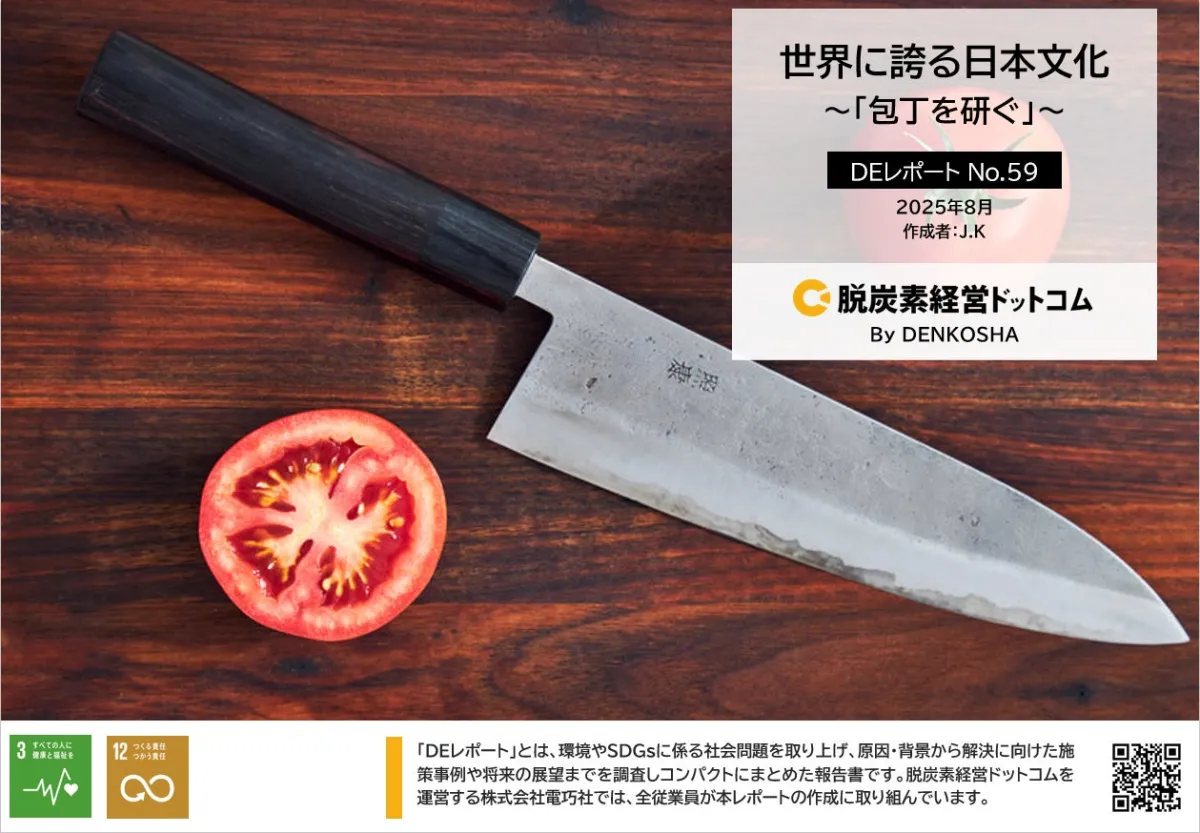
Are Knives Becoming Disposable? A Study on the Awareness of Knife Sharpening
Are Knives Becoming Disposable?
In a world that’s increasingly shifting towards sustainability, a recent survey conducted by Denko Co., which is a part of the RE100 initiative, highlights a troubling trend: knives are becoming perceived as disposable items rather than durable tools meant for long-term use. The survey, supervised by the company’s sustainability platform, Datsutanso Management Dot Com, aims to shed light on the actual state of knife maintenance and the shifting opinions surrounding this age-old concept.
Knife Maintenance: A Dying Tradition?
Traditionally, knives were cherished kitchen tools that were regularly sharpened on whetstones, allowing them to be used for many years, even decades. However, the modern tendency to simply toss a dull knife in favor of buying a new one represents a significant change in consumer behavior. With the convenience of quick-fix knife sharpeners available on the market, many users opt for a temporary solution instead of mastering the art of sharpening. This cultural shift has turned once-reuseable utensils into disposable commodities barely suitable for recycling.
The Disconnect Among Younger Generations
Interestingly, the survey revealed that very few people possess the skills or experience pertaining to knife sharpening, a reality particularly prevalent among the younger generation. However, there exists a palpable desire among youth to become proficient in knife maintenance skills. The gap between wanting to learn and the actual experience suggests that with the right educational initiatives, young people could be persuaded to embrace the art of sharpening.
Culinary Trends as a Catalyst for Change
As cooking classes gain popularity among all age groups, now is the perfect time to integrate knife sharpening lessons into culinary educational programs. As cooking becomes a favored activity, including knife maintenance training alongside essential cooking techniques can be an effective strategy to develop a responsible approach to the tools we use. By cultivating an appreciation for knife care, aspiring chefs can become conscious of sustainable practices conducive to a more environmentally-friendly culinary culture.
Rediscovering the Value of Knife Sharpening
With the push towards sustainability and the ongoing movement towards mindful consumerism, rediscovering and promoting the value of knife sharpening can form a crucial pillar in our approach to kitchen tools. Beyond addressing ecological concerns, this endeavor also carries the potential to bridge generational gaps whereby knowledge and values regarding tool maintenance are passed down through families. As we sharpen knives, perhaps we also sharpen our commitment to a sustainable lifestyle—making the old-new again, and thus ensuring these invaluable tools retain their rightful place in our kitchens.
For more insights, please check out the detailed report here.
Conclusion
In an era where sustainable practices are imperative, the humble knife should not be relegated to the status of a disposable item. The findings of this investigation highlight the pressing need for educational initiatives aimed at fostering skillful knife maintenance among younger generations. Moreover, this provides a unique opportunity to reconnect the culinary world with sustainability, perfectly synchronizing culinary skill-sets with eco-conscious behaviors.
About Denko Co.
Denko Co., based in Minato, Tokyo, has a long-standing commitment to supporting small businesses in their transition towards carbon-neutral operations. Founded in 1928, Denko Co. has been involved in various environmental initiatives, from solar and wind energy projects to promoting energy efficiency and renewable sources. This report is part of their broader efforts to contribute valuable insights towards a sustainable future.

Topics Consumer Products & Retail)

【About Using Articles】
You can freely use the title and article content by linking to the page where the article is posted.
※ Images cannot be used.
【About Links】
Links are free to use.