



Practical Drone Disaster Response Training in Remote Islands
Practical Drone Disaster Response Training on Ogijima Island
In December 2025, the Japan Drone Business Support Association, led by Hiroshi Morimoto, collaborated with Kinshuu Co., Ltd., managed by Hideyuki Arikuni, to conduct an innovative hands-on disaster response training on Ogijima Island, Kagawa Prefecture. Encompassing two full days, this training aimed to equip participants with essential skills in drone rescue operations while navigating the unique challenges posed by the remote island environment.
Training Overview
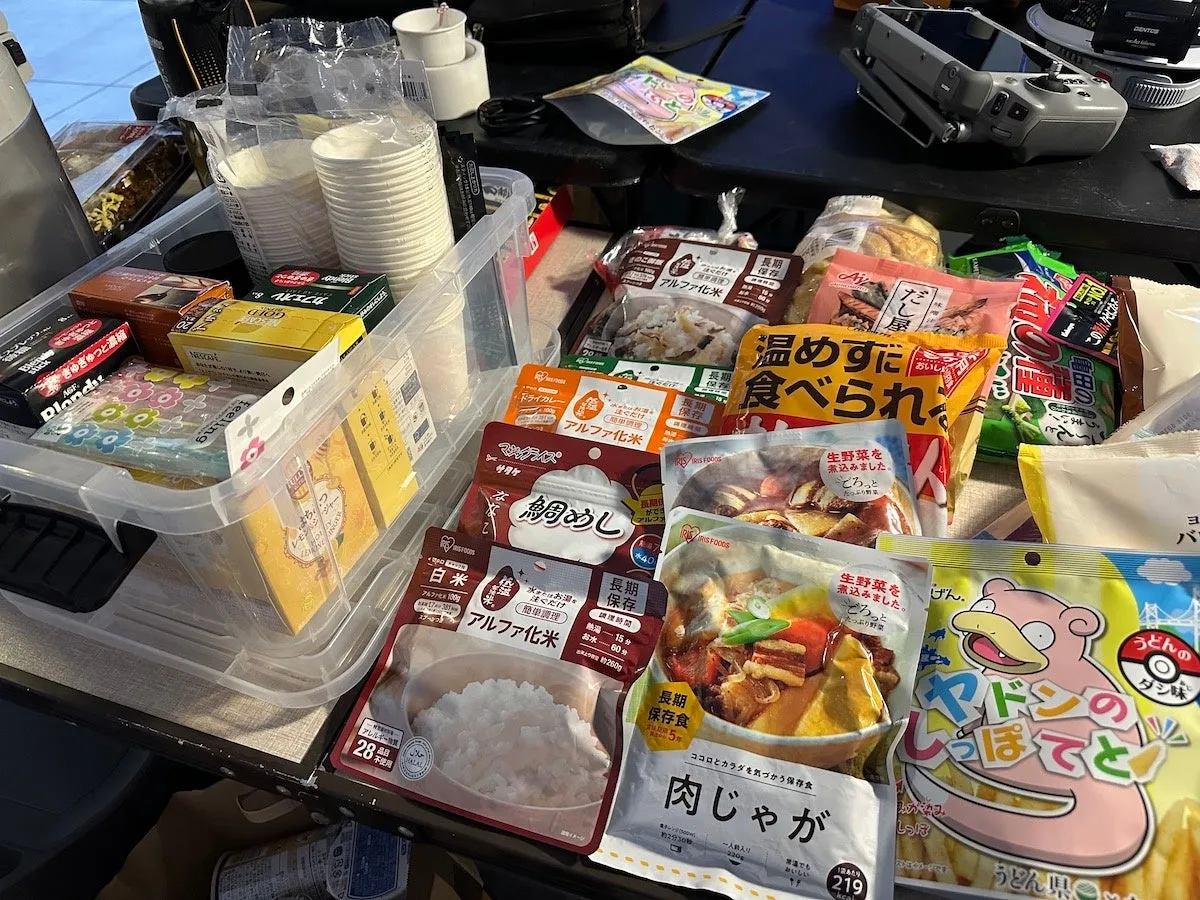
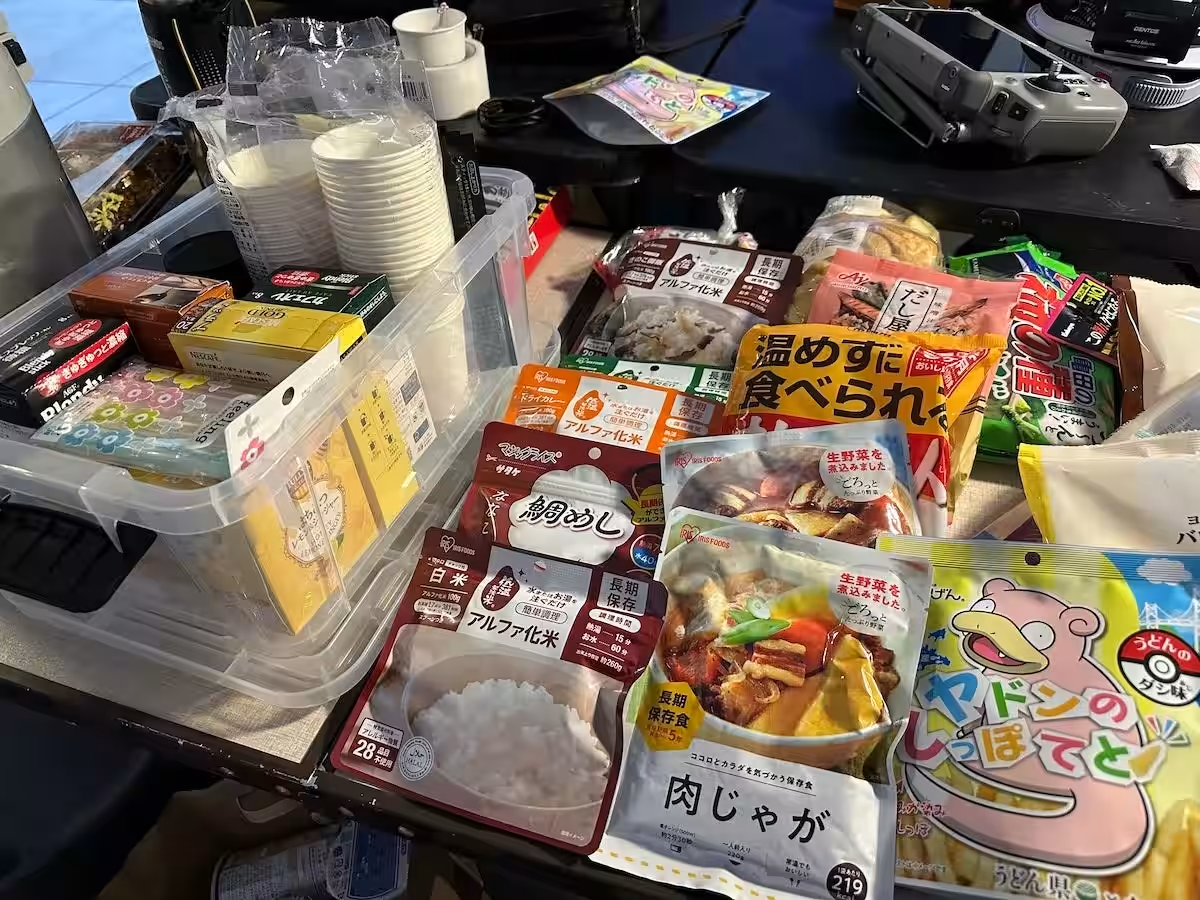
The training was scheduled from December 16 at 9 AM to December 17 at 3 PM, spanning approximately 30 hours. The event took place in a setup designed to replicate real-life disaster conditions. Key features included the prohibition of securing accommodation and local food or supplies, driving participants to fully rely on self-sustained operations.
Participants came from various sectors, including members from drmt in Hyogo Prefecture and the L.I.S. LLC in Tokyo. This mixed group created a rich learning environment, promoting a collaborative learning experience among drone professionals.
Purpose of the Training
The primary goal of this training was to address a critical issue often observed in disaster response scenarios: supporters arriving underprepared at disaster zones and consuming limited local resources. The training sought to eliminate this 'inverted priority,' where well-meaning support inadvertently burdens the area struck by disaster. Moreover, the training emphasized necessary drone operational skills, focusing on effective disaster response techniques, especially for the rescue of individuals in distress.
Training Constraints
To ensure participants could better understand the challenges faced in disaster zones, the training imposed specific limitations:
- - No Accommodation: Participants camped, mimicking real disaster conditions.
- - No Local Supplies: All essentials had to be brought or generated by participants.
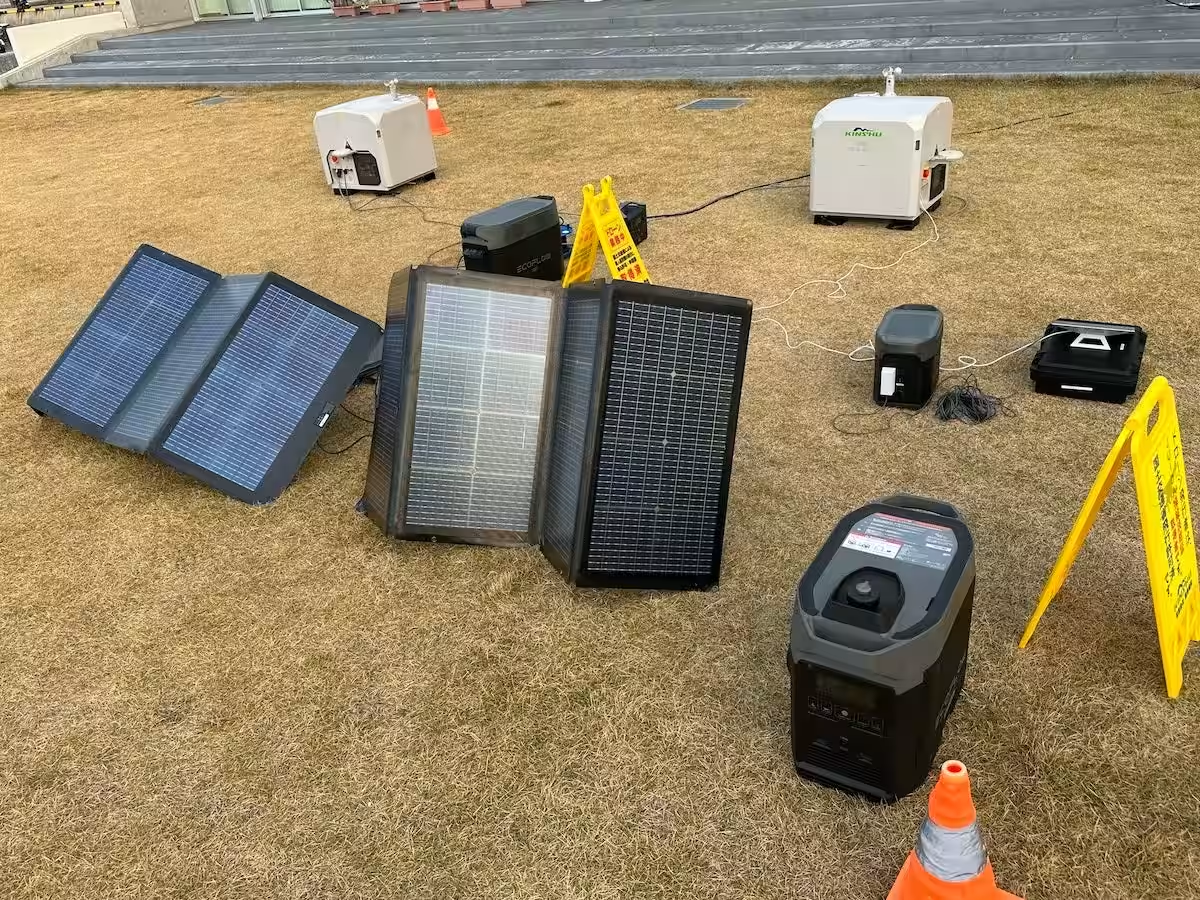
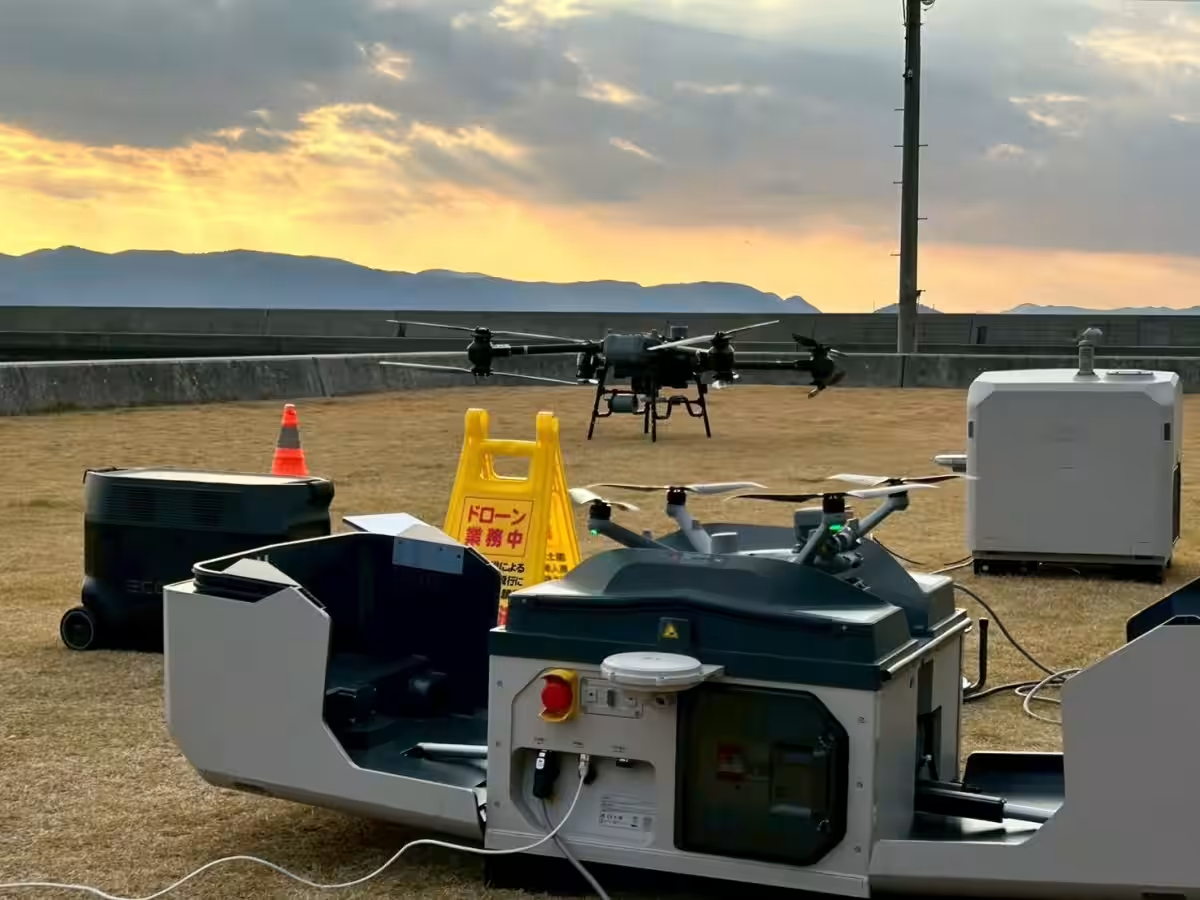
- - Self-Sufficient Energy and Communication: Power and communication lines had to be established through personal means, using generators, solar panels, and Starlink for satellite communication.
These constraints ensured each participant recognized the importance of self-reliance in disaster situations, ultimately leading to better preparedness.
Hands-on Entities and Activities
Drone Rescue Operation Training
Significant emphasis was placed on the critical task of locating individuals needing rescue during disasters:
1. Technical Training for UAV Operations:
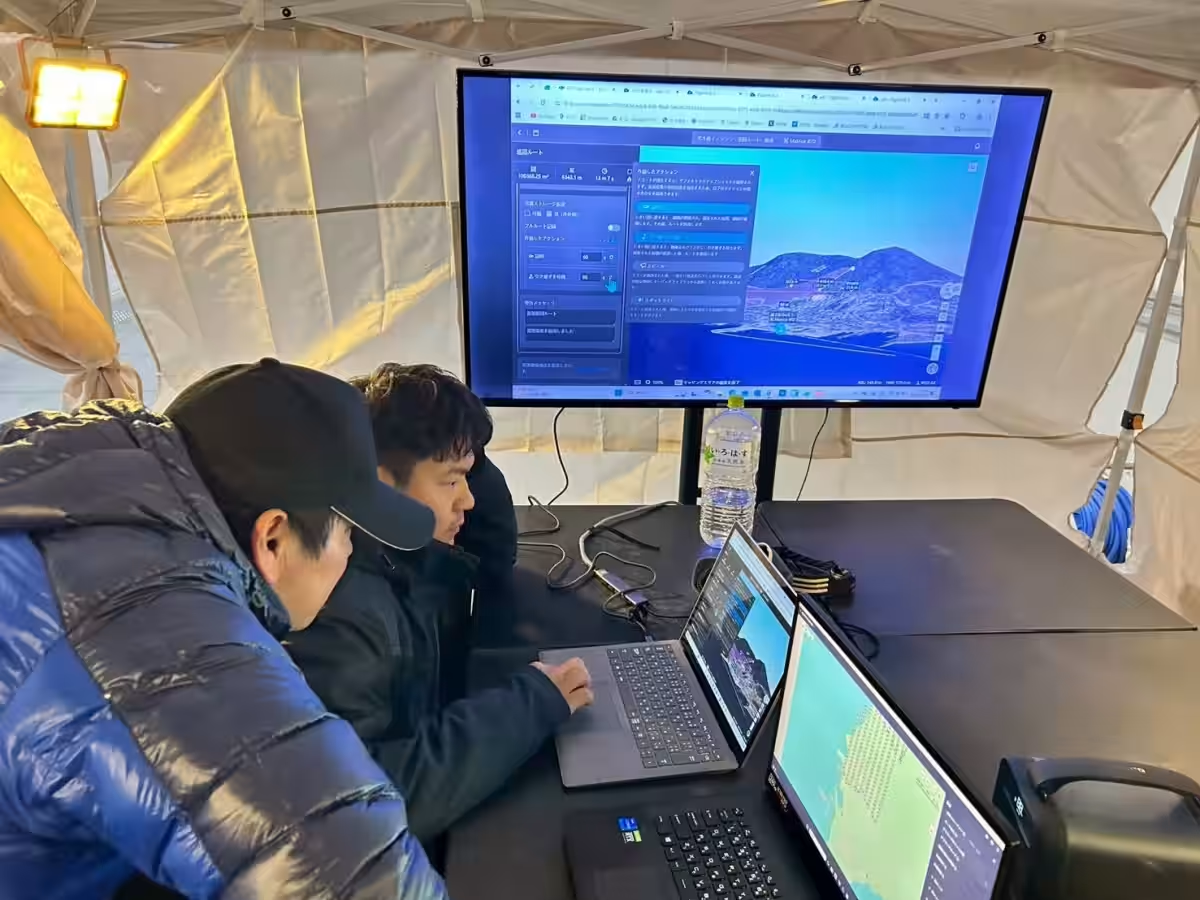
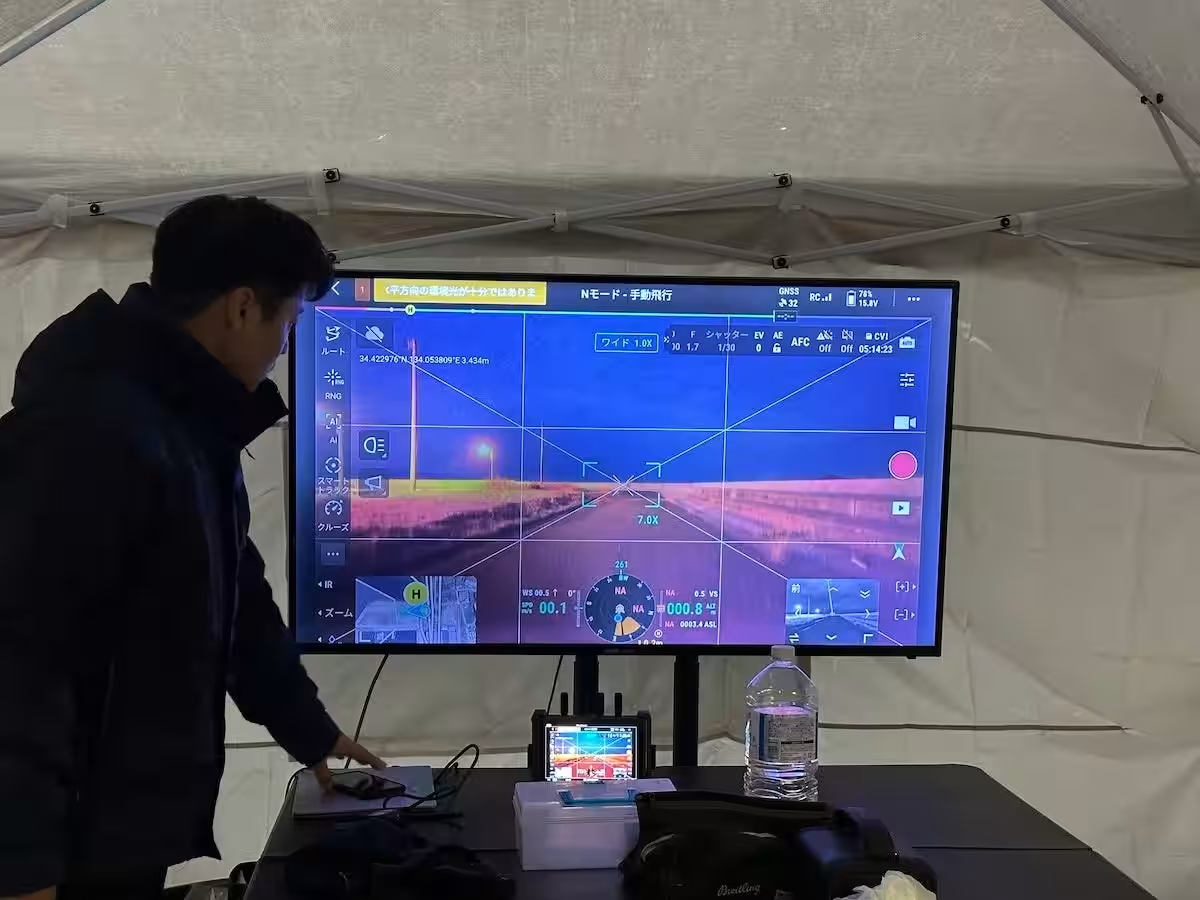
- Participants learned optimal flight levels and speeds for search missions, utilizing large screens for real-time monitoring.
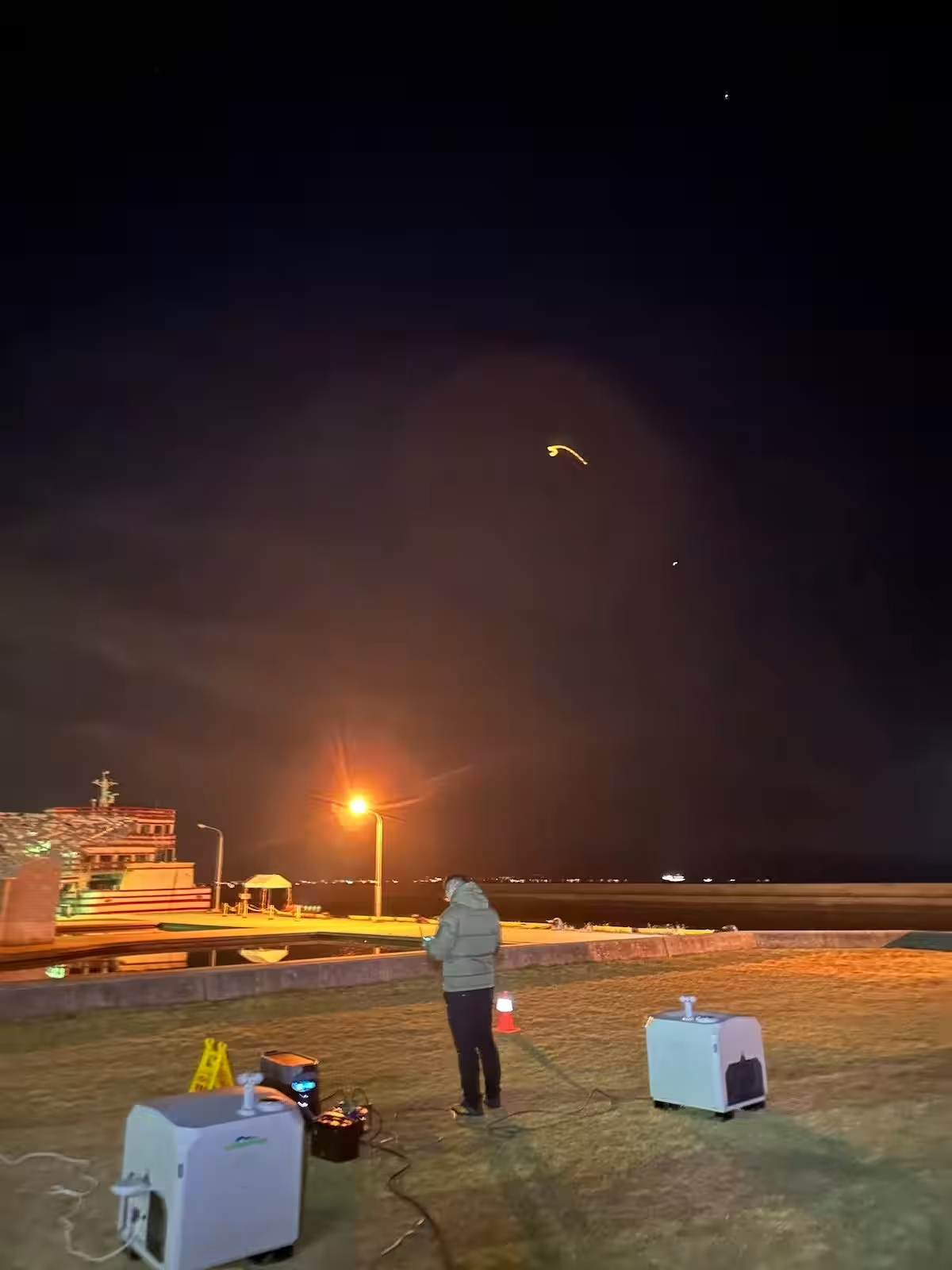
- Hands-on experience in both daytime and nighttime searching techniques was crucial for a well-rounded skillset.
2. Understanding Victim Behavior:
- Training addressed how victims typically behave during disasters and the sort of environments they tend to remain in, thereby informing search priorities and strategies.
Foundational Skills for Disaster Operations
Beyond drone piloting, fundamental skills crucial for real-world disaster response were also honed:
1. Executing Self-Sufficient Activities:
- Crafting food plans based on anticipated activity durations and ensuring warmth during extended outdoor stays.
- Establishing reliable power sources, including generators and solar panels, and creating redundancy in communication methods to maintain constant contact.
2. Basic Field Operations:
- Participants practiced vital communication protocols and the importance of regular status updates, reinforcing teamwork and information sharing.
Training Outcomes
At the end of the rigorous 30-hour training, even seasoned drone operators reported critical insights:
- - Recognition of equipment preparation shortcomings.
- - Understanding the complexities of search operations, emphasizing structured flight planning.
- - Appreciation of nighttime flying challenges and the distinct operational skills required.
- - A clear sense of the importance of self-sufficiency and minimizing impact on local resources.
Future Plans and Broader Implementation
The training not only aimed to enhance technical skills but to spark a significant shift in mindset among disaster responders. By preventing the misallocation of local resources while ensuring safety and efficiency, this initiative is set to influence future training methodologies.
In 2026, plans are already in motion to replicate this successful training across various locations nationwide, further engaging local governments, disaster response organizations, and drone operators to build a robust network of preparedness.
Inquiring about Future Training
Organizations, companies, and pilot groups are encouraged to reach out to the Japan Drone Business Support Association for opportunities to engage in similar training, echoing the proven strategies deployed on Ogijima Island for more effective disaster management in the future.
About the Japan Drone Business Support Association
The association boasts a comprehensive franchise network across all 43 prefectures of Japan, focusing on establishing drone pilot education, disaster response training, and consulting services that promote social implementation of drones.
About Kinshuu Co., Ltd.
Since its establishment, Kinshuu has been dedicated to developing drone professionals across various sectors, including rescue operations and construction support, ensuring that the viability of drone technologies continually evolves alongside the industry's needs.
Topics Other)
【About Using Articles】
You can freely use the title and article content by linking to the page where the article is posted.
※ Images cannot be used.
【About Links】
Links are free to use.