


Exploring the Gap Between Feelings and Actions on Mother's Day
Exploring the Gap Between Feelings and Actions on Mother's Day
Mother's Day is a special occasion, a time to express gratitude and appreciation for mothers across the country. However, a recent survey conducted by For-It Inc., which operates the affiliate platform afb, highlights a notable discrepancy between feelings of gratitude and the actions people take to express it. Targeting a diverse demographic of individuals aged 10 to 59, the survey raised pertinent questions about how gratitude is conveyed on this occasion, revealing generational differences and varied expectations from mothers.
Survey Background
Historically, Mother's Day was celebrated with direct expressions of gratitude through personal visits, phone calls, or letters. However, the digital age has introduced new means such as emails, messaging apps like LINE, and social media platforms. As a result, the survey aimed to explore which methods are preferred by both givers and recipients.
The Givers' Perspective
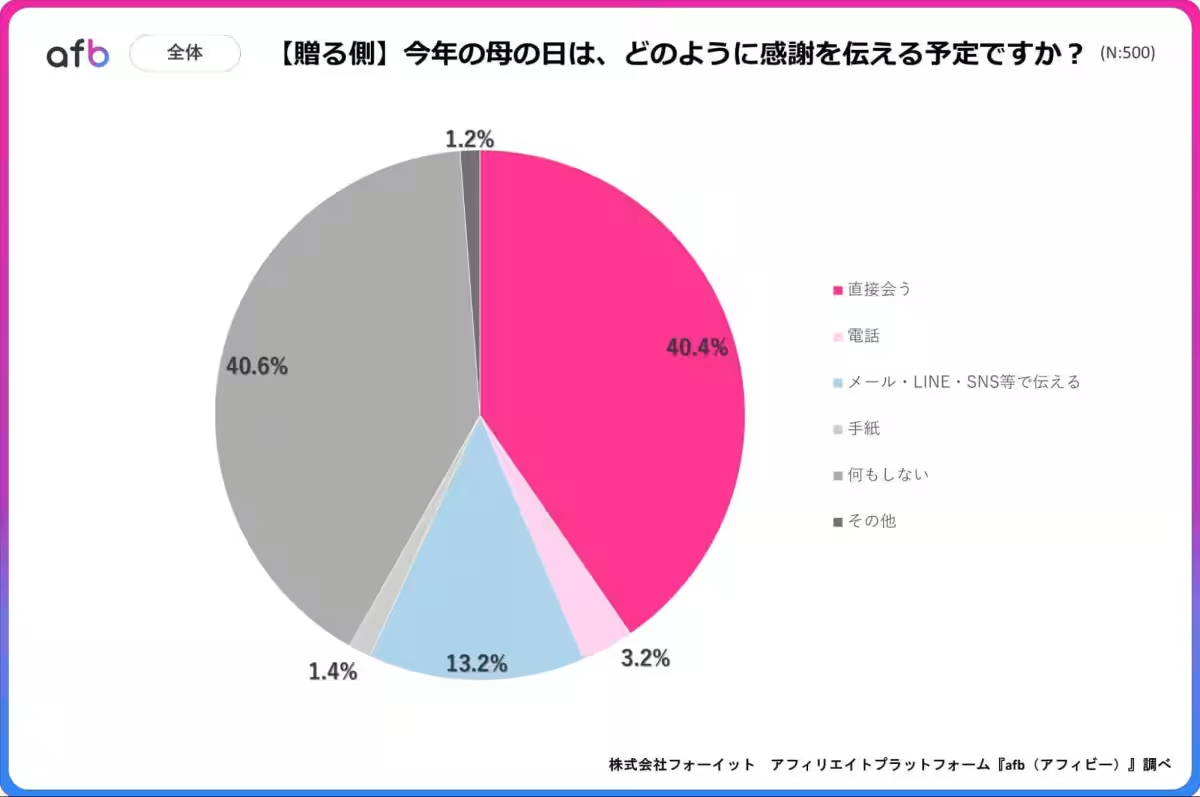
The survey targeted 500 respondents across Japan, assessing how they planned to express their gratitude this year. The results showed that 40.4% preferred to meet their mothers in person, establishing it as the most popular choice. The second option was digital communication, with 13.2% choosing emails or social media platforms, followed by phone calls at 3.2%. Alarmingly, 40.6% reported having no plans at all.
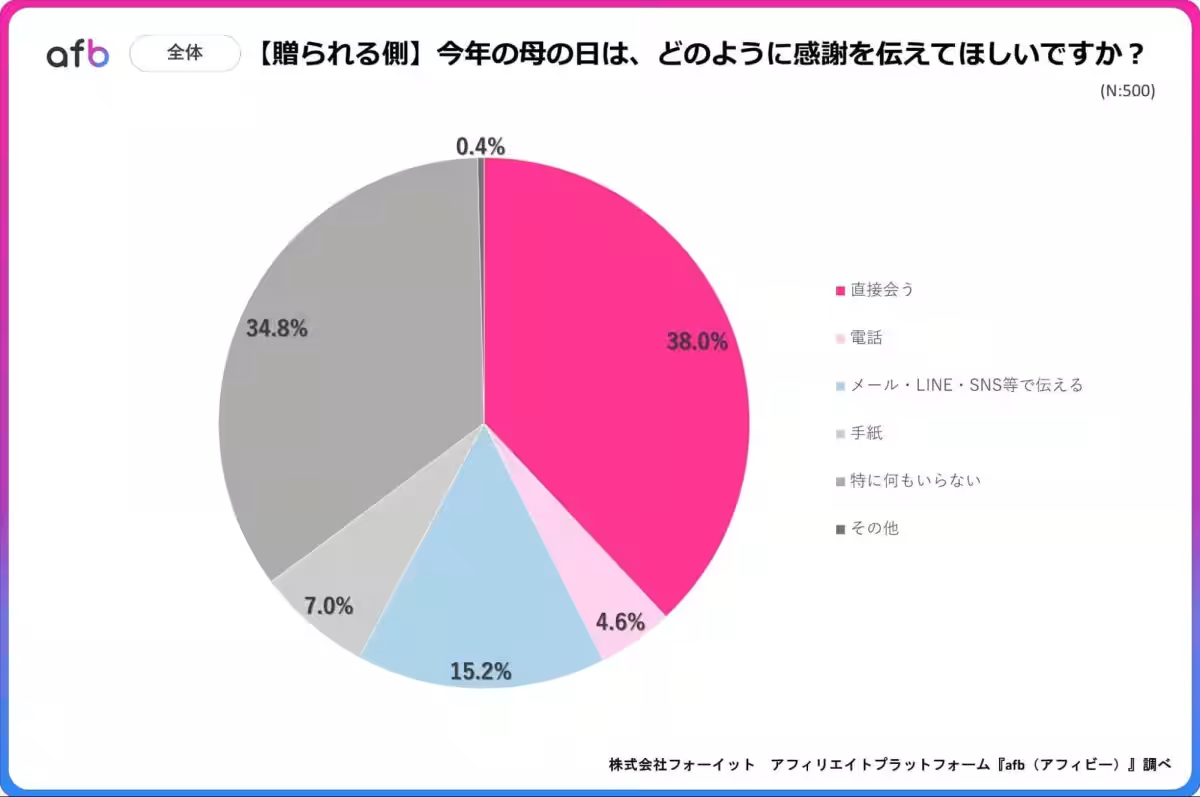
When exploring the responses from mothers—women aged 20 to 69 with children—the majority (38.0%) also preferred face-to-face interactions, followed by 15.2% favoring digital messages and 7.0% opting for handwritten letters. Additionally, 34.8% indicated they did not require anything special for Mother's Day.
Generational Budget Consciousness
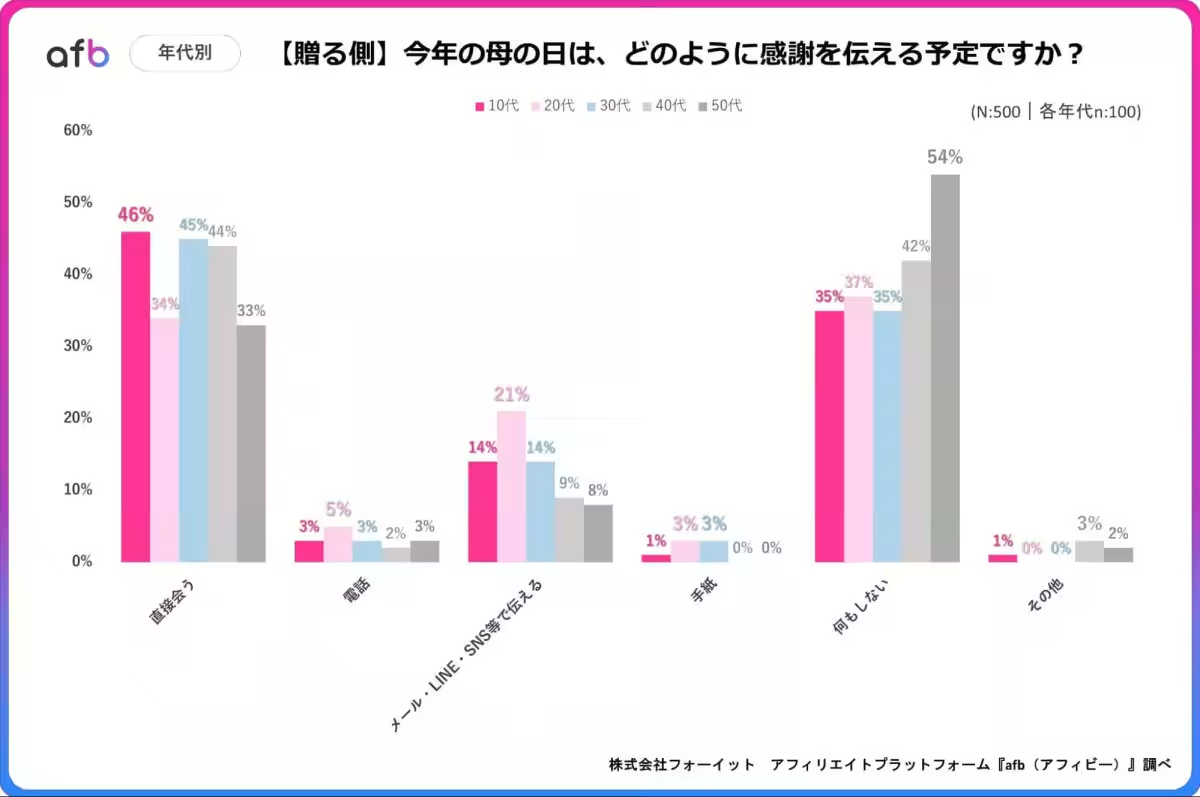
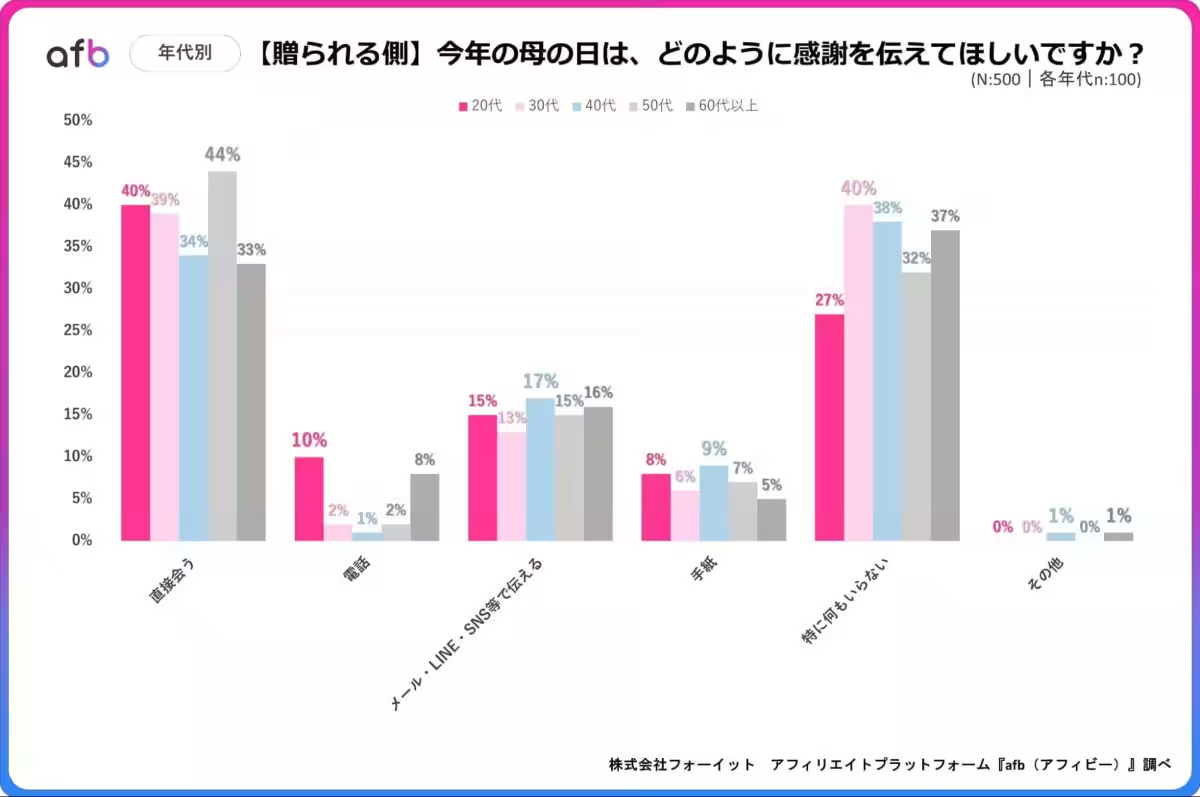
The survey revealed a clear gap between the ways gratitude is expressed and the ways mothers wish to receive it. While across all age groups, direct in-person contact was the preferred method for appreciation, older demographics tended to have lower engagement levels, with over half of respondents in their 50s reporting they would do nothing. In contrast, younger generations, particularly those in their 20s, viewed Mother's Day as an opportunity for meaningful communication and often expressed a higher desire for direct interactions or messages.
Interestingly, the importance of形式的ギフト was lesser for older respondents, who seemed to prioritize everyday relationships over special occasions. The data indicates younger generations are more inclined to actively demonstrate their feelings. In contrast, older and middle-aged groups hold more restrained expectations of Mother's Day, highlighting a disconnect between giving and receiving.
Disparities Between Married and Single Respondents
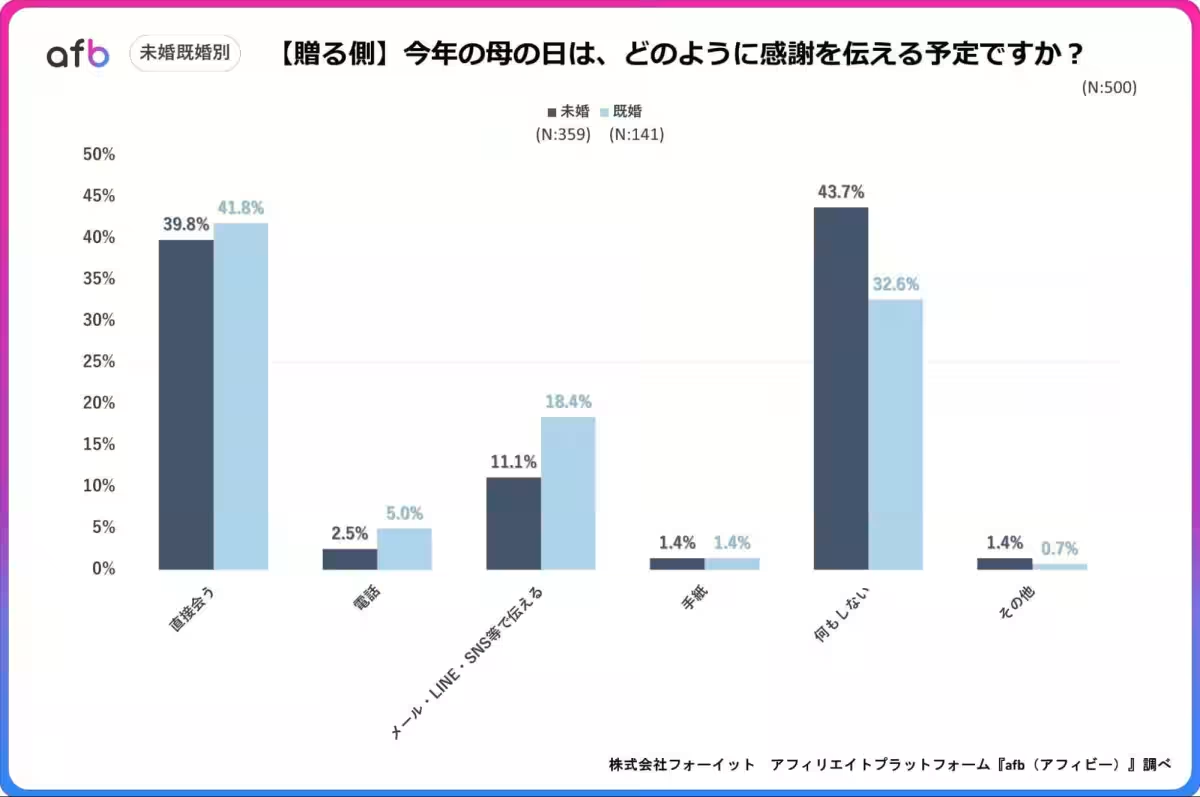
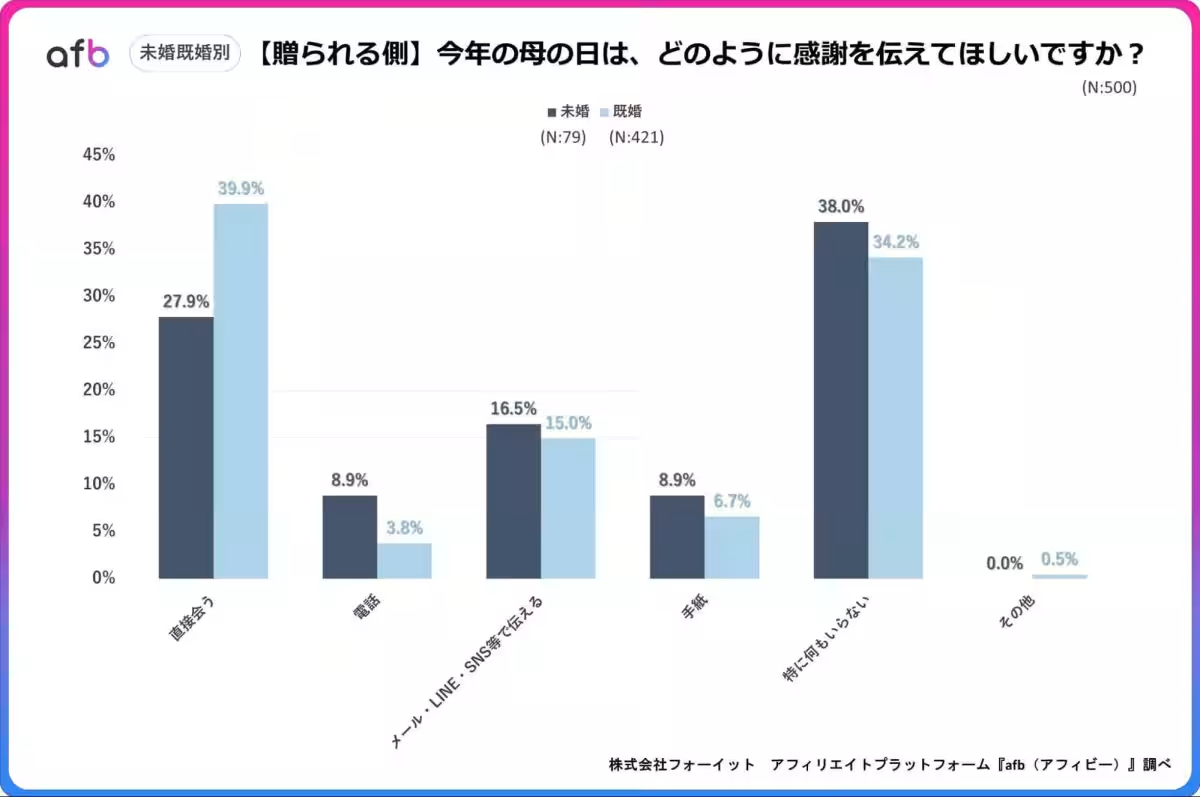
The differences in involvement between married and unmarried individuals were significant. The survey showed that married individuals were more likely to express their gratitude through direct actions, viewing Mother's Day as a family-centered event. In contrast, 43.7% of unmarried respondents reported doing nothing. Their apparent lack of engagement may stem from placing lower priority on Mother's Day or feeling less compelled to initiate contact.
When examining how mothers wished to be honored, married mothers had a higher preference for direct congratulations compared to unmarried ones. However, both groups highlighted that they did not require anything particularly extravagant, reflecting a societal trend valuing emotional connections over physical gifts.
Influence of Lifestyle on Gratitude Expression
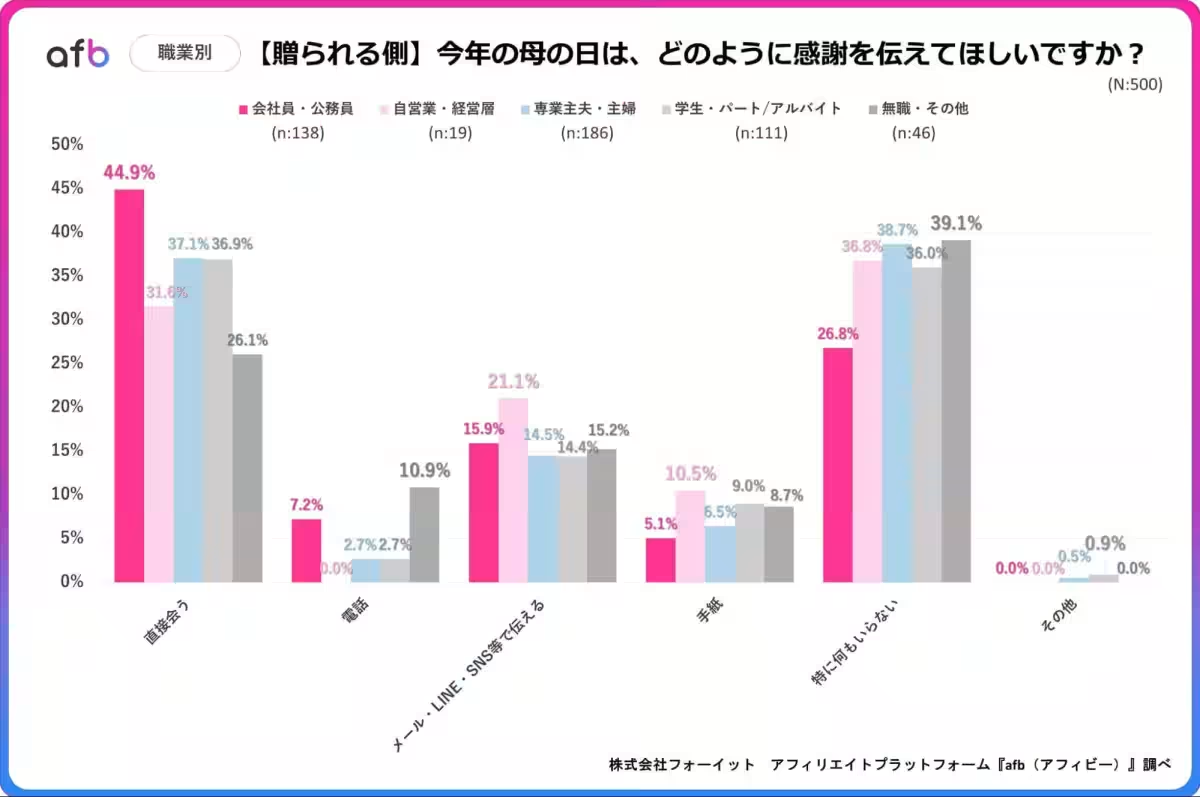
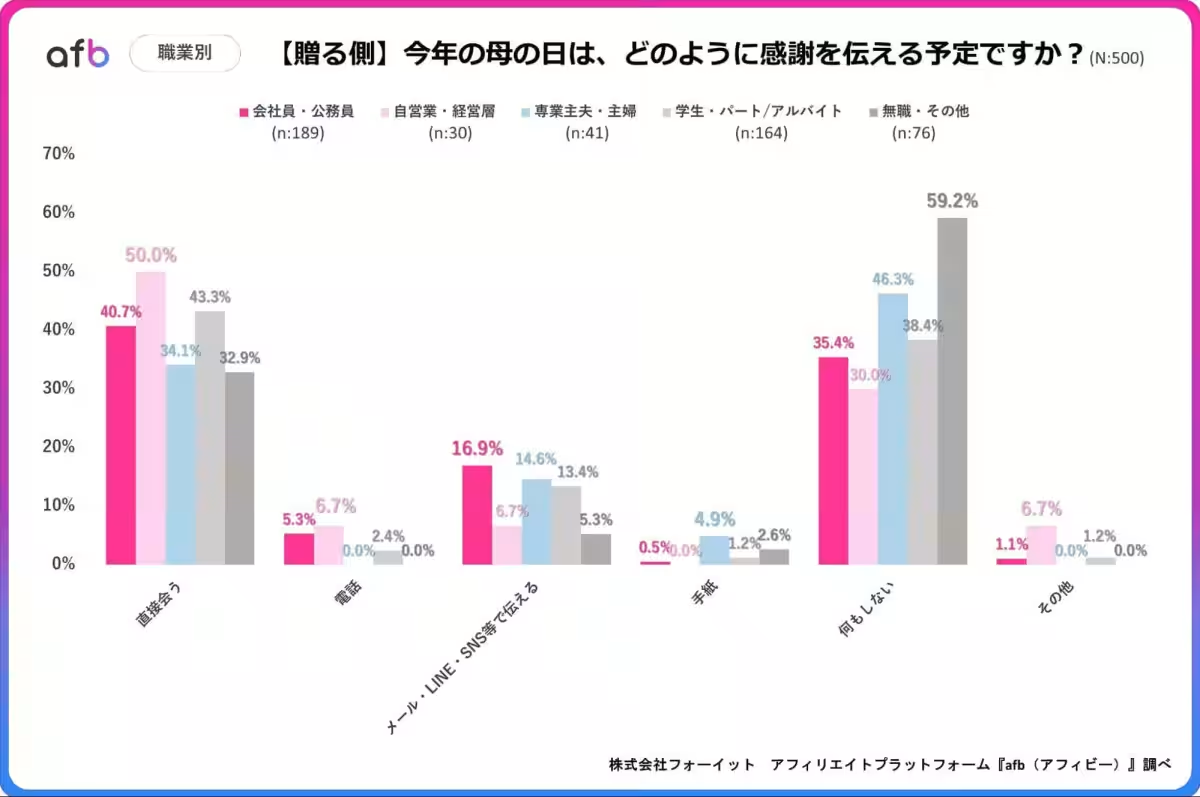
The survey’s results highlighted how profession and lifestyle influenced how gratitude was demonstrated. For instance, employees and civil servants typically expressed their appreciation via in-person visits or opted to do nothing, indicative of their busy schedules. In contrast, business owners and self-employed individuals could prioritize personal interactions, with 50% preferring to celebrate directly. Students and part-time workers were less likely to act on Mother's Day, with economic limitations contributing to this disengagement.
Contrarily, regardless of occupation, expectations of personal interactions were relatively stable among recipients. Specialized professions often emphasize the value of regular family interaction, minimizing the significance of special occasions like Mother's Day.
Conclusion
The recent survey by For-It Inc. provides essential insights into how gratitude is conveyed on Mother's Day in Japan. It reveals clear generational differences and underscores a cultural tendency toward moderation in expectations. Both givers and receivers place heightened importance on the emotional facet of relationships rather than material gifts. This highlights the evolving nature of familial expressions of gratitude and the need for deeper understanding of each generation's preferences in nurturing these significant connections.

Topics People & Culture)




【About Using Articles】
You can freely use the title and article content by linking to the page where the article is posted.
※ Images cannot be used.
【About Links】
Links are free to use.