



New Carbon Footprint Calculation Rules for Plastic Packaging to Promote Decarbonization in Japan
New Carbon Footprint Calculation Rules for Plastic Packaging
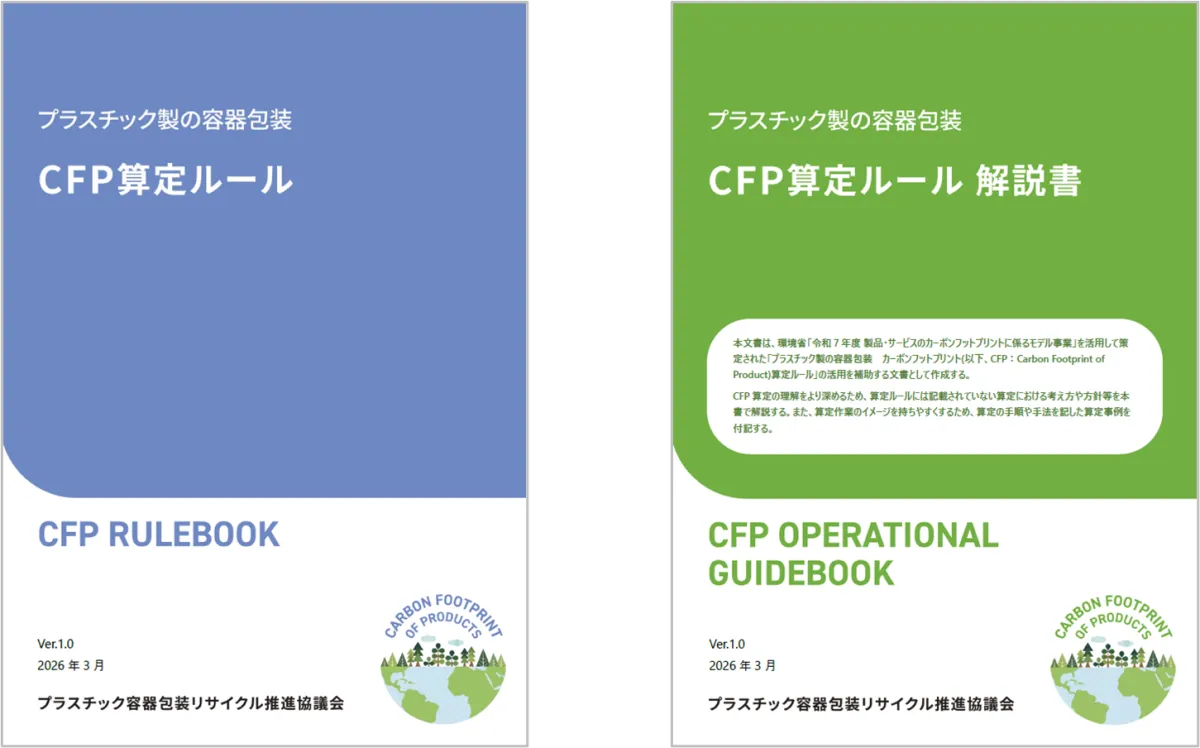
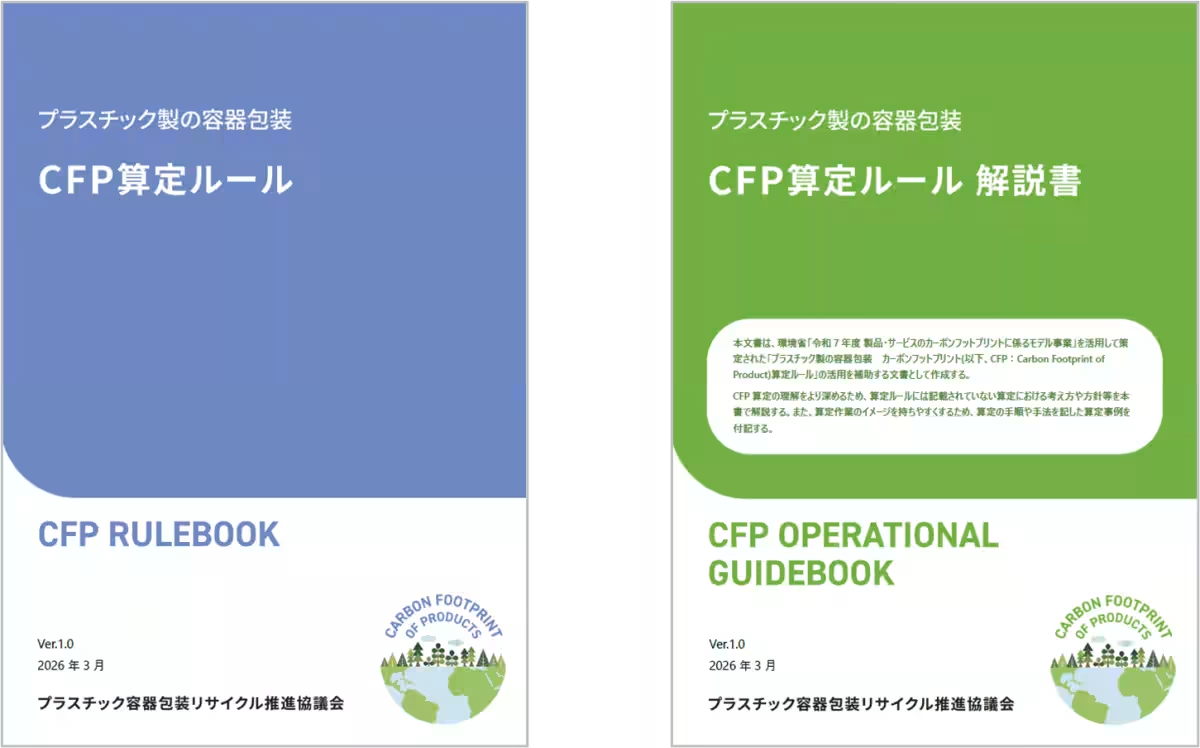
In a significant step towards sustainability in Japan, the Ministry of the Environment has announced the completion of carbon footprint (CFP) calculation rules focused on plastic packaging. A collaborative effort involving six key players in the industry—Toyo Seikan Co., Ltd., Zacros Co., Ltd., Dai Nippon Printing Co., Ltd., Toppan Inc., the Plastic Container Recycling Promotion Council, and the PET Bottle Association—initiated this model project as part of a broader strategy to facilitate the decarbonization of products and services.
Background
The urgency for clearer metrics regarding greenhouse gas (GHG) emissions has intensified as society shifts towards selecting products and services that contribute to decarbonization. The CFP serves as a pivotal tool. By converting various greenhouse gas emissions into CO2-equivalent values, the initiative aims to visualize reduction effects and promote better choices among consumers.
In a bid to foster this transition, the industry consortium began its efforts in June 2025, cooperating with related businesses to establish CFP calculation rules specifically tailored to plastic containers. This was not an isolated endeavor; feedback sessions and workshops with the Plastic Container Promotion Association and its members were instrumental in shaping the final guidelines.
Details of the CFP Calculation Rules
The newly developed calculation rules meticulously outline the entire lifecycle of plastic packaging, from raw material procurement to disposal and recycling. Notable highlights include:
- - Clear Definitions: The processes included in the CFP calculation are clearly defined, ensuring comprehensive coverage of all relevant steps.
- - Energy Usage: The handling of energy metrics—such as the quantity of electricity and fuel used—has been standardized. This includes establishing the necessary data accuracy levels required for assessments.
- - Emission Allocation: Specific principles for allocating emissions are defined for factories that produce multiple products, ensuring fair and consistent accounting of environmental impacts.
Additionally, an explanatory document accompanies the calculation rules. This resource is designed to assist organizations in understanding the CFP guidelines—offering detailed methodologies, examples, and calculation methods tailored for a broad range of enterprises.
Launch and Accessibility
The official presentation of the CFP calculation rules will occur during the Decarbonization Management Forum hosted by the Ministry of the Environment on March 5, 2026. In parallel, these resources are currently available on both the websites of the Plastic Container Recycling Promotion Council and the Ministry of the Environment, encouraging wide access and usage.
Plastic Container Recycling Promotion Council
Ministry of the Environment
Future Goals
The formulation of these CFP guidelines represents a foundation for consistent practices across the plastic packaging sector. The consortium aims to collaborate further with relevant businesses to enhance the reliability of environmental information and promote a common methodology for calculating the CFP. Such collective efforts are expected to drive forward the objectives of the Plastic Resources Recycling Promotion Act, assisting in the broader goal of environmental impact reduction while making it easier for consumers to choose eco-friendly products.
As the industry embraces these comprehensive measures, the target remains clear: to create a society in which environmentally conscious choices are accessible and straightforward for consumers, fostering a sustainable future for generations to come.
This initiative marks a critical juncture for the industry, as transparency and data-driven decisions continue to gain importance in combating climate change and promoting sustainable practices.
Note: The names of the products and services mentioned in this release may be trademarks or registered trademarks of their respective companies.
Topics Environment)




【About Using Articles】
You can freely use the title and article content by linking to the page where the article is posted.
※ Images cannot be used.
【About Links】
Links are free to use.