




The Rise of Billion-Yen Used Condominiums in Tokyo's 23 Wards
The Rise of Billion-Yen Used Condominiums in Tokyo's 23 Wards
In recent years, the Tokyo real estate market has witnessed a significant shift in the availability and demand for high-priced used condominiums, often exceeding one billion yen. Managed by LIFULL, a company deeply invested in addressing social issues through real estate solutions, the "LIFULL HOME'S" platform recently conducted a comprehensive study on the burgeoning trend of these luxury properties, referred to as "billion-yen condominiums" (億ション). This phenomenon, once limited to new constructions, is now prominently featured in the used market, depicting a dramatic evolution in housing preferences.
The Surge in Used Billion-Yen Condominiums in Tokyo's 23 Wards
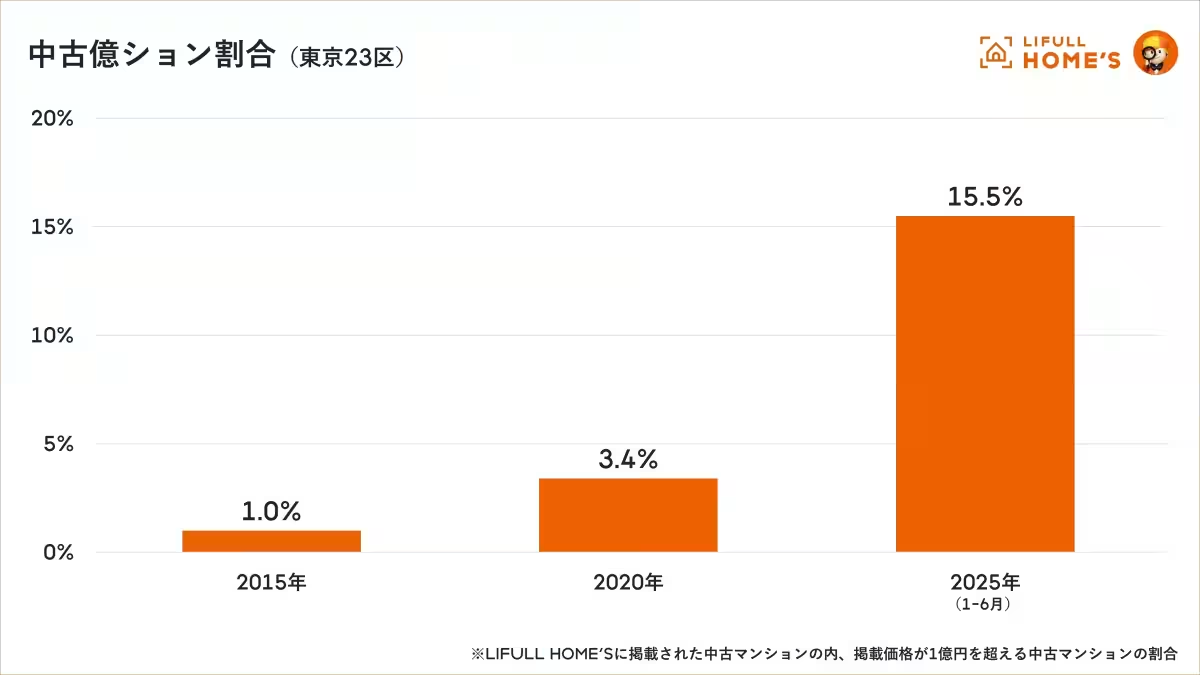
According to the survey results, the proportion of used condominiums listed on LIFULL HOME'S that exceed one billion yen has seen notable growth. In 2015, only 1.0% of the listings in Tokyo's 23 wards fell into this category. This figure rose modestly to 3.4% by 2020 but skyrocketed to an impressive 15.5% during the first half of 2025. This indicates that approximately one in every seven circulating used condominiums in these wards now qualifies as a billion-yen property.
Ranking the Wards by Percentage of Used Billion-Yen Condominiums
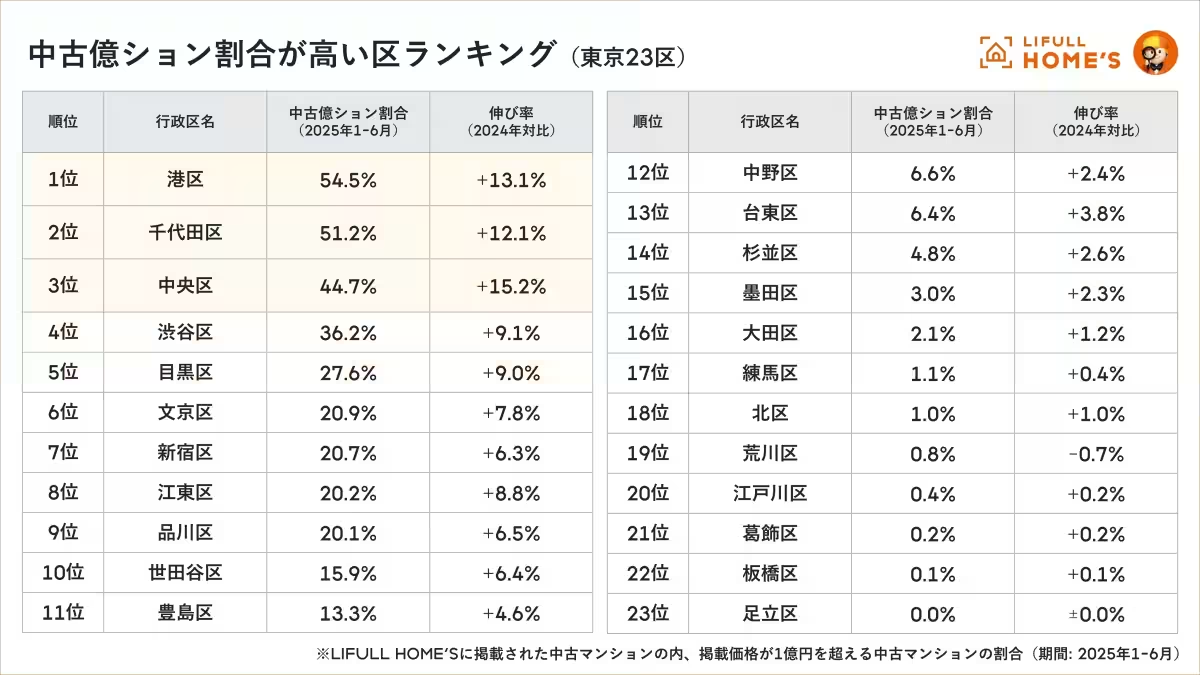
An analysis of the 2025 data highlights the wards with the highest concentrations of billion-yen condominiums, with Minato Ward leading at a staggering 54.5%. Following closely, Chiyoda Ward recorded 51.2%, while Chuo Ward reached 44.7%. These statistics reveal that nearly half of the used condominiums in these top three wards are now priced over one billion yen. In contrast, ten wards have less than 5% of their listings in the billion-yen category, underscoring a concentration of demand among the central wards, which primarily include Chiyoda, Chuo, and Minato.
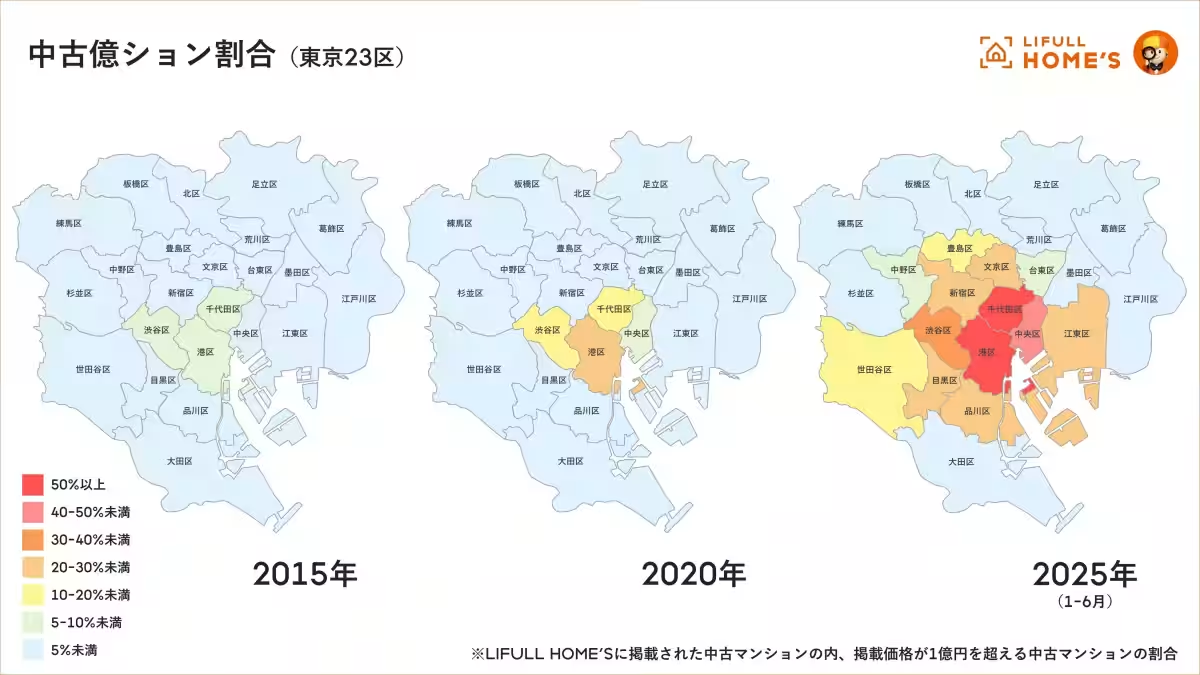
A heatmap depicting the distribution of billion-yen condominiums illuminates these trends further. In 2015, outside of Minato (5.7%), Chiyoda (8.0%), and Shibuya (6.7%), the remaining wards recorded percentages below 5%. Fast forward to 2020, Minato (22.0%), Chiyoda (19.9%), and Shibuya (15.1%) exhibited a robust increase, while Chuo recorded only 6.2%. By 2025, however, Chiyoda and Minato counties became the first wards to exceed the 50% threshold.
High Inquiry Rates at Stations for Used Billion-Yen Condominiums
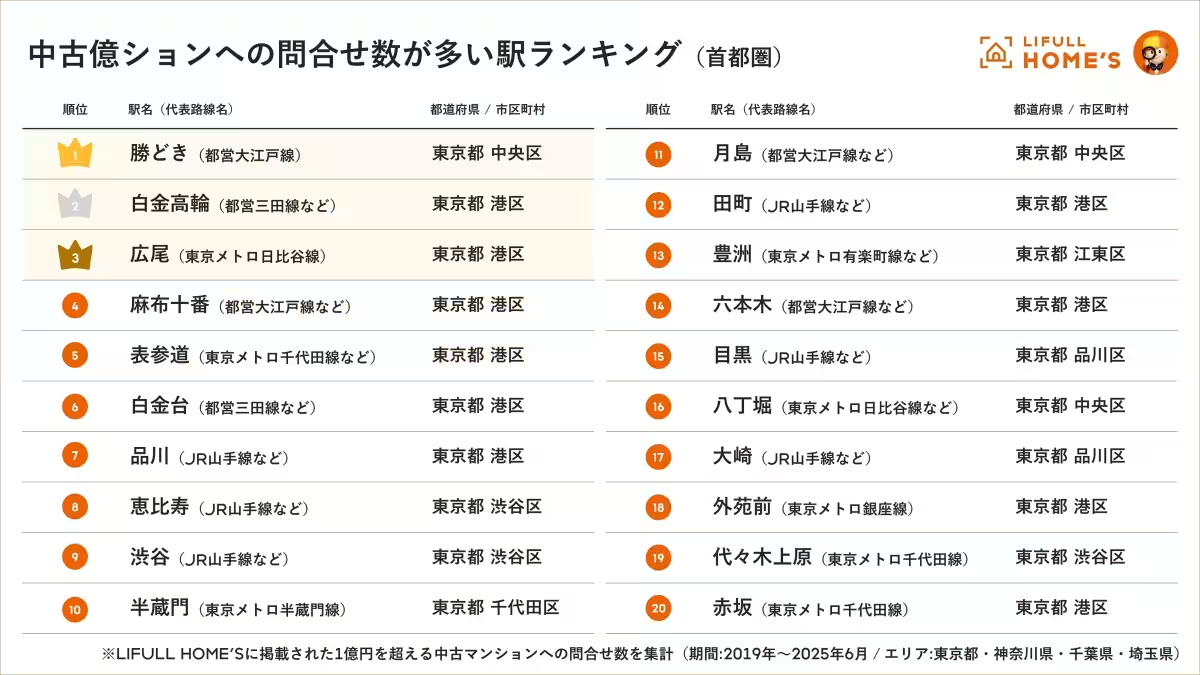
From 2019 to June 2025, the inquiry rates for used billion-yen condominiums, as collated on LIFULL HOME'S, revealed interesting insights into consumer behavior. The ranking for the highest inquiries showed that Kachidoki station topped the list, followed by Shirokane Takanawa and Hiroo. This analysis encompassed a broad area, including Tokyo, Kanagawa, Chiba, and Saitama, yet all top 20 stations were contained within the 23 wards, firmly establishing the urban landscape as the focal point for these valuable properties.
Expert Insights on the Market Shifts
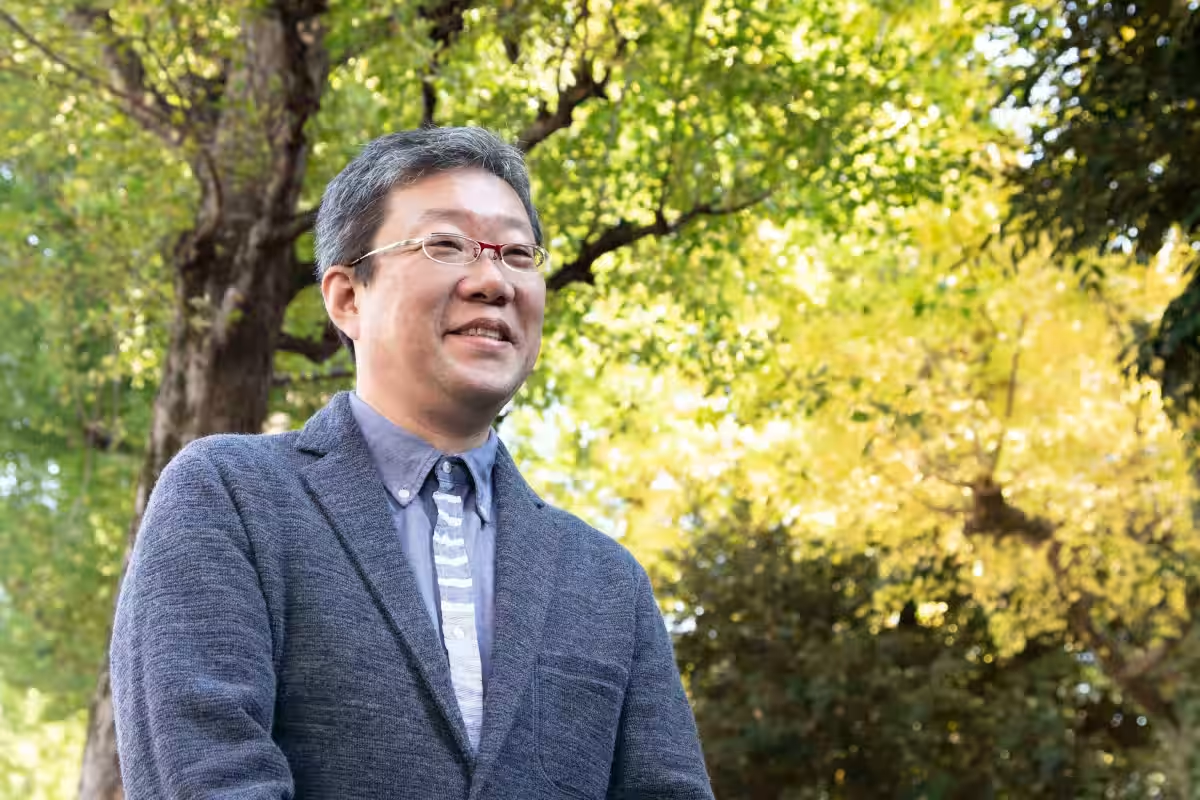
According to Toshiro Nakayama, Chief Analyst at LIFULL HOME'S, the transformation in the used condominium market is significant. He highlights that over half of the condominiums in Minato and Chiyoda are now classified as billion-yen, marking a shift to a hyper-competitive market segment. Rising construction costs due to the weak yen, disruptions from working-hour regulations starting in 2024, and increases in land prices in urban centers have jointly contributed to the swollen new condominium prices, which have consistently exceeded one billion yen in the 23 wards since 2022.
As a direct consequence, the prices of used condominiums in urban areas have also risen sharply, resulting in a dramatic increase in inquiries for billion-yen listings. The share of used condos in this category jumped from 1.0% in 2015 to 15.5% in 2025, revealing a fascinating trend where properties older than 30 or even 40 years can still be marketed as billion-yen condos, indicating a localized economic bubble.
Simultaneously, it's crucial to note that areas such as Adachi Ward have not showcased any listings of used billion-yen condos, and other regions such as Edogawa, Katsushika, and Itabashi reveal minimal availability, indicating a stark disparity in the market across Tokyo. This observation underscores the clustering of high-value properties concentrated in specific urban areas, further reinforced by the inquiry rankings that reveal an overwhelming prominence of Minato in the mix.
In 2025, 99.1% of the billion-yen used condominiums within Tokyo were located in the 23 wards, while only 0.9% persisted outside the capital. In Kanagawa, for instance, the central districts of Yokohama showcased some coverage, suggesting that as the market evolves, it might categorize properties into distinct segments: high-maintenance areas where prices remain stabilized despite aging, areas with a gradual price decline in relation to age, and budget-friendly segments with broader affordability.
Conclusion
The evolution showcased by the rise of used billion-yen condominiums in Tokyo elucidates the changing landscape of real estate and housing needs in Japan's capital, pointing to a distinct segmentation where luxury and utilitarian demands increasingly diverge. The growing trend may continue as the urban high-value market evolves further, driven by sustained demand and economic shifts.
Profile of Toshiro Nakayama
Toshiro Nakayama serves as the Deputy Director and Chief Analyst at LIFULL HOME'S Research Institute. His career spans various positions, including extensive contributions to media coverage on real estate market insights since 1998. He has actively engaged with numerous governmental committees and serves as a prominent speaker in various real estate market seminars.
About LIFULL HOME'S
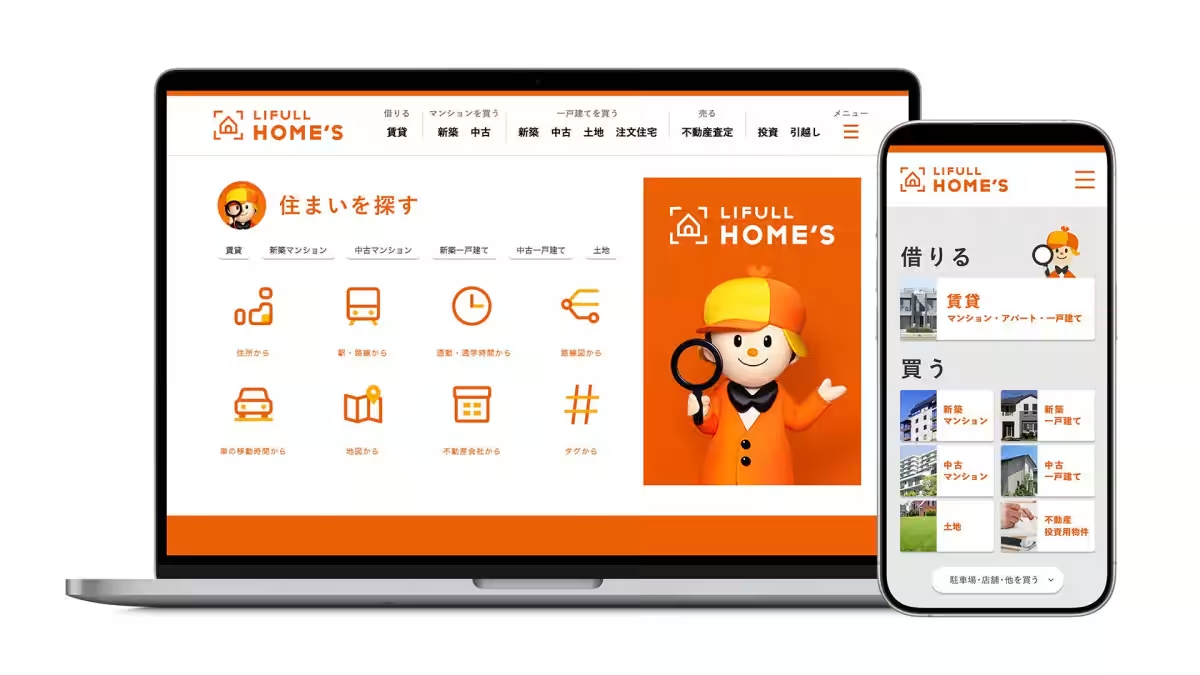
LIFULL HOME'S operates as a significant platform leveraging real estate data to create insights that drive solutions and business opportunities. As a leading real estate service, it caters to numerous aspects from rentals to property sales, helping individuals discover their ideal living spaces
For additional information, visit LIFULL HOME'S.

Topics Consumer Products & Retail)


【About Using Articles】
You can freely use the title and article content by linking to the page where the article is posted.
※ Images cannot be used.
【About Links】
Links are free to use.