



Over 70% of Adults Aged 20-50 Have Not Bought Anything After Seeing Ads
In a recent survey, LakeCrew, headquartered in Shinjuku, Tokyo, explored the relationship between advertising exposure and consumer purchasing behavior among adults aged 20 to 50. The results reveal significant insights into how individuals in this age group interact with advertisements in their daily lives.
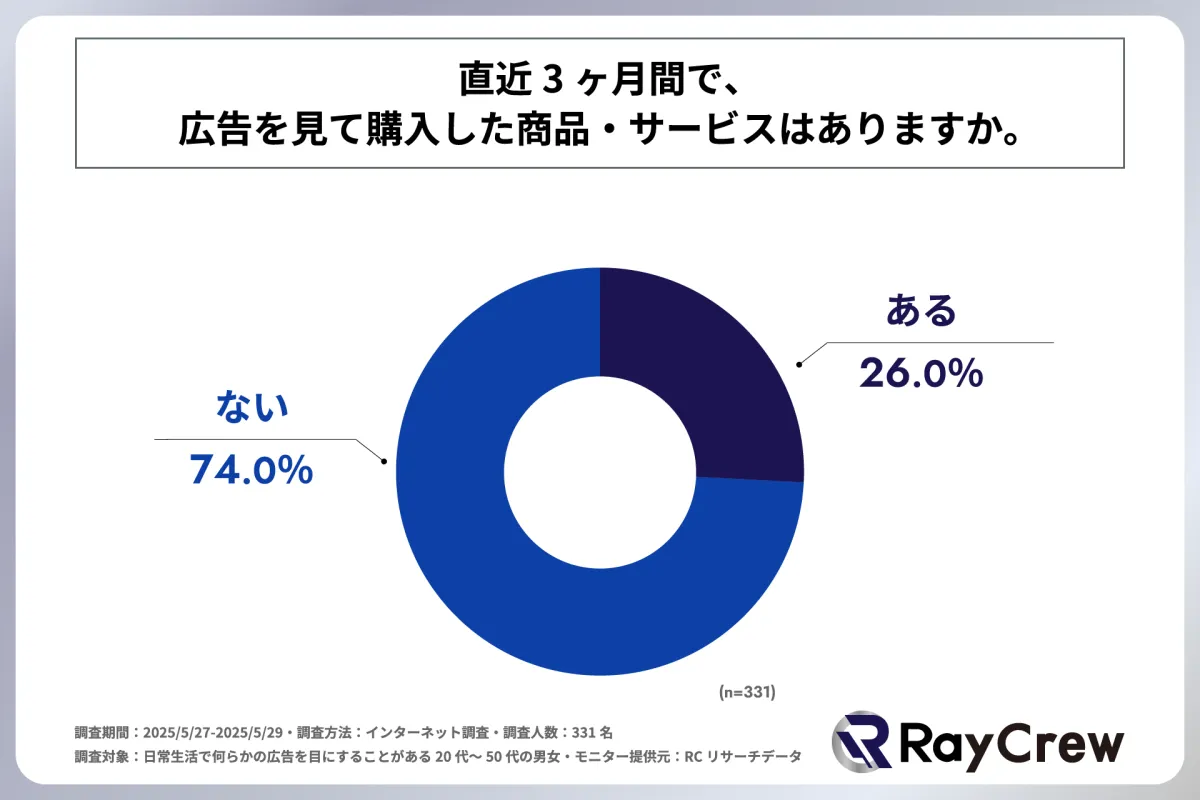
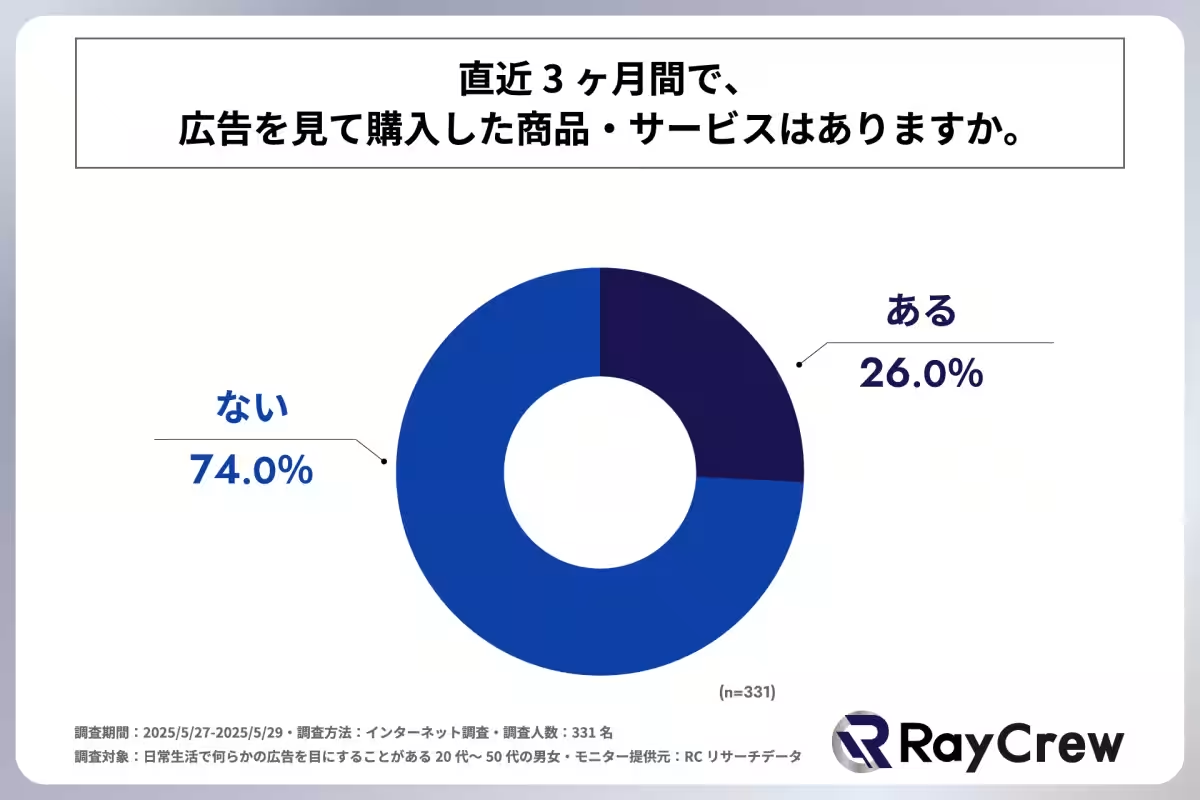
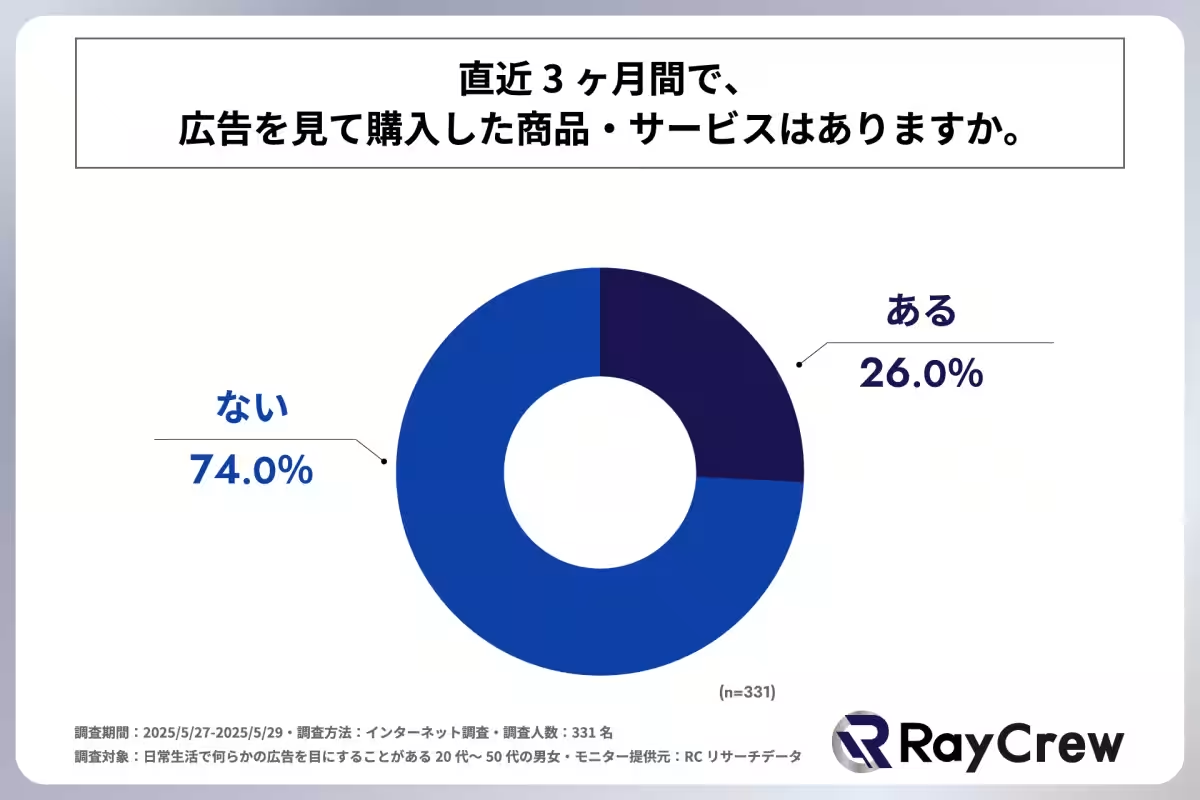
The survey conducted between May 27 and May 29, 2025, included 331 respondents who regularly encounter advertisements. A striking finding was that over 70% of respondents indicated that they had not purchased any products or services as a result of seeing advertising in the last three months. Specifically, 74% said they did not make any purchases, while only 26% reported that they did. This statistic highlights a possible disconnect between advertising efforts and actual consumer buying decisions.
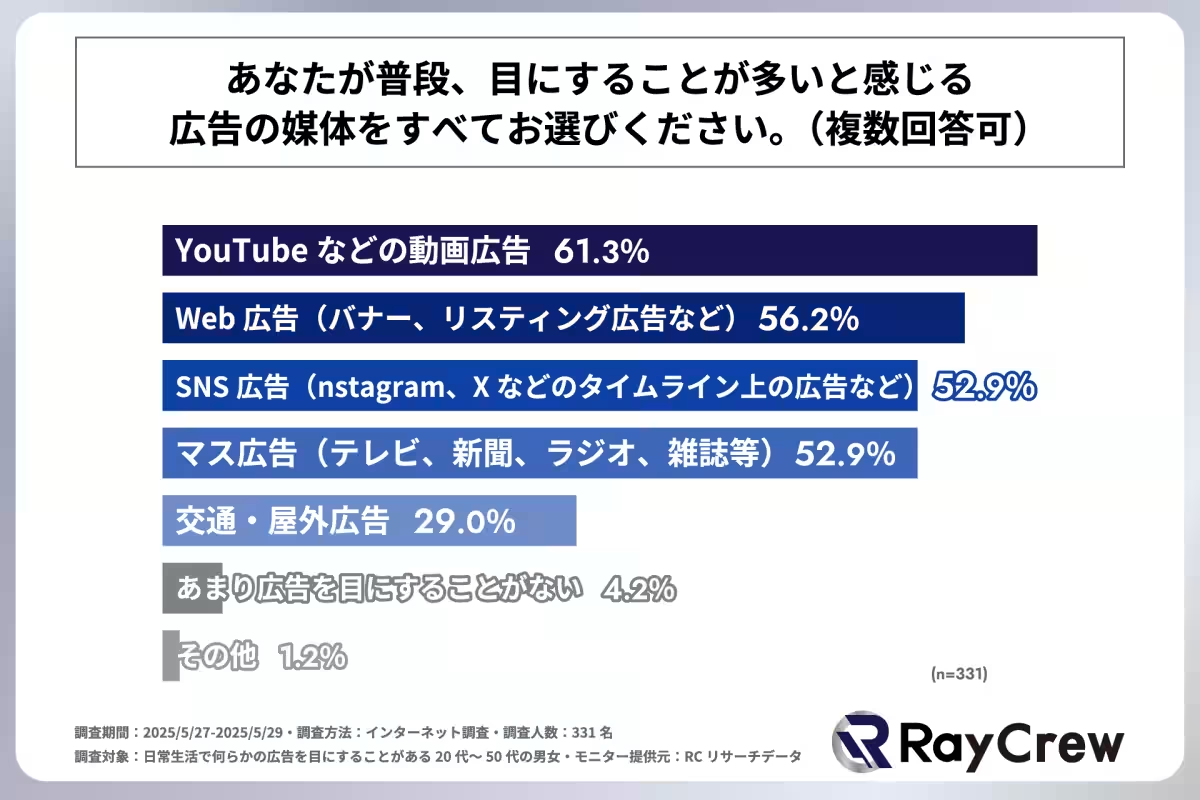
When asked about which advertising platforms they encounter most frequently, video ads on platforms like YouTube topped the list at 61.3%, followed closely by web advertisements, including banner and search ads, at 56.2%. This finding indicates a shift towards digital advertising as a primary medium, as traditional formats struggle to capture attention in the current landscape.
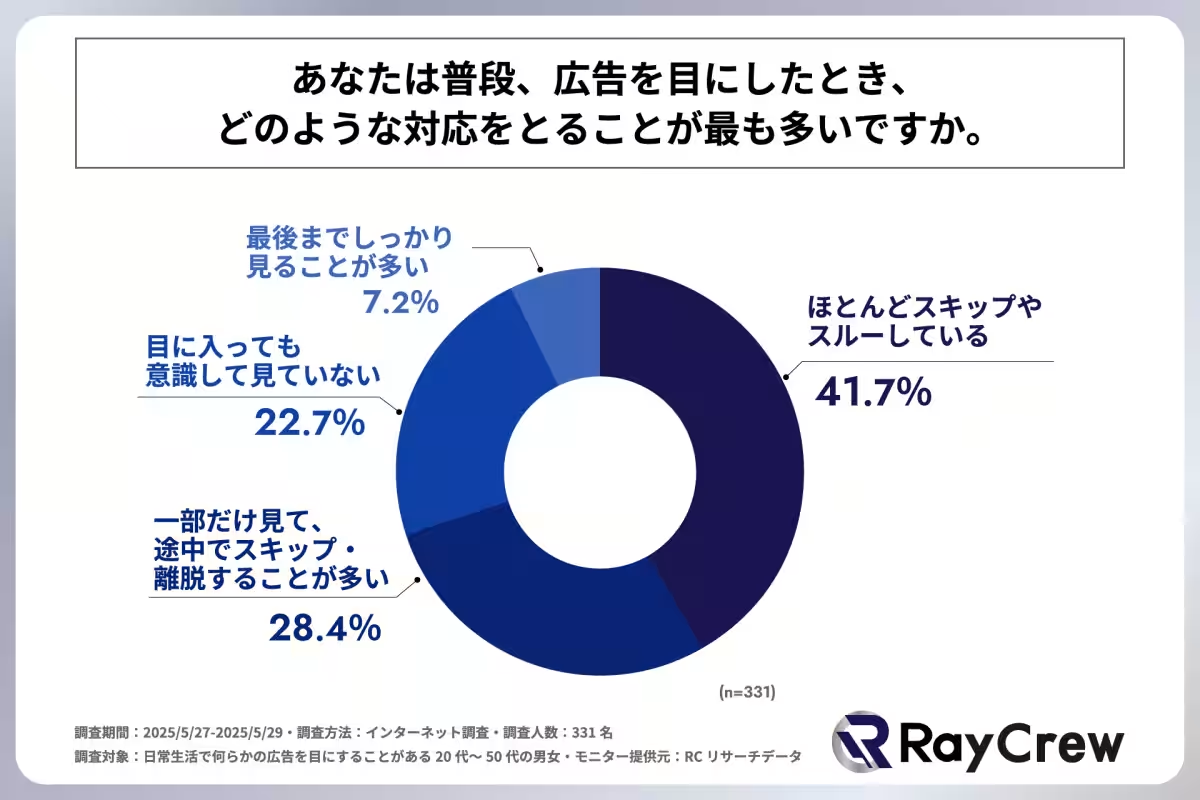
Notably, when it comes to actions taken upon viewing an advertisement, about 70% of respondents confessed they often skip or ignore ads altogether. The most common actions included regularly skipping ads (41.7%) and partially viewing before losing interest (28.4%). Only a small percentage reported actively engaging with the content, underscoring consumers’ growing tendency to bypass marketing messages they perceive as intrusive.
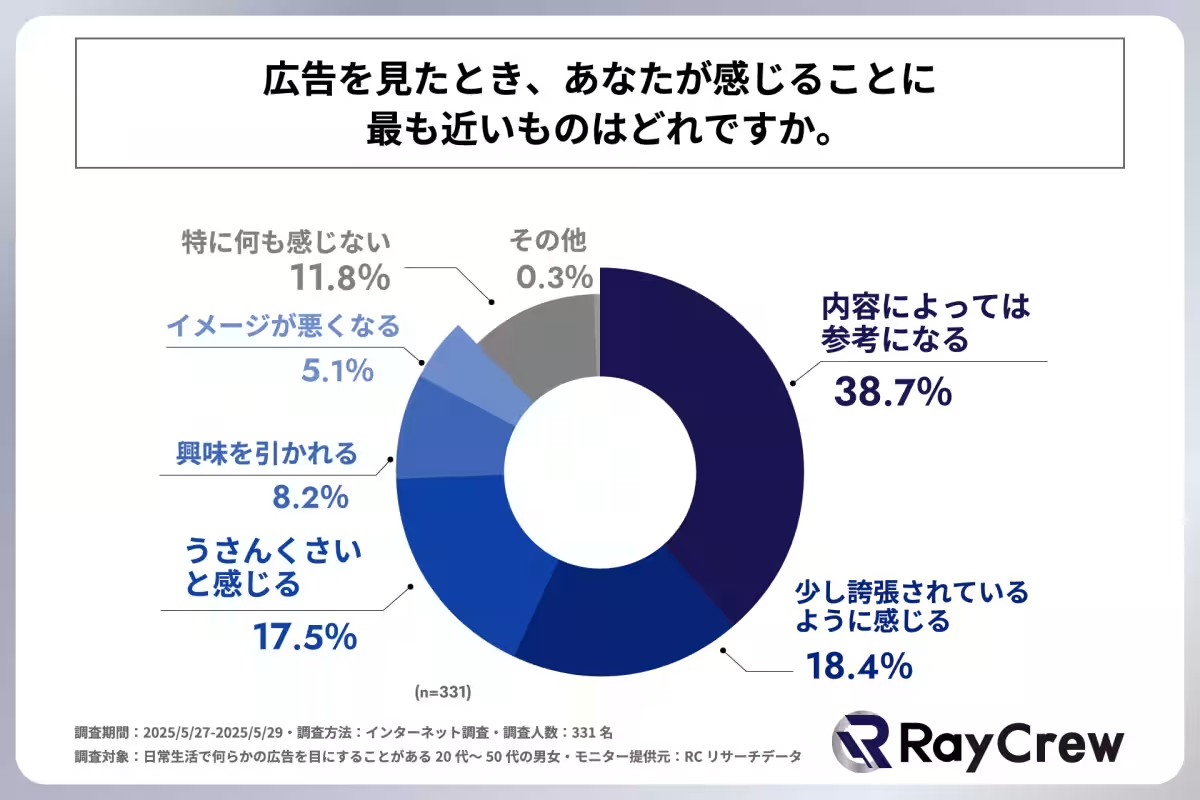
In terms of how advertisements are perceived, respondents indicated that ads can evoke mixed feelings. The top three sentiments were:
1. They can be somewhat useful (38.7%)
2. They often seem exaggerated (18.4%)
3. They can feel untrustworthy (17.5%)
These findings illustrate the skepticism that underlies many consumer interactions with advertisements, with many expressing doubts about authenticity and the accuracy of claims made.
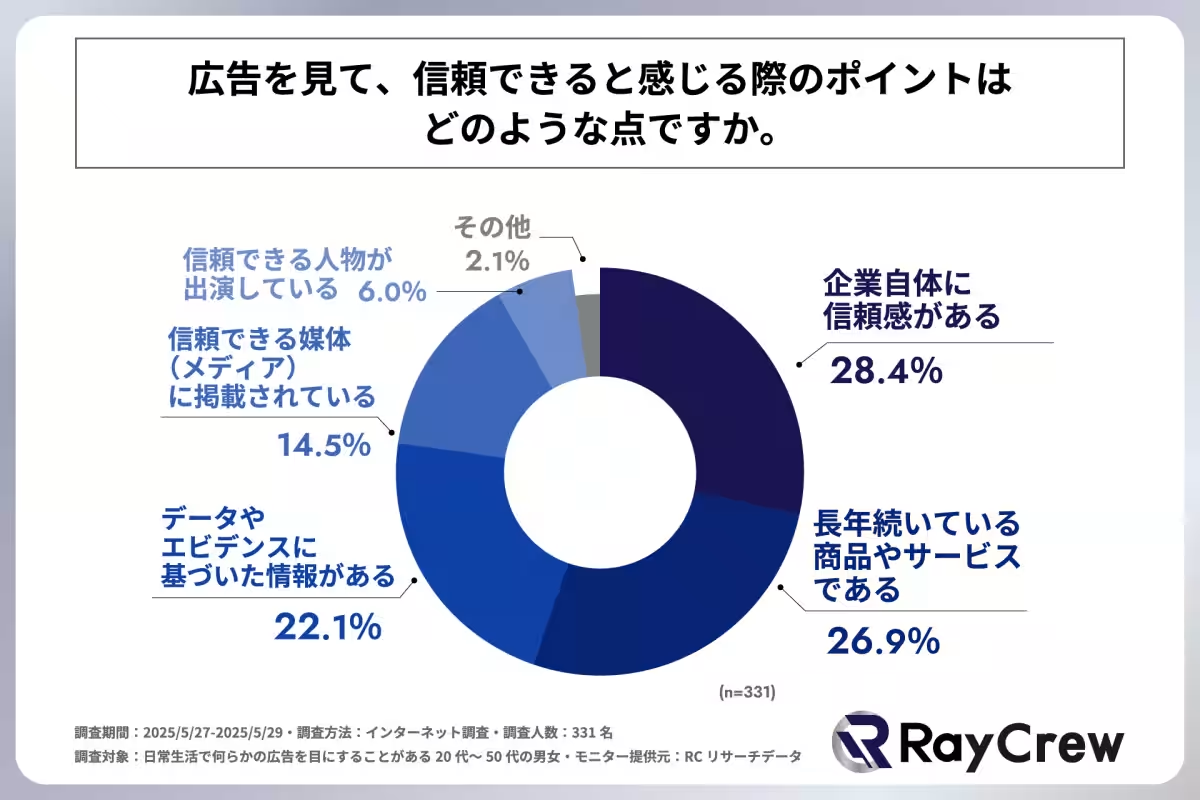
When respondents expressed conditions under which an advertisement appears trustworthy, the most cited factors included:
The data gathered by LakeCrew indicates a profound change in how adults aged 20-50 relate to advertising and its impact on purchasing behavior. With over 70% admitting they have not bought anything due to ads in the last three months, companies face pressing challenges in capturing consumer interest. There is a clear call for more engaging and genuine advertising strategies that resonate with a skeptical audience, using various platforms like video and web ads to build credibility.
LakeCrew offers a comprehensive service that includes strategic planning, survey execution, article creation, distribution management, and impact measurement to enhance brand recognition and establish a robust reputation for companies. For more detailed inquiries and services, visit LakeCrew's contact page.
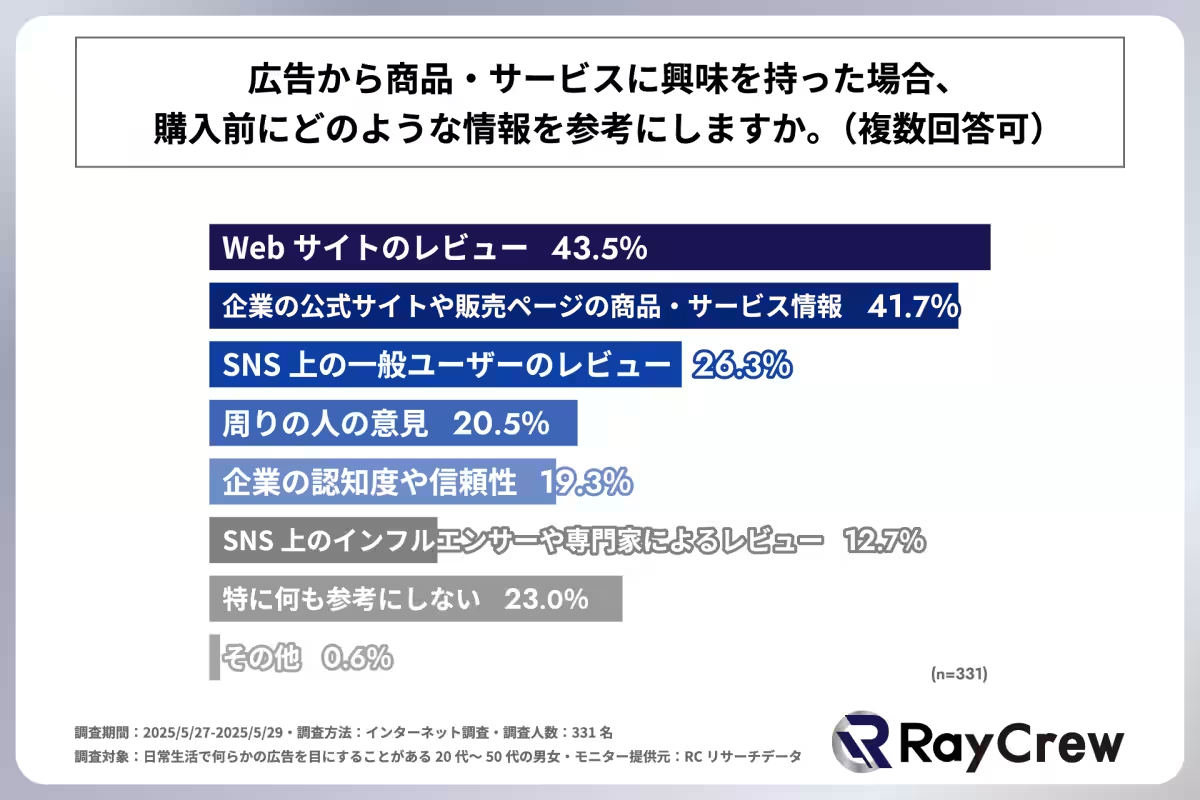


Survey Findings
The survey conducted between May 27 and May 29, 2025, included 331 respondents who regularly encounter advertisements. A striking finding was that over 70% of respondents indicated that they had not purchased any products or services as a result of seeing advertising in the last three months. Specifically, 74% said they did not make any purchases, while only 26% reported that they did. This statistic highlights a possible disconnect between advertising efforts and actual consumer buying decisions.
Preferred Advertising Platforms
When asked about which advertising platforms they encounter most frequently, video ads on platforms like YouTube topped the list at 61.3%, followed closely by web advertisements, including banner and search ads, at 56.2%. This finding indicates a shift towards digital advertising as a primary medium, as traditional formats struggle to capture attention in the current landscape.
Consumer Response to Ads
Notably, when it comes to actions taken upon viewing an advertisement, about 70% of respondents confessed they often skip or ignore ads altogether. The most common actions included regularly skipping ads (41.7%) and partially viewing before losing interest (28.4%). Only a small percentage reported actively engaging with the content, underscoring consumers’ growing tendency to bypass marketing messages they perceive as intrusive.
Perceptions of Advertising
In terms of how advertisements are perceived, respondents indicated that ads can evoke mixed feelings. The top three sentiments were:
1. They can be somewhat useful (38.7%)
2. They often seem exaggerated (18.4%)
3. They can feel untrustworthy (17.5%)
These findings illustrate the skepticism that underlies many consumer interactions with advertisements, with many expressing doubts about authenticity and the accuracy of claims made.
Trust Factors in Advertising
When respondents expressed conditions under which an advertisement appears trustworthy, the most cited factors included:
- - Trustworthiness of the company itself (28.4%)
- - Longevity of the product or service being advertised (26.9%)
- - Evidence-based information (22.1%)
Conclusion
The data gathered by LakeCrew indicates a profound change in how adults aged 20-50 relate to advertising and its impact on purchasing behavior. With over 70% admitting they have not bought anything due to ads in the last three months, companies face pressing challenges in capturing consumer interest. There is a clear call for more engaging and genuine advertising strategies that resonate with a skeptical audience, using various platforms like video and web ads to build credibility.
About LakeCrew
LakeCrew offers a comprehensive service that includes strategic planning, survey execution, article creation, distribution management, and impact measurement to enhance brand recognition and establish a robust reputation for companies. For more detailed inquiries and services, visit LakeCrew's contact page.
Topics Business Technology)

【About Using Articles】
You can freely use the title and article content by linking to the page where the article is posted.
※ Images cannot be used.
【About Links】
Links are free to use.