



Designing Effective Pathways Connecting Human Capital Investment to Corporate Value
Designing Effective Pathways Connecting Human Capital Investment to Corporate Value
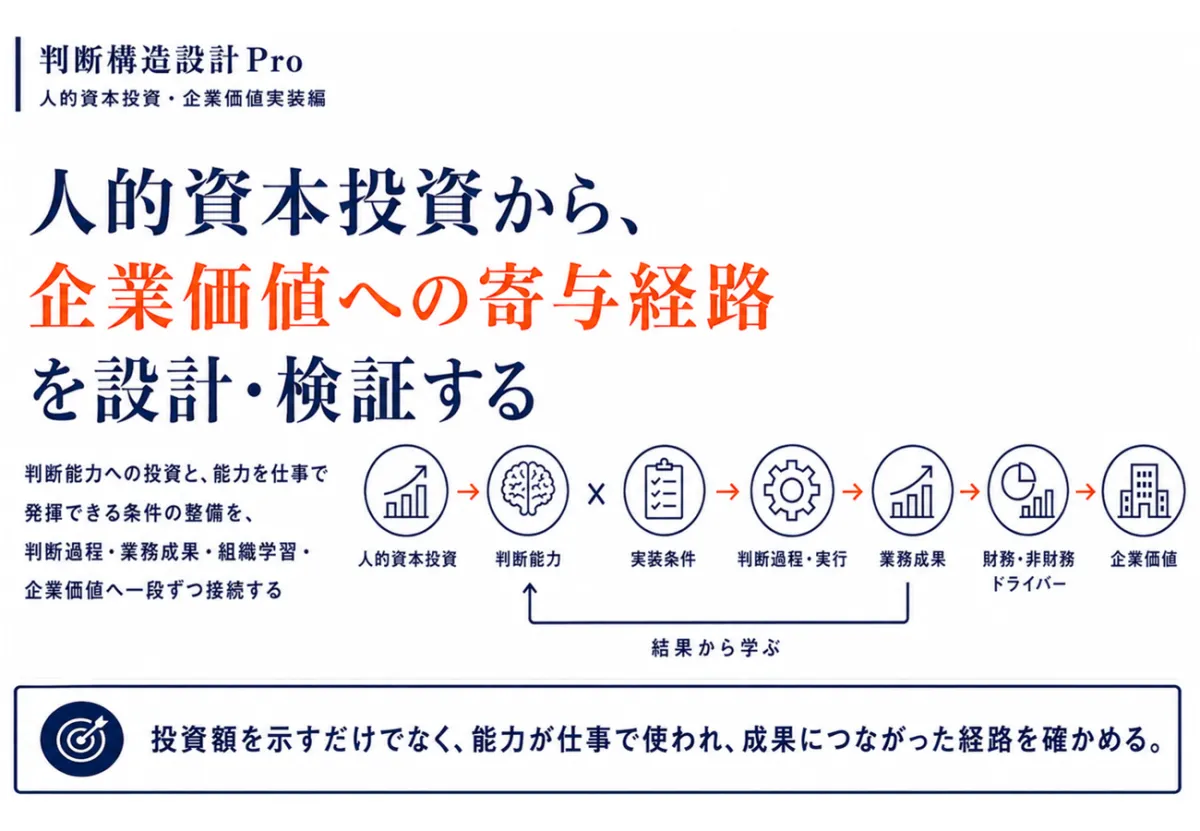
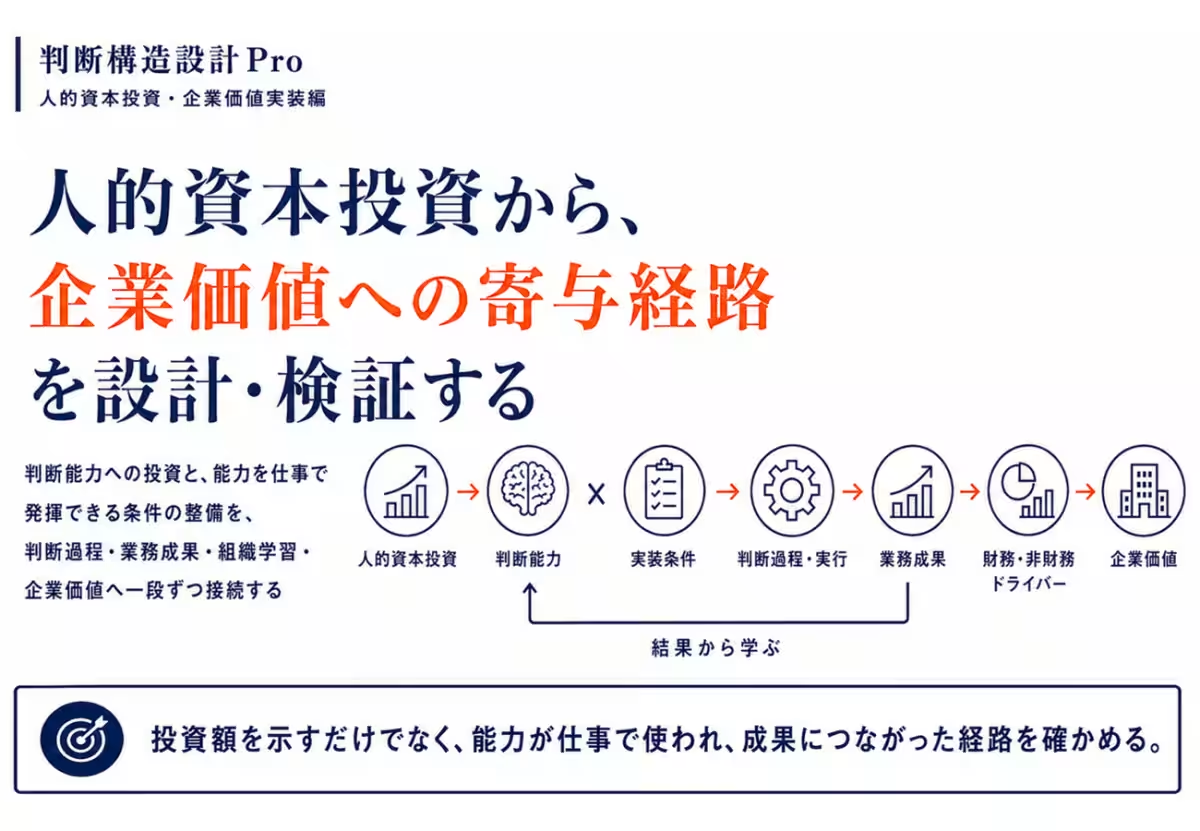
Request Inc. (CEO: Tomoyasu Kohat) has launched a practical guide titled "Judgment Structure Design Pro: Human Capital Investment and Corporate Value Implementation Edition," spanning 14 pages. This document is instrumental in gradually designing and verifying the pathways through which investments in human capital are integrated into real-world work scenarios, culminating in their contributions to corporate value.
Simply tracking metrics like the number of training sessions held or the increase in investment volume does not suffice in determining whether these investments effectively translate into tangible results within the workplace. This guide avoids hastily linking human investment directly to corporate value, instead dissecting the changes occurring between them, identifying confirmed connections, and recognizing areas that still lack verification.
Key Insights from the Document
Among the 14 pages, we reveal the first six pages that cover the background, rationale, practical examples, verification methods, and implementation strategies.
Reevaluating Human Capital Investments Through Practical Pathways
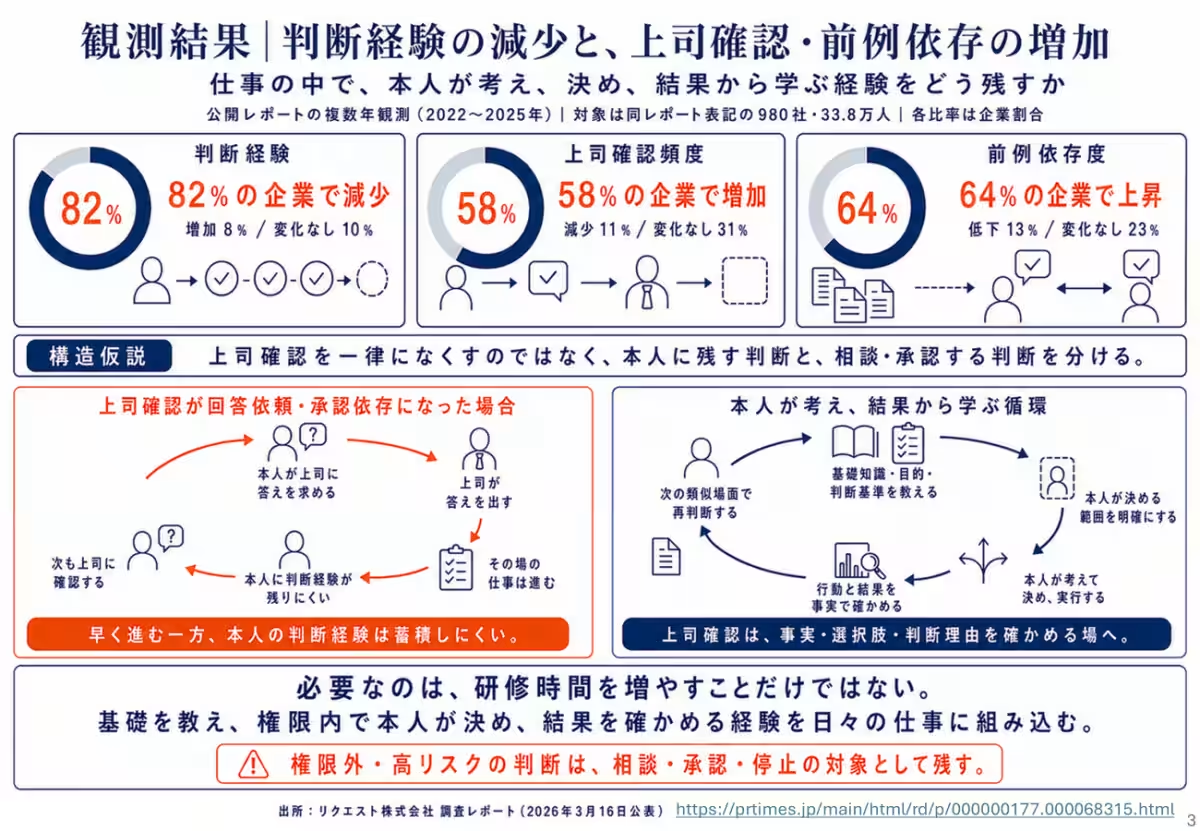
While there is a rising interest in investing in human capital, many organizations see an increase in situations where employees seek approvals or answers from supervisors before making decisions. This reliance on supervisor guidance may expedite immediate decision-making, but it ultimately curtails the decision-making experience of employees, making them more inclined to dependent behavior in similar situations.
However, simply eliminating the need for supervisor consultation is not the answer. Critical judgments involving safety, quality, legal compliance, contracts, or significant customer impacts necessitate structures for consultation, approval, or pausing decisions.
The crucial takeaway is distinguishing between decisions left to individuals and those that need organizational confirmation. The guide emphasizes the importance of preserving experiences in which individuals think, decide, and learn from results, enriching their decision-making repertoire.
The Complexity of Linking Human Capital Investment to Corporate Value
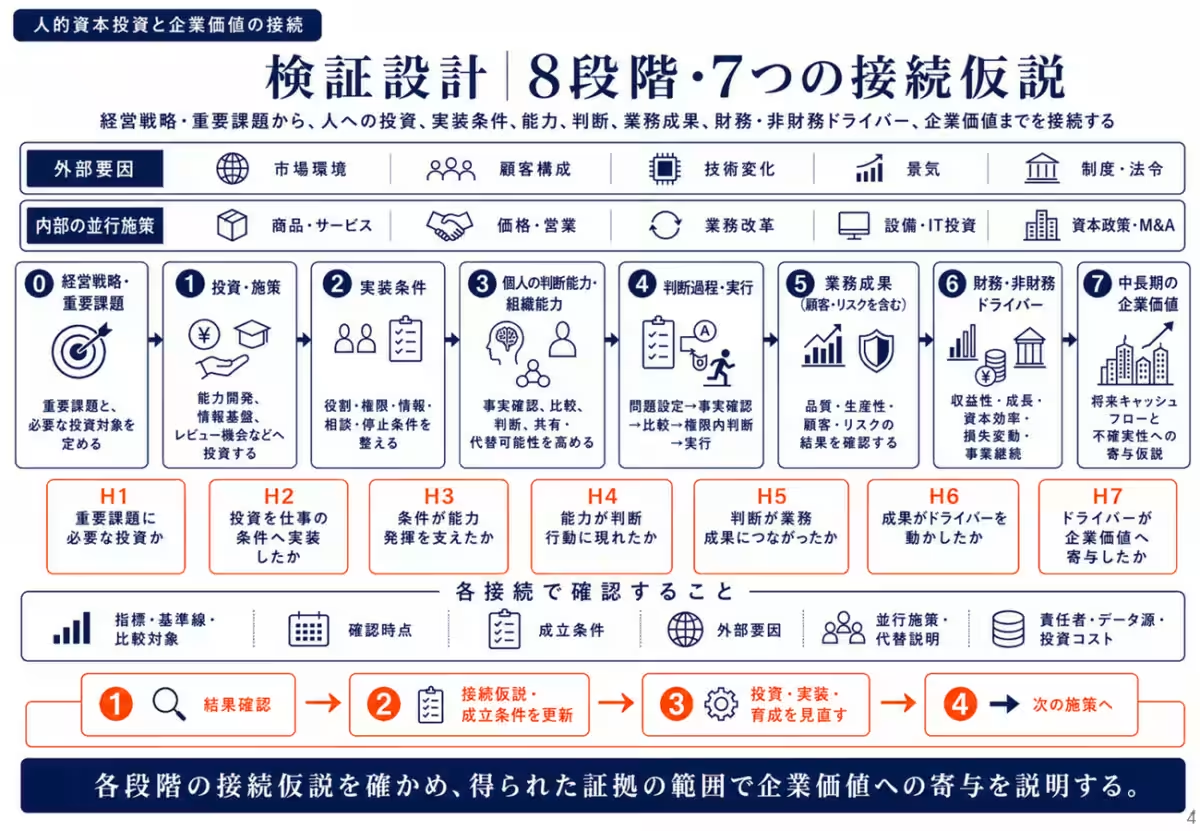
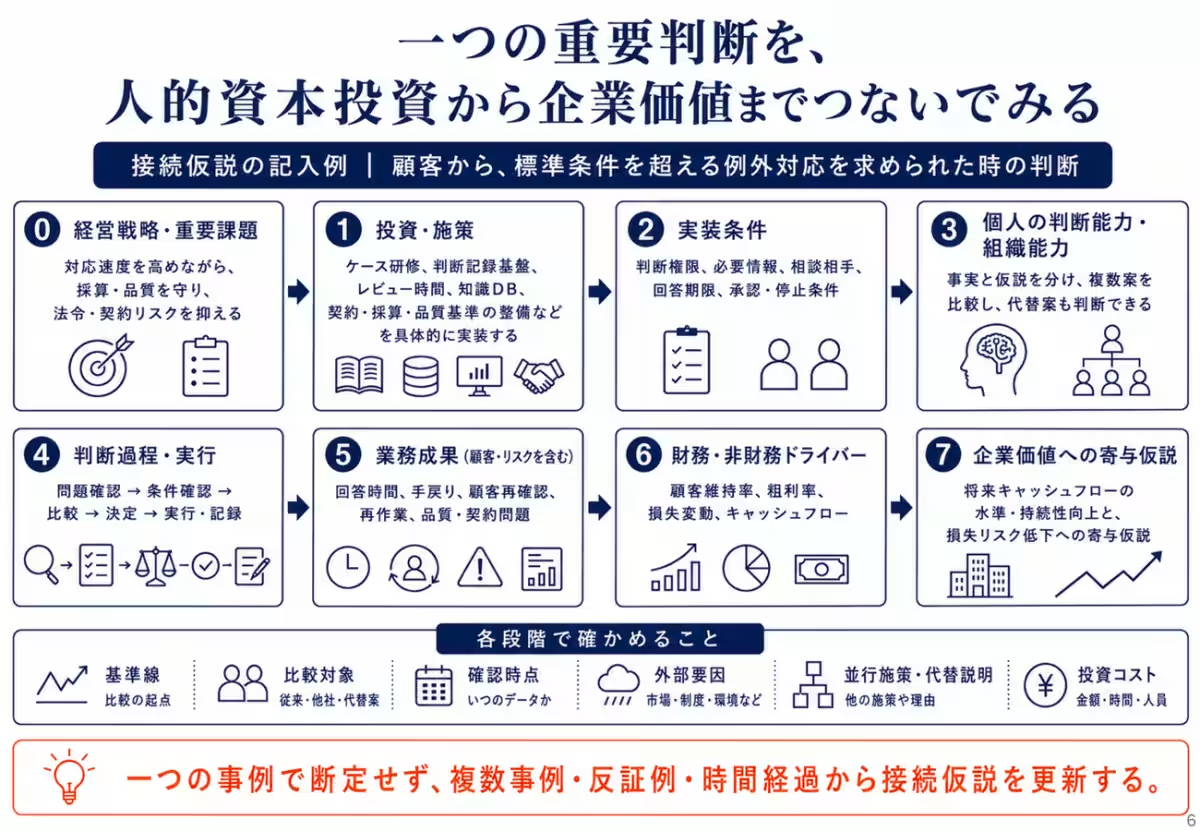
Even if there is an observed increase in the number of training participants or investment amounts concurrently with a rise in corporate value, these observations alone do not establish a direct causal link. The connections that need examination include:
- - Implementation of Investments: Did the investments contribute to changes in work processes?
- - Authority and Information Access: Were employees provided with the necessary authority and information to utilize their skills?
- - Behavioral Changes in Decision-Making: Did actual decision-making behaviors show discernible changes?
- - Impact on Results: Were there alterations in work outcomes?
- - Influence on Financial and Non-Financial Drivers: Did these outcomes affect key performance indicators?
This guide meticulously separates these areas to define evidence necessary for validation, extending beyond mere capability development to encompass essential conditions for effectively operating within the workplace.
A Structured Seven-Connection Hypothesis Approach
To clarify complex assertions about corporate capability and organizational capital, the guide suggests starting with one key critical decision rather than attempting to represent the entire company's workforce capability through a singular metric.
This approach involves proceeding to comprehensively verify investments, availability of decision-making conditions, execution methods, and resultant changes related to selected crucial judgments, examining:
- - What specific investments were made?
- - Were conditions conducive for employees to make independent decisions?
- - How were their thoughts compared and acted upon?
- - What outcomes changed, and what remained the same?
Instead of transforming a single case into a universal success model, the guide encourages learning from multiple instances, including counterexamples and evolving understandings over time.
Emphasizing Evidence Strength in Explanations
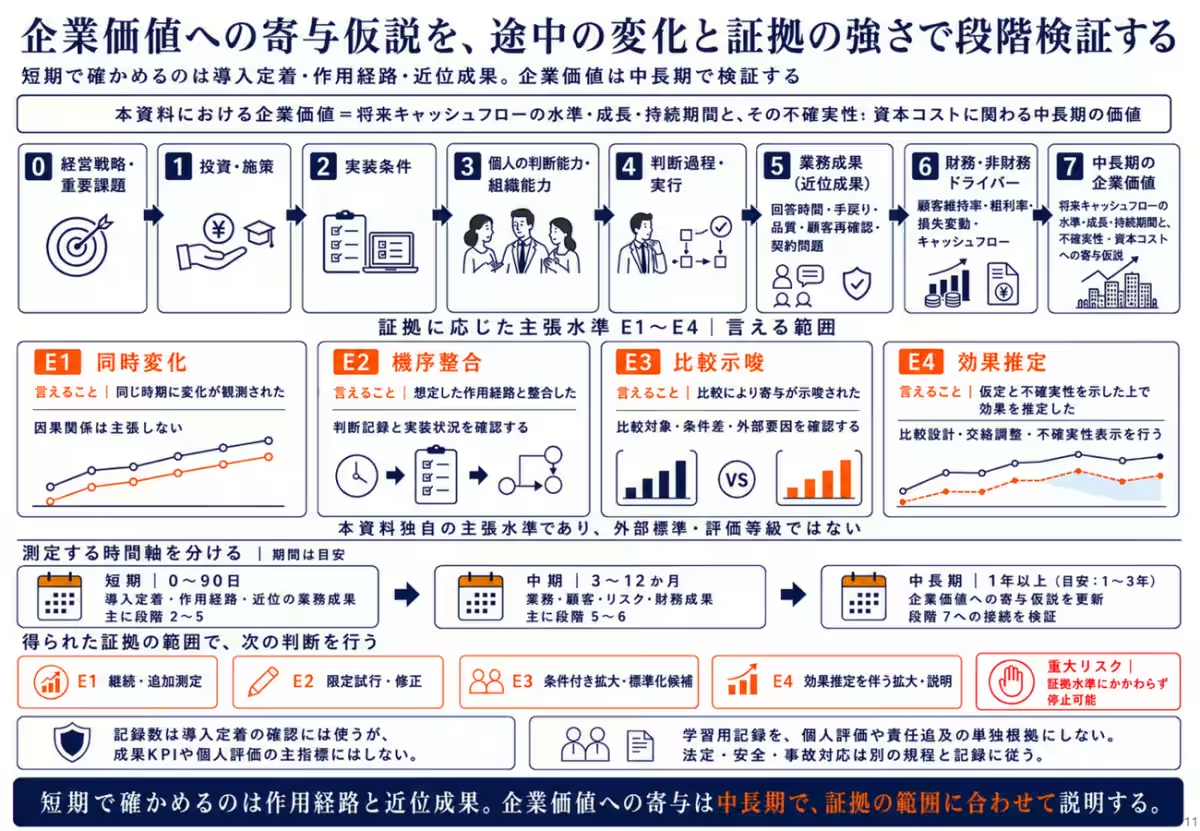
When describing the impact of human capital investments, it is essential to delineate observed facts from interpretations derived from them. The guide categorizes explanations based on the strength of the evidence available, helping prevent overstatements, such as:
- - Generalizing a single success into a universal model.
- - Considering a positive result as an affirmation of a correct judgment.
- - Ignoring influences from other initiatives or external factors.
- - Drawing definitive conclusions on contributions to corporate value from short-term results.
In the initial phases, the guide advocates for focusing on pathways where skills are applied within the work context, correlating with outcomes that can be rapidly confirmed. Contribution to corporate value is seen as a long-term evolution that requires multiple evidence-backed validation.
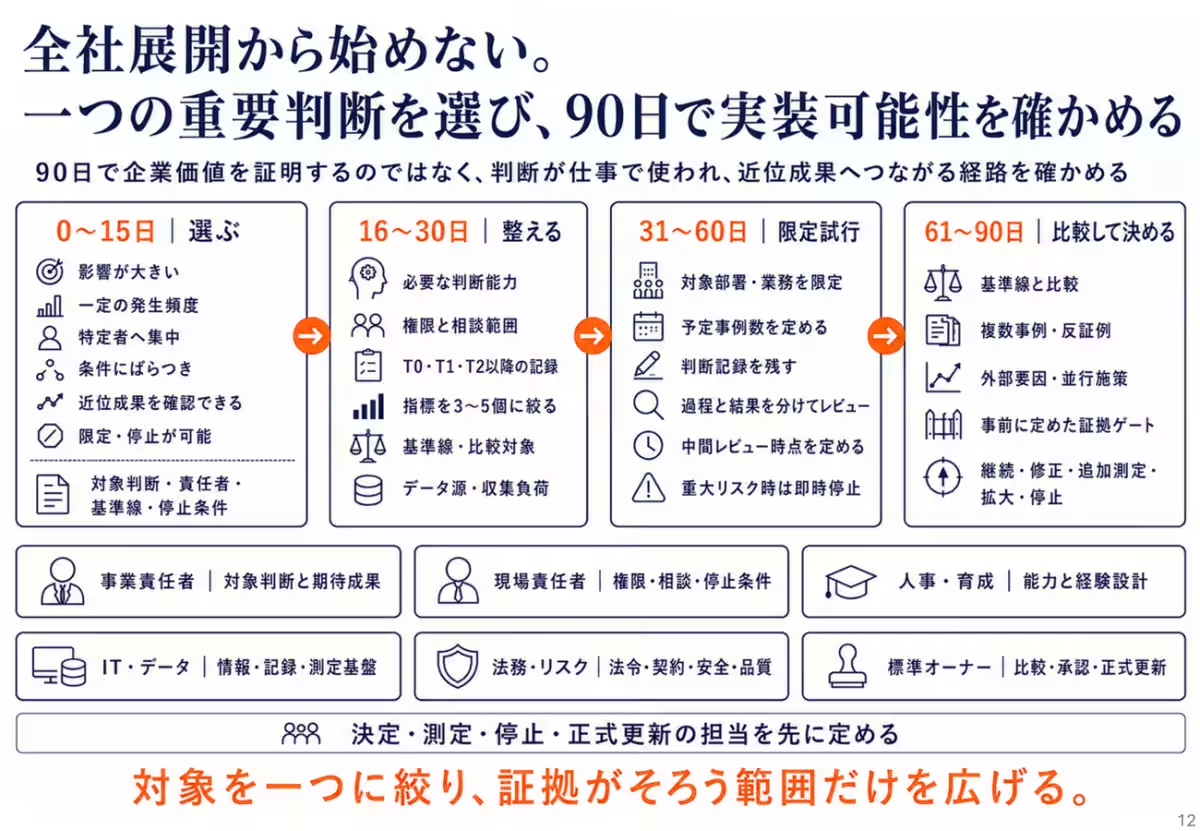
Start with Limited Trials for Broader Adoption
The guide advises against immediate company-wide implementation of human capital initiatives, primarily because varying department conditions can obscure the source of differences in outcomes. It suggests initially targeting a critical judgment alongside pre-established parameters such as relevant departments, expected scenarios, confirmation indicators, responsible individuals, and stopping conditions to validate whether employees can apply their abilities effectively. Subsequently, based on compiled evidence, organizations can choose to continue, modify conditions, expand, or discontinue initiatives.
Application Cases for the Guide
The guide is designed for various organizational sectors regarding their human capital investments, offering practical solutions for leaders looking to illustrate the connection between these investments and resultant accomplishments. Industries such as management, human resources, sustainability, IT-driven environments, and legal departments can adopt this framework to inform and refine their decision-making structures.
In summary, Request Inc.'s guide offers meticulously crafted insights to better link human capital investments with corporate performance, fostering an organizational culture that champions effective decision-making processes. For further details, the complete 14-page version is available upon request via email: [email protected].
About Request Inc.
Request Inc. is committed to enhancing organizational effectiveness through extensive research and development utilizing data from over 980 companies and 338,000 employees. They specialize in the study and educational development of organizational behavior science, providing empirical support for human capital investment strategies.


Topics General Business)
【About Using Articles】
You can freely use the title and article content by linking to the page where the article is posted.
※ Images cannot be used.
【About Links】
Links are free to use.