



New Investment Project for Historical Buildings Launched in Sado City, Japan
New Investment Project for Historical Preservation in Sado City
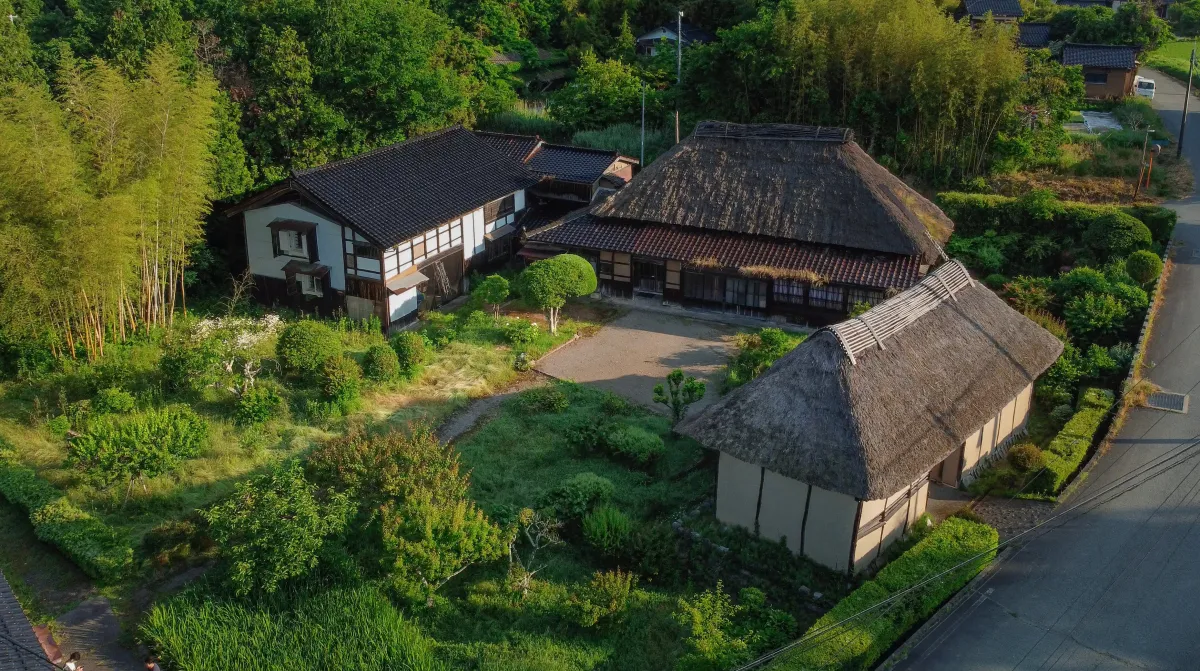
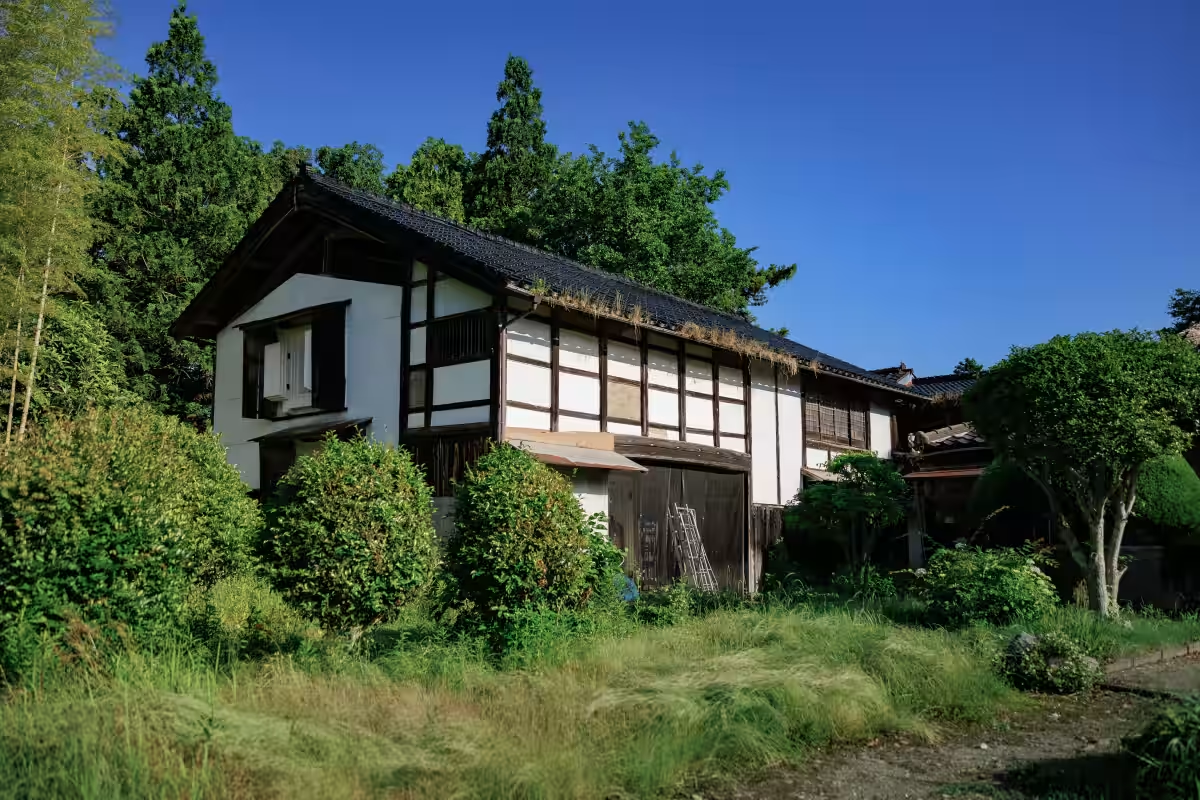
In a remarkable move towards preserving Japan's cultural heritage, Planet Labs has unveiled its third project under the PlanetDAO initiative, focusing on the historic Hojo Family Residence located in Sado City, Niigata Prefecture. As a registered tangible cultural asset, the residence represents a significant part of local history and culture.
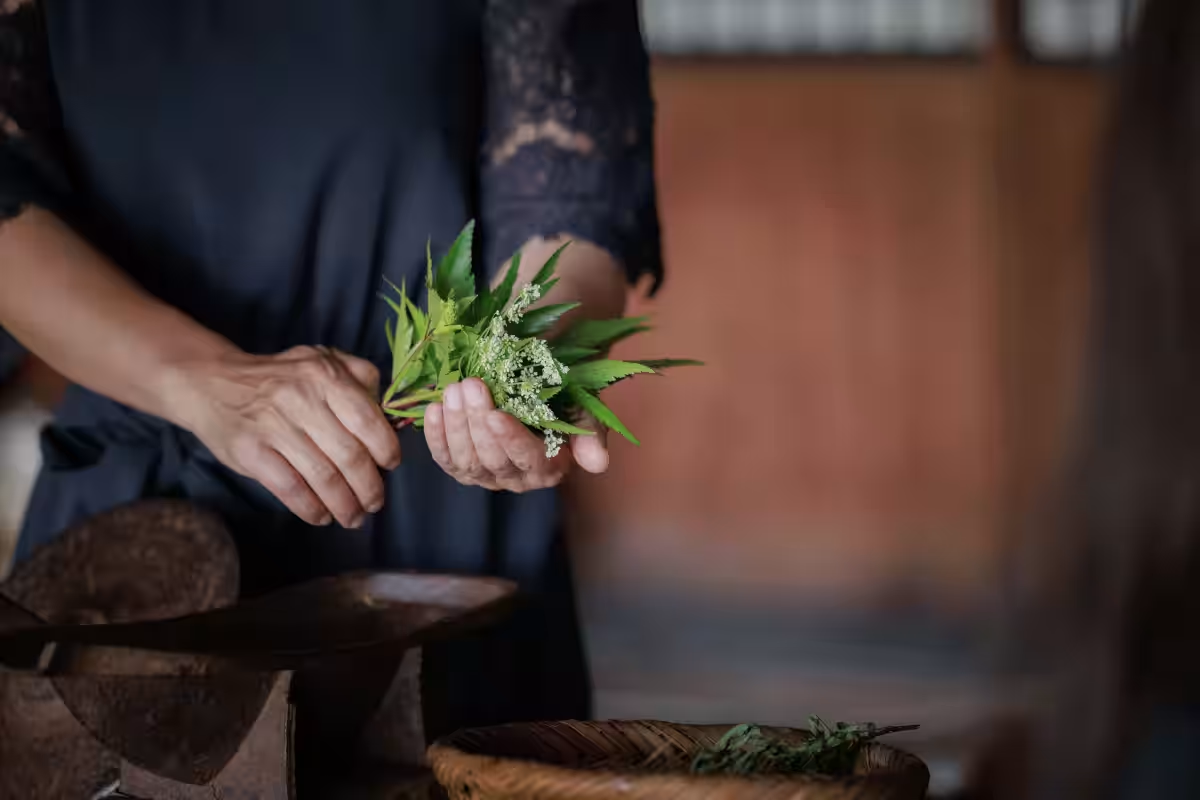
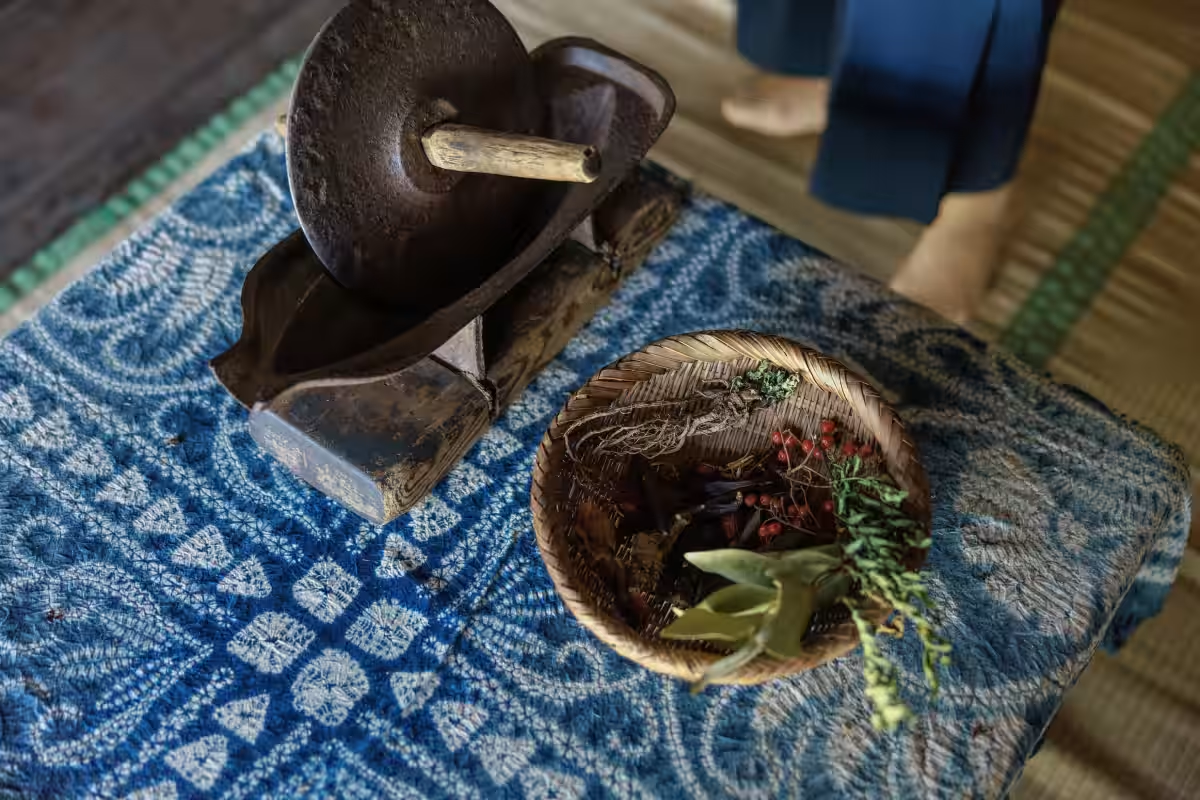
The Hojo Family Residence has been under the care of the Hojo family since the Edo period, rooted deeply in the history of traditional Japanese medicine. The original patriarch, Doeki Hojo, was not only a monk but also a herbal doctor who utilized local medicinal plants to heal the residents, blending medical practices with a strong connection to their natural environment.
Project Overview and Community Involvement
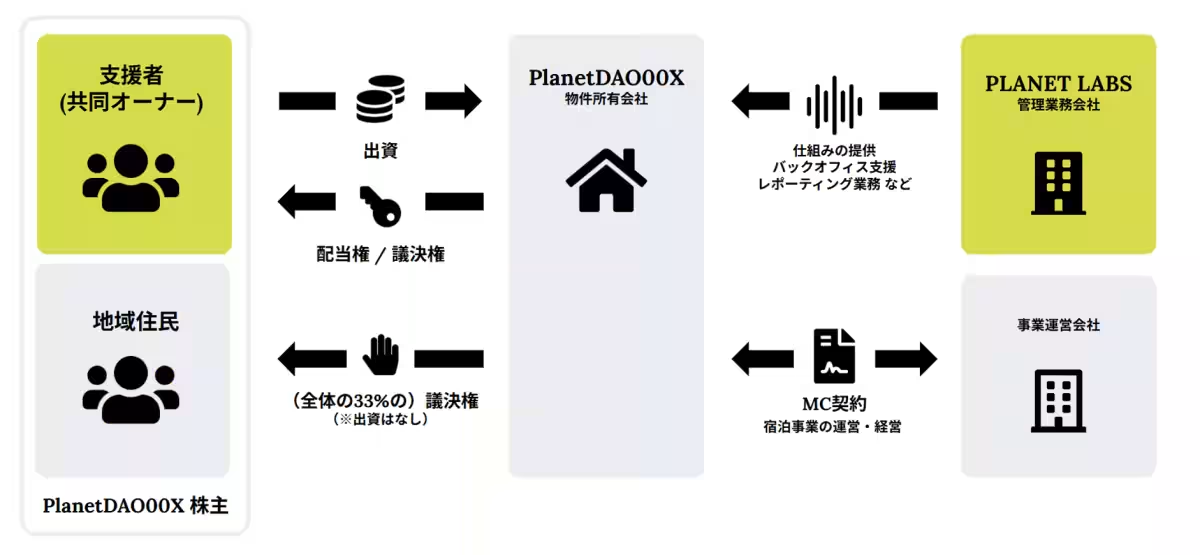
The PlanetDAO model represents a pioneering effort in Japan, permitting small-scale investments into historic sites to ensure their maintenance and revitalization. Unlike conventional real estate investments, this approach allows for community engagement at multiple levels, enabling investors to participate actively in decision-making processes regarding the use and preservation of these sites.
Previously, Planet Labs had successfully initiated similar projects in Wakayama and Kanagawa, gathering over ¥40 million (~$370,000) from more than 100 investors. With the new venture focusing on Sado Island, the objective continues to be creating a sustainable model for preserving local heritage in tandem with economic viability.
By tapping into a community of locally and internationally interested investors, PlanetDAO aims to safeguard the Hojo residence against neglect and deterioration, thereby fostering a broader participation in managing such culturally valuable properties. This initiative underscores the need for collaborative efforts in tackling the challenges faced by local historic sites.
The Richness of Sado Island
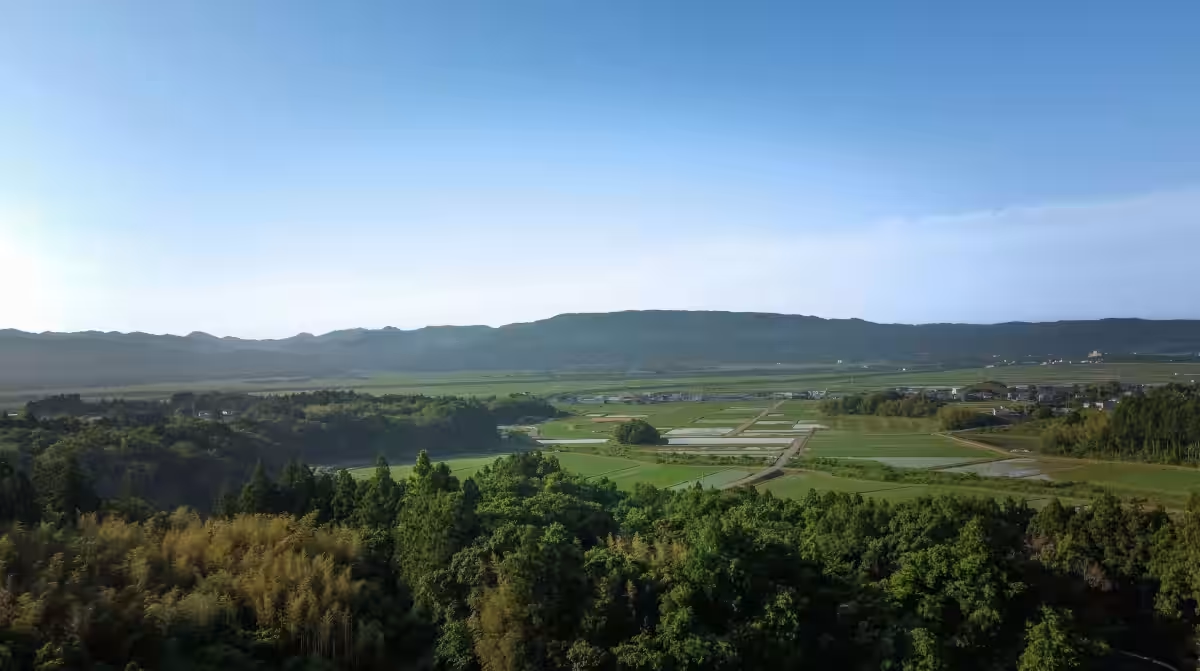
Sado Island has been recognized for its unique blend of nature and culture. As of July 2024, the Sado Gold and Silver Mine will be registered as a UNESCO World Heritage site, further spotlighting its historical significance. The island presents a vibrant ecosystem where native flora and fauna thrive, contributing to the natural and cultural narrative that shapes its community.
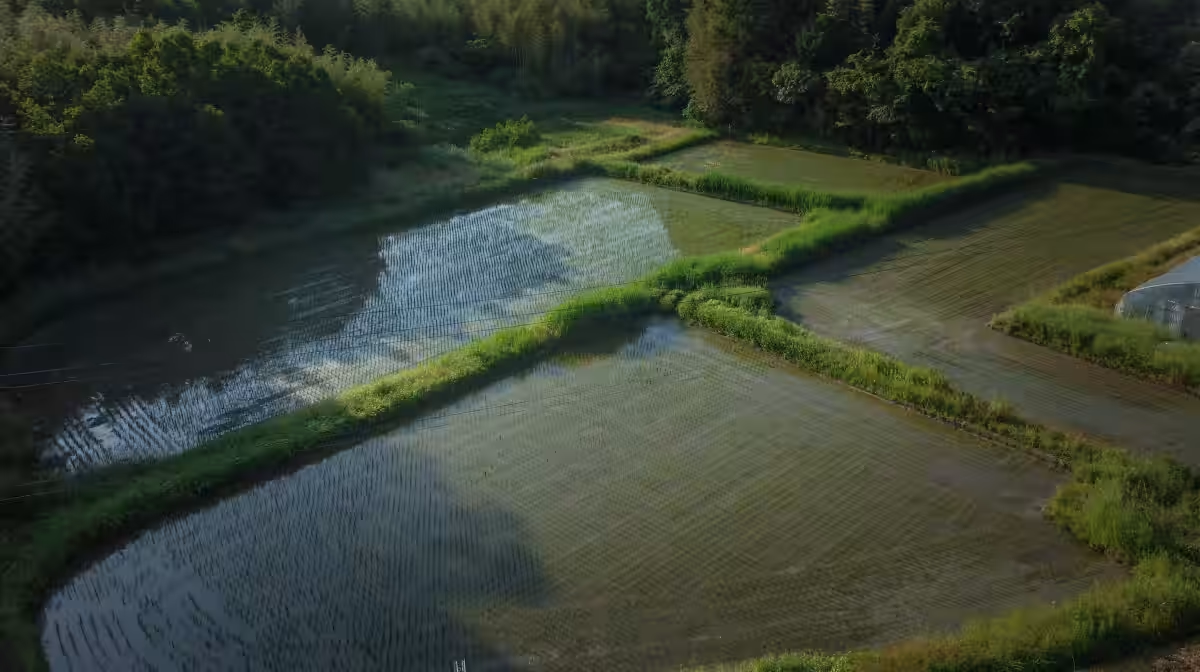
The local environment is not only a haven for biodiversity but also serves as a historical backdrop for the continued practices of herbal medicine. The presence of a vast array of wild edible and medicinal plants marks Sado Island as a significant area for traditional herbal studies, as noted by scholars like Tomitaro Makino. Such practices have long been integrated into the daily lives of the island's residents, highlighting the critical bond between nature and traditional lifestyles.
Revitalizing the Hojo Family Residence
The Hojo Family residence embodies over 350 years of history. With its main house designated as an important cultural asset, plans for its restoration focus specifically on maintaining the storied structures such as granaries and household stores, which are also registered tangible cultural assets. The ongoing deterioration of these buildings points to an urgent need for restorative action, underscoring the collaborative nature of this project.
As the funding through PlanetDAO progresses, local stakeholders will contribute to discussions on how to manage and utilize the estate responsibly while honoring its past. Such a model ensures that any future adaptations remain sensitive to the historical framework laid out by the Hojo family’s long-standing legacy.
Cultural Resonance and the Future
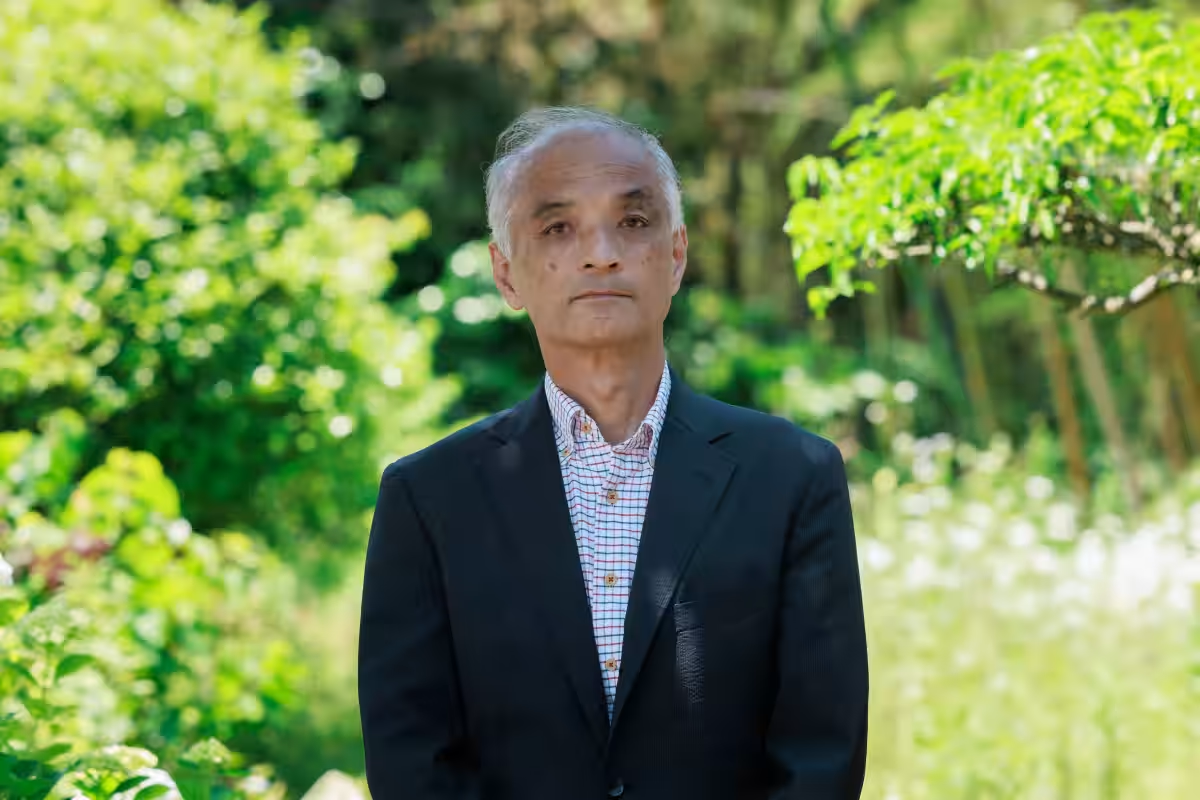
With comments from the 11th heir of the Hojo family, Akira Hojo, it is clear that preserving this residence is more than just a financial investment; it is a commitment to safeguarding the memories and traditions that have flourished there. Each structural feature, from the straw thatched roof to the wooden beams, speaks to the cultural continuities shared by the family and the community over centuries, encapsulating a vital human experience of harmony with nature.
Experts and community members alike view this project not just as an effort to sustain a physical building but as a foundation for nurturing cultural exchange and education. By fostering a space where people can gather, heal, and learn, the hope remains that the Hojo residence will flourish anew as a beacon of wisdom and connection to both nature and heritage.
In conclusion, the PlanetDAO initiative signals a transformative approach to heritage preservation by inviting a broader community to share in the stewardship of Japan's cultural landmarks, empowering them to play an active role in maintaining the connections that define their histories.
Join the Movement
For more details about the PlanetDAO project and investment opportunities, please visit Planet DAO. Together, we can ensure the future of these invaluable cultural testimonials.

Topics Other)
【About Using Articles】
You can freely use the title and article content by linking to the page where the article is posted.
※ Images cannot be used.
【About Links】
Links are free to use.