



Key Insights on Academic Improvement Through Tutoring in Japan
The Impact of Tutoring on Academic Performance in Japan
In an effort to support parents and students amid the ongoing academic pressures, Juku-Sagashi no Madoguchi conducted a nationwide survey to explore how tutoring can influence academic performance. The results highlight critical periods for noticing improvements and the effectiveness of different teaching methods.
As summer approaches, the urgency for many families considering enrolling in tutoring services increases significantly. The back-to-school season often brings forth questions about timing effectiveness, especially for those planning to make last-minute changes in their study strategies. Parents are frequently concerned whether enrolling their children in a tutoring program right before major exams, like entrance examinations, will yield timely results. The latest findings offer fresh insights into this prevalent dilemma.
Key Findings from the Survey
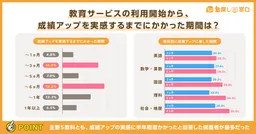
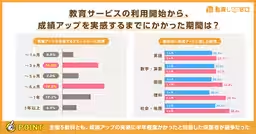
The findings from our research reveal that the majority of students who utilized educational services experienced a marked improvement in their scores within six months. The breakdown of reported timeframes for noticeable improvements is as follows:
- - 0-1 Month: 4.8%
- - 1-3 Months: 16.0%
- - 3-5 Months: 7.0%
- - 5-6 Months: 18.5%
- - 6 Months and Beyond: 43.5% (12.3% after one year and 6.5% after more than one year)
Interestingly, results suggested that if students begin their journey in July, they may only start seeing significant improvements around December or January, closing in on the examination period. This suggests the necessity for parents to plan ahead, ensuring their children begin preparations well in advance of any significant academic milestone.
Subject-Specific Performance Enhancements
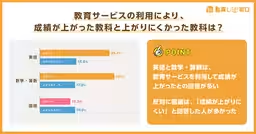
Within diverse subjects, the survey analyzed how students fared in terms of improvement. Notably, subjects such as English and Mathematics exhibited better results in terms of students feeling their performance improved, with 35% and 38% respectively reporting success. Occasionally, however, subjects like Japanese Language Arts presented more challenges, with a higher percentage of students reporting negligible improvement.
| Subject | Improvement Report Rate | Lack of Improvement Rate |
|---|---|---|
| ---- | ----- | ----- |
| English | 35.8% | 18.8% |
| Mathematics | 38.1% | 17.8% |
| Japanese | 15.3% | 19.8% |
While English and Mathematics appear to benefit more readily from tutoring services, Japanese Language Arts clearly showcases room for improvement. With recent trends indicating a shift in examination difficulty, where comprehension and analytical skills are heavily scrutinized, it is crucial to pursue specialized support if struggling in this subject area.
Strategies for Success in Tutoring Services
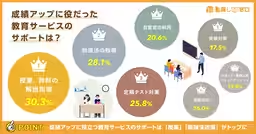
Our survey also delved into the factors within tutoring services contributing most to students’ success. The findings indicated that having a robust curriculum including:
- - Direct Instruction and Subject Clarification (30.3%)
- - Study Method Guidance (28.1%)
- - Test Preparations (25.8%)
Conclusion
As students and parents navigate the complexities of education, the need for informed decisions regarding tutoring is more pressing than ever. With services like Juku-Sagashi no Madoguchi providing extensive resources and direct comparisons of various educational institutions, parents stand a better chance to find the right fit for their child’s needs.
By taking into account the timelines, subject-specific challenges, and the forms of support that have proven to enhance performance, families can better prepare for their academic challenges ahead, ensuring that efforts result in successful outcomes.
For further information and comprehensive tutoring institution listings, visit Juku-Sagashi no Madoguchi.
Topics Other)
【About Using Articles】
You can freely use the title and article content by linking to the page where the article is posted.
※ Images cannot be used.
【About Links】
Links are free to use.