



AI Chatbots and Customer Service: Bridging the Gap Between Automation and Human Interaction
Understanding AI in Customer Service
The rapid integration of artificial intelligence into customer service has become increasingly prevalent, with many companies adopting AI agents to enhance efficiency. A recent survey by Foonz Co., Ltd., aimed at understanding customer concerns about AI in service roles, highlights the challenges and expectations from both businesses and consumers.
Survey Overview
The study sampled 1,013 individuals across Japan, focusing on customer service and contact center managers in consumer-facing companies. The goal was to assess the anxiety surrounding AI agents in customer interactions and to identify when customers prefer to switch from AI to human assistance.
Awareness and Understanding of AI Agents
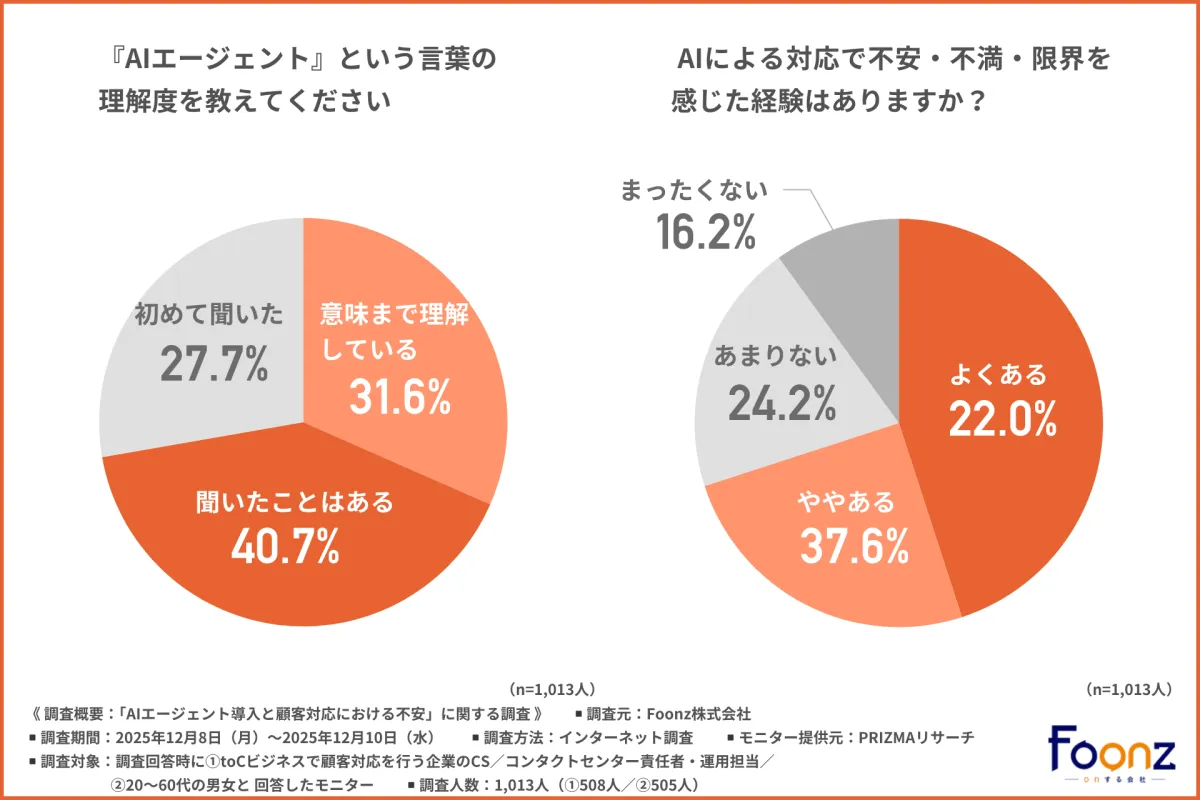
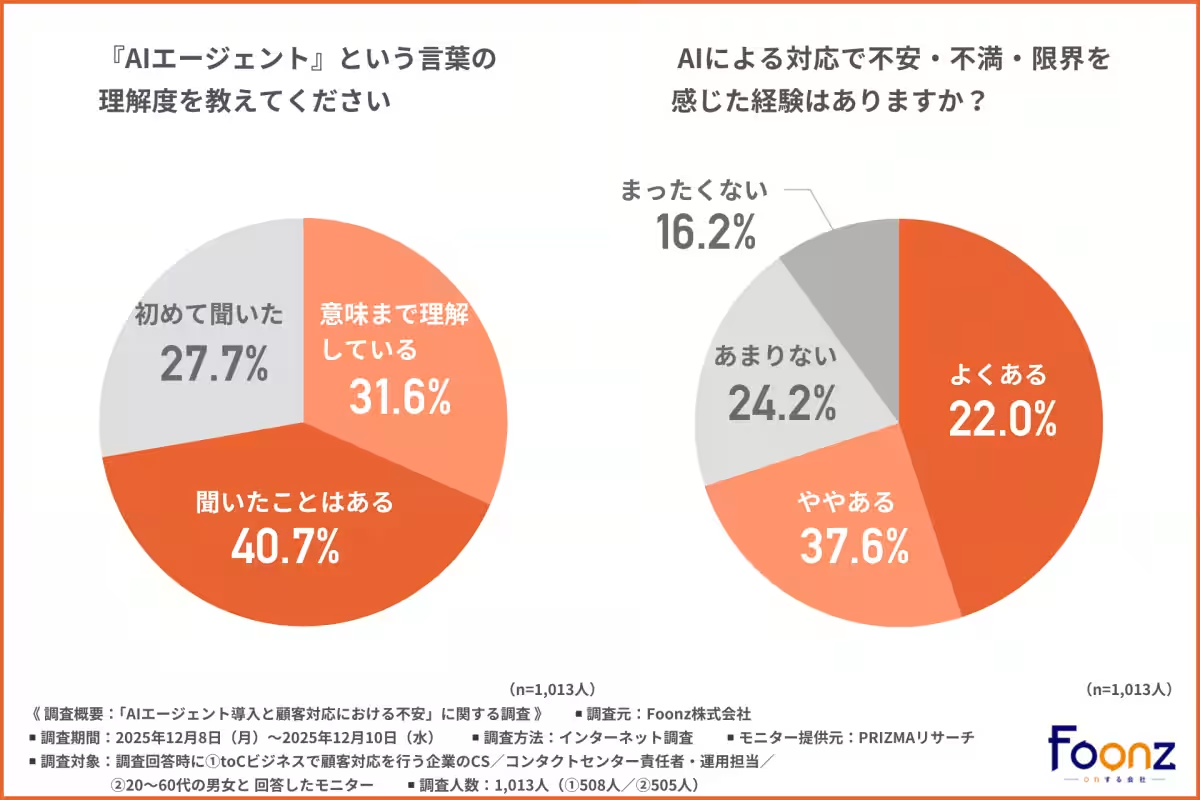
The survey revealed intriguing insights regarding the familiarity and comprehension of the term AI agent. Although a substantial portion of respondents had heard of the term—31.6% fully understood its implications while 40.7% had just heard about it—the depth of understanding remains shallow. This suggests that while AI technologies are evolving rapidly and gaining visibility, comprehending their mechanics and applications is complex for many.
A significant takeaway from the findings is that an estimated 60% of consumers express uncertainty and dissatisfaction towards AI-driven interactions. This points to a critical gap in user experience, emphasizing that while AI can enhance speed and accuracy, emotional empathy and complex decision-making are still primarily human domains.
Critical Moments for Human Intervention
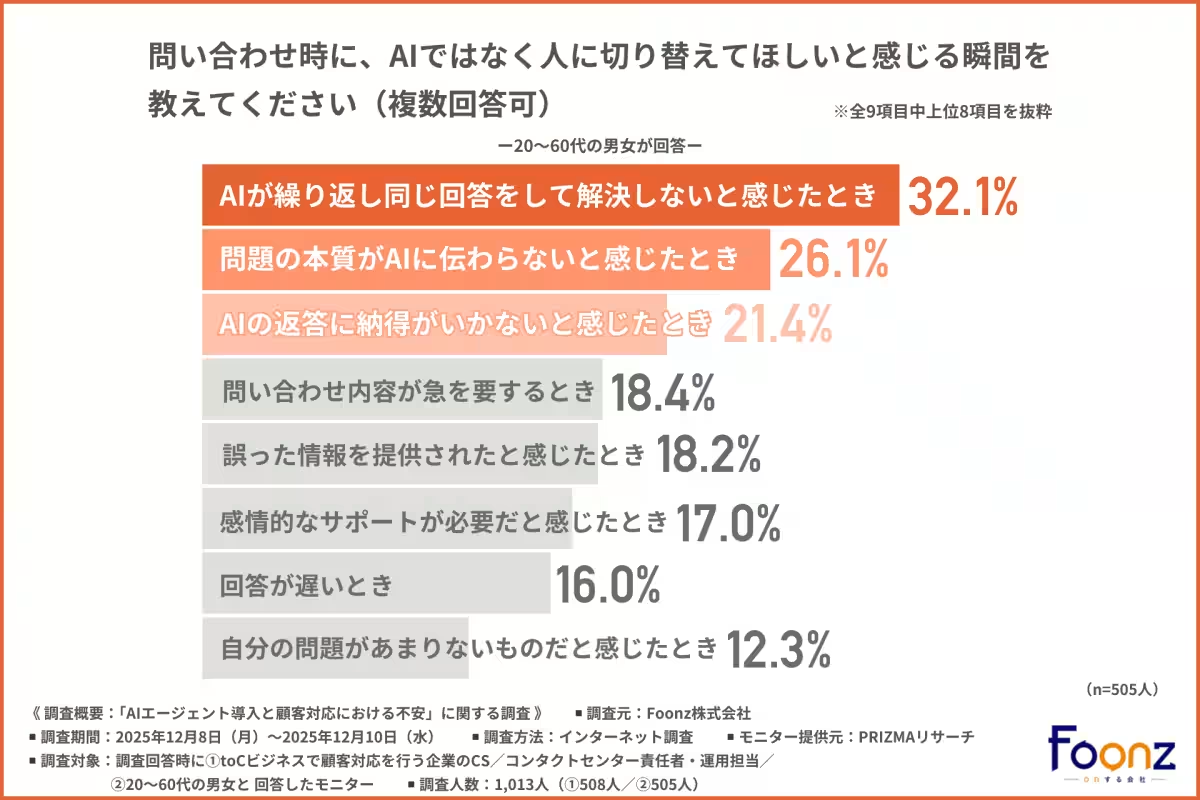
The survey identified key moments when individuals prefer human support over AI. The leading instance occurred when respondents felt that AI provided repetitive or non-unique solutions—32.1% of participants expressed a desire for human interaction under such conditions. Other notable triggers included the belief that the AI could not understand the essence of their problem (26.1%) and dissatisfaction with AI responses (21.4%). These insights underline the limitations of AI, particularly in scenarios requiring nuanced judgments and emotional sensitivity.
AI's Role in Corporate Strategy
Interestingly, around 90% of the businesses surveyed have incorporated AI into their customer service operations. The majority of implementations are partial—60% of companies reported utilizing AI in some facets of customer interaction. This suggests that while AI is common, companies are still navigating the balance between efficiency and maintaining customer satisfaction.
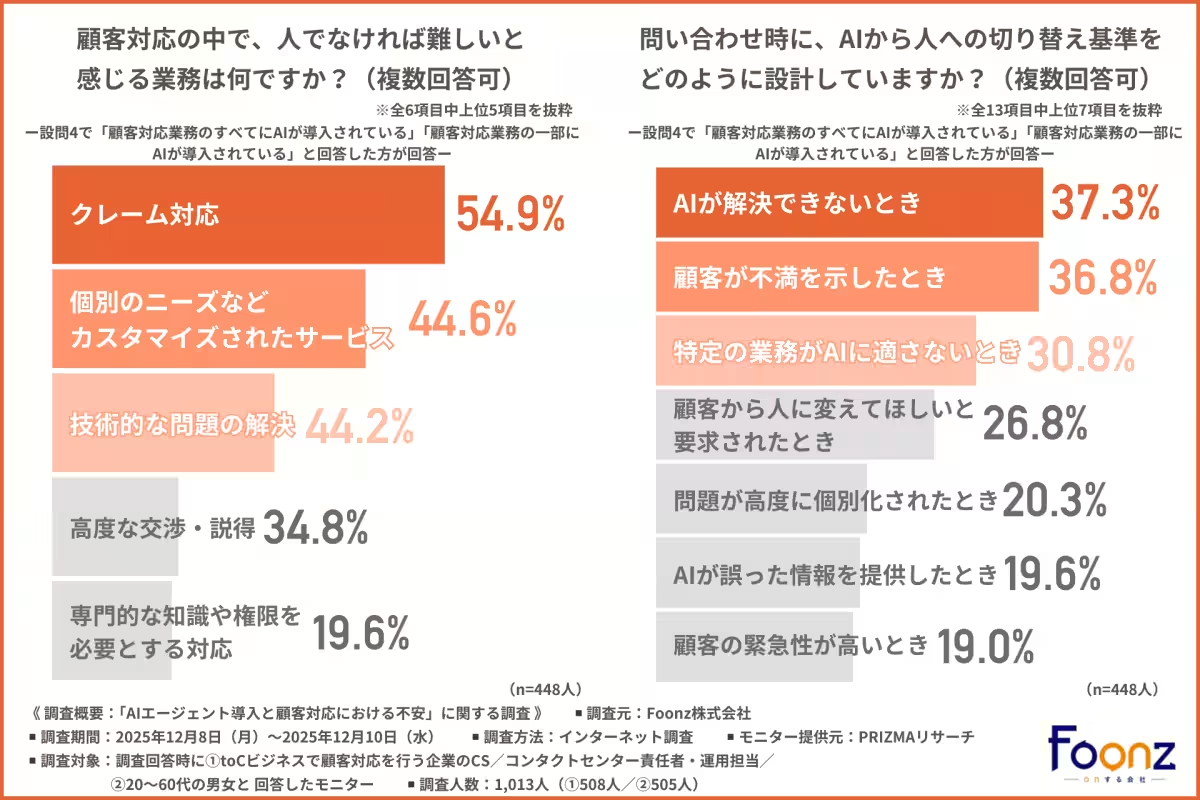
Most businesses express immediate interest in automating FAQ responses, simple product inquiries, and order confirmations—tasks that are straightforward and easily standardized. In contrast, tasks requiring personalized service or emotional intelligence, such as complaint resolution, continue to be challenging for AI. Over half of the companies surveyed (54.9%) identified complaint handling as a task best suited for human representatives, reflecting the nuanced understanding and empathy required in emotionally charged situations.
Designing Effective Transition Mechanisms
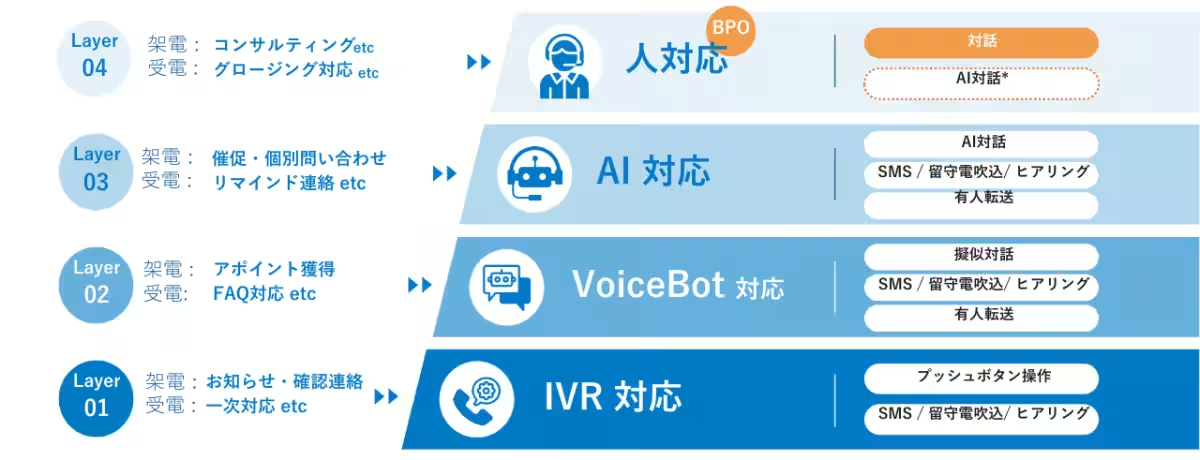
As AI struggles to fulfill certain roles, businesses must carefully design systems that enable seamless transitions from AI to human agents. Approximately 37.3% of companies rely on AI when a solution is unattainable, and 36.8% indicated a shift occurs when a customer expresses dissatisfaction. Defining explicit criteria for such transitions is essential to ensure customer trust and satisfaction.
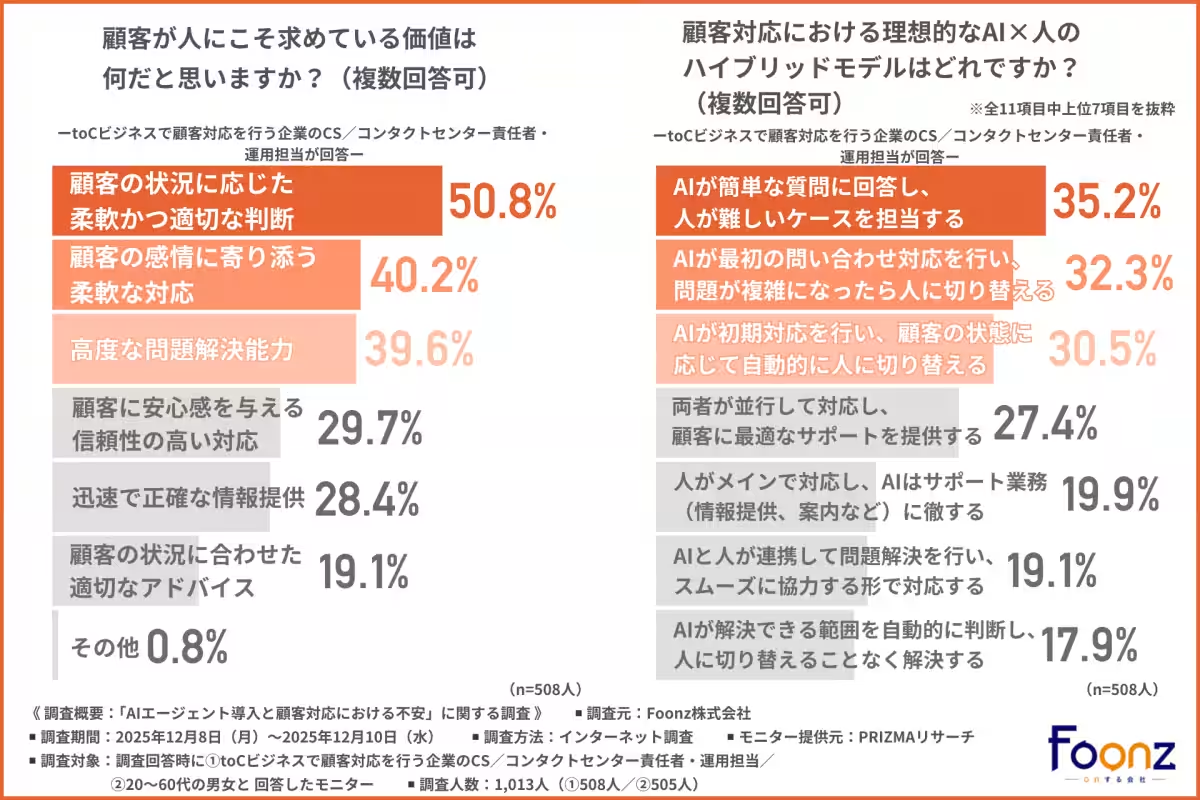
Moreover, survey participants highlighted the core values they seek from human interactions, including:
- - Flexible, context-sensitive judgments (50.8%)
- - Empathetic responses to emotions (40.2%)
- - Advanced problem-solving capabilities (39.6%)
These findings indicate that customers are not merely looking for answers but for a supportive experience that builds trust and satisfaction.
The Ideal Hybrid Model
Many companies envision an effective hybrid model where AI handles straightforward inquiries while humans manage complex issues. More than one-third of respondents (35.2%) prefer this structure, signaling a collective desire for practical integration of AI with human empathy in customer service. AI must ensure rapid response times for easy queries, while humans take the necessary time to provide compassionate and personalized assistance.
Future Directions
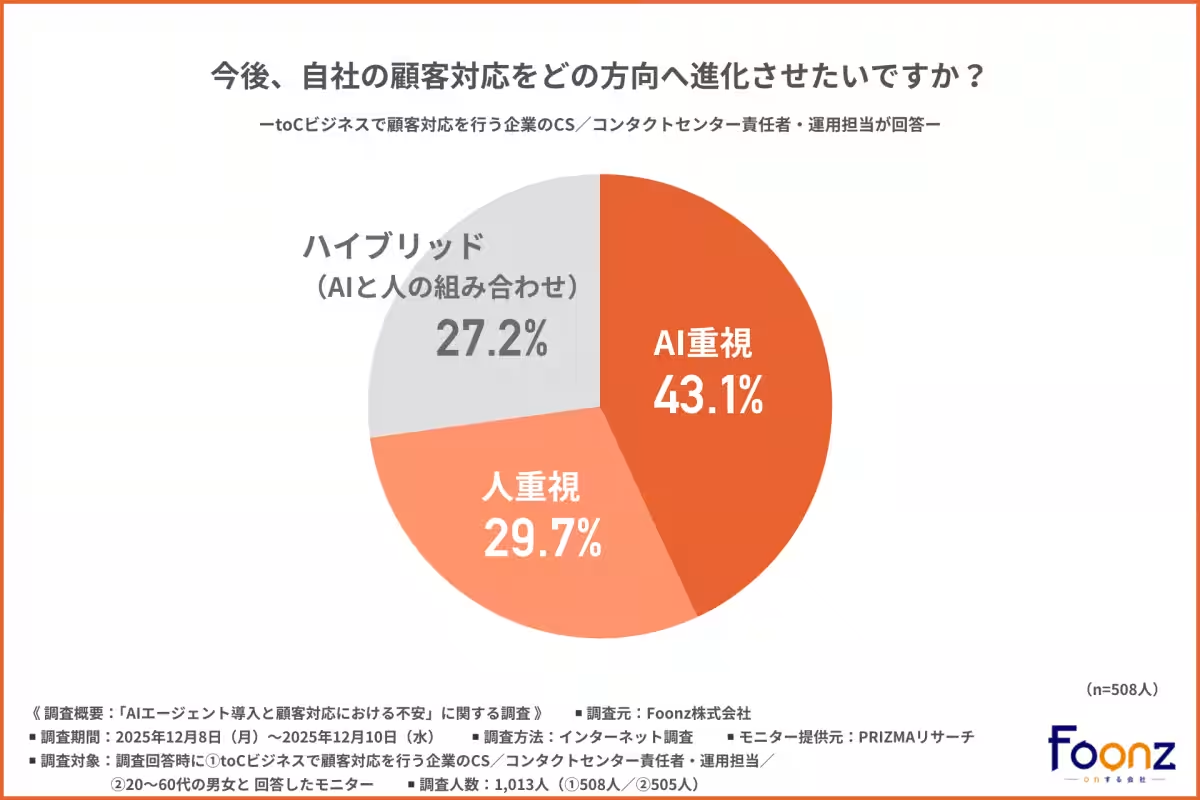
Looking ahead, a plurality of companies (43.1%) expressed a preference for an AI-centric approach in their customer service evolution, recognizing the potential for efficiency and quicker response times. However, a significant portion remains committed to human-centered approaches (29.7%) or a hybrid model (27.2%), indicating that full automation is not the desired end goal.
In conclusion, while the trend is moving towards greater reliance on AI, companies must acknowledge the critical role humans play in delivering exceptional customer experiences. Striking the right balance between automation and person-to-person interaction is vital for fostering customer satisfaction and loyalty. As businesses navigate this transformation, they will need to develop strategies that harness the strengths of both AI and human capabilities to enhance their customer service offerings.









Topics Consumer Products & Retail)
【About Using Articles】
You can freely use the title and article content by linking to the page where the article is posted.
※ Images cannot be used.
【About Links】
Links are free to use.