



Understanding the Differences in Real Estate DX Between Japan and the U.S.
Facilo's New Research on Real Estate DX
Facilo, headquartered in Minato, Tokyo, has released its fourth research report from the Facilo Real Estate DX Institute, focusing on the differences in real estate brokerage structures and the promotion of digital transformation (DX) in Japan and the United States. This report highlights the insights based on an academic paper authored by Facilo's CEO, Hiroshi Ichikawa, and discusses the future outlook for Japan's real estate market.
In this research, Facilo is committed to providing continuous analyses and results that contribute to advancing DX in the real estate industry and enhancing customer experiences, thereby supporting the revitalization of real estate transactions.
Key Findings of the Research
1. Changing Environment of the U.S. Real Estate Industry
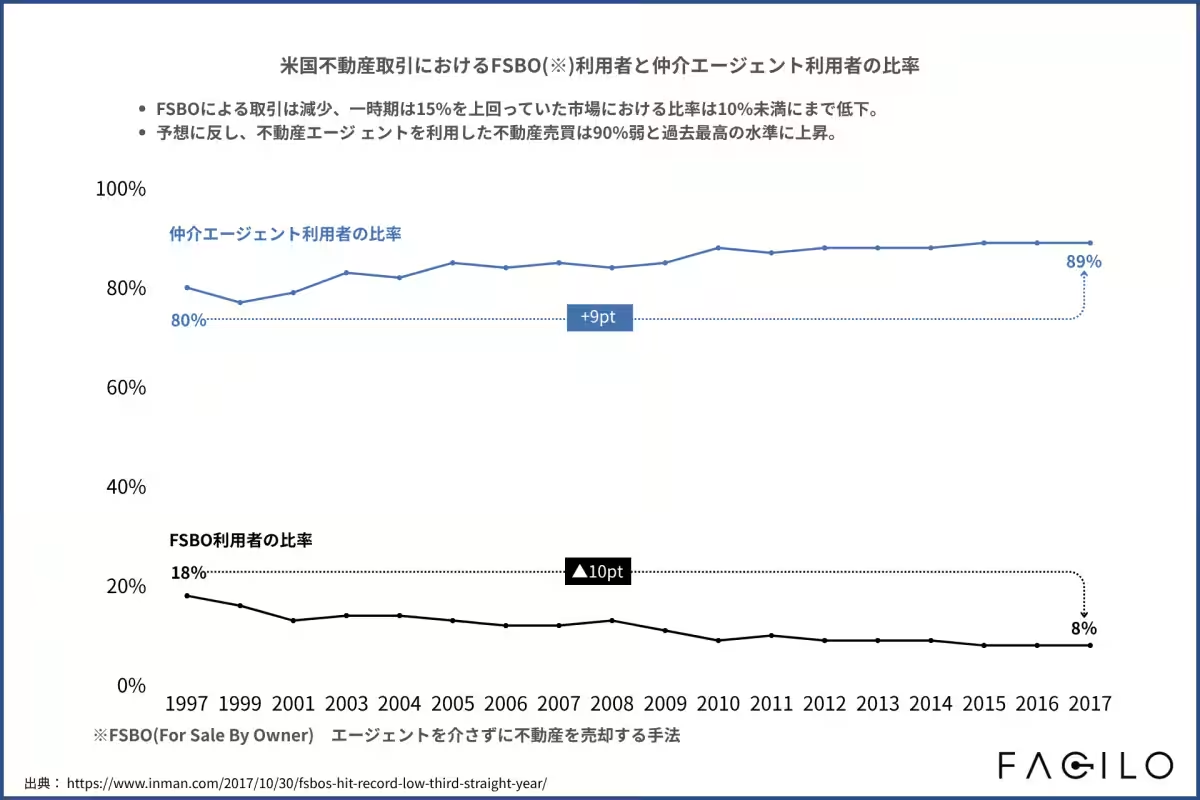
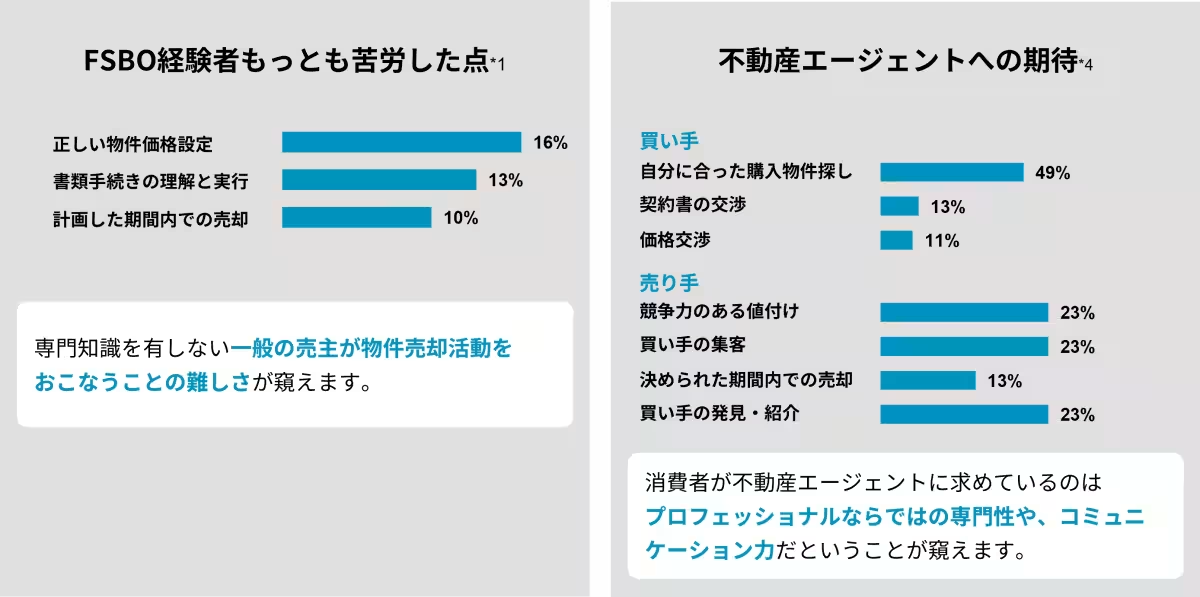
As online property listings become more common, concerns over ‘disintermediation’ and falling brokerage fees have risen. However, the utilization of real estate agents has actually reached an all-time high, revealing that, although clients are more informed, the value provided by agents remains significant.
The reasons include not only the professional expertise and communication skills of agents but also their focus on delivering a satisfactory customer experience.
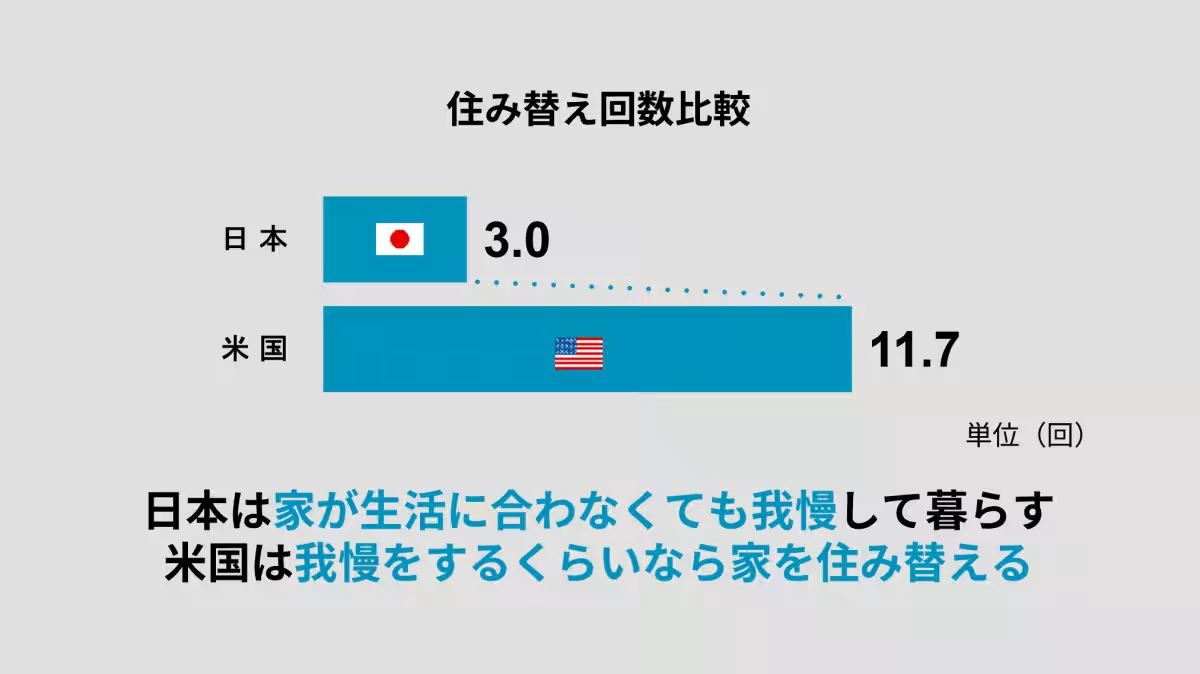
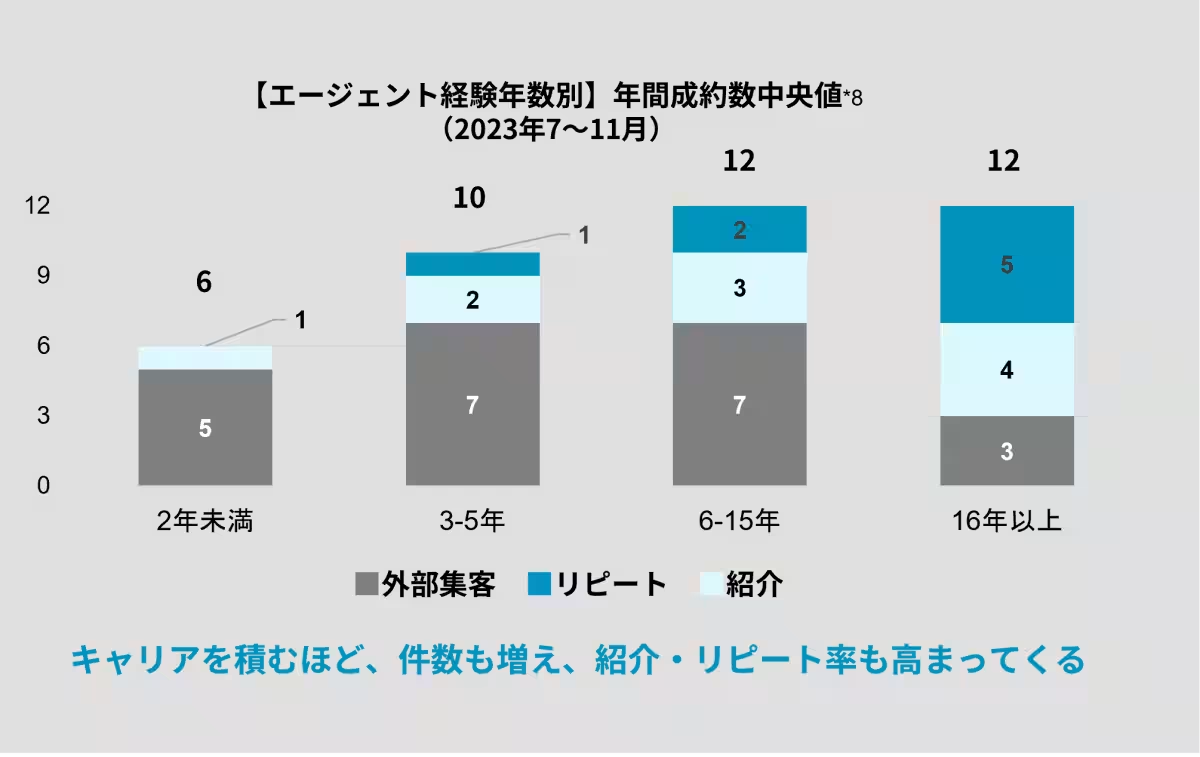
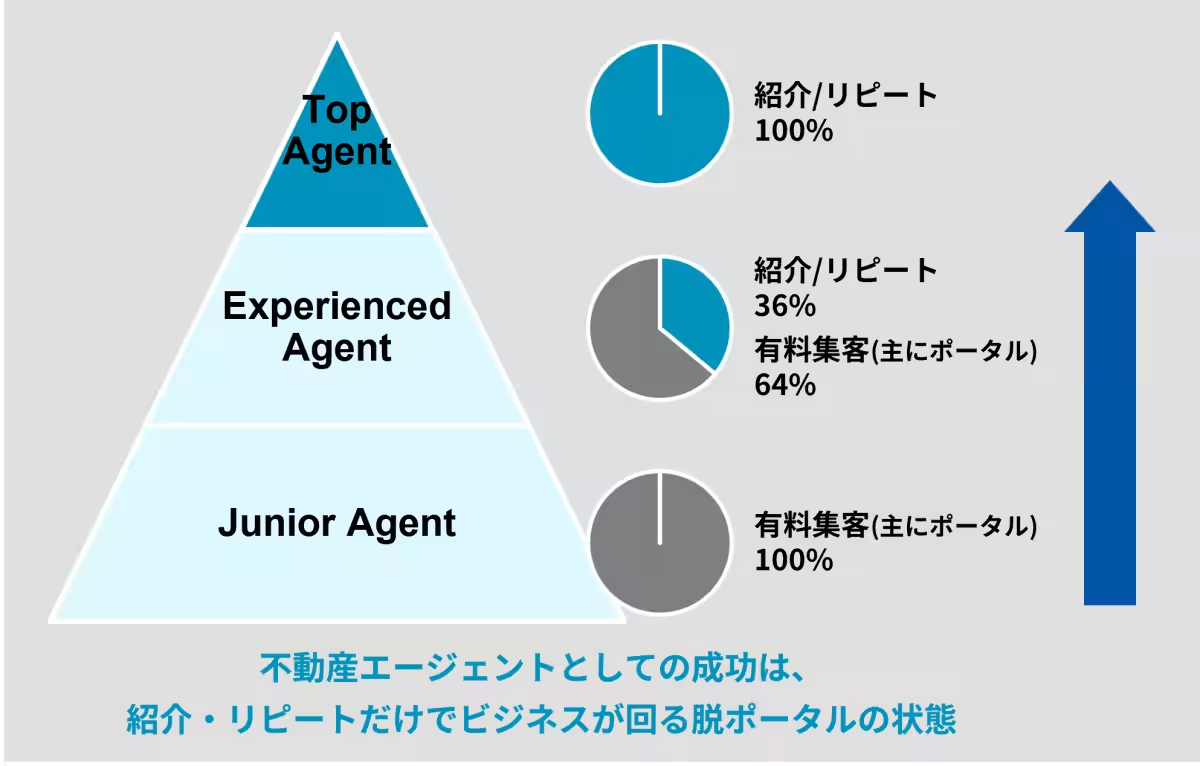
In the U.S., frequent home turnover means that repeat business and referrals are key drivers for success, with over one-third of transactions stemming from customer referrals, which closely ties customer satisfaction to an agent’s career growth.
2. Divergence in Real Estate DX Evolution Between Japan and the U.S.
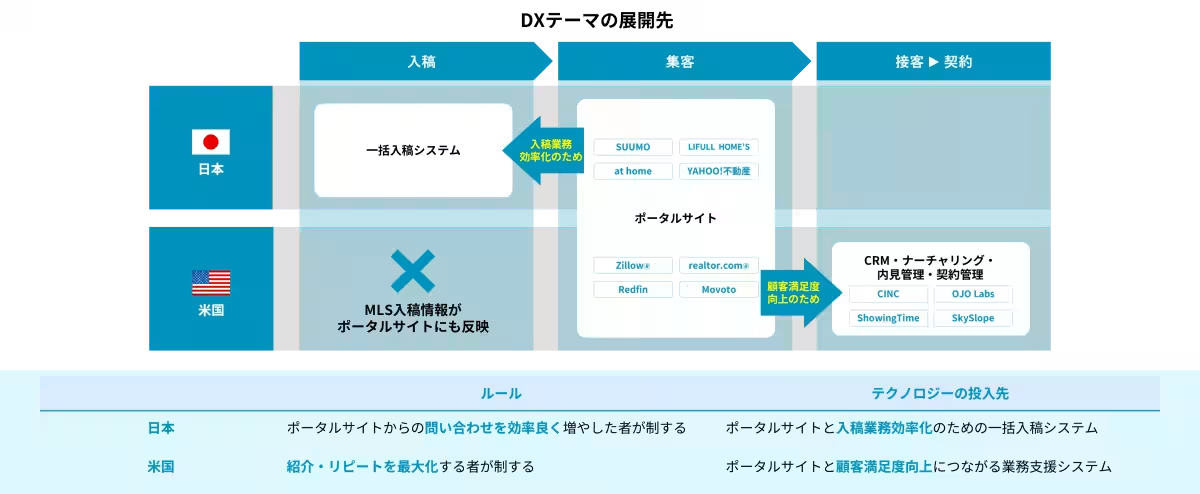
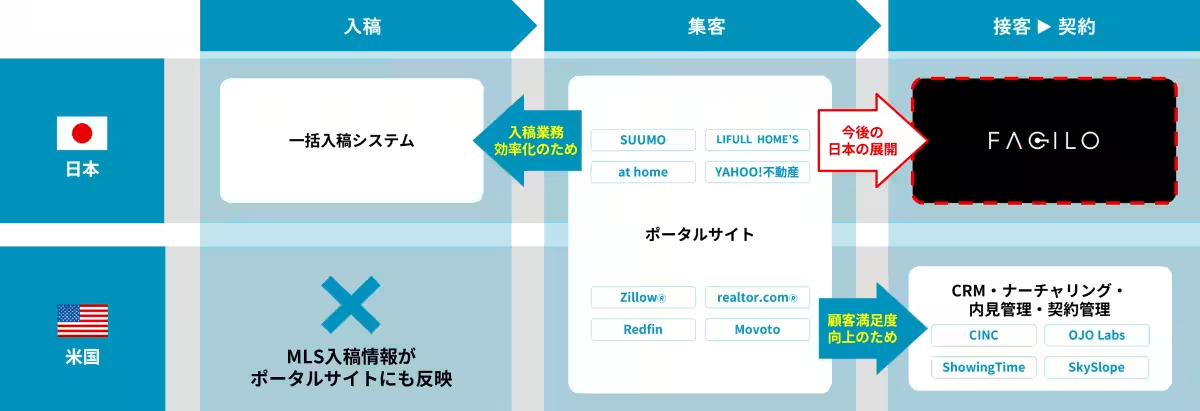
DX in real estate brokerage reflects characteristics particular to each country. In Japan, a bulk submission system for property listings on portal sites has become widespread, focusing mainly on improving workflow efficiencies for agents. Conversely, in the U.S., the integration of MLS (Multiple Listing Service) with portal sites results in reduced listing burdens, leading to advancements in the latter stages of the transaction process, such as customer interaction and contract management.
Business support systems that enhance customer experiences are deeply embedded across the industry in the U.S.
3. Future Outlook for Real Estate DX in Japan
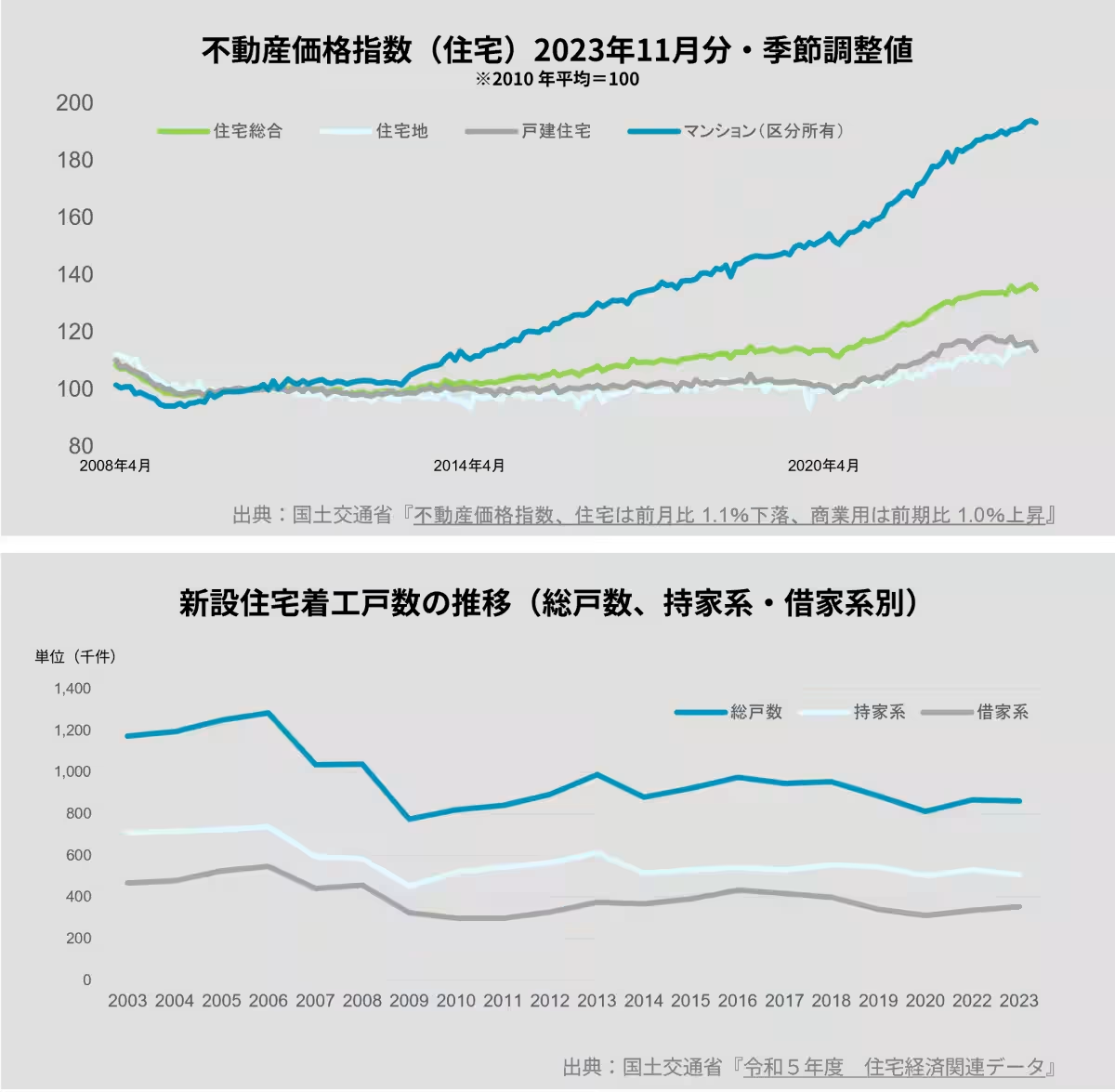
The prevailing belief that “the value of used properties decreases in Japan” is undergoing change, as data indicates a rising trend in used home prices. This suggests the possibility of revitalizing the second-hand housing market and increasing demands for trade-ups in the near future.
If Japanese real estate agents can successfully leverage technology to enhance customer service and quality, it is probable that, like in the U.S., repeat customers and referrals could stimulate business.
Conclusion
The research clearly showcases that the evolution of DX in real estate brokerage is shaped by national characteristics. Rather than merely imitating U.S. practices, Japan's real estate DX may evolve into a model that prioritizes customer experiences while addressing the challenge of invigorating the market for second-hand homes. Moving forward, Facilo will continue its efforts to foster ideal transactional environments for both sellers and real estate agencies, enhancing customer experience in real estate sales.
For further details or to download the report, visit: Facilo Report Download.
Topics Consumer Products & Retail)
【About Using Articles】
You can freely use the title and article content by linking to the page where the article is posted.
※ Images cannot be used.
【About Links】
Links are free to use.