



Understanding the Importance of Early Warning Management in Financial Institutions
The Crucial Role of Early Warning Management in Finance
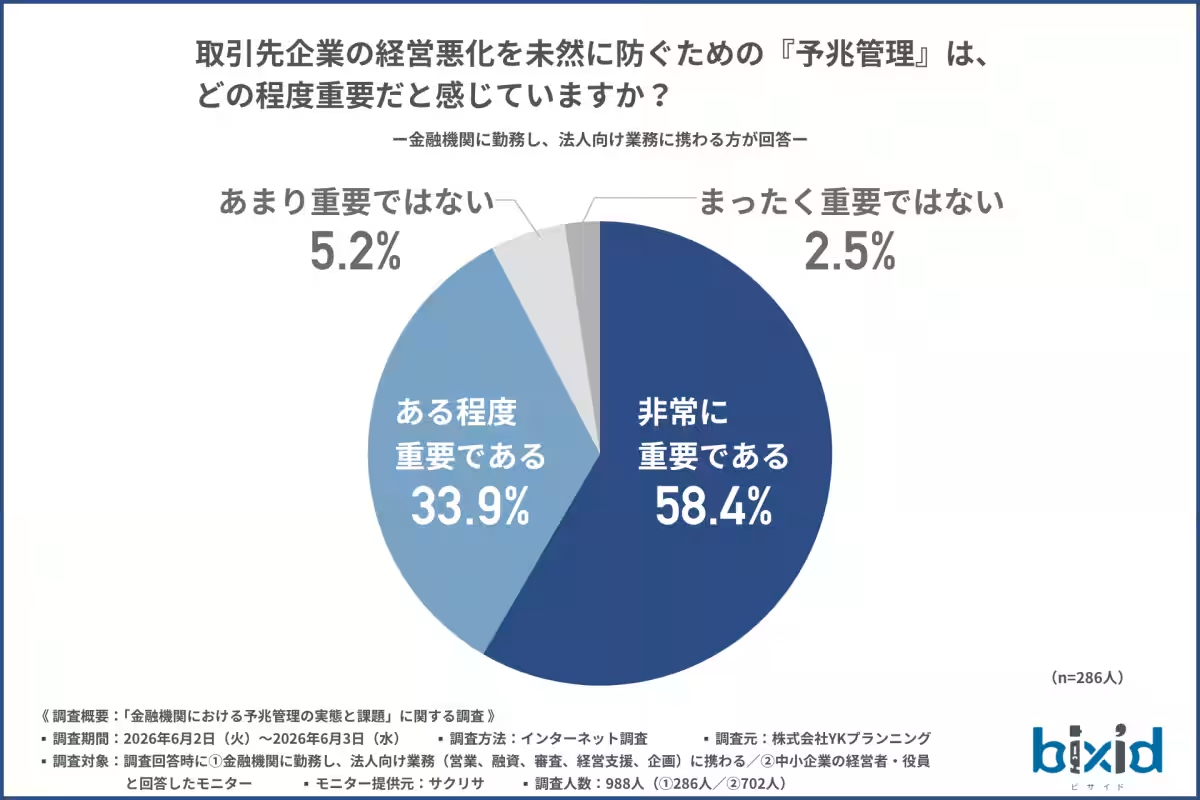
In the face of rising costs and labor shortages, effective early warning management is essential for financial institutions to detect signs of deteriorating business conditions among SMEs (Small and Medium Enterprises). Approximately 90% of financial institutions recognize the importance of this management technique; however, the execution can vary significantly between urban and regional banks.
The Role of Financial Data and Communication
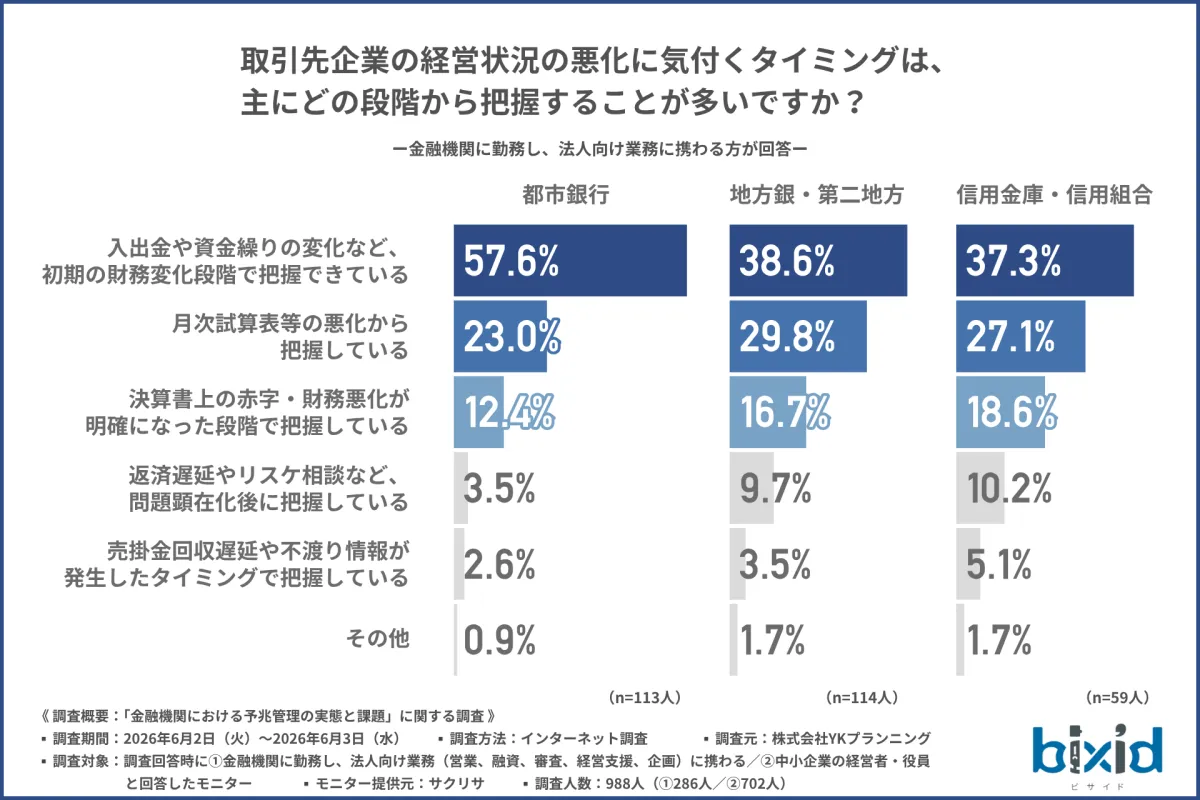
A recent survey conducted by YK Planning among financial professionals involved with corporate clients revealed that the initial detection of a company's financial distress often stems from monitoring early financial changes such as cash flow variations and transaction patterns. In particular, urban banks, which have sophisticated monitoring systems and practices, have shown a higher efficacy in early detection—more than half reported being aware of financial issues at this stage. Conversely, many institutions only recognize problems after they appear in monthly financial statements, illustrating a reactive rather than proactive approach to financial risk management.
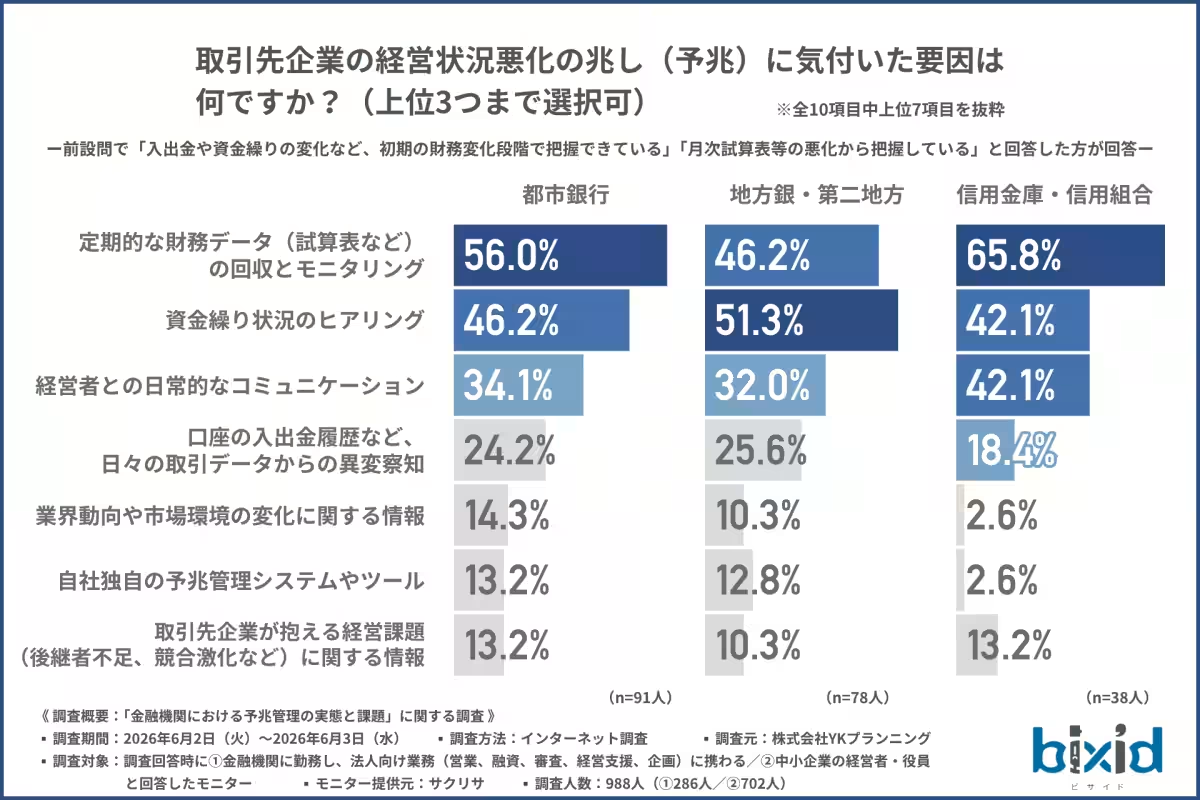
The survey indicated that the key factors influencing the awareness of financial distress included: financial data accuracy, cash flow interviews, and direct communication with business owners. While nearly 90% of respondents affirmed the high importance of proactive warning management, the real challenge lies in the actual implementation.
Addressing Challenges in Implementation
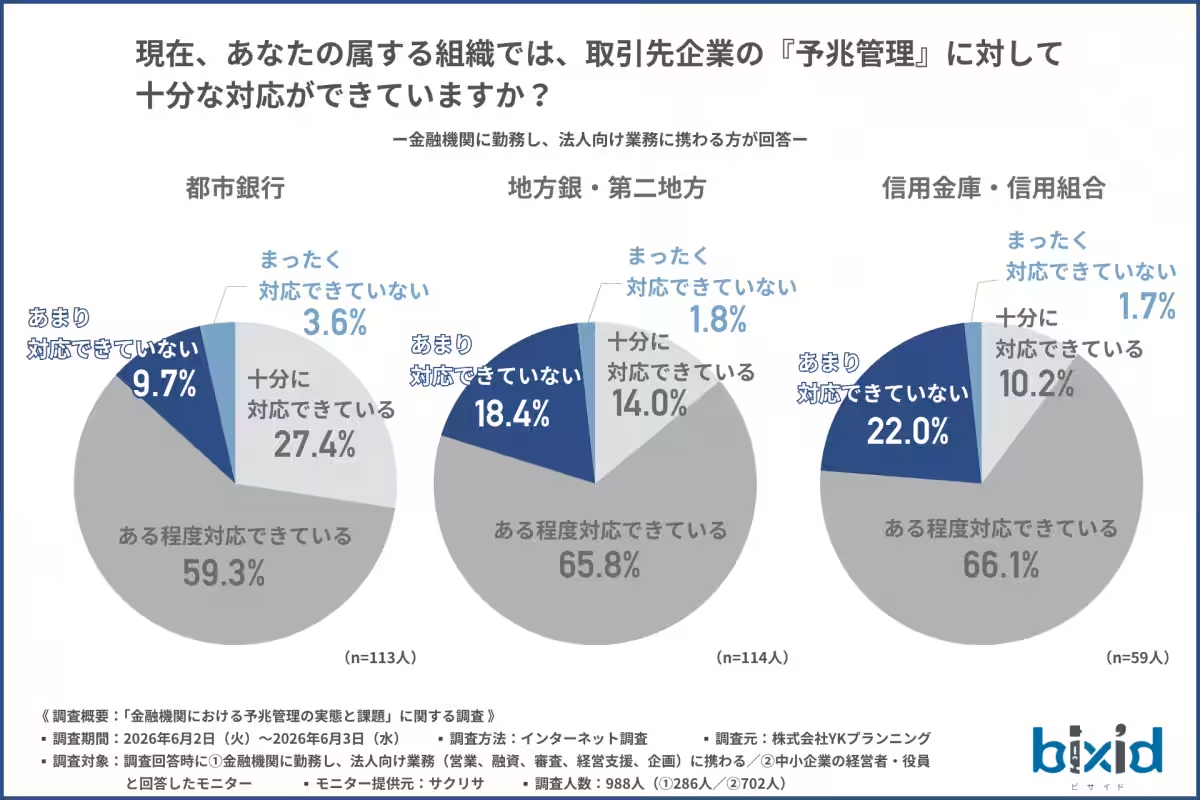
Despite the recognition of its necessity, the survey results highlighted that a mere fraction of organizations feel equipped to adequately handle early warning management. Urban banks reported a stronger capacity to respond effectively compared to their regional counterparts, where less than 20% believe they manage anticipated warnings sufficiently.
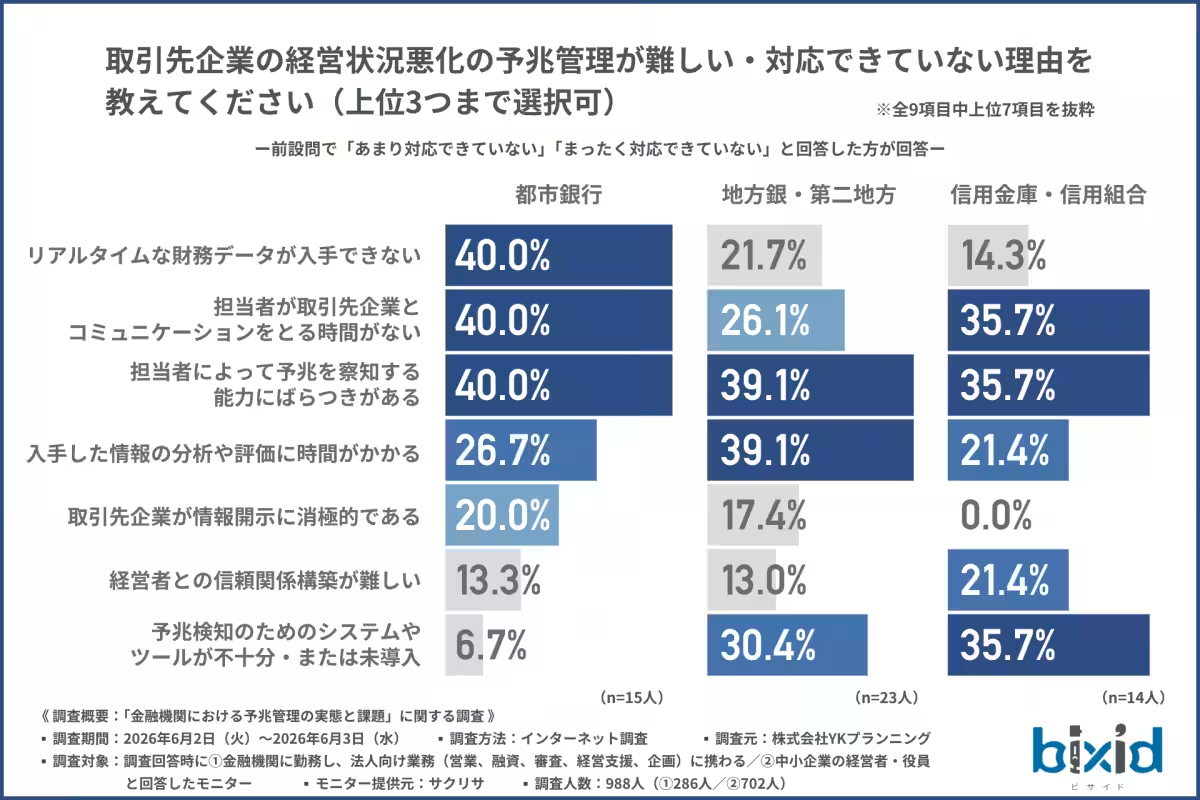
Barriers to effective early warning management include inconsistencies in personal capability and the lack of dedicated time for effective communication. Participants mentioned that the identification of warning signs often depends on individual experiences, which leads to variability in effectiveness across different analysts and regions.
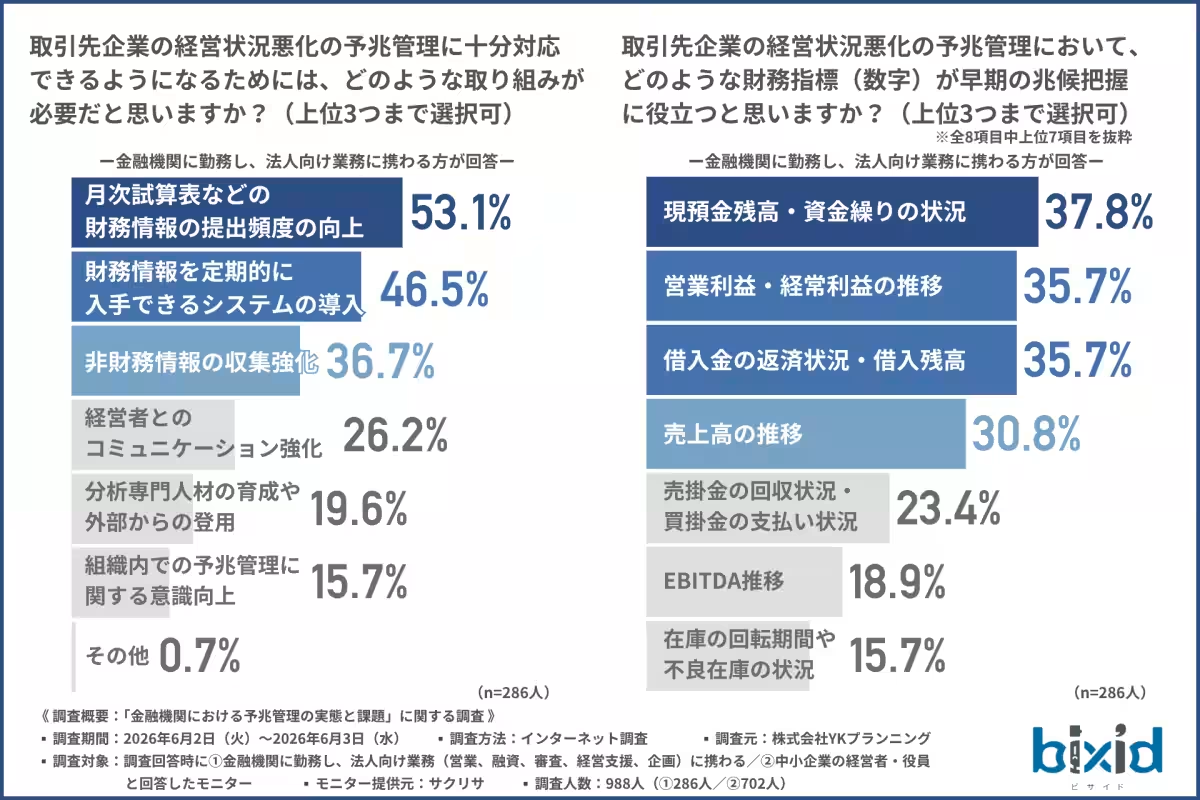
To enhance early warning management, solutions proposed by respondents emphasized increasing the frequency of financial reporting and adopting systems that facilitate regular data acquisition. Another suggestion was improving the collection of qualitative data, such as industry trends and the characteristics of business owners themselves.
The Disparity in Contact Frequency with SMEs
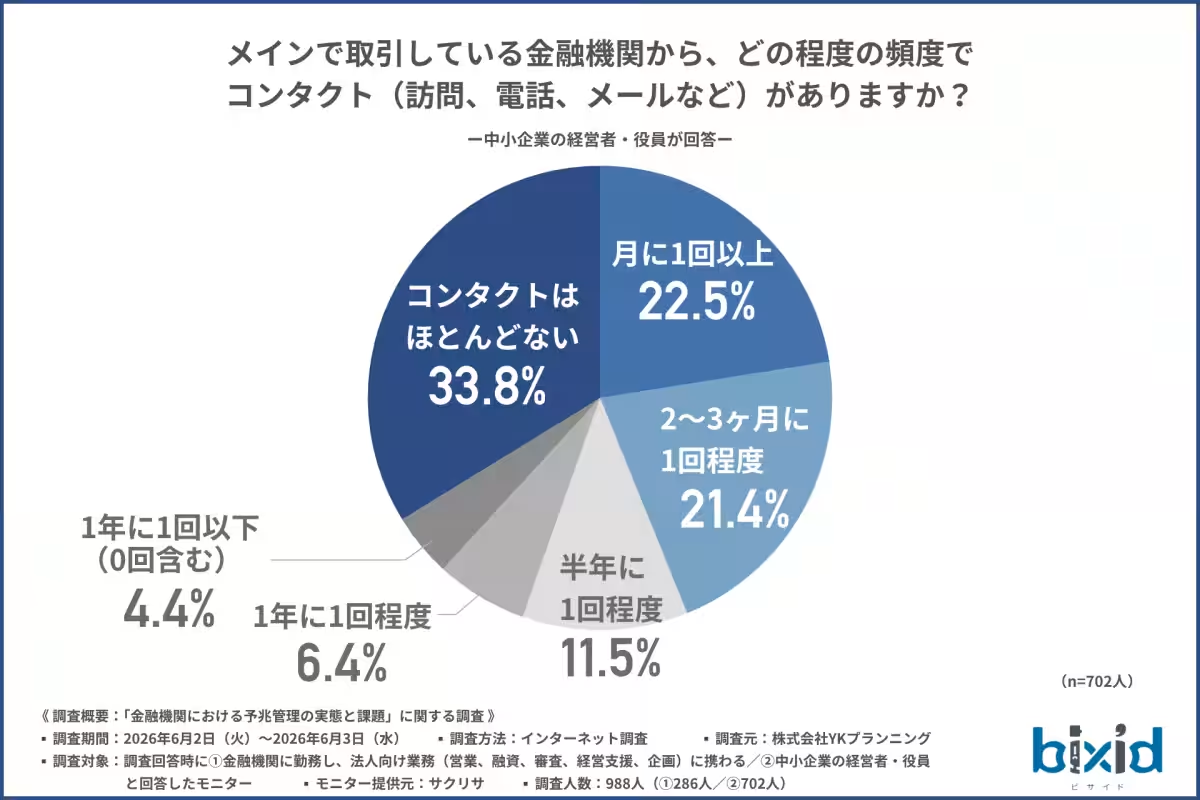
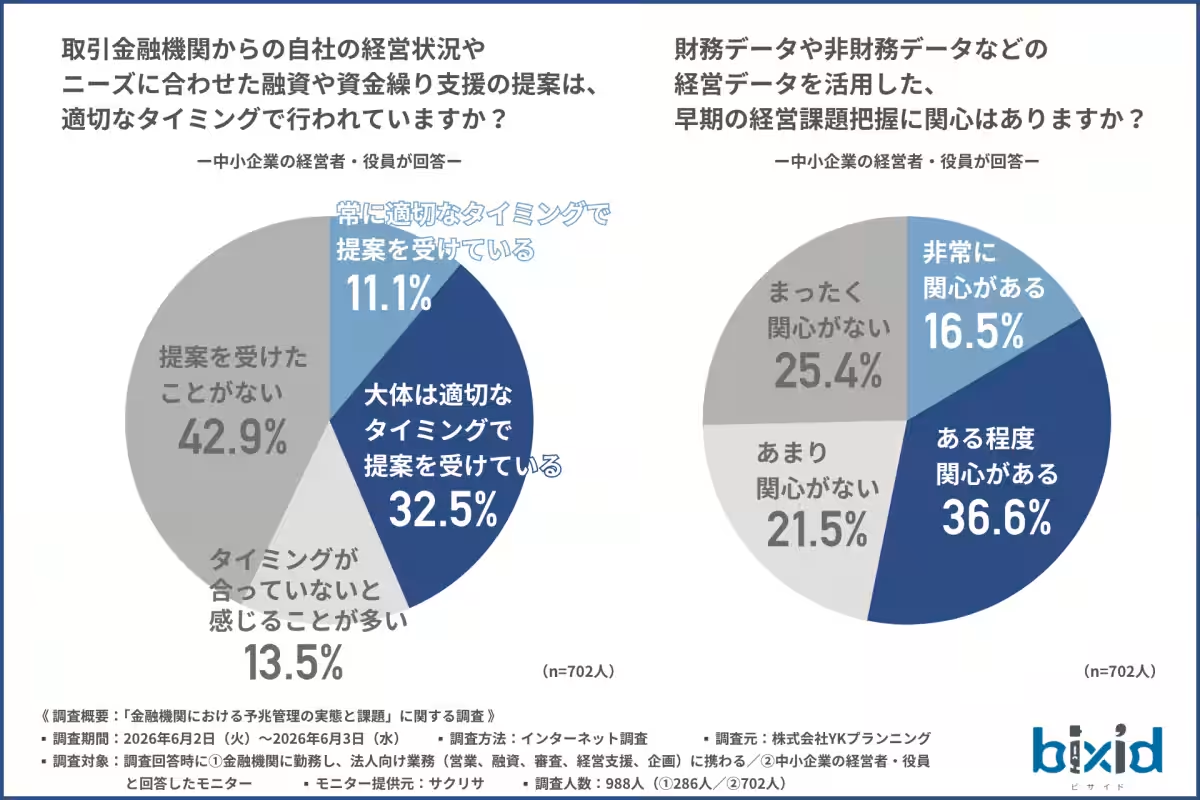
Moving the focus toward the SMEs themselves, it is evident that the frequency of communication from financial institutions is inconsistent. While some corporations reported regular contact with their banks, a notable percentage—over one-third—indicated minimal or no contact at all, highlighting a stark difference between the perceived importance of early warning systems and the actual delivery of services that help SMEs thrive. Only around 40% of SME respondents felt they received suitable financial advice at the right time.
This gap showcases the need for financial institutions to better understand not only the firms they support but also to create systems that allow for sustainable, two-way dialogue. When business owners express a willingness to utilize financial data to improve their management practices, banks must leverage digital platforms to facilitate timely access and transparency of such information.
Collaboration Through Digital Platforms
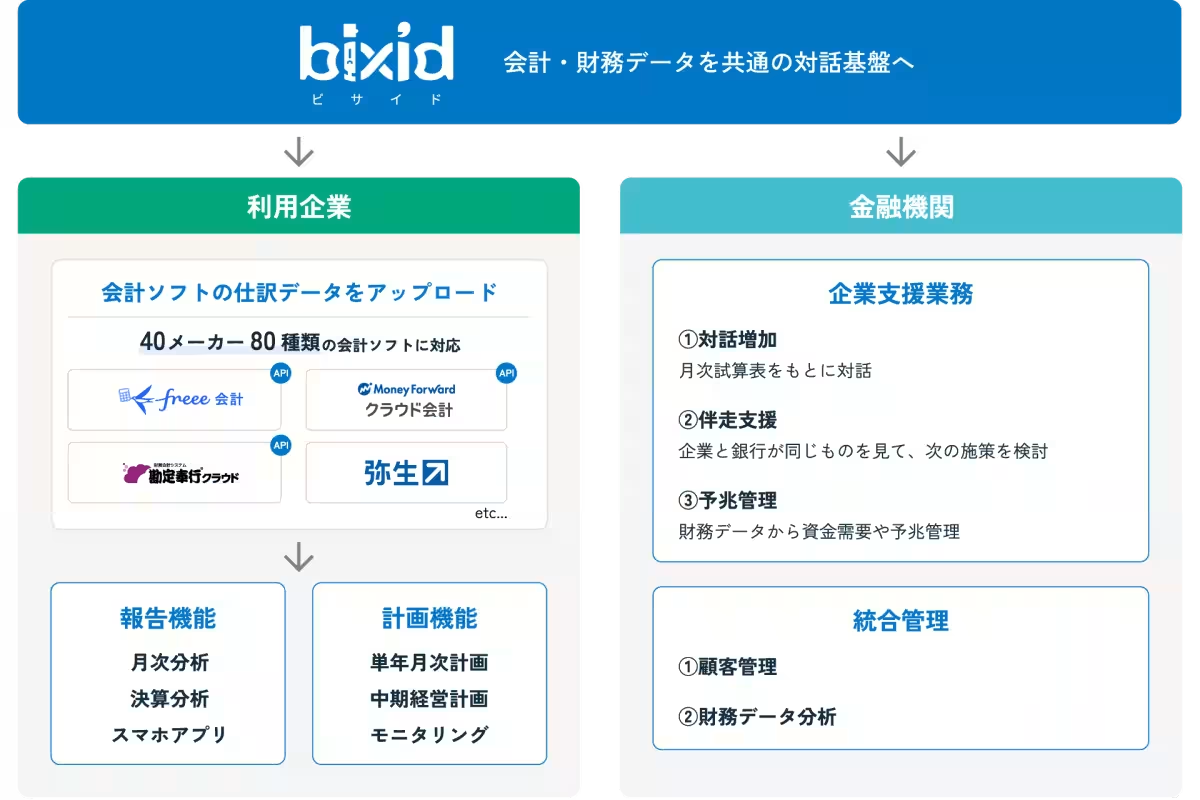
YK Planning has introduced a platform, "bixid for BANK," aiming to bridge the divide between financial institutions and SMEs. The platform enables access to financial data, thereby allowing banks to monitor early warning signs while extending support. This integrated approach is designed to bolster the relationship between banks and their SME clients, ensuring that assistance is timely and relevant.
In conclusion, effective early warning management relies not only on the institutions’ analytical capabilities but also on the establishment of robust communication networks that support SMEs. As both sides work toward a shared understanding and visibility of financial health metrics, early warning systems can transform into proactive measures that safeguard regional economies and preserve jobs.

Topics Financial Services & Investing)
【About Using Articles】
You can freely use the title and article content by linking to the page where the article is posted.
※ Images cannot be used.
【About Links】
Links are free to use.