



Challenges in IVR Systems: User Drop-Off Tops the List as Major Concern
Understanding the Challenges of IVR Systems
In a recent study conducted by Foonz, a company based in Yokohama, Japan, the challenges faced by businesses implementing Interactive Voice Response (IVR) systems have come to light, with user drop-off being a significant concern. As companies strive to enhance their customer support operations, IVR systems are increasingly adopted for their potential to improve efficiency. However, alongside these benefits, the study reveals that user dissatisfaction and abandonment rates pose serious hurdles for organizations looking to refine their customer experience.
Survey Overview
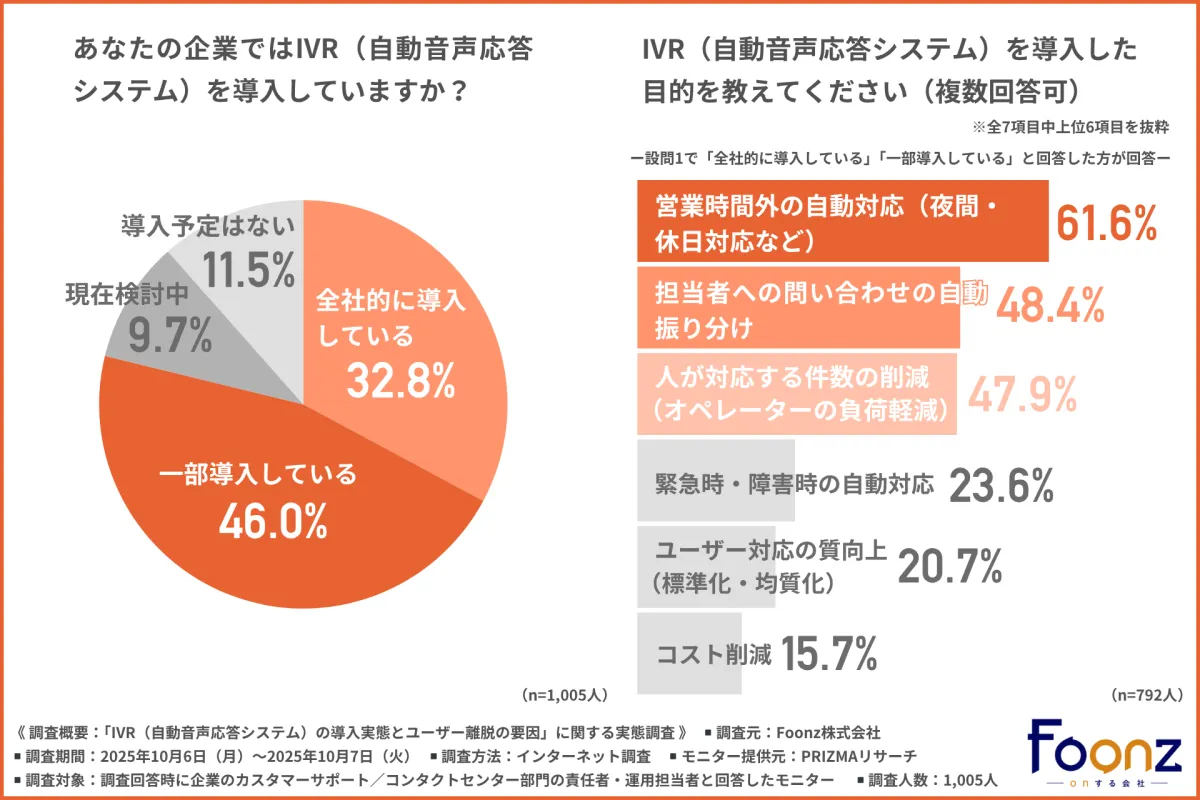
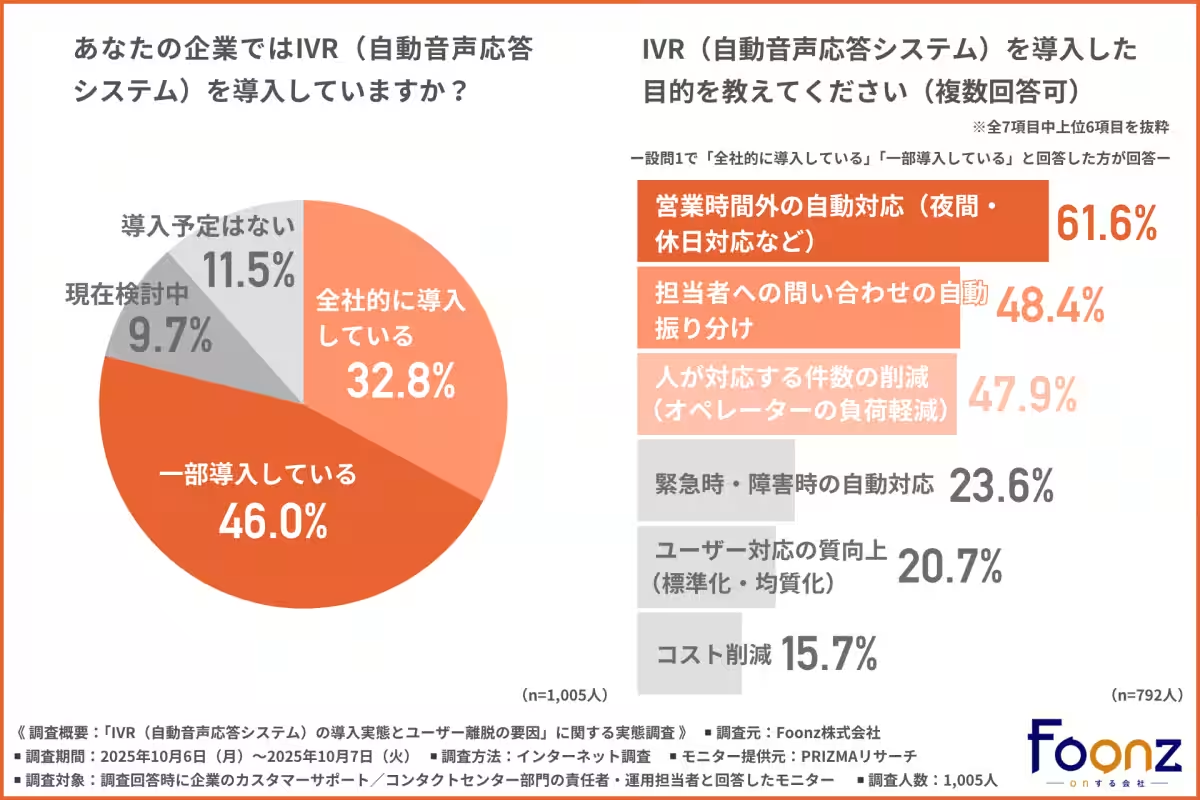
Foonz's survey targeted decision-makers in customer support and contact center operations during a two-day research period. A total of 1,005 respondents participated in this Internet-based survey, which aimed to identify the current landscape of IVR system deployment and the factors contributing to user drop-off. The findings highlight that nearly 80% of companies have implemented IVR in some form, aiming primarily for more efficient customer interactions, especially during off-hours.
Deployment Status and Objectives
The survey indicates that around 80% of companies have integrated IVR into their operations, with 32.8% adopting it company-wide and 46.0% in specific areas. The primary motivation for deploying IVR is to provide automated assistance outside of regular business hours, as noted by 61.6% of respondents. Other reasons include directing inquiries to appropriate department representatives and reducing the workload on human operators.
However, this push for automation is not without its pitfalls. Despite the initial aims of streamlining operations, many users report feeling frustrated with IVR systems, leading to increased drop-off rates.
Key Issues Identified
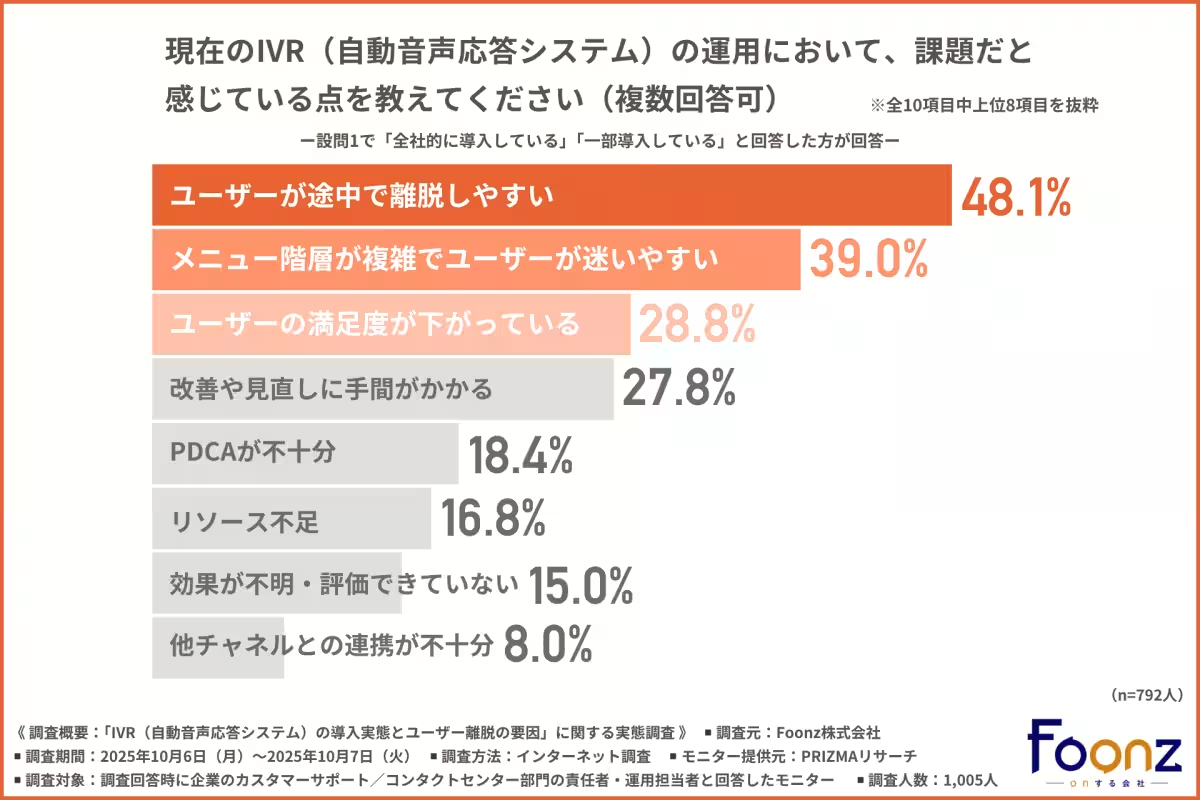
When asked about the current operational challenges of their IVR systems, 48.1% of respondents indicated that users are prone to abandon calls before reaching a resolution. This drop-off is often attributed to complex menu hierarchies that confuse users, with 39% noting that the design leads to user disorientation. Furthermore, user dissatisfaction with the IVR experience has also become apparent, as reported by 28.8% of respondents.
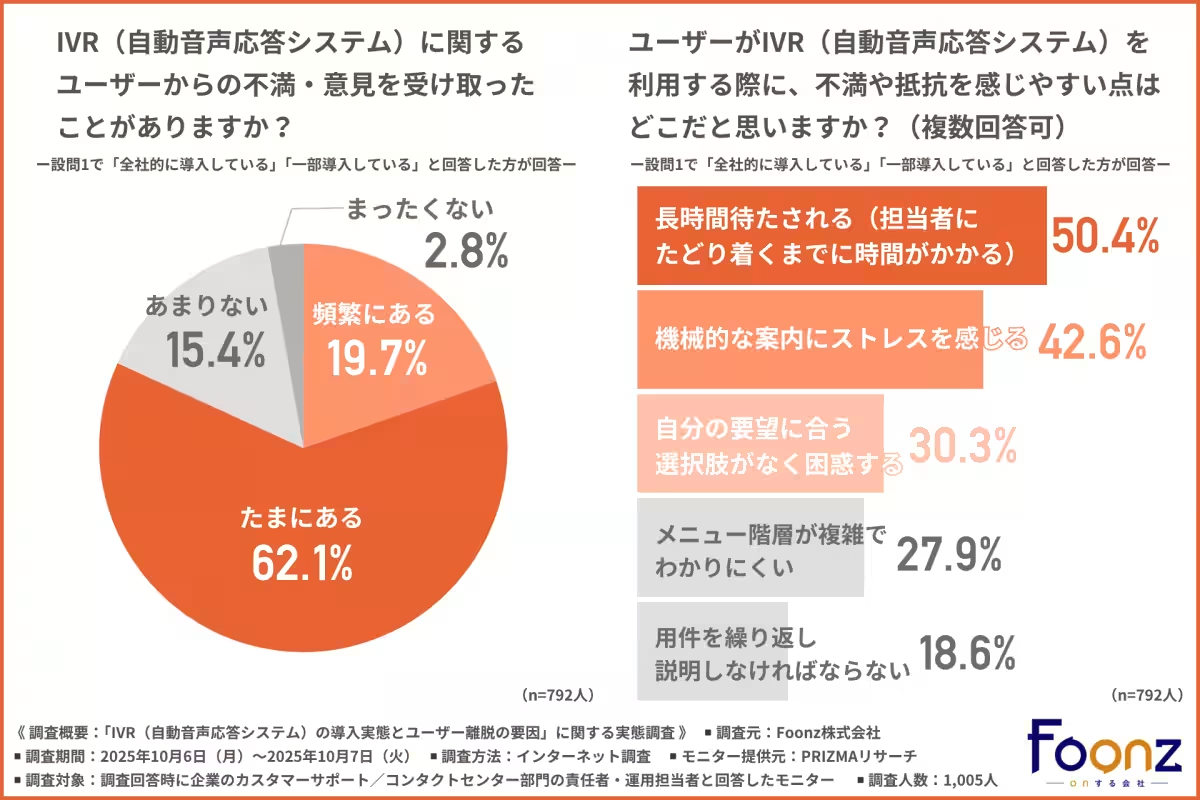
Feedback from businesses echoes these concerns, with over 80% acknowledging that they frequently receive complaints about their IVR systems. A prominent source of frustration for users is the lengthy wait times experienced while navigating through the menus to speak to a live agent, cited by 50.4% of respondents. Others have reported issues with the rigidity of machine-guided inquiries, which lack flexibility in meeting their specific needs.
The Disconnect Between Implementation and Optimization
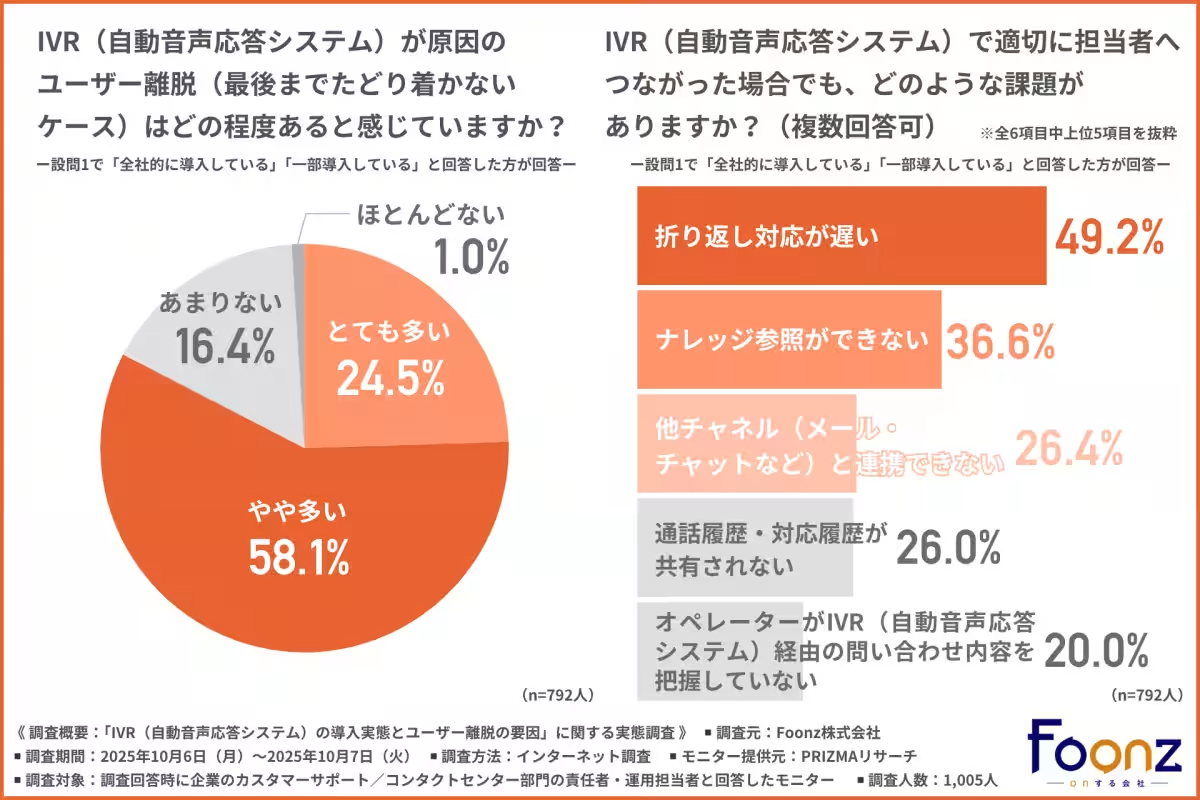
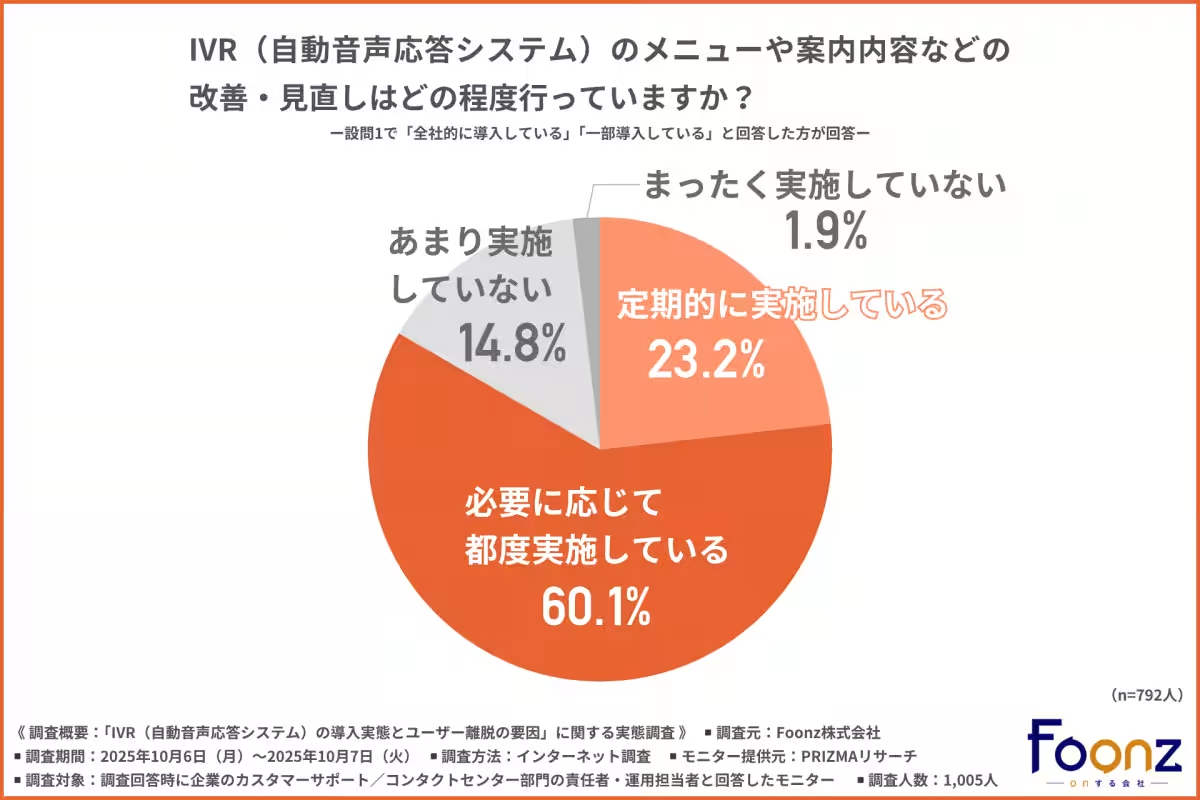
While the survey reflects a strong awareness among businesses about user dissatisfaction, it also reveals a gap in action taken to improve the user experience. A staggering 82.6% of respondents believe that user abandonment due to IVR issues is prevalent, yet many companies have not yet optimized their systems accordingly.
Among those whose IVR systems successfully connect users to representatives, almost half reported problems such as slow callback times and the inability to cross-reference information to enhance the customer service experience. Despite a broad understanding of where improvements are needed, many companies have only implemented reactive changes, putting them at risk of falling further behind in optimizing their customer interaction strategies.
The Path Forward: Integrating AI for Enhanced User Experience
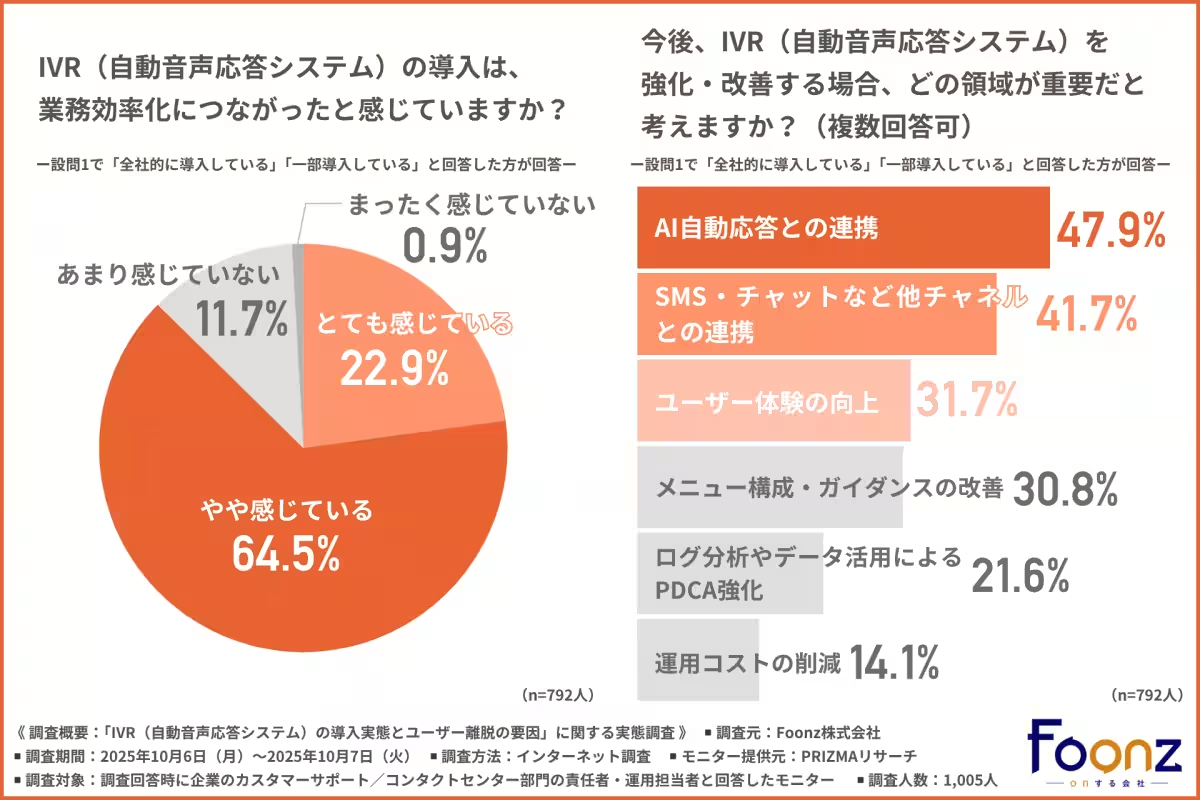
Notably, about 90% of companies reported feeling that IVR systems have aided in improving operational efficiency. However, the next priority remains harmonizing that efficiency with elevated customer satisfaction. When it comes to future enhancements for their IVR systems, 47.9% of respondents emphasized the importance of integrating AI-based solutions to create a more personalized and responsive user experience. This reflects a growing expectation that AI technologies can fill the gaps left by traditional IVR systems, which often fail to adapt to varied user inquiries.
The survey underscores a crucial turning point for IVR systems: it is no longer sufficient to merely treat them as tools for operational efficiency. Rather, companies must recalibrate their approach to redefine IVR as a pivotal entry point for enhancing overall user experience. As businesses evolve to meet these new expectations, a concerted focus on user-centric design and continuous system optimization will be critical in maintaining a competitive advantage.
In conclusion, IVR systems hold the potential to significantly improve operational effectiveness, but as this research by Foonz demonstrates, they also bring forth substantial challenges regarding user interactions. By recognizing user drop-off as a primary concern and proactively addressing the design flaws inherent in their IVR systems, businesses can work towards elevating their customer experience, transforming an often frustrating journey into a seamless one.
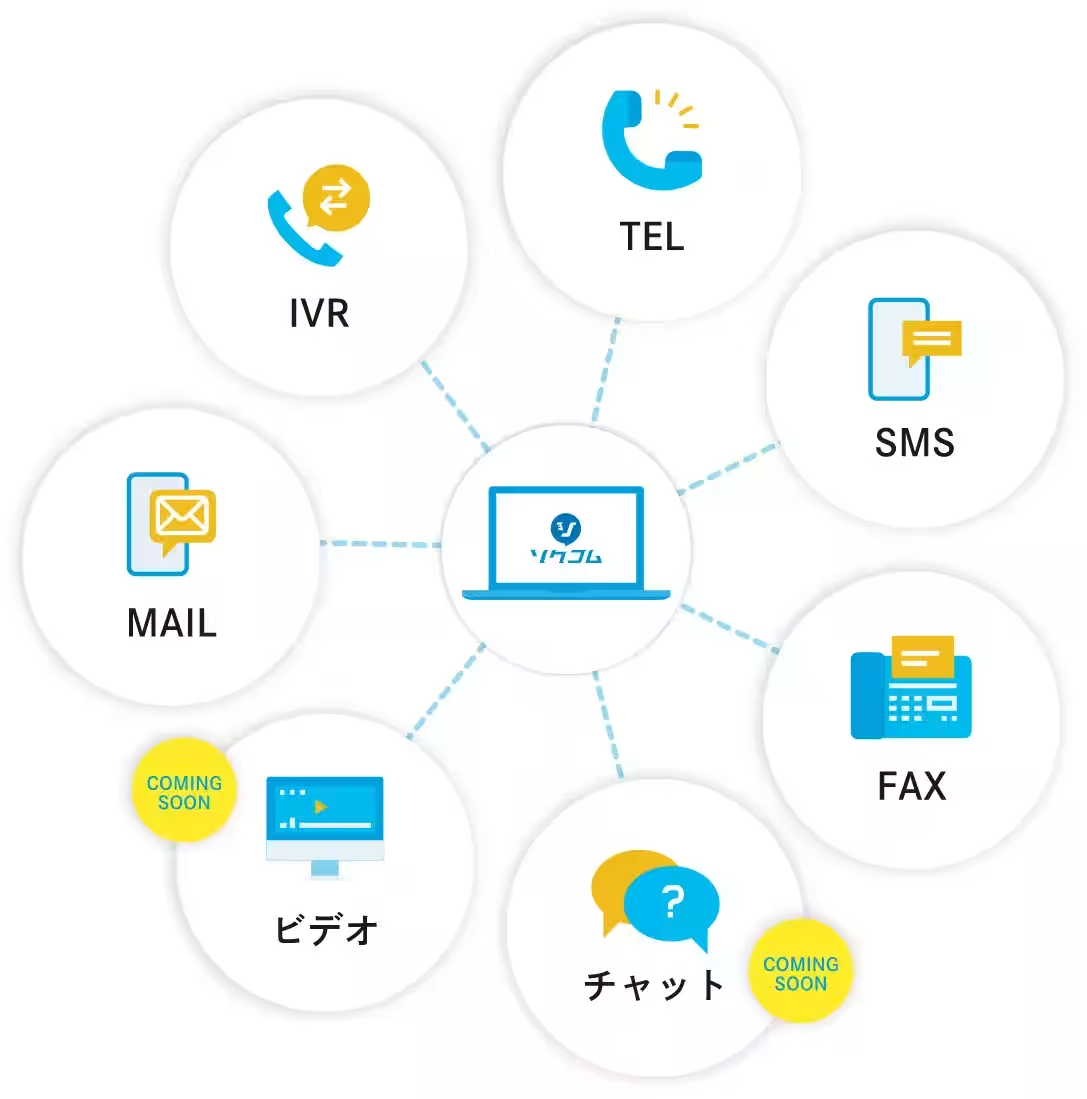
For more information about how Foonz is innovating customer communication with intelligent platforms like Sokucom, visit Foonz and Sokucom.







Topics Business Technology)
【About Using Articles】
You can freely use the title and article content by linking to the page where the article is posted.
※ Images cannot be used.
【About Links】
Links are free to use.