



Understanding the Legal Risks of Door-to-Door Buying in Japan
Understanding the Legal Risks of Door-to-Door Buying in Japan
In today's rapidly changing society, the issue of door-to-door selling has come to the forefront, particularly regarding the risks involved behaviorally termed as `push-buying.` A national survey conducted by BuySell Technologies, a leading player in the reuse business under the brand `BuySell`, aimed to uncover public awareness regarding the legal boundaries of door-to-door sales, specifically targeting the illegal practices that often accompany them.
Survey Overview
Conducted from September 1 to 8, 2025, the survey gleaned insights from 4,687 respondents aged 30 and above across all 47 prefectures in Japan. The results highlight alarming gaps in public awareness concerning `push-buying` and door-to-door selling laws essential for consumer protection.
Key Findings
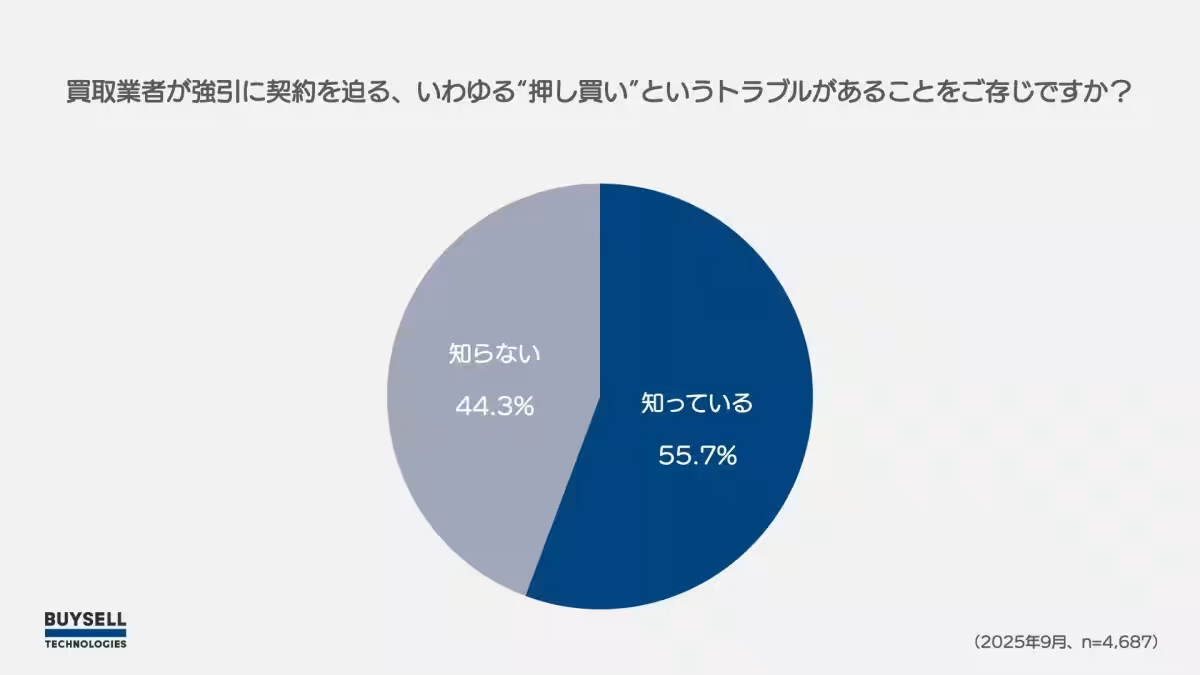
- - Push-buying Awareness: 55.7% of participants acknowledged the existence of push-buying incidents where sellers pressure consumers into agreements.
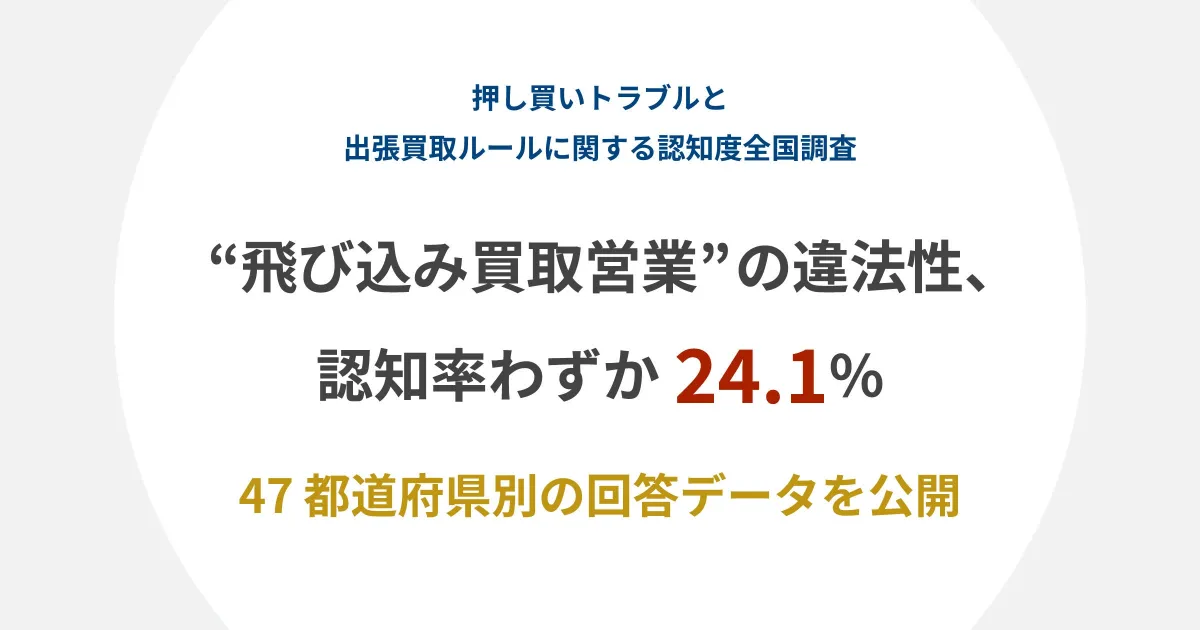
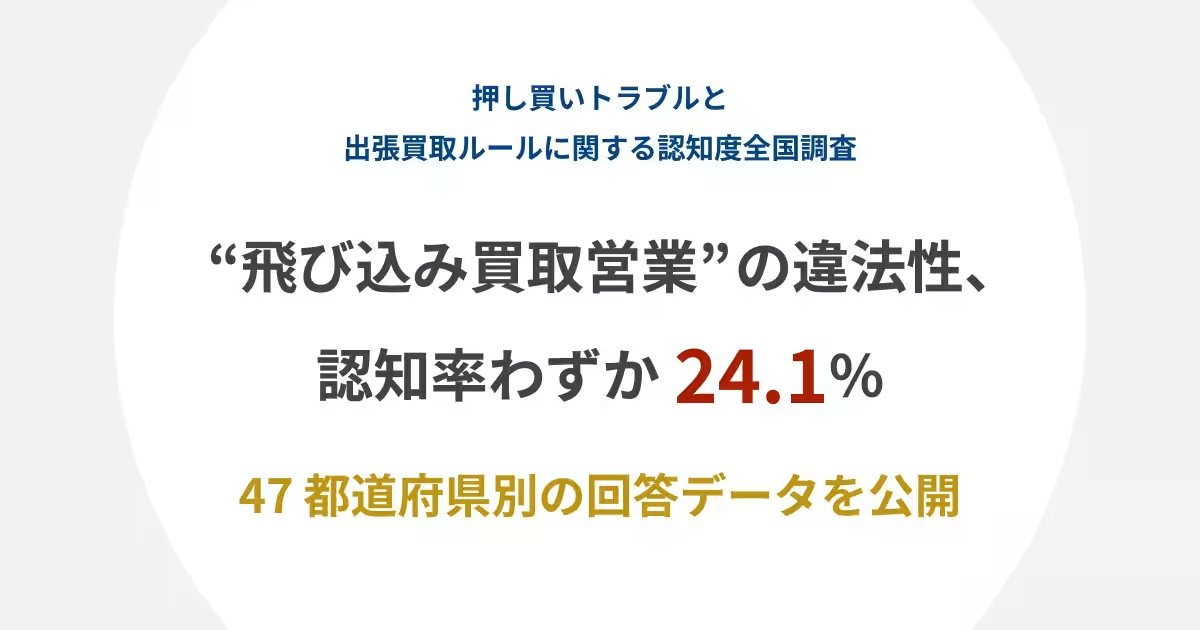
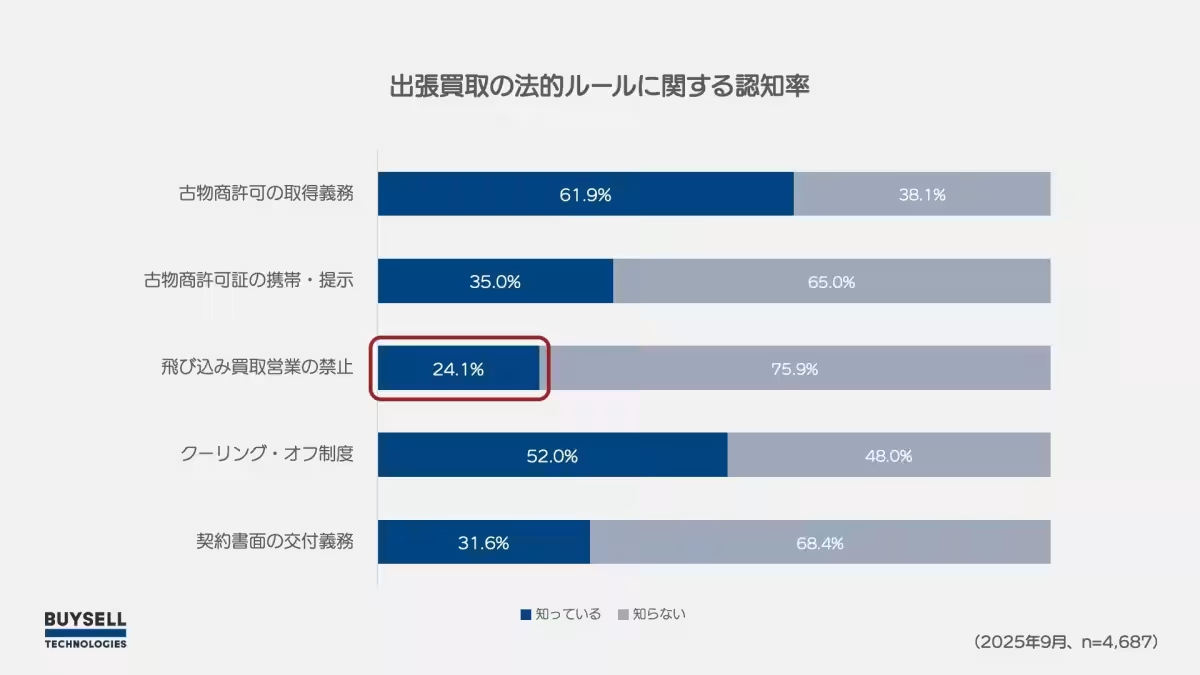
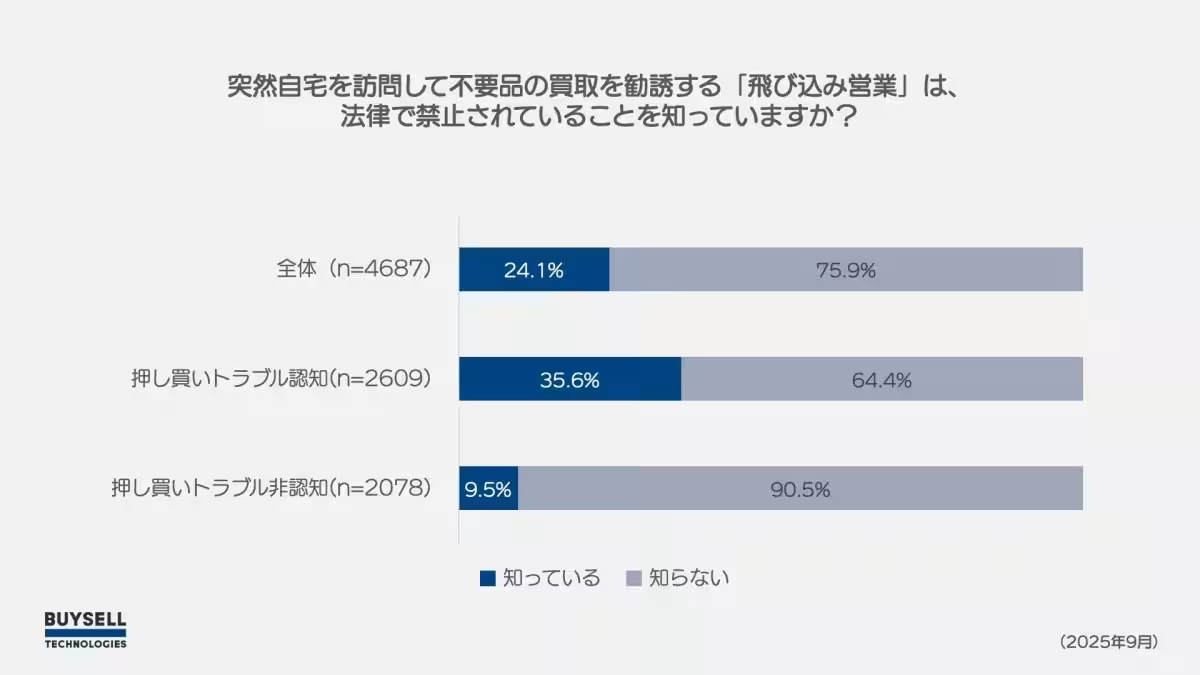
- - Legal Status of Door-to-Door Sales: In stark contrast, only 24.1% were aware that door-to-door sales are illegal, underscoring a significant lack of understanding.
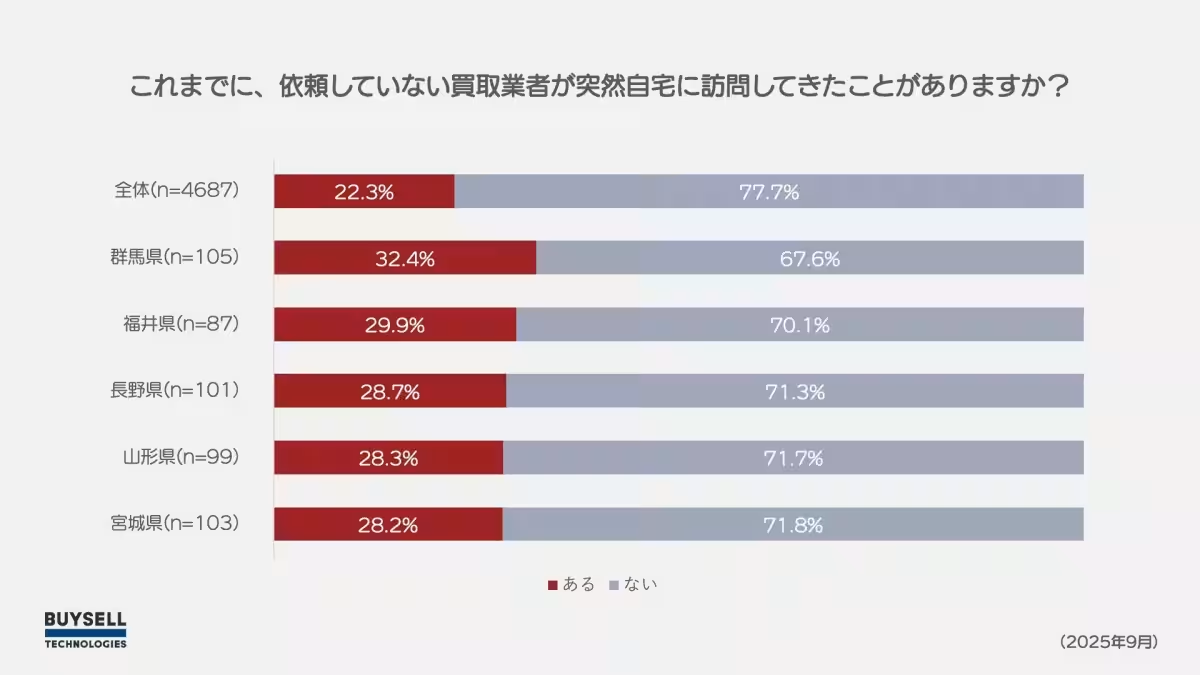
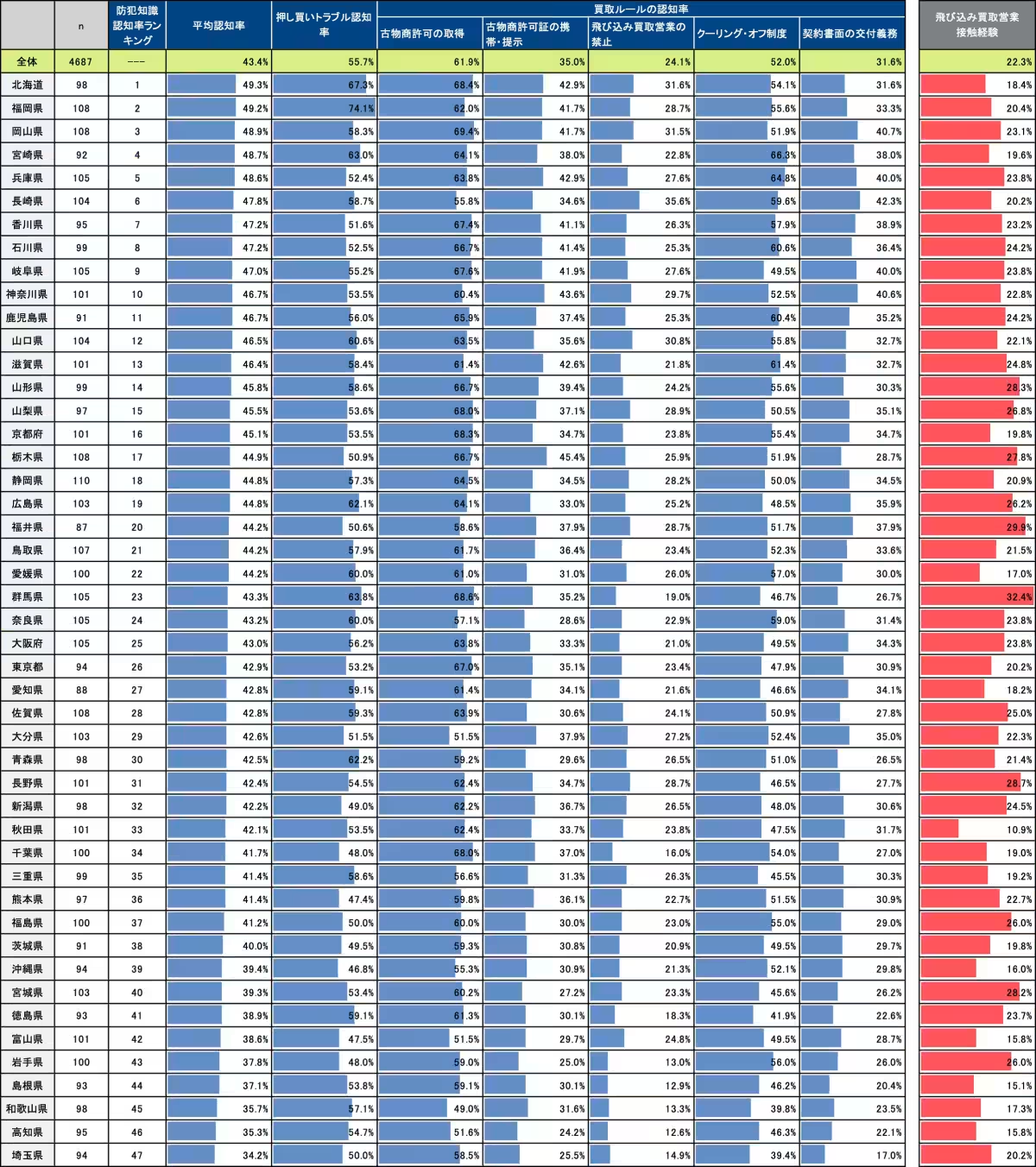
- - Experience with Door-to-Door Sellers: Approximately 22.3% of respondents reported having had unexpected visits from salespeople, with Gunma Prefecture leading at 32.4%.
- - Crime Prevention Awareness: Awareness regarding crime prevention measures varied widely, with Hokkaido leading at 49.3% and Saitama lagging behind at 34.2%.
The Context of Push-Buying Issues
One notable concern from the survey is the frequency of incidents where elderly citizens feel pressured into agreements with pushy salespeople. The National Consumer Affairs Center recorded a staggering 8,000 reports regarding door-to-door sales in 2024. With Japan’s aging population, the need for reliable and safe services is more critical than ever, emphasizing the urgency for public education on the rules regulating these interactions.
Public Awareness Disparities
While 55.7% recognized the risks of push-buying, only 24.1% knew that door-to-door selling is illegal. This split signifies a pressing need for educational efforts. Additionally, even among those who knew about push-buying, only 35.6% understood its legal ramifications. This gap of knowledge can have devastating consequences for vulnerable populations, especially seniors who may be targeted more frequently by unscrupulous sellers.
Regional Analysis of Door-to-Door Selling Experience
Looking closer at the states, the results show that Gunma, Fukui, Nagano, Yamagata, and Miyagi have the highest percentages of respondents who have encountered door-to-door sellers without prior engagement. These findings indicate that outreach efforts and law enforcement should prioritize these regions to mitigate risks and raise awareness.
Preventive Measures for Consumers
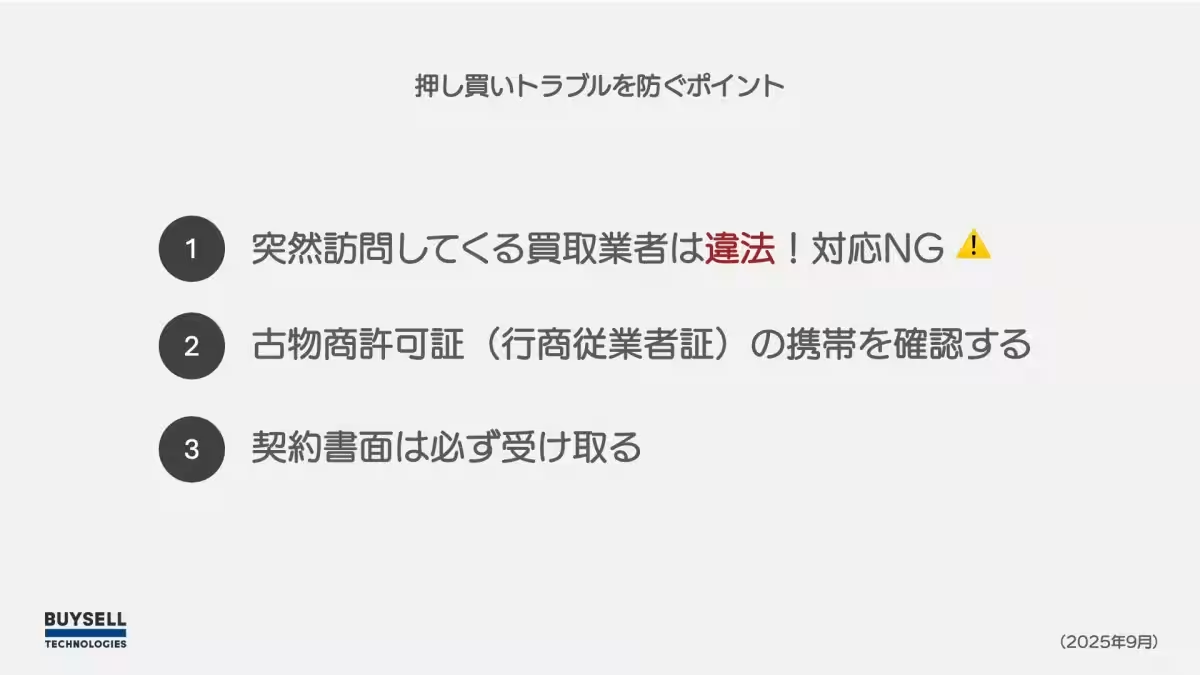
To reduce the risk of falling victim to illegal door-to-door sales, individuals are urged to be vigilant and adopt basic common-sense practices:
1. Be Wary of Unexpected Sales Calls: If a salesperson shows up unannounced, remember that door-to-door selling is illegal according to Article 58-6 of the Specified Commercial Transactions Act. It's crucial to avoid engaging with them.
2. Check for Proper Licensing: Ensure that any dealer possesses a valid `Antique Dealer License`. They are obligated to present this during home assessments. If they refuse or do not carry this documentation, terminate the interaction immediately.
3. Request Written Contracts: Any discussion should culminate in a written contract that outlines terms clearly, as legally required. Be aware of your cancelation rights, ensuring you receive this contract within eight days to leverage cooling-off periods for reconsideration.
About BuySell Technologies Inc.
BuySell Technologies upholds the mission to serve as a bridge connecting people and precious resources through their comprehensive reuse services. Their operational model places a strong emphasis on compliance and customer safety, highlighting their commitment to both community trust and regulatory adherence. Operating with transparency, BuySell stands dedicated to educating its clientele on safe practices, aiming to empower consumers against mismanagement and fraud.
Conclusion
The findings from this survey provide critical insight into the persisting challenges of public awareness concerning door-to-door sales in Japan. It highlights the need for continued education, advocacy, and compliance amongst both service providers and consumers. It is evident that consumers must be well-versed in their rights and the laws governing these transactions to foster a safer economic landscape for all.
For more information on compliance efforts by BuySell and their initiatives regarding safe reuse practices, be sure to visit their website.
Topics Consumer Products & Retail)

【About Using Articles】
You can freely use the title and article content by linking to the page where the article is posted.
※ Images cannot be used.
【About Links】
Links are free to use.