



Insights on Job Placement Guidance for University Graduates in Japan
Job Placement Guidance for University Graduates in Japan
As the job market evolves, understanding the landscape of employment for university students is crucial. In a recent survey conducted by CareerTasu, a leading company in career support based in Tokyo, insights about the employment circumstances for students graduating in 2026 have been unveiled. The survey, which took place from September 1 to September 26, 2025, included 412 universities across Japan, aiming to capture the current job placement support structure and its effectiveness.
Main Findings from the Survey
1. Employment Status for Graduating Students
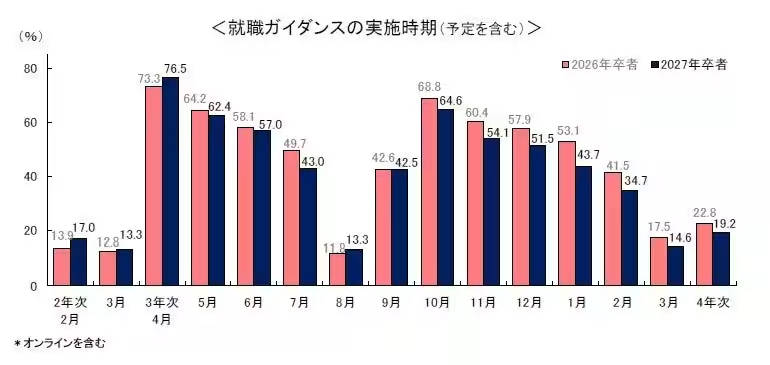
The peak time for job placement guidance is noted to occur in April of the third year of university, a significant 76.5% of institutions highlighted this timeframe. Several key factors were examined:
- - Job Offers: The proportion of students who have received job offers continues to fluctuate, raising concerns about the upcoming workforce's readiness.
- - Changes in Job Listings: A notable change in the availability of job opportunities has been observed, reflecting the dynamic nature of the employment market.
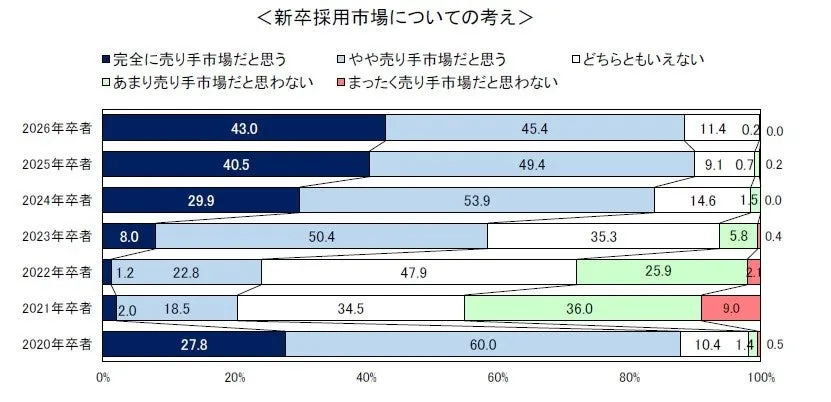
- - Perceptions of the New Graduate Recruitment Market: Students' perceptions are crucial as they relate to how prepared they feel about entering the job market.
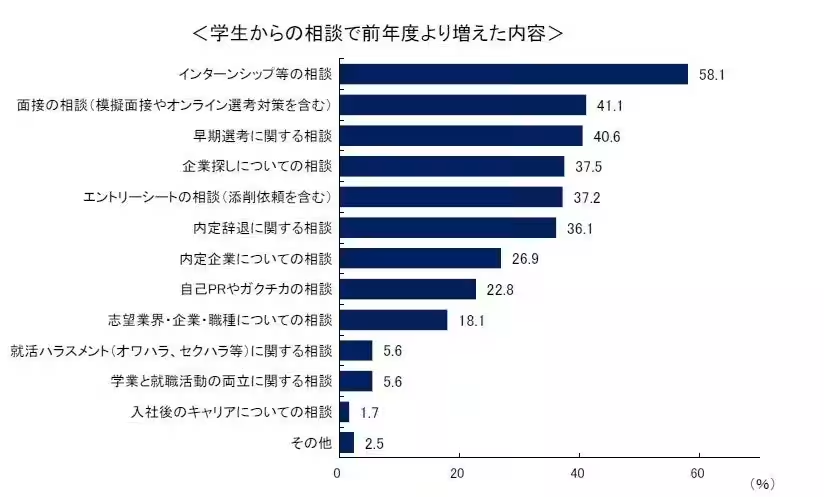
- - Student Consultations: The survey revealed various inquiries and discussions students have regarding their future employment, emphasizing the importance of continuous support from career centers.
- - Challenges in Supporting 2026 Graduates: There are notable hurdles that career services need to address to better prepare students for job placements.
2. Support for 2027 Graduates
The survey also delved into how universities are preparing for the following batch of graduates:
- - Implementation of Job Placement Guidance: This includes seminars and sessions designed to educate students about industry expectations.
- - Format of Guidance Sessions: Various formats such as online workshops and in-person seminars are utilized to reach a wider audience.
- - Participation Rates: Tracking participation helps institutions analyze how effective their outreach methods are.
- - Industry Research and Company Seminars: Universities conduct sessions that allow students to investigate potential workplaces and industries.
- - Employer Engagement: Companies actively approaching students speaks to the competitive environment present in job recruitment.
- - Student Attitudes Towards Employment: Understanding how students view the job market aids in tailoring support programs effectively.
3. Internship Programs and Other Initiatives
Internship opportunities have become instrumental in providing practical experience:
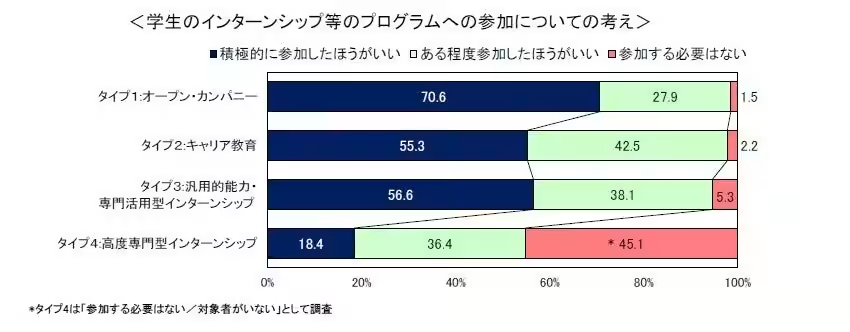
- - Availability of Internships: Insights into the current internship landscape were gathered, indicating that students are increasingly participating in these programs.
- - Student Involvement in Internship Programs: The survey highlighted the number of students engaged in internships and their overall satisfaction regarding these experiences.
- - Perceptions of Internship Programs: The findings suggest a generally positive outlook from students on internships, although areas for improvement remain.
4. Career Support for Early Underclassmen
Career guidance isn't solely reserved for final-year students. Efforts are in place for lowerclassmen as well:
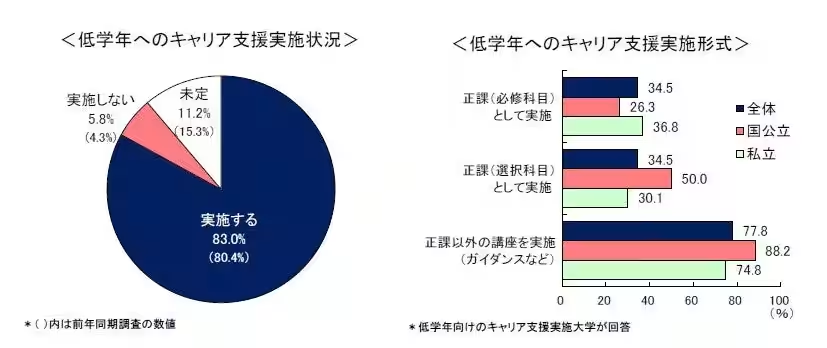
- - Support Implementation: The report examines how universities are encouraging earlier career readiness through various programs.
- - Content of Early Support: Early-stage career support includes events, workshops, and mentorship aimed at introducing students to the workforce early on.
For detailed statistics and extensive data, refer to the full report available here. The survey has gained attention for highlighting the priorities and challenges within Japanese universities, pointing towards a need for adaptable strategies in job placement support as the workforce landscape transforms.
Understanding these factors can help create a more informed and prepared generation of graduates, better equipped to navigate their careers in a competitive job market.
Topics Other)
【About Using Articles】
You can freely use the title and article content by linking to the page where the article is posted.
※ Images cannot be used.
【About Links】
Links are free to use.