



Understanding Consumer Hesitance in Sustainable Fashion Purchases: Insights from Tavitalium
Understanding Consumer Hesitance in Sustainable Fashion Purchases
Sustainable fashion has gained significant traction in recent years, driven by increasing consumer awareness about environmental issues. Many people express a desire to purchase eco-friendly clothing, yet when it comes to decisions in the marketplace, a notable gap arises. This article delves into a recent survey conducted by the apparel brand Tavitalium, which invested effort into understanding this consumer behavior and the factors that influence their purchasing decisions.
Overview of the Study
Tavitalium's research aimed to comprehend how consumers aged 20 to 49, who are generally interested in fashion, perceive sustainable materials and their willingness to accept higher prices for eco-friendly clothing. The survey was conducted in July 2025, involving 1,011 respondents across Japan. Key questions revolved around factors affecting their choices in apparel, specifically t-shirts and hoodies made from compostable polyester.
According to the findings, the responses highlighted several intriguing points of interest:
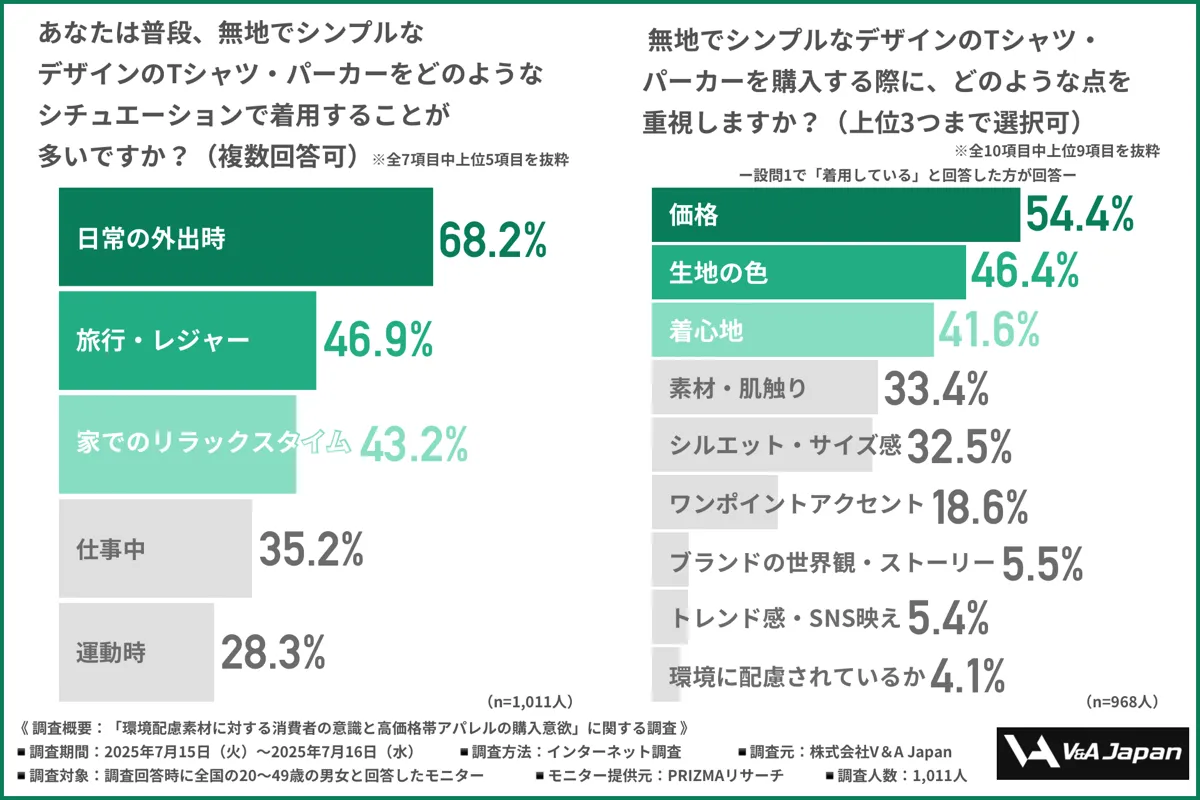
- - The top factors that consumers consider when purchasing simple, solid-colored t-shirts or hoodies include price (54.4%), fabric color (46.4%), and comfort (41.6%).
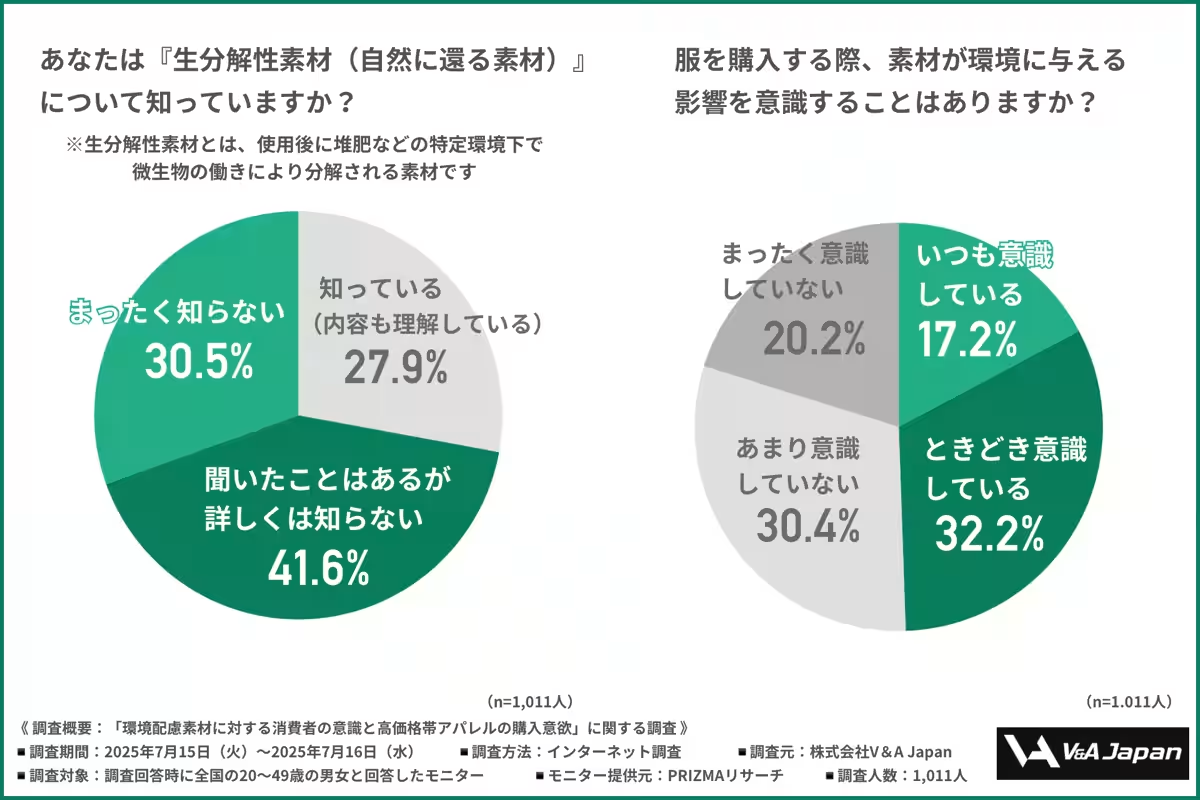
- - Approximately 30% of respondents expressed that they are aware of biodegradable materials, yet overall, understanding remains limited.
- - Nearly half of the participants were conscious of the environmental impact of the materials used in their clothing purchases.
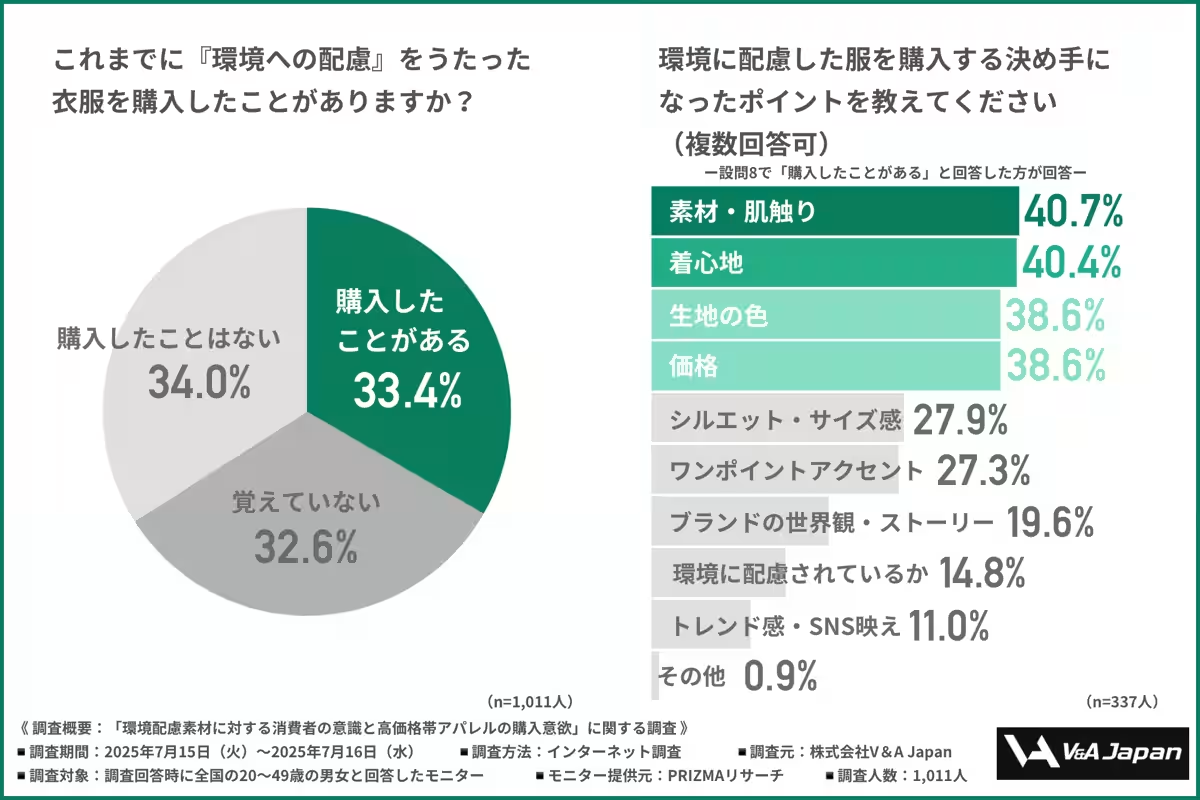
- - About a third had previously bought clothing marketed as environmentally friendly, indicating some level of commitment to sustainable choices.
Attitudes Towards Simple Apparel
When respondents were asked about their typical use of solid-colored clothing, the majority reported wearing these items often during daily outings (68.2%), followed by activities like travel (46.9%) and lounging at home (43.2%). This information underscores the versatility and utility that simple apparel provides across varied lifestyles. Additionally, considerations of practicality and comfort significantly influence consumer choices in this category.
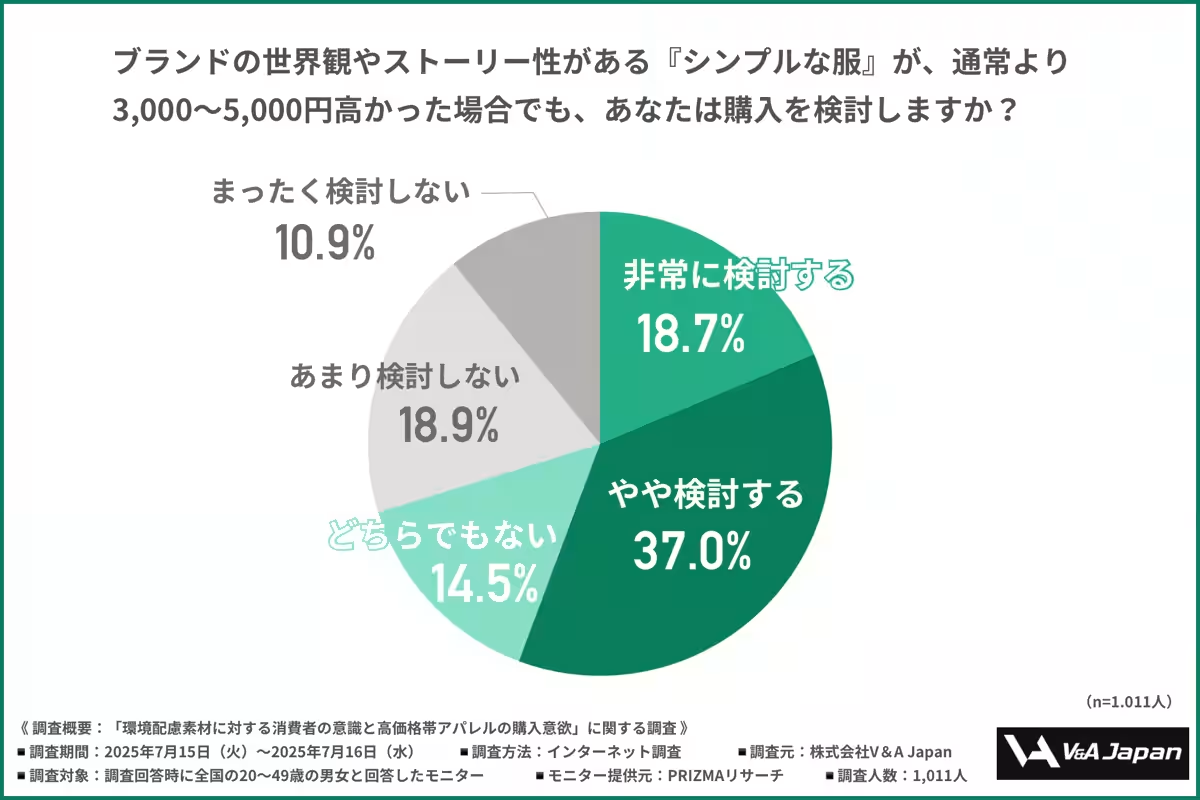
A further question related to whether participants would consider buying simple apparel with a strong brand narrative and higher price tags (by ¥3,000 to ¥5,000). The results were evenly divided; around 56% were open to considering the purchase, indicating a potential market for brands that can effectively convey their stories and values.
Awareness and Acceptance of Biodegradable Materials
The survey shed light on consumer awareness of biodegradable materials—specifically, compostable polyester developed by V&A Japan under the brand Tavitalium. Despite the acknowledgment of the term, a lack of detailed understanding regarding its properties and benefits persisted. Of those surveyed, only about 27.9% claimed to fully know and comprehend biodegradable materials, while 41.6% had merely heard of them but lacked in-depth understanding.
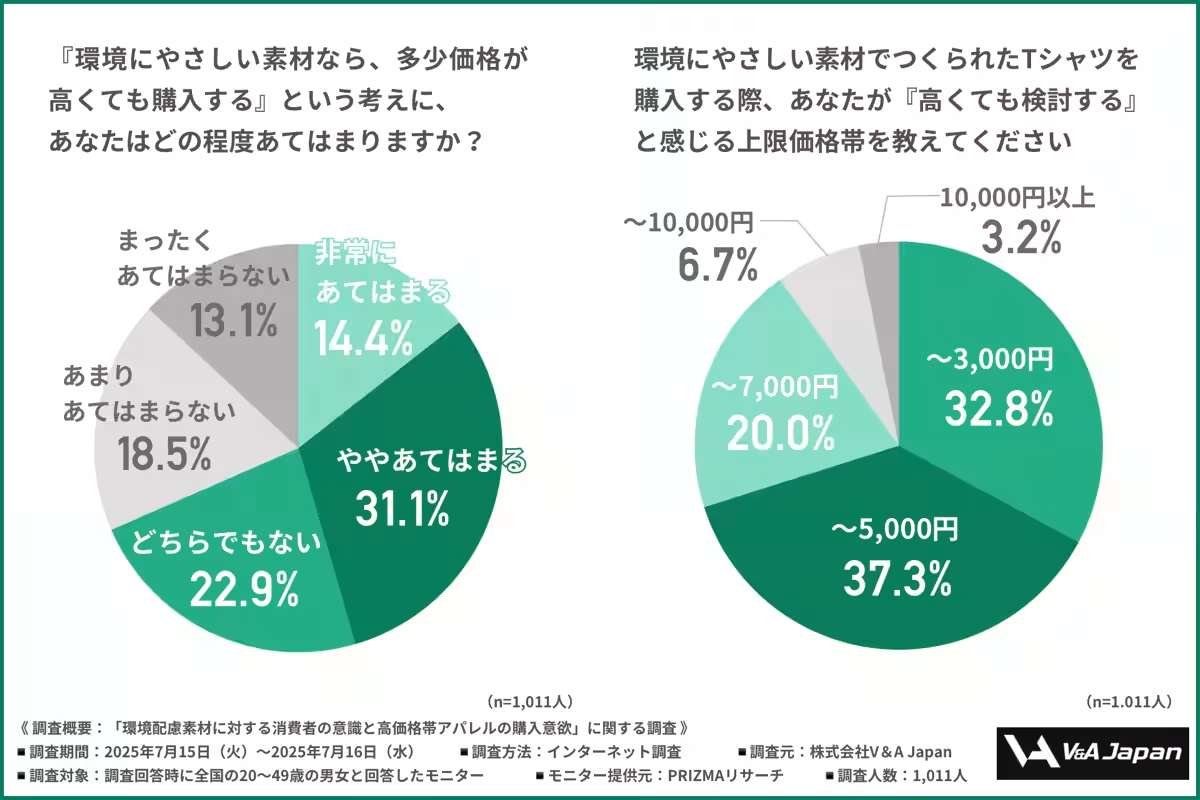
Furthermore, when exploring how much environmental impact influences their purchasing habits, around 49% acknowledged being conscious of material impacts. However, a significant gap remains in translating this awareness into decisive buying behaviors, as many still prioritize attributes like comfort and design over ecological concerns.
Pricing Sensitivity and Purchase Influencers
As the survey probed the price consumers are willing to pay for sustainable items, a trend emerged: approximately 70% of respondents indicated that they would only consider prices up to ¥5,000 for eco-friendly garments. A keener acceptance of higher prices was less common, reflecting a broader hesitance rooted in the perception of value relative to pricing. Although many consumers agree with the principles behind sustainable fashion, that does not straightforwardly translate into purchasing decisions; material benefits must be juxtaposed against typical market prices.
Conversely, out of the small fraction who had previously bought environmentally friendly clothing, decisions were predominantly influenced by comfort, fabric texture, and color, with just 14.8% citing the eco-friendliness itself as a primary motivator. This trend highlights a prevailing notion: despite the growing interest and intellectual endorsement for sustainability, the actual purchase decision hinges more on personal utility and satisfaction.
Engaging Consumers with Brand Narratives
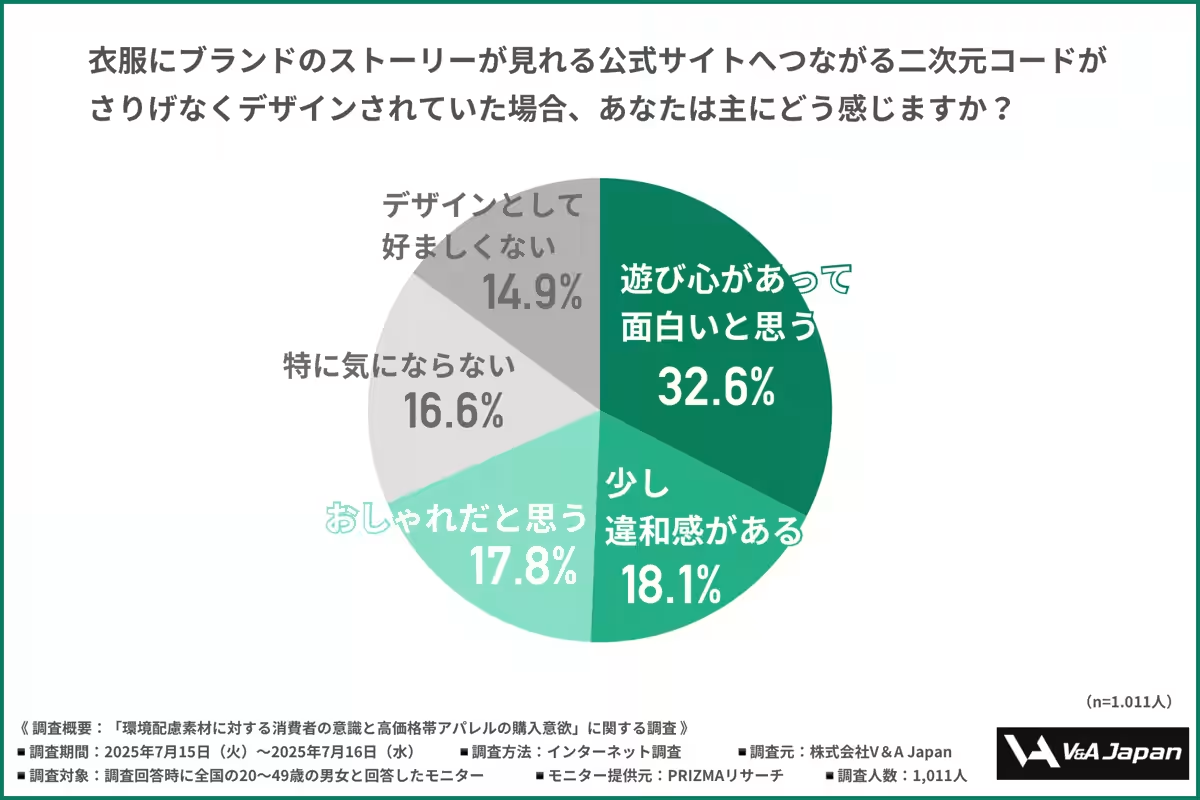
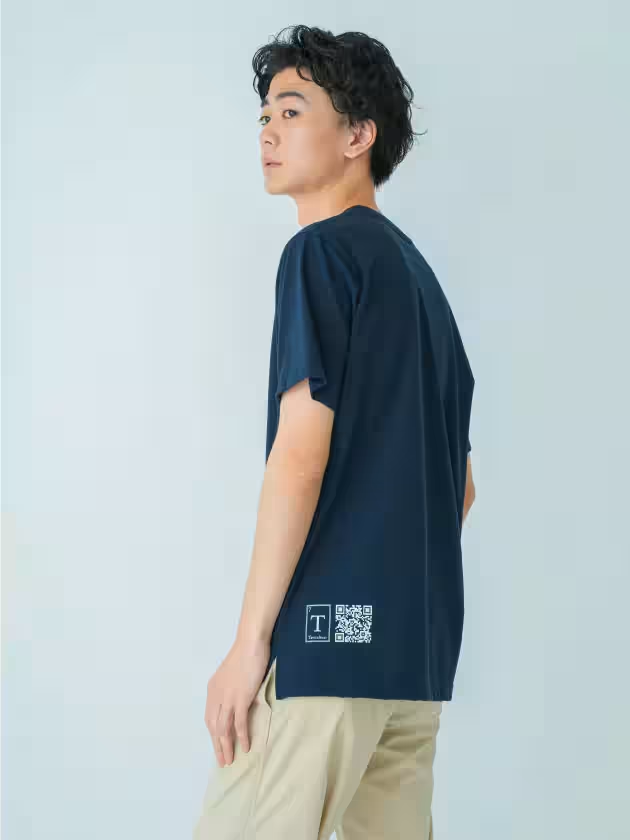
Lastly, the findings reflected consumer attitudes towards innovative marketing approaches, such as integrating QR codes that link to brand stories on product labels. About 32.6% found it an amusing addition, indicating a positive reception of playful engagement in branding. However, some respondents expressed discomfort with this method, showing that while the concept is well received by many, individual tastes still vary.
Conclusion: Bridging the Gap in Sustainable Fashion
The results from Tavitalium's survey reveal a critical question: consumers may express support for sustainable clothing, yet they are often held back by practical considerations. While material composition and eco-friendliness resonate with values, tangible product comfort and price points ultimately govern purchasing decisions. This research underscores the need for brands to clearly communicate the direct benefits of sustainable apparel, creating engaging narratives that align with consumer experiences. It's clear that achieving significant penetration in the sustainable fashion market will require innovative approaches—brands need to weave functionality with an environmental narrative that resonates on a personal level. Through this strategy, sustainable materials can transition from mere 'good intentions' to practical choices made by consumers looking for stylish, comfortable clothing that doesn’t compromise on their values.
For more about Tavitalium and their sustainable offerings, visit their website at Tavitalium.

Topics Consumer Products & Retail)
【About Using Articles】
You can freely use the title and article content by linking to the page where the article is posted.
※ Images cannot be used.
【About Links】
Links are free to use.