



Understanding the True Essence of Traveling to Singapore: Mixed Emotions and Insights
Discovering Singapore: Safety and Cleanliness Amidst Unexpected Challenges
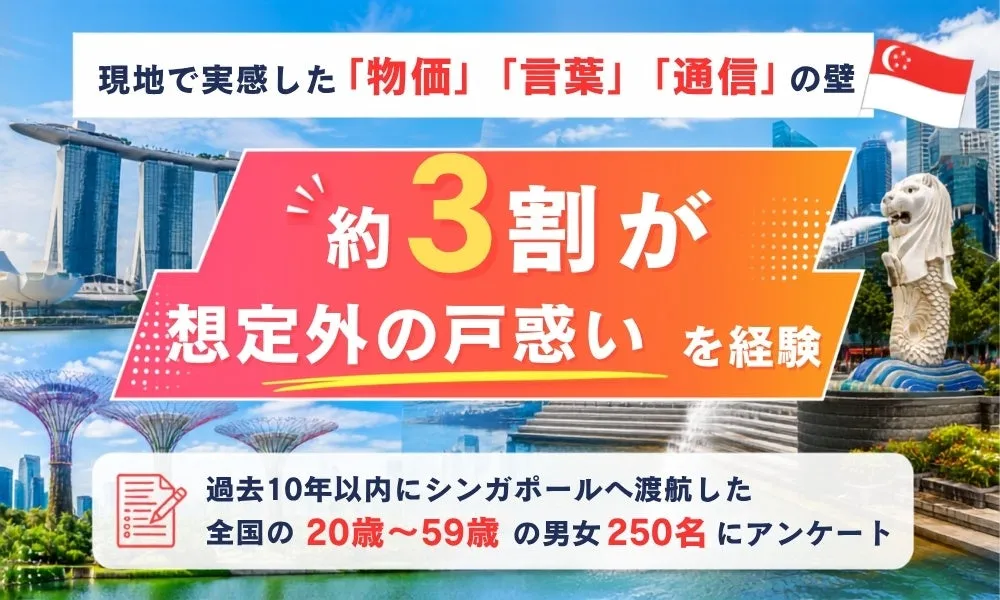
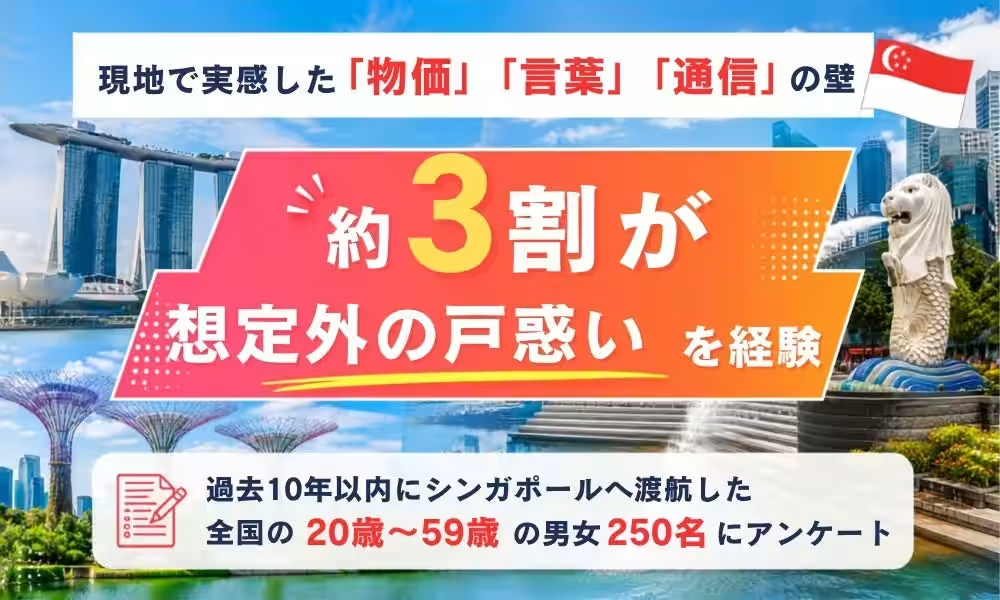
Singapore has long been a favored travel destination for Japanese tourists, celebrated for its safety, cleanliness, diverse culinary scene, and robust travel infrastructure. Only a seven-hour flight from Japan, this city-state attracts families, first-time travelers, and business professionals alike, not just due to its appealing image of safety and cleanliness but also for its widespread English use. However, despite these appealing qualities, many travelers have reported feelings of confusion and surprise during their visits, highlighting aspects that they wish they had better prepared for.
To delve deeper into these experiences, WiFi Travel collaborated with Plasuto Co., Ltd. to conduct a survey involving 250 individuals aged 20 to 59 who had traveled to Singapore within the last decade. The survey aimed to uncover the realities of traveling to Singapore, exploring pre-trip anxieties, actual experiences on the ground, communication methods, and people's impressions of Singapore’s urban environment and multicultural coexistence.
Pre-Trip Anxiety: A Deep-Dive into Travelers' Concerns
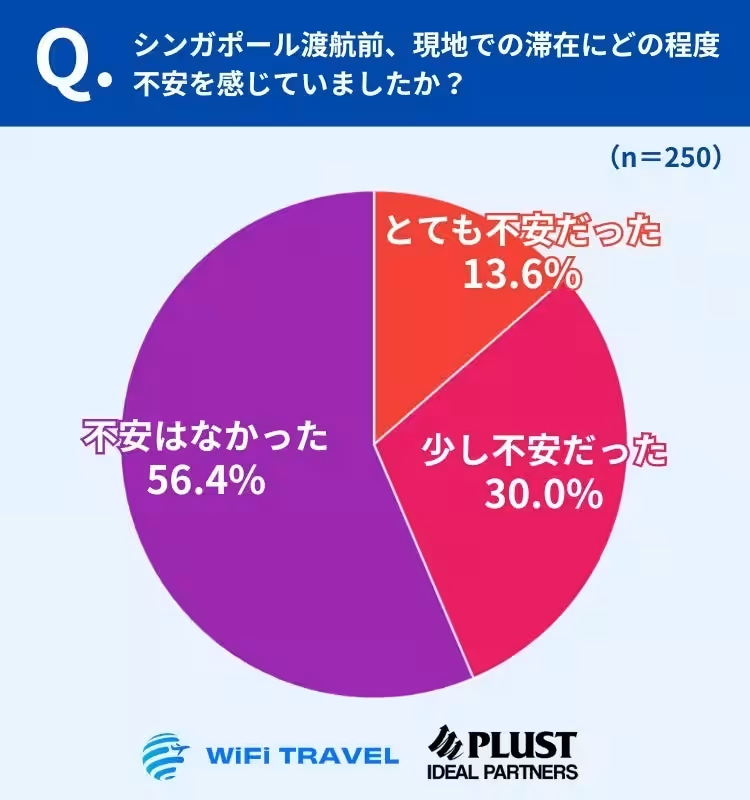
When asked about their pre-trip feelings towards their stay in Singapore, the survey results were revealing. Approximately 43.6% of participants expressed some level of anxiety, either feeling very anxious (13.6%) or somewhat anxious (30.0%). Conversely, over half (56.4%) reported feeling no anxiety at all. This duality indicates that even though Singapore is widely recognized for its low crime rates and English-speaking populace, a significant number of travelers nonetheless harbor nerves before their journey begins.
Factors contributing to these anxieties included Singapore's notably high cost of living and its strict penalties for behaviors such as littering, smoking, and chewing gum. These elements undoubtedly played a role in shaping pre-voyage concerns among travelers.
Unexpected Difficulties Encountered During Stays
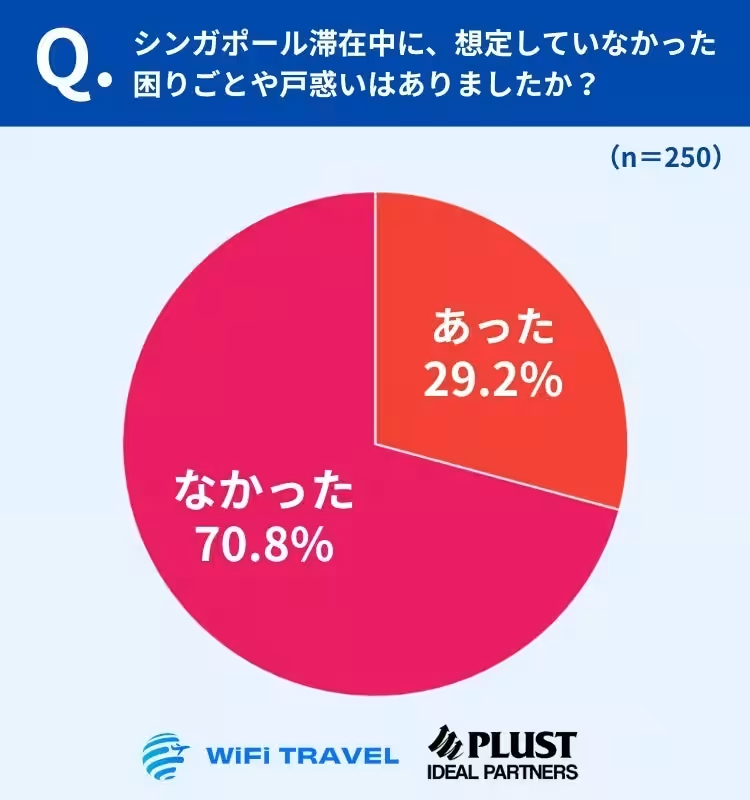
The survey also asked respondents if they experienced any unforeseen challenges during their stay. Approximately 29.2% stated they indeed encountered unexpected troubles or discomforts. While the remaining 70.8% reported they had no such experiences, the fact that nearly one in three travelers faced surprises speaks volumes.
Interestingly, this disparity may arise from an overconfident attitude fostered by Singapore's reputable image. Those who ventured beyond the urban centers and texted savvy neighborhoods might have faced more challenges, particularly concerning negotiation, payment methods, and local gatherings. Men, in particular, reported greater instances of confusion than women, hinting that their broader engagement with numerous service providers heightened their perceived challenges.
Cost of Living and Communication Barriers
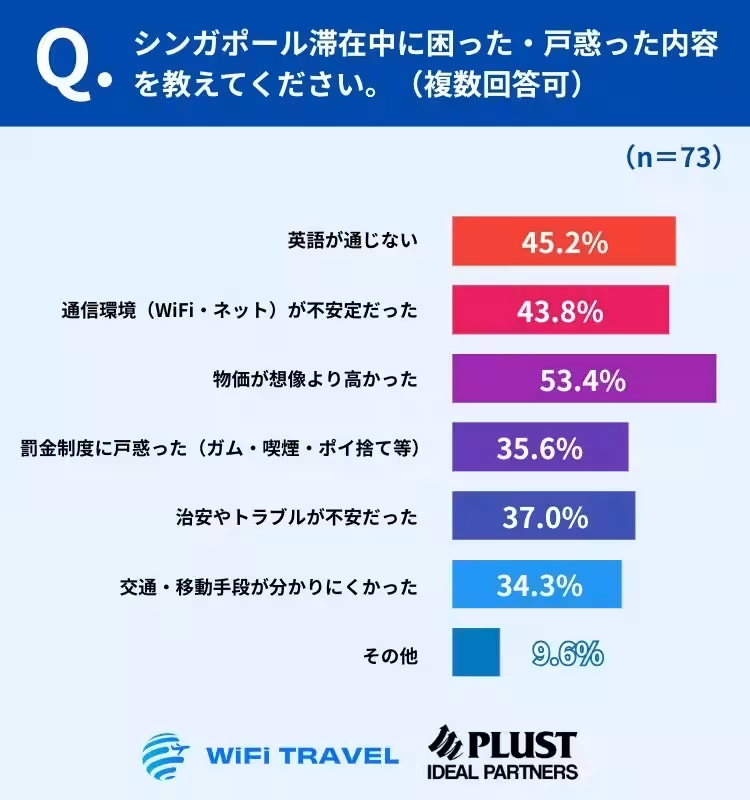
For travelers who encountered difficulties, the primary issue communicated was the high cost of living: 53.4% of respondents noted that prices were higher than anticipated. This was closely followed by communication barriers—45.2% reported they'd struggled understanding English due to local dialects. Additionally, 43.8% pointed to connectivity issues, stating that Wi-Fi and internet services were frequently unreliable.
Other concerns included worries about safety (37.0%) and confusion regarding strict local laws, such as fines for littering (35.6%). With Singapore's high living costs increasingly coming to the forefront, tourists often find themselves surprised by the prices associated with meals and accommodations.
Communication Methods: The Dominance of Rental WiFi
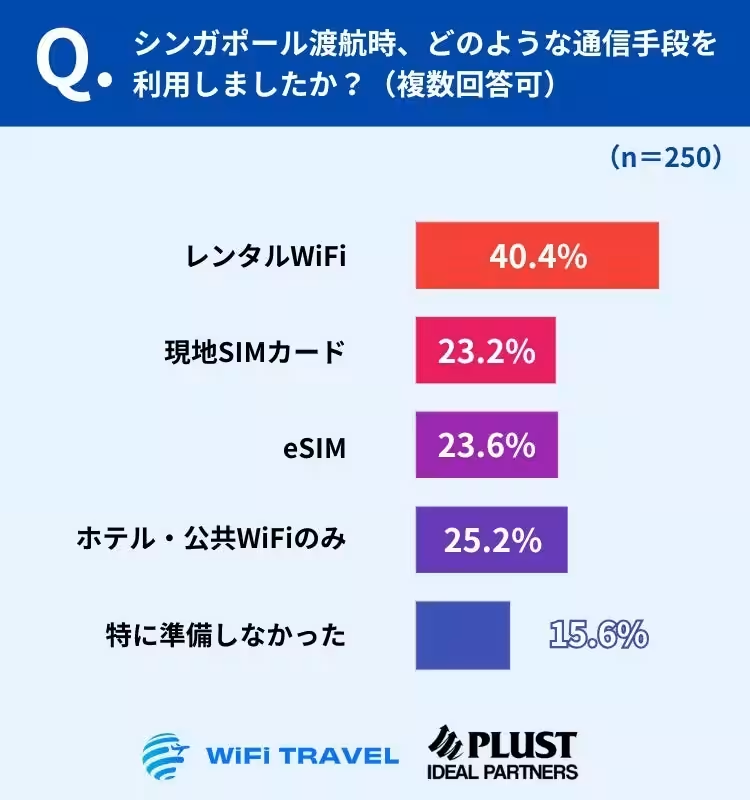
Turning to communication methods, the survey revealed that 40.4% of travelers primarily used rental WiFi during their stay. This was followed by those who relied solely on hotel or public WiFi (25.2%), eSIMs (23.6%), or local SIM cards (23.2%), while 15.6% reported they had not prepared any communication method. This highlights a reliance on stable internet access for navigating cities, translating, or processing cashless payments, essential for every modern traveler.
Pre-Trip Preparations: What Travelers Regretted Not Knowing
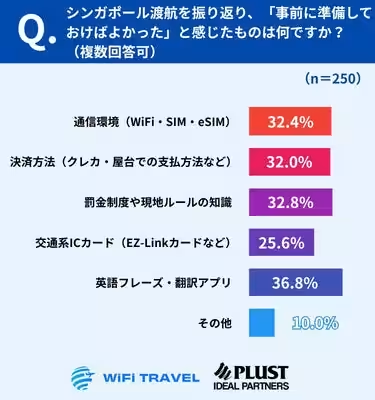
The survey explored what travelers felt they should have better prepared before their trip, revealing interesting insights. The leading points of concern were language phrases/translation apps, knowledge about fines and local regulations, communication tools, and payment methods, all hovering around 30% responses.
Singapore's Unique Urban Features
Participants were asked about their impressions of Singapore’s urban architecture, adherence to rules, and multicultural existence. A prominent theme was the city’s cleanliness; many were astonished by the lack of litter and overall aesthetic appeal. Strict laws concerning littering, smoking, and chewing gum subsidies contributed to a well-ordered environment.
Others, however, experienced discrepancies between Singapore's celebrated cleanliness and their actual observations, leading to discussions on maintaining such standards abroad. Reports of mixed feelings around Singapore's disorder—while appreciating the cleanliness—paint a nuanced picture of tourists’ experiences.
Conclusion: Preparing for the Unknown in Singapore
In summary, while Singapore is perceived as a safe and clean travel destination, the experiences of many visitors reveal unforeseen challenges. These include discrepancies in cost, language barriers, and communication issues, often leaving a significant impression on travelers. Ultimately, understanding local customs and thoroughly preparing for one’s trip, particularly concerning connectivity and language translation, can substantially enhance the travel experience. As an international city that fosters multicultural coexistence against a backdrop of strict regulations and cleanliness, preparation remains the key to a smooth Singaporean adventure.
Topics Travel)
【About Using Articles】
You can freely use the title and article content by linking to the page where the article is posted.
※ Images cannot be used.
【About Links】
Links are free to use.