



Understanding the End-of-Life Views of Digital Natives: A Study of Unmarried Young Adults
In a fascinating study, San Holdings conducted a survey to delve into the end-of-life views of unmarried individuals aged 20 to 30, a demographic often referred to as digital natives. With the rise of cultural phenomena like 'death activities' and 'end-of-life cafes', this younger generation is increasingly engaging in conversations surrounding mortality.
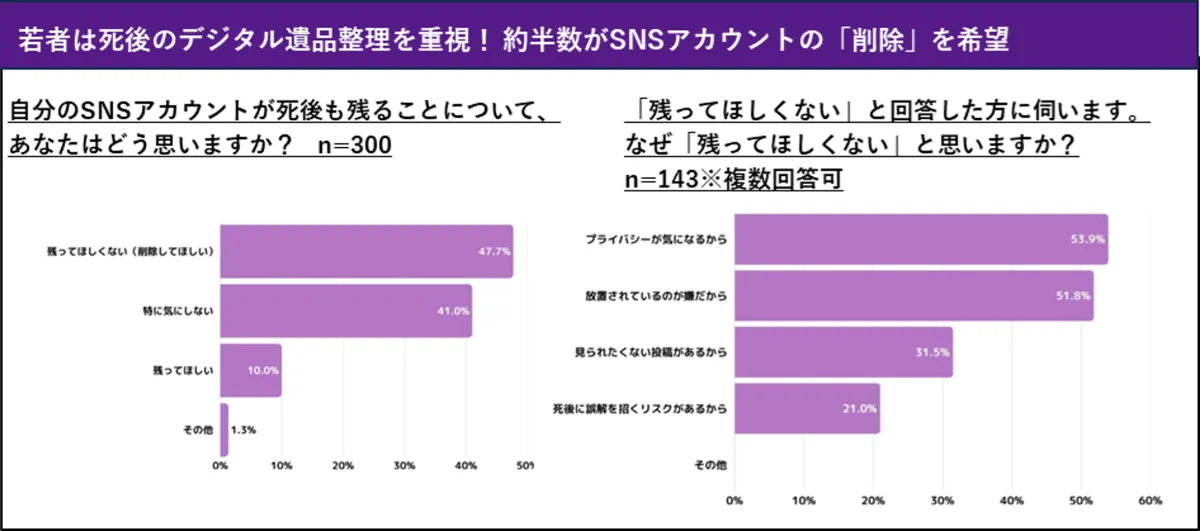
The survey revealed that nearly half (47.7%) of respondents expressed a desire for their social media accounts to be deleted posthumously. This concern is driven primarily by worries about privacy and the discomfort of leaving their accounts unattended online. As digital natives, many participants see their online presence as a reflection of their lives, making the question of what happens to these accounts after death particularly significant.
Survey Findings
1. Desire for Deletion: The majority of the respondents, approximately 47.7%, want their social media accounts to be removed after their passing. Privacy and the fear of being left behind in a state of neglect were cited as their top concerns.
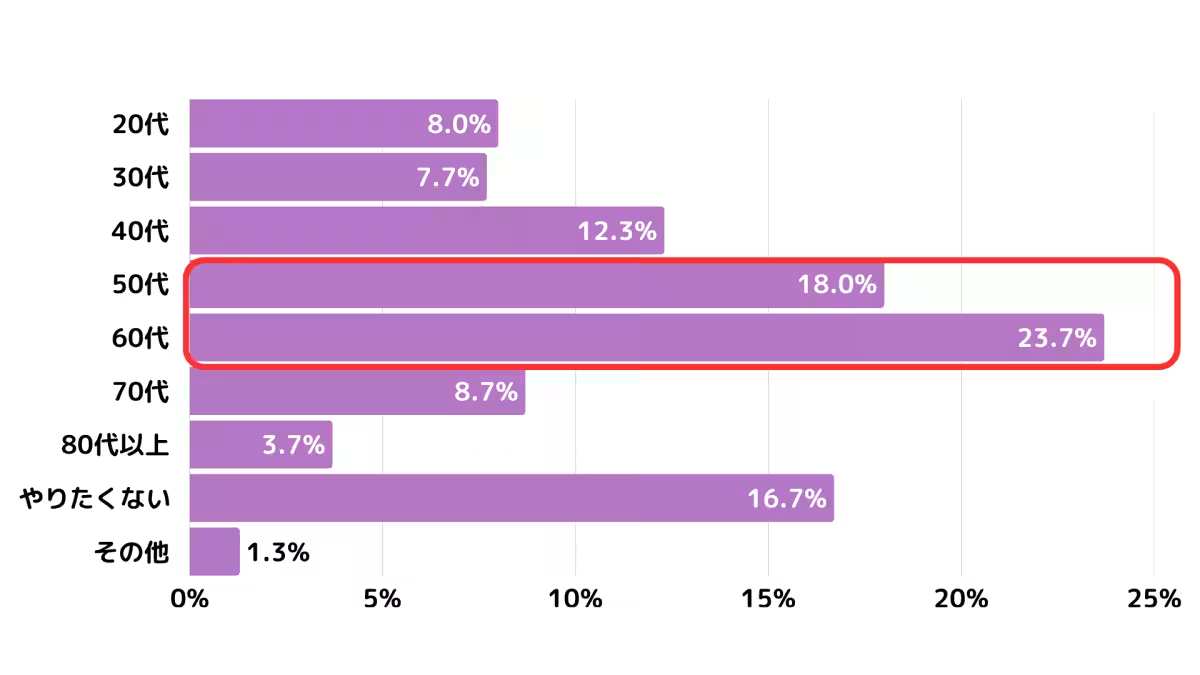
2. Timing of End-of-Life Planning: Most individuals feel that the best time to begin considering end-of-life plans is during their 50s and 60s, aligning with major life transitions like retirement or finishing child-rearing responsibilities.
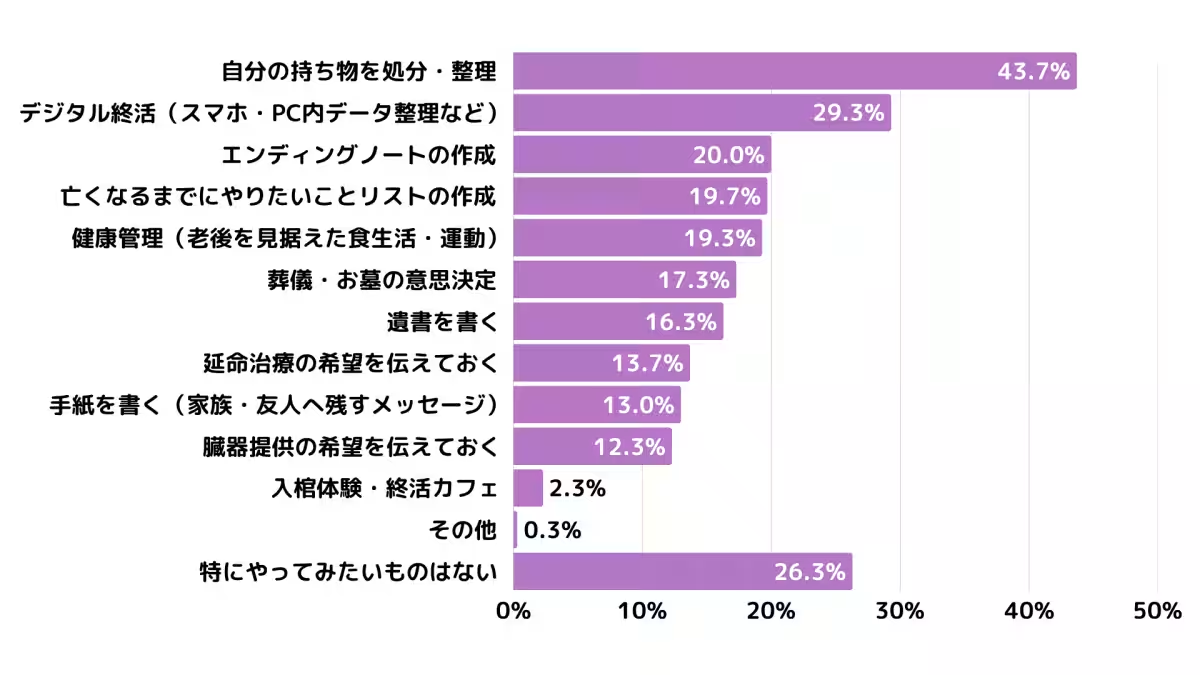
3. Interested in Organization: When asked about what aspects of end-of-life they would be interested in engaging with, 43.7% indicated a desire to organize and declutter their personal belongings, while 29.3% were inclined towards digital end-of-life activities. Physical and digital organization were highlighted as critical facets of their approach to mortality.
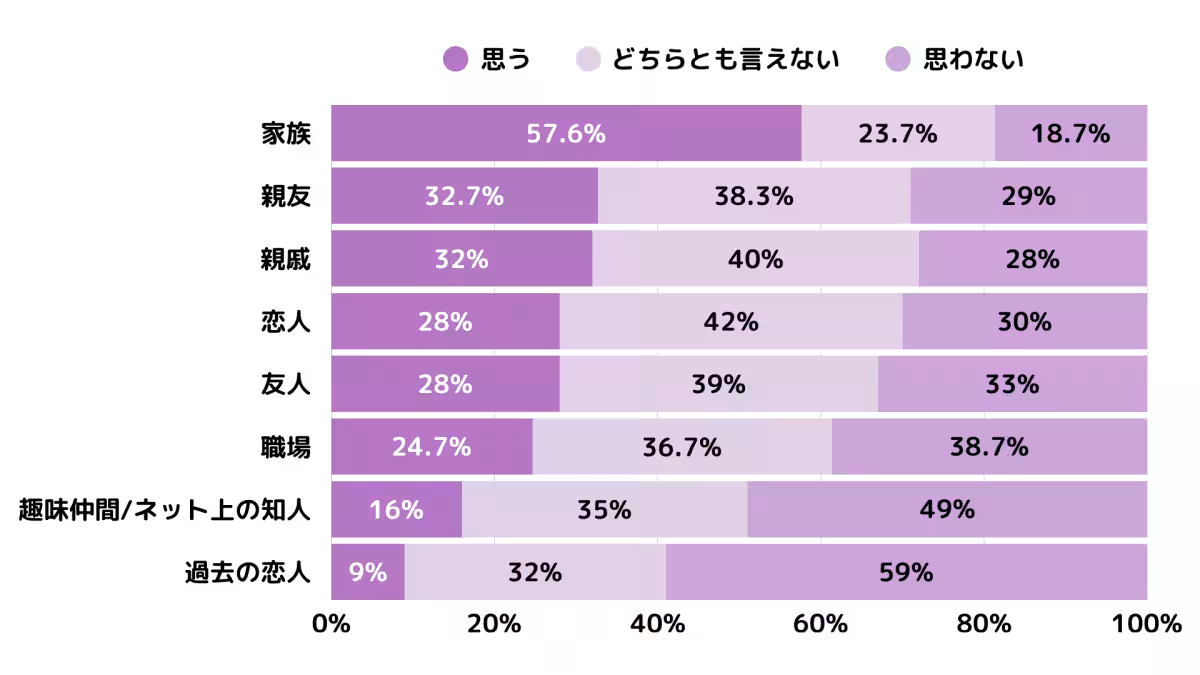
4. Notification Preferences: When it comes to informing others of their passing, 57.6% of participants wished to notify only their immediate family or close friends. There is a visible trend towards wanting privacy and exclusivity when it comes to sharing their death announcement, demonstrating a preference for intimacy in such significant matters.
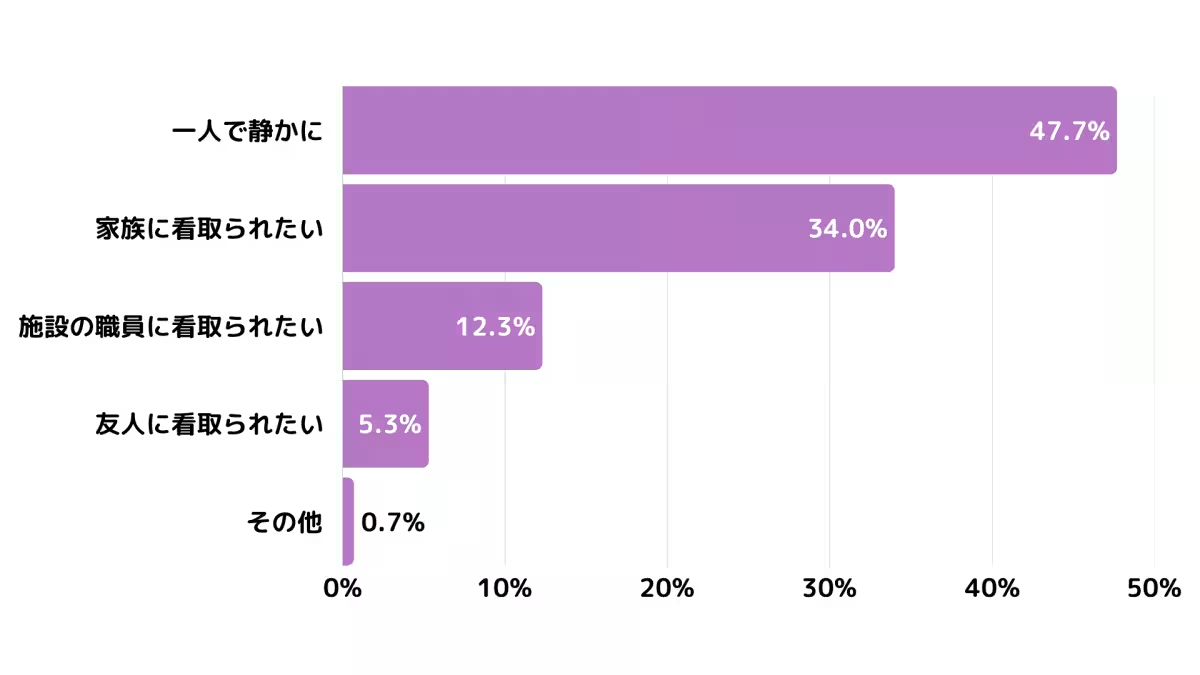
5. Ideal Passing: When it comes to the manner of dying, the overwhelming majority (47.7%) preferred to pass away quietly and alone, with many other respondents wishing for their family to be present as they navigate this reality. This resonates with the contemporary value placed on personal choice in significant life events.
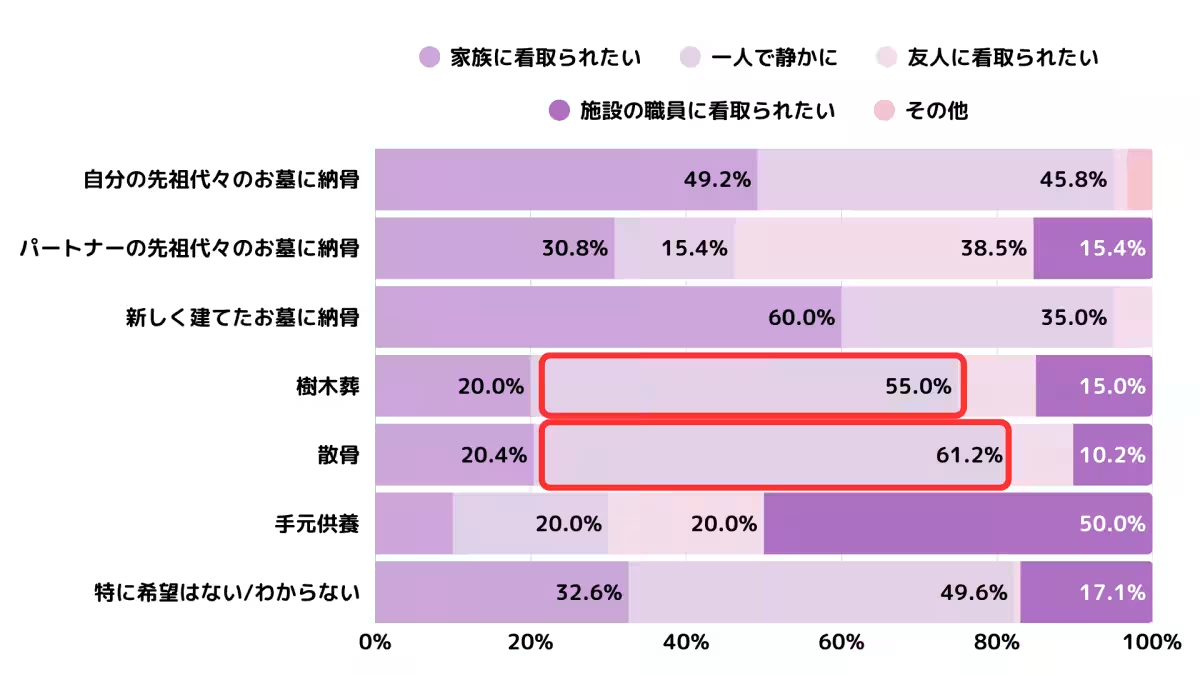
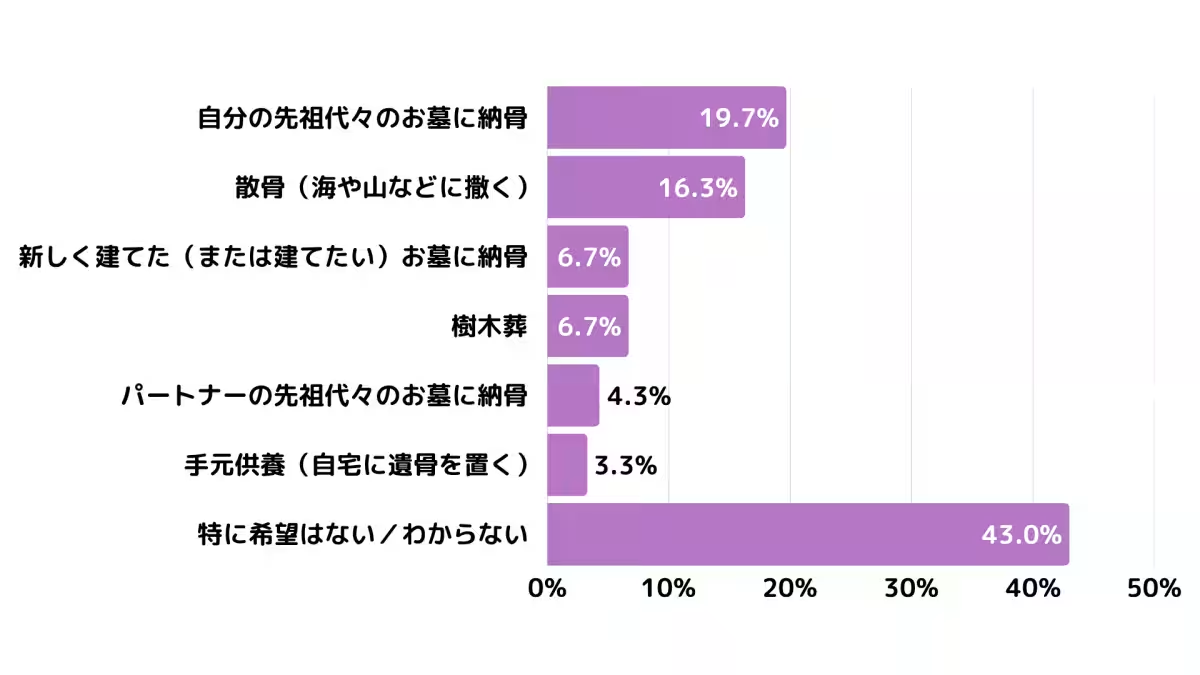
6. Burial Preferences: Most respondents did not have strong preferences regarding burial methods; however, among those who did, traditional burial in ancestral graves and scattering of ashes were favored. Those inclined toward natural burial options such as tree burials coincided with a desire for a solitary passing, reflecting an evolving perspective on death that prioritizes personal values and connections to nature.
This study underscores the unique perspectives and concerns of the digital native generation towards end-of-life planning, emphasizing their desire for control over their digital legacy and their significant relationships. It showcases a modern approach to death and dying, where personal freedom and individual choices are paramount, shaping the future landscape of how we conceptualize end-of-life experiences.
In summary, as this generation increasingly navigates the intersection of life and death in a digital world, they are establishing a framework for what they consider an ideal farewell—one that honors life while integrating their digital legacies. The reflections and findings from this survey certainly contribute to a broader understanding of changing societal norms regarding death, privacy, and the management of one's digital footprint posthumously.
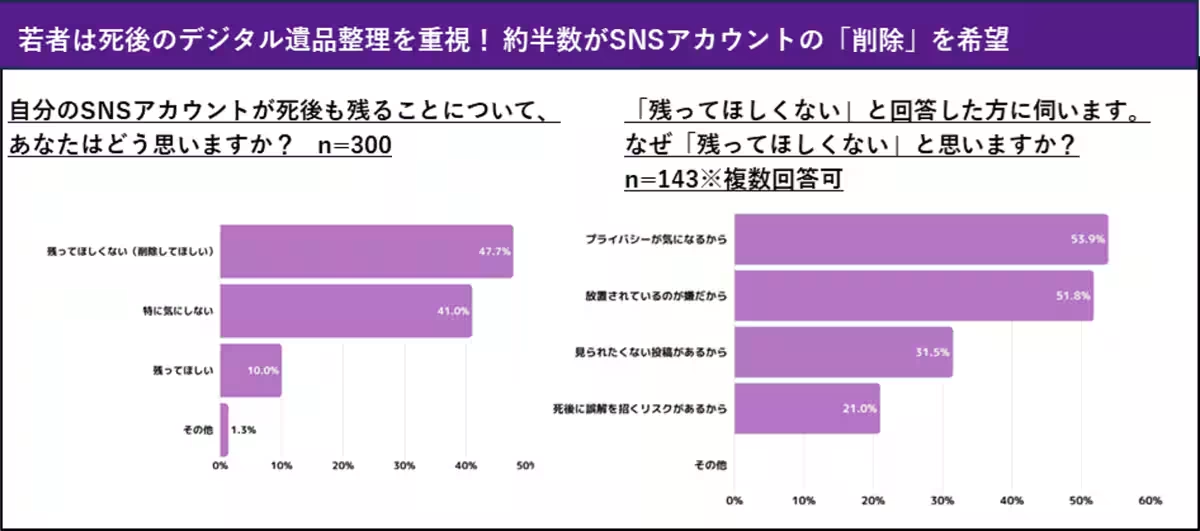
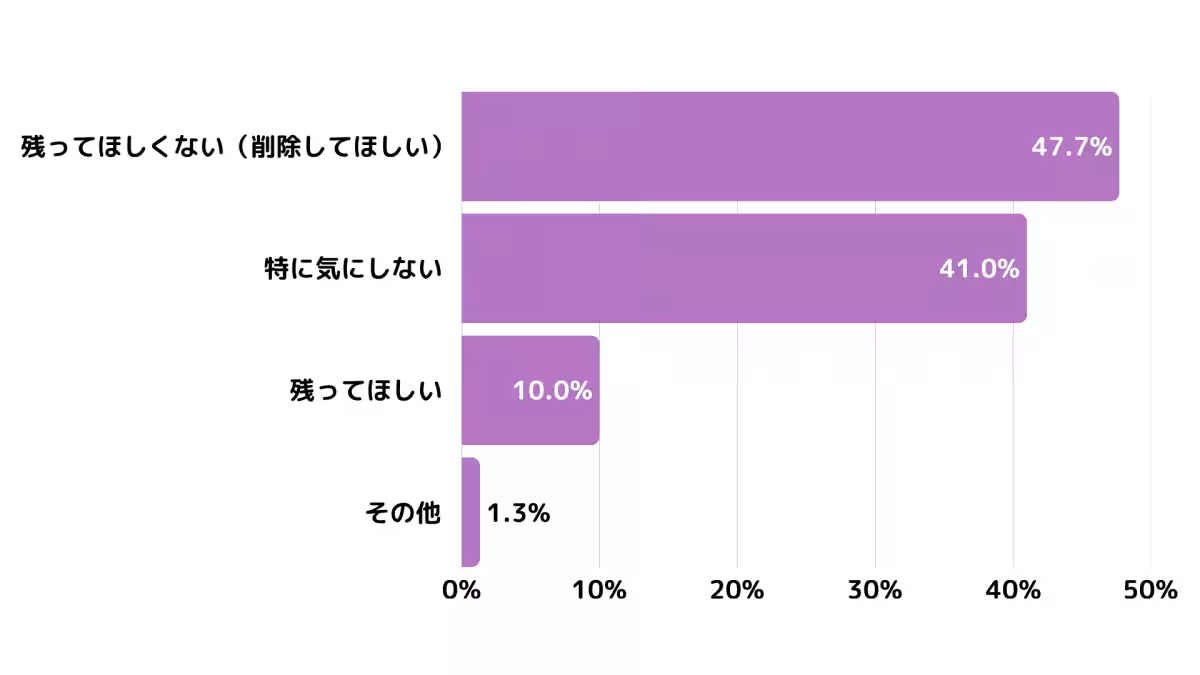
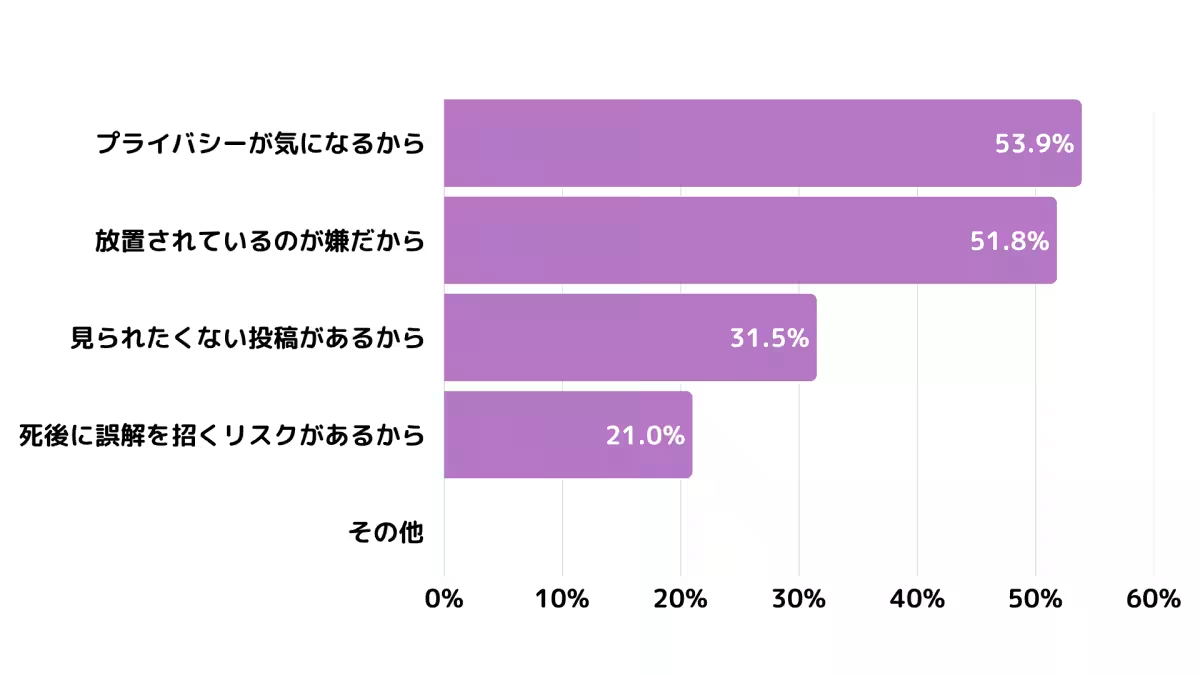





The survey revealed that nearly half (47.7%) of respondents expressed a desire for their social media accounts to be deleted posthumously. This concern is driven primarily by worries about privacy and the discomfort of leaving their accounts unattended online. As digital natives, many participants see their online presence as a reflection of their lives, making the question of what happens to these accounts after death particularly significant.
Survey Findings
1. Desire for Deletion: The majority of the respondents, approximately 47.7%, want their social media accounts to be removed after their passing. Privacy and the fear of being left behind in a state of neglect were cited as their top concerns.
2. Timing of End-of-Life Planning: Most individuals feel that the best time to begin considering end-of-life plans is during their 50s and 60s, aligning with major life transitions like retirement or finishing child-rearing responsibilities.
3. Interested in Organization: When asked about what aspects of end-of-life they would be interested in engaging with, 43.7% indicated a desire to organize and declutter their personal belongings, while 29.3% were inclined towards digital end-of-life activities. Physical and digital organization were highlighted as critical facets of their approach to mortality.
4. Notification Preferences: When it comes to informing others of their passing, 57.6% of participants wished to notify only their immediate family or close friends. There is a visible trend towards wanting privacy and exclusivity when it comes to sharing their death announcement, demonstrating a preference for intimacy in such significant matters.
5. Ideal Passing: When it comes to the manner of dying, the overwhelming majority (47.7%) preferred to pass away quietly and alone, with many other respondents wishing for their family to be present as they navigate this reality. This resonates with the contemporary value placed on personal choice in significant life events.
6. Burial Preferences: Most respondents did not have strong preferences regarding burial methods; however, among those who did, traditional burial in ancestral graves and scattering of ashes were favored. Those inclined toward natural burial options such as tree burials coincided with a desire for a solitary passing, reflecting an evolving perspective on death that prioritizes personal values and connections to nature.
This study underscores the unique perspectives and concerns of the digital native generation towards end-of-life planning, emphasizing their desire for control over their digital legacy and their significant relationships. It showcases a modern approach to death and dying, where personal freedom and individual choices are paramount, shaping the future landscape of how we conceptualize end-of-life experiences.
In summary, as this generation increasingly navigates the intersection of life and death in a digital world, they are establishing a framework for what they consider an ideal farewell—one that honors life while integrating their digital legacies. The reflections and findings from this survey certainly contribute to a broader understanding of changing societal norms regarding death, privacy, and the management of one's digital footprint posthumously.
Topics Other)
【About Using Articles】
You can freely use the title and article content by linking to the page where the article is posted.
※ Images cannot be used.
【About Links】
Links are free to use.