



Drivers Sacrifice Comfort for Fuel Costs During Winter Heating
The Dilemma of Winter Heating and Fuel Costs
As winter approaches, drivers face a challenging decision: to use their vehicle's heating system comfortably or save on rising fuel costs. A recent survey conducted by Joycal Japan, a prominent car leasing company headquartered in Chiyoda, Tokyo, provides a deep insight into the winter heating habits of car owners. The study involved 102 participants who regularly use their vehicles, focusing on their experiences and behaviors regarding heating during winter months.
Key Findings of the Survey
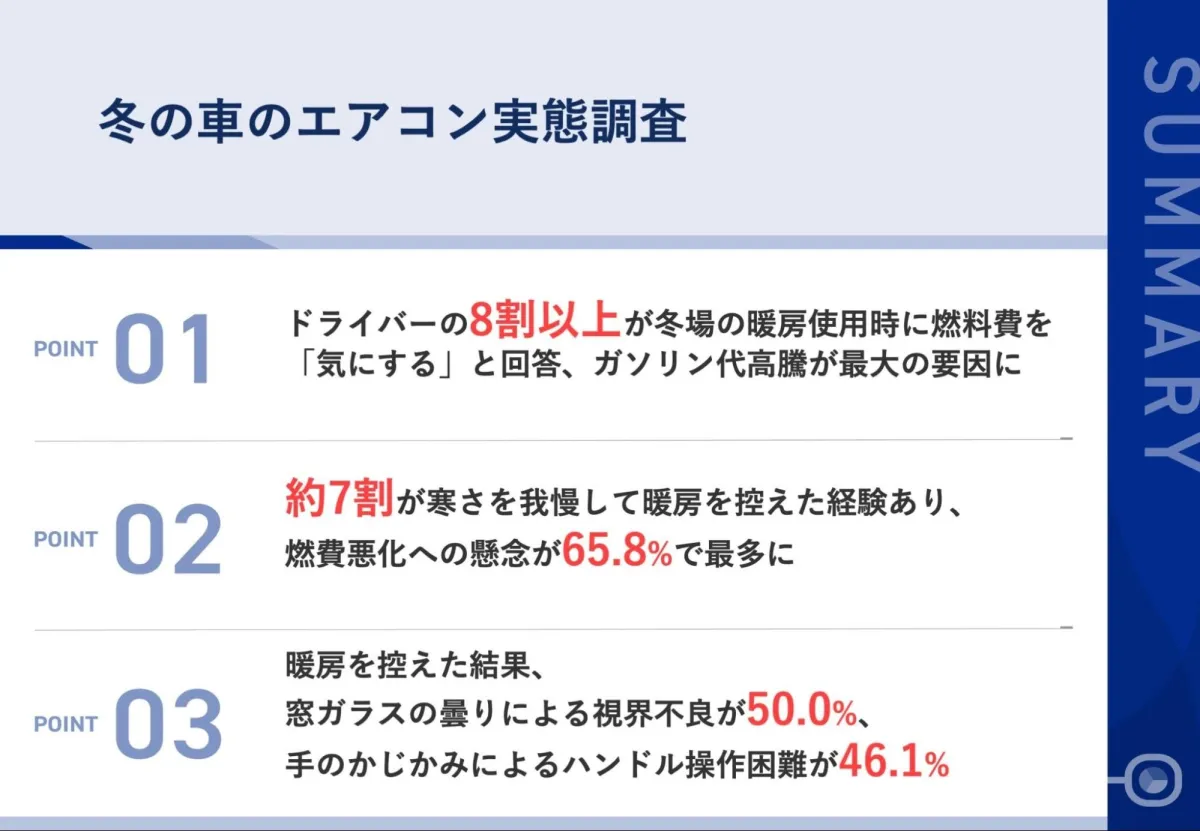
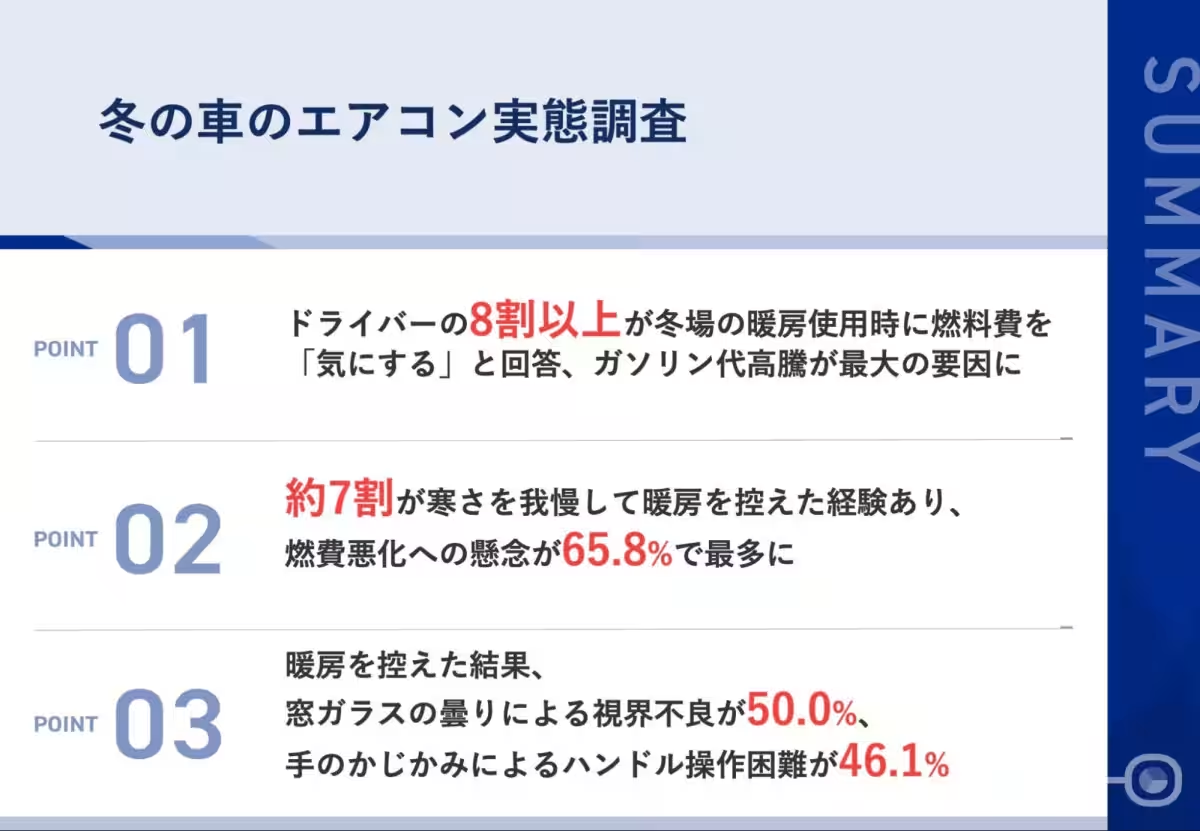
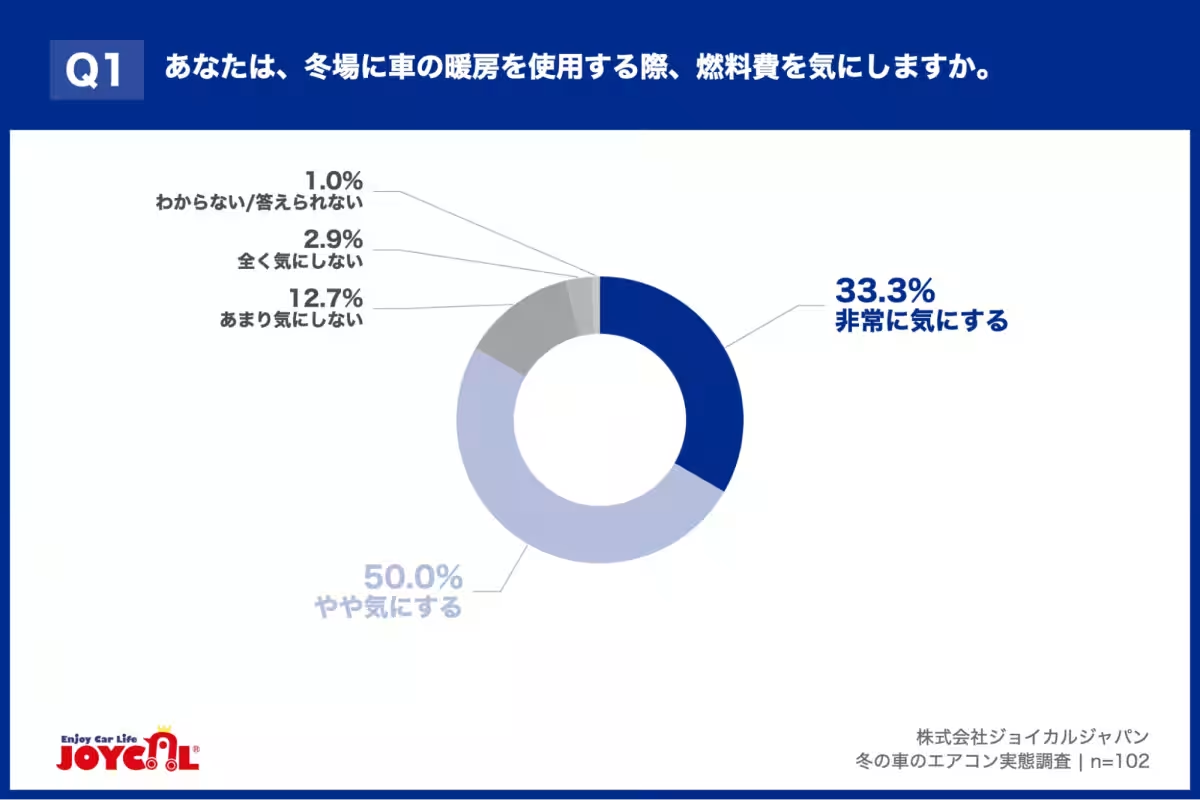
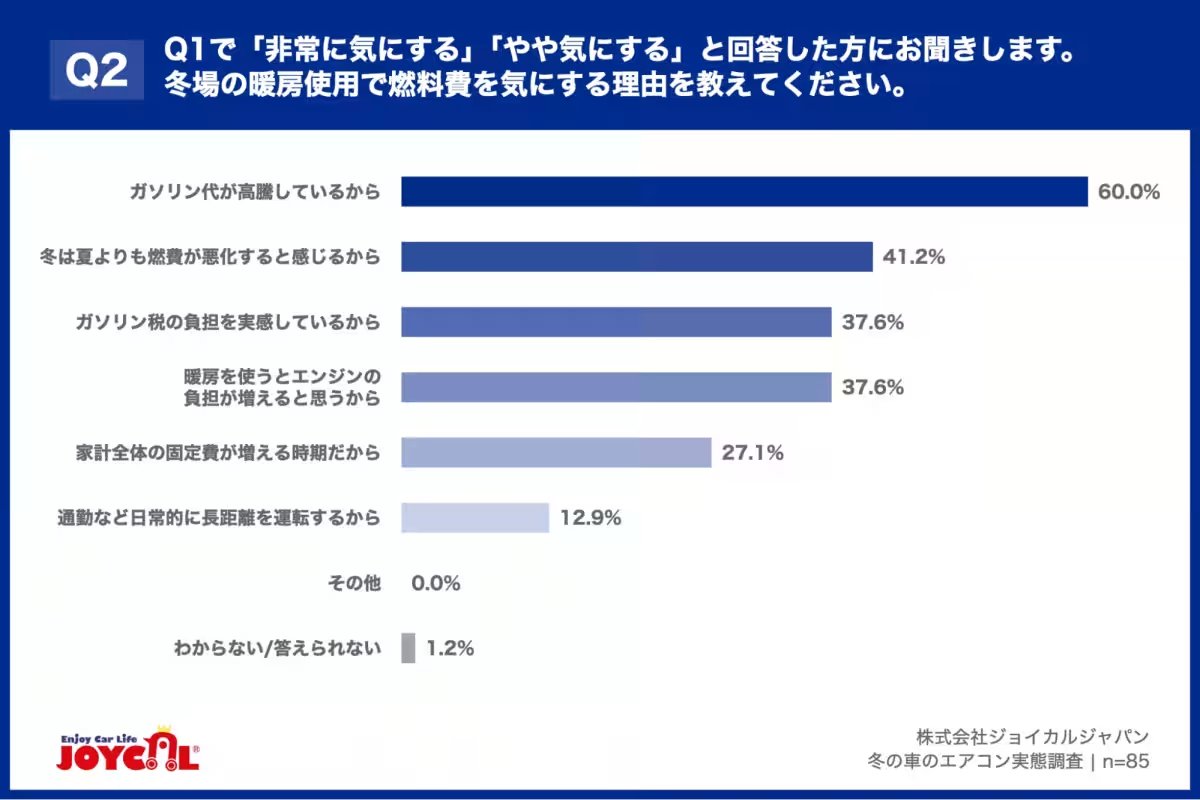
The survey unveiled several striking statistics that highlight the conflict many drivers face. A staggering over 83% of respondents indicated they are concerned about fuel costs when using their vehicle's heater. The top reason for this concern stems from escalating gasoline prices, with 60% of respondents mentioning that the rise in gasoline costs heavily influences their decisions during winter heating.
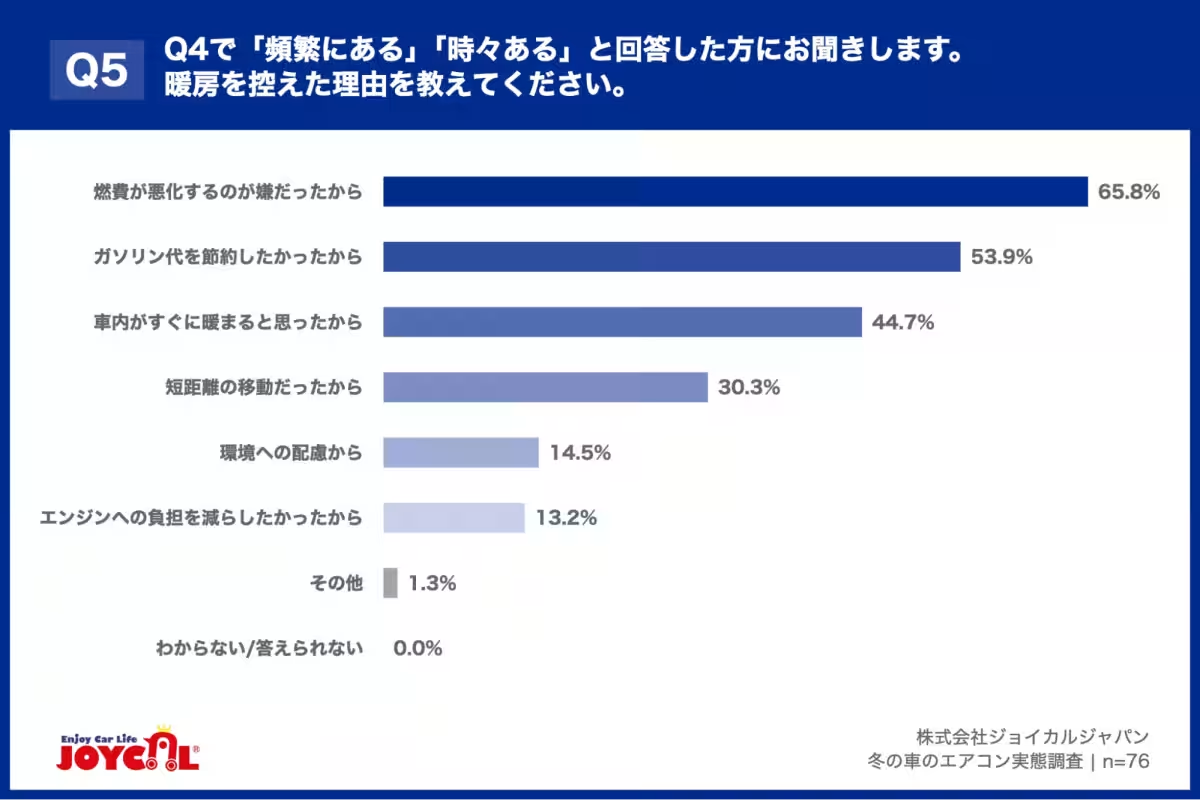
Furthermore, approximately 70% of survey participants admitted to enduring the cold and reducing heater usage, driven by a primary fear of poor fuel efficiency. As many as 65.8% referenced anxiety regarding enhanced fuel consumption as their primary reason for limiting their heating use.
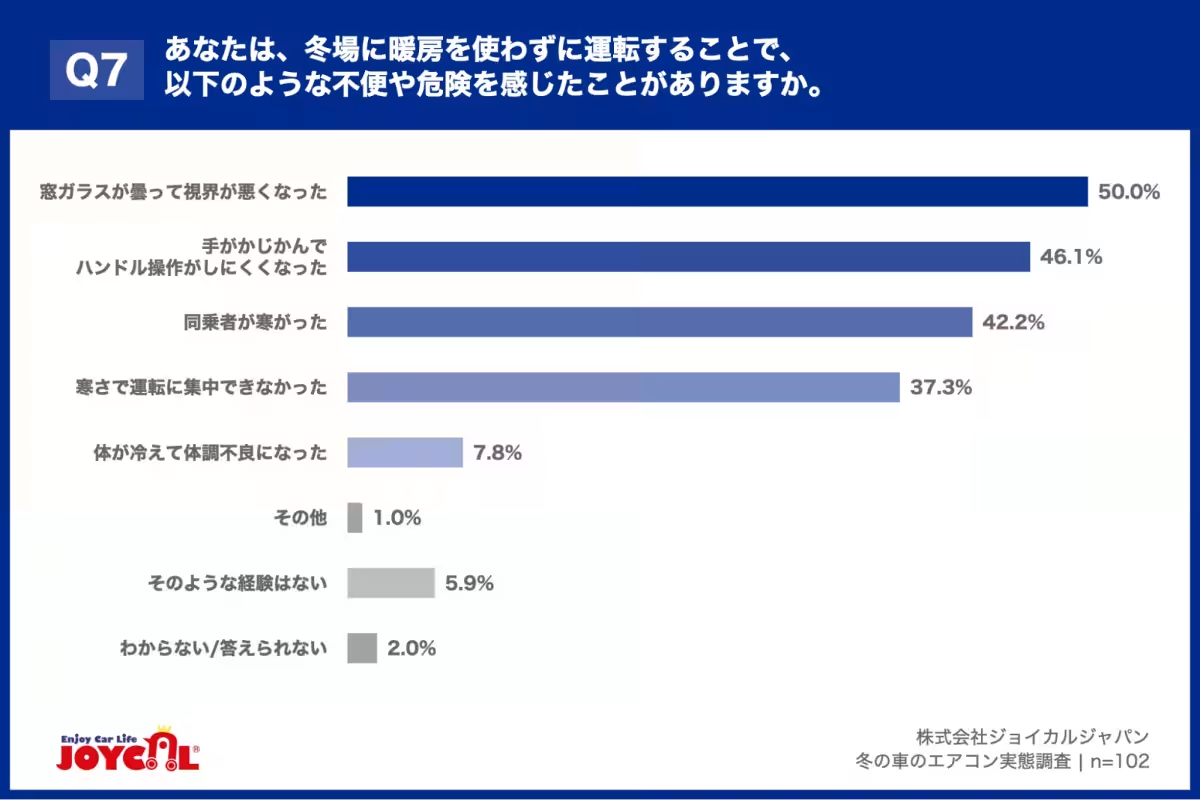
Consequently, the repercussions of this compromise on comfort manifest in several ways. The survey reported that 50% encountered visibility issues due to fogged-up windows on cold days, while 46.1% found it difficult to operate the steering wheel due to cold hands. To make matters worse, 42.2% of drivers noted their passengers felt cold, further highlighting the widespread effects of these fuel-saving strategies.
Factors Influencing Heating Usage
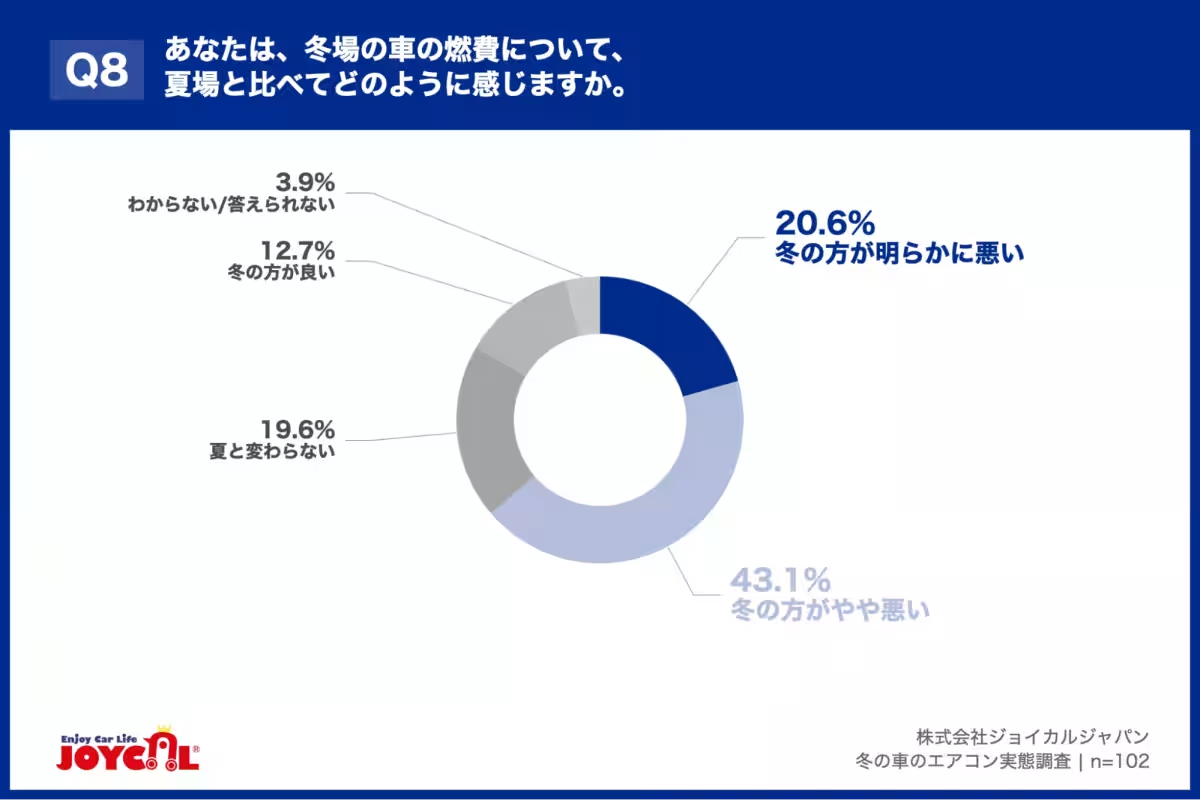
Survey results pinpointed that nearly 41.2% of respondents perceive that winter driving conditions inherently lead to poorer fuel efficiency than in summer. Additionally, respondents cited concerns about government fuel taxes (37.6%) and general living cost increases (27.1%) as additional factors contributing to their hesitance in utilizing vehicle heaters fully.
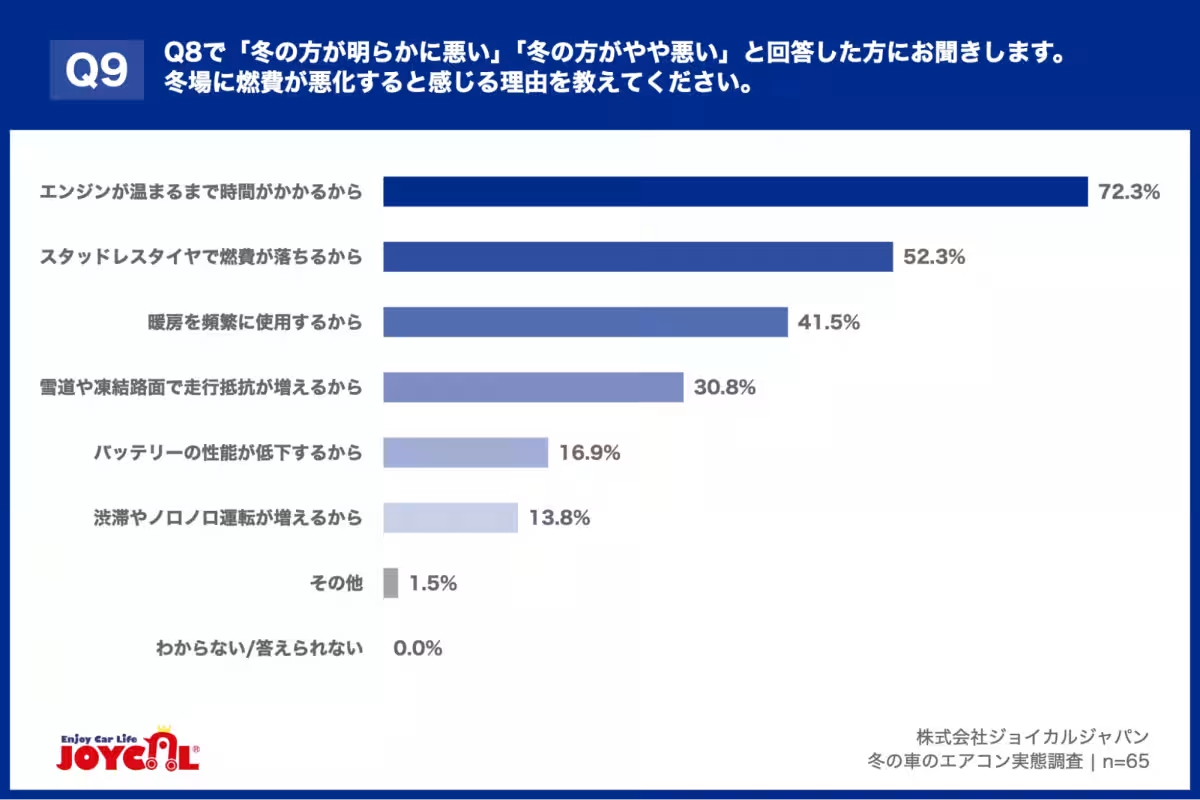
Drivers reported various personal anecdotes during the survey, detailing how they’ve had to adjust to challenging conditions. Comments included experiences of wrestling with frozen windshields in the early morning and feeling that winter tires negatively impacted their fuel efficiency. The sentiments expressed in the open-ended responses echoed a persistent desire to balance comfort and cost-effectiveness even amidst colder weather.
The Risks of Not Utilizing Heating
Driving without the heater during winter presents challenges that, while often overlooked, are serious. The survey detailed that half of the drivers reported significant dangers, such as reduced visibility due to fogged windows. Other reported risks included impaired control of the vehicle due to cold hands and general distraction caused by uncomfortable driving conditions. Notably, 37.3% indicated that cold weather impeded their focus while driving, demonstrating a direct link between comfort and driving safety.
The Future of Winter Heating in Vehicles
As the conflict between fuel costs and heating needs continues, there's an urgent need for solutions that address these pressing concerns. With rising fuel prices, the auto industry must innovate not only for enhanced fuel efficiency but also for driver comfort and safety. Encouraging the proper use of vehicle heating is essential, given its importance in maintaining optimal visibility and control while driving.
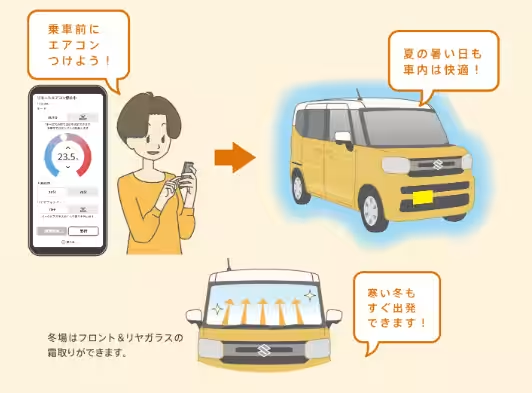
In response to these trends, vehicle manufacturers are beginning to include advanced technologies, such as remote air conditioning features, which allow drivers to preheat their cars before they enter. This development could significantly mitigate the dilemma faced by many drivers, enabling them to step into a warm vehicle without sacrificing fuel economy and, ultimately, safety.
Conclusion
The findings from Joycal Japan's survey shed light on a prevalent issue that drivers encounter during the winter months: the need to weigh comfort against budget constraints. As they navigate this complex situation, the auto industry has a responsibility to support drivers in making safe, comfortable choices. Further discussions about how to balance heating needs with economical driving practices will be critical as we move forward into harsher winter months.
For a detailed look at the survey and its findings, you can download the complete report from Joycal Japan.


Topics Consumer Products & Retail)
【About Using Articles】
You can freely use the title and article content by linking to the page where the article is posted.
※ Images cannot be used.
【About Links】
Links are free to use.