



Marine-Derived Fucoxanthin Found to Inhibit Skin Aging and Inflammation
Exploration of Fucoxanthin's Effect on Skin Aging
A collaborative study led by Professor Masaki Yoshida from Tokyo University of Technology’s Faculty of Applied Biological Sciences and circuRE act Co., Ltd. has uncovered significant findings regarding the marine microalgae Solaris and its component fucoxanthin. This research indicates that fucoxanthin can effectively suppress the Senescence-Associated Secretory Phenotype (SASP), a phenomenon linked to accelerated skin aging.
Understanding SASP
SASP refers to the process where aging cells secrete pro-inflammatory cytokines and other harmful substances that ultimately promote inflammation, chronic conditions, and degradation of skin structure. This leads to visible signs of aging, such as wrinkles and sagging skin. UVB radiation is known to amplify this effect, making it a major factor in photoaging.
Focus on Fucoxanthin
The principal aim of this study was to evaluate the influence of fucoxanthin, extracted from Fistulifera solaris, on SASP factors in skin cells. The in vitro trials utilized skin cells subjected to UVB exposure, comparing various cytokine levels post fucoxanthin treatment.
Key Findings
The results were compelling; when exposed to UVB radiation, there was a marked increase in inflammatory markers such as IL-6, MCP-1, and MMP-3 - an enzyme responsible for collagen breakdown. However, the introduction of fucoxanthin significantly diminished these levels. Particularly, the suppression of IL-6 and MCP-1 was notable. Despite limited impact on MMP-1, there was a tendency for the skin’s barrier-enhancing protein, involucrin, to increase, suggesting a protective mechanism.
Scientific Implications
The implications of this research are substantial. Fucoxanthin appears to inhibit the expression of key SASP-related factors linked to inflammation and skin degradation. This discovery could potentially halt the cycle of skin aging, contributing to improved overall skin health through enhanced barrier functions.
Furthermore, fucoxanthin’s ability to address both intrinsic aging and photoaging positions it as a promising candidate for future anti-aging formulations.
About Fistulifera solaris
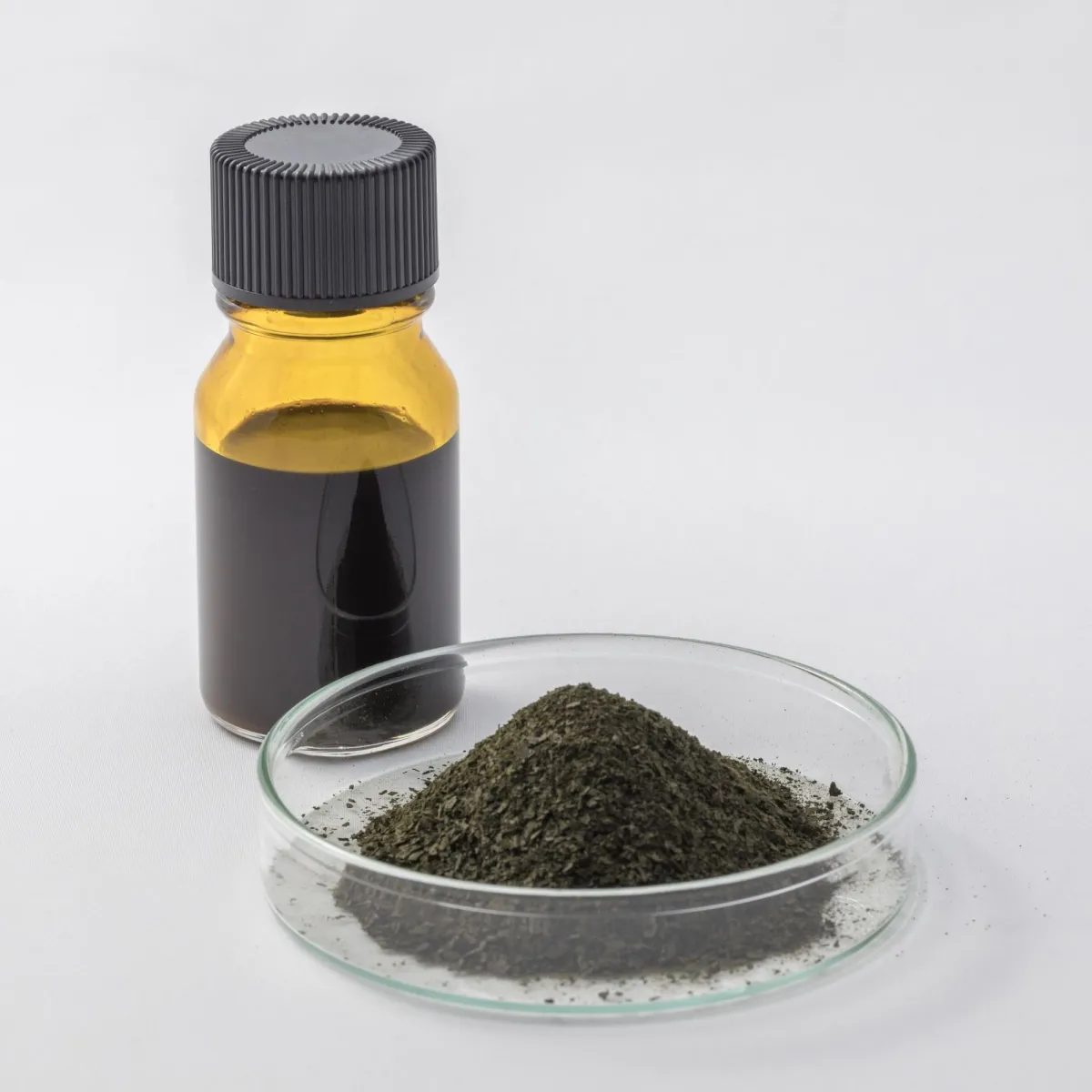
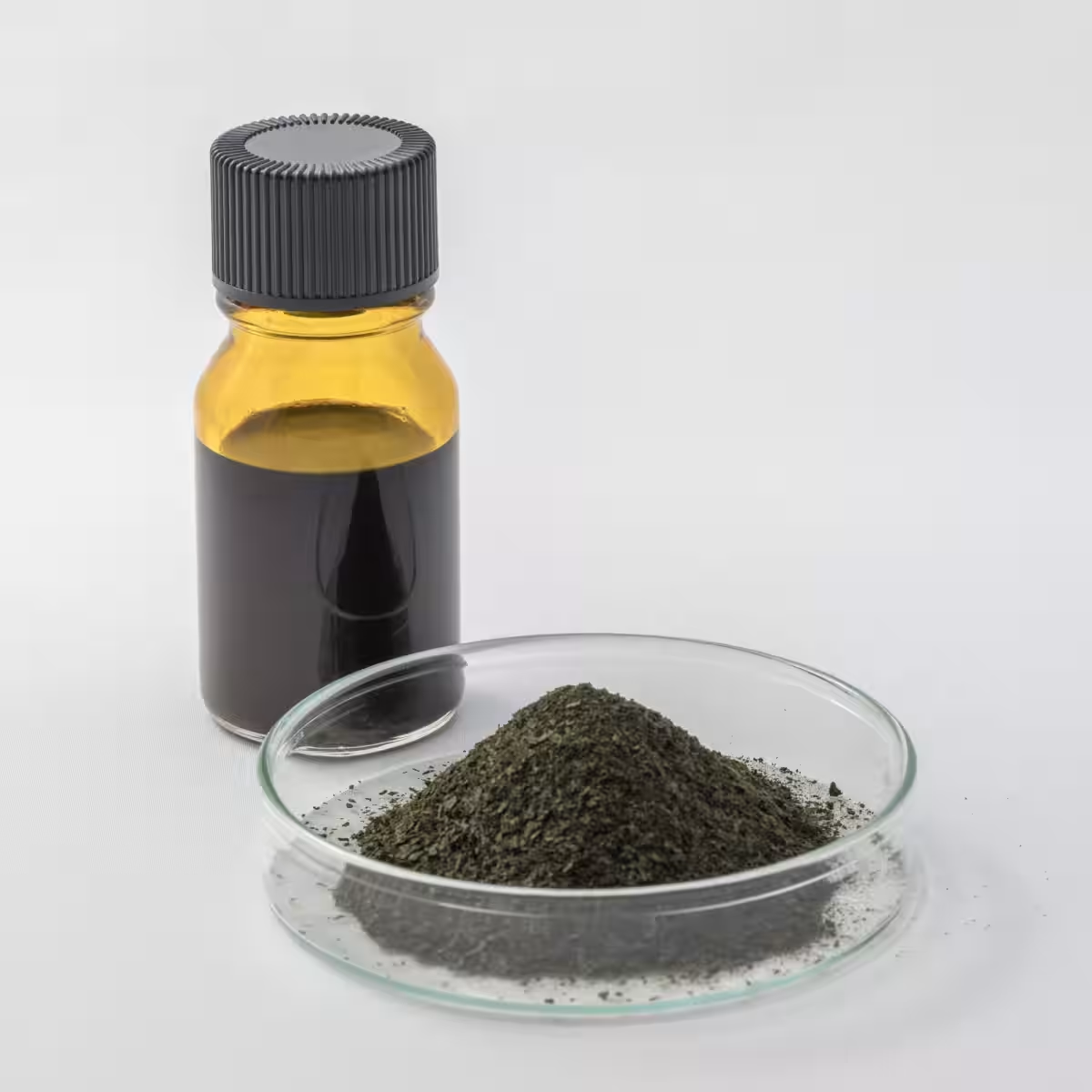
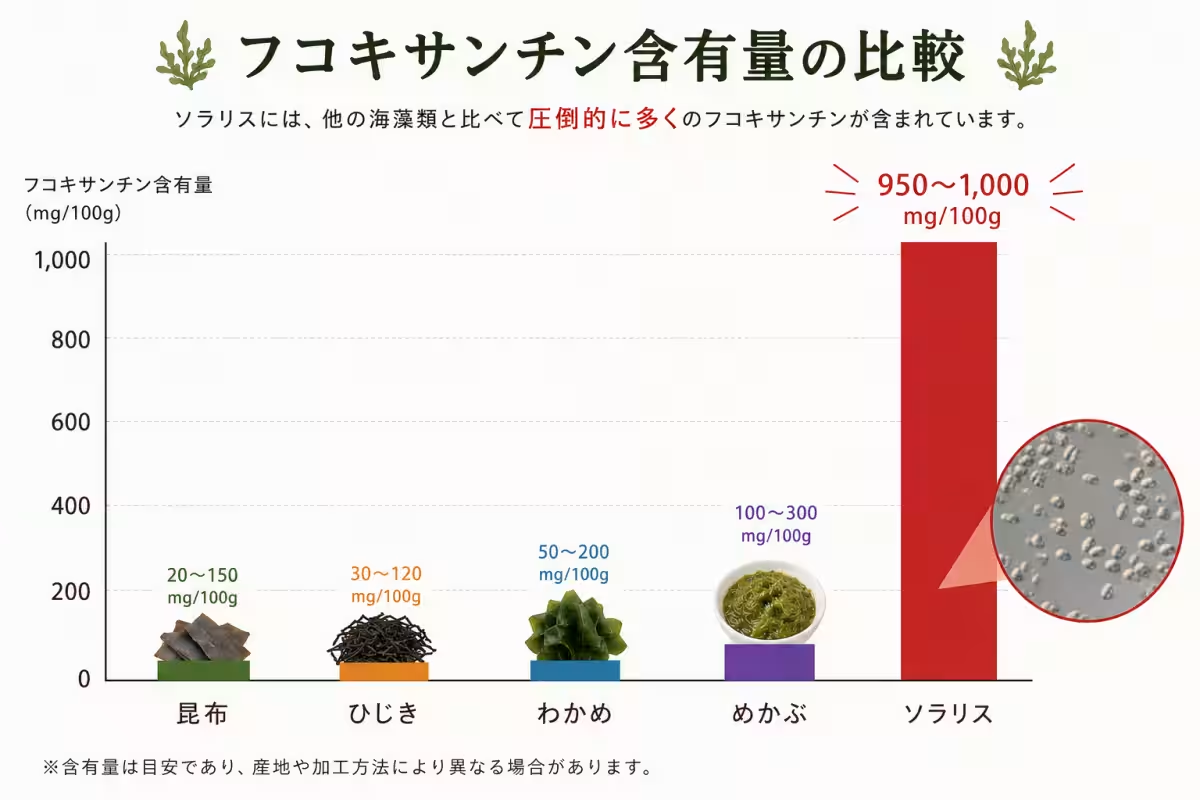
Fistulifera solaris is distinguished by its exceptionally high fucoxanthin content, containing between 950 to 1000 mg per 100g of dried biomass. Though this rare ingredient has historically been challenging to produce at scale, circuRE act Co., Ltd. is paving the way for a more sustainable cultivation and extraction process in Japan.
Upcoming Presentation
These findings are set to be shared at the 51st Annual Meeting of the Japanese Society of Cosmetic Science on June 25-26, 2026. The research will be presented during a poster session and will include an explanation of the Solaris extract along with sample distributions at booth P03.
Conclusion
In summary, the collaborations between academic research and industry players like circuRE act are essential for unlocking the potential of natural ingredients in cosmetic science. The joint efforts not only focus on developing efficacious products but also lend a sustainable approach to ingredient sourcing, addressing the pressing needs of both consumers and the environment.
For further information, visit the official pages of Tokyo University of Technology and circuRE act.
Topics Consumer Products & Retail)
【About Using Articles】
You can freely use the title and article content by linking to the page where the article is posted.
※ Images cannot be used.
【About Links】
Links are free to use.